
ABOUT US
Your Expert Manufacturer of Wedge Wire Screens;
Your Reliable Partner and Source of Innovation
GET A FREE QUOTE
-
Home

-
Blog
-
Industry Blog
- Why Stainless Steel Wedge Wire Screen is the Superior Choice for Industrial Filtration
Why Stainless Steel Wedge Wire Screen is the Superior Choice for Industrial Filtration
-
 author
 - 7,May
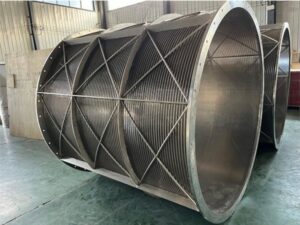
Filtration in industrial processes is more than just separating solids from liquids. It is also about preventing unplanned downtime, reducing energy inefficiency and preserving processing capital by limiting wear and tear. In many applications however, commonly used filtration media such as woven wire mesh or perforated plates are inadequate due to inadequate strength, undue distortion or excessive clogging by abrasive content. They often need to be replaced prematurely.
The evolution of industrial filtration has led to the development of advanced wedge wire screen technology. This progress points to a top option: the stainless steel wedge wire screen. Known worldwide as the Johnson screen, this carefully made part has boosted performance in areas from underwater mining to oil refining. Operators can grasp the design basics and lasting cost advantages of this tech. With that knowledge, they shift from fixing problems after they happen to improving processes ahead of time.
Architectural Excellence: The Engineering Behind the V-Wire
The strength of a stainless steel wedge wire screen starts with its basic shape. Woven mesh uses crossing wires that form small “pockets”for particles to catch. In contrast, wedge wire offers a precisely built surface.
The V-Shaped Profile and Trumpet Effect
The key to this technology lies in the V-shaped profile wire. The V-shaped wire is welded onto support rods using electric resistance welding technology, forming a continuous slot. This slot is narrow at the top and wider at the bottom. When particles in the liquid pass through the slot, they quickly flow away without jamming or causing clogging. The smooth filtration surface created by the V-shaped wire allows any filter cake to be easily removed during backwashing, ensuring continuous, clog-free operation.
All-Welded Monolithic Construction
Strength comes from the “all-welded” approach. Skilled resistance welding joins every spot where surface profile wires meet inner support rods. The result is a solid, one-piece structure. No parts shift with vibrations. No patterns loosen from strain. This firm build keeps slot sizes steady, even during heavy physical stress.
Material & Application
The wedge wire screens handle various tough settings through top-quality alloys.
| Material Grade | Key Characteristics | Typical Application
Environments |
| 304
Stainless Steel |
Good corrosion resistance, cost-effective, suitable for mild environments. | Fresh water filtration, food processing, general industrial screening. |
| 316L
Stainless Steel |
Enhanced corrosion resistance (chlorides, acids), low carbon reduces weld decay. | Sea water intakes, chemical plants, desalination, pharmaceutical applications. |
| 904L
Stainless Steel |
High resistance to reducing acids (sulfuric, formic) and stress corrosion. | Acid mine drainage, fertilizer production, aggressive chemical filtration. |
| Duplex
Stainless Steel |
High strength, excellent chloride stress corrosion cracking resistance. | Offshore oil & gas, deep well screens, marine environments. |
| Hastelloy / Monel | Superior performance in extreme temperatures and highly corrosive media. | High-temperature gas filtration, strong acid/alkali processes, aerospace. |
Why Wedge Wire is the Industry Standard for Efficiency
Comparing the stainless steel wedge wire screen to older options shows a clear edge in results. Its advantages reach past basic filtering. They support the whole system’s well-being.
- Non-Clogging: Its anti-clogging feature relies on V-shaped wires. The widening gap profile prevents particles from lodging, allowing solids to pass or be flushed away easily, ensuring continuous, efficient filtration.
- Low Pressure Drop: Slots guide fluids smoothly inside. Turbulence stays low. Pumps use less power to push materials along.
- Exceptional Mechanical Strength: Support rods blend with profile wires. Screens handle strong inward forces. They suit deep-bore uses where a stainless steel well screen bears huge earth pressure.
- Precision Slot Accuracy: Current production methods achieve gaps as narrow as 25 microns. This exactness keeps filtration levels reliable over the screen’s full service time.
Critical Applications in Industrial Filtration Systems
Stainless steel wedge wire screens hold an important place not only in well screens but also in many industrial filtration processes. These processes demand reliability, efficiency, and durability, which is why the demand for wedge wire screen wholesale continues to grow in industrial markets.
In industrial filtration systems, these screens serve as the main parts for separating solids from liquids. People use them a lot in water treatment, petrochemical processing, mining, and food production. The special V-shaped slot design helps keep particles in place with accuracy. At the same time, it allows a steady flow to continue.
In water treatment and desalination plants, workers often use wedge wire screens as pre-filtration units. They remove suspended solids well. This action protects later equipment like membranes and pumps. As a result, the system lasts longer. Maintenance happens less often.
In industrial circulating cooling systems, people replace old perforated plates or mesh filters with wedge wire screens. Such changes bring clear improvements. For instance, in a recent municipal water project, teams upgraded to high-flow stainless steel wedge wire screens. Water throughput rose by 40 percent. Pump energy use dropped. The main reason comes from the high open area and low-pressure drop design.
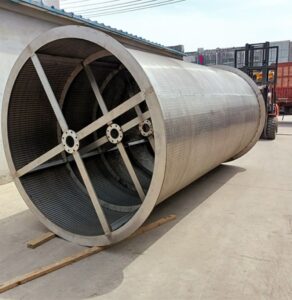
Besides liquid filtration, these screens find broad use in other areas too:
- Mining and metallurgyfor slurry separation and dewatering
- Petrochemical processesfor catalyst recovery and fluid purification
- Food and pharmaceutical industriesfor hygienic and precise filtration
When compared to usual filtration materials, wedge wire screens provide better options:
- Strong resistance to clogging
- Consistent accuracy in filtering
- Greater efficiency during operation
These benefits position them as a vital part of current industrial filtration systems. Their role goes beyond just well-screen uses.
Analyzing the Cost and ROI of Stainless Steel Wedge Wire Screens in Industrial Filtration
When people assess stainless steel wedge wire screens and welded wire mesh screens, they often look first at the buying price. Yet, in industrial filtration applications, the real value becomes apparent in the Total Cost of Ownership (TCO).
Material Selection vs. Service Life
Common filtration choices like woven wire mesh or perforated plates seem cheap at the start. Still, in tough industrial settings with high pressure, corrosion, or rough media, these items break down too soon.
On the other hand, stainless steel wedge wire screens built from materials such as 316L or Duplex stainless steel deliver key strengths:
- Great resistance to corrosion
- Solid mechanical power
- Steady structure over time
Their longer working life cuts down on how often replacements occur. It also lowers downtime. In the end, this leads to a stronger return on investment.
Customization for Process Optimization
Industrial filtration systems usually need exact fits to match working conditions. Factors like slot size, rod spacing, and structural design affect how well filtration works.
Take mining applications as an example. They call for tougher builds and larger slots to handle slurry. Fine filtration in chemical or pharmaceutical processes needs closer limits.
Screens designed to custom specs make sure performance stays at its best. They avoid quick breakdowns. Overall, this boosts the efficiency of the whole system.
Operational Efficiency and Cost Savings
A major plus of wedge wire technology lies in its self-cleaning and anti-clogging build. This feature offers real gains in daily operations:
- Fewer times for backwashing
- Less use of water and energy
- Little need for hands-on upkeep
In various industrial cooling and filtration setups, moving to wedge wire screens cuts backwash water needs by more than 30 percent. Filtration performance stays reliable.
Plus, the low-pressure drop trait eases the work on pumps. This brings extra savings in energy.
Conclusion of ROI Perspective
From the view of industrial filtration, stainless steel wedge wire screens go beyond a simple buy. They represent a solid investment in performance that lasts.
Their mix of traits includes:
- Strong durability
- Reliable accuracy in filtration
- Few demands for maintenance
- Efficient use of energy
All these elements turn them into a smart, cost-saving choice across the full life of the system.
Conclusion: A Strategic Investment in Stability
Opting for a stainless steel wedge wire screen means more than routine upkeep. It shows a focus on top-notch operations. The V-wire shape prevents clogs. The welded build offers firm support. High-grade alloys fight rust well. These traits give operators steady performance that standard mesh lacks. In tasks from city water systems to detailed chemical plants, these screens deliver the dependable results needed for today’s industrial goals.
FAQ: Common Questions About Wedge Wire Technology
FAQ 1: Why does my wedge wire screen keep clogging even though it has a V-shaped wire?
Particles often get stuck when they are nearly the same size as the slot openings. They wedge themselves sideways and block the surface. The V-shaped wires do help reduce internal buildup. Still, surface blinding occurs if the gap remains too tight for the actual particles. Consider slightly increasing the slot width. You can also increase the frequency of backwash cycles.
FAQ 2: What causes premature cracking or breakage of wedge wire screens?
Sudden pressure shifts, strong vibration, and high pressure drop across the screen often lead to early failure. Poor spacing between support rods adds to the problem as well. Running the screen beyond its recommended pressure limits raises the risk of cracks. In areas with heavy vibration, choose a screen that uses a heavier and stronger wire profile.
FAQ 3: How can I stop solids from passing through the screen if the slot size is correct?
Several factors can affect slot accuracy. Temperature changes cause wire expansion. Manufacturing tolerances usually range between plus or minus 25 to 50 microns. Slot wear also develops over extended use. Harder materials such as 316L or duplex stainless steel offer better performance in this regard. Keep in mind that long or irregular particles like fibrous chains can still slip through at an angle.
FAQ 4: Why is my wedge wire screen corroding, even though it’s 316L stainless steel?
316L stainless steel resists many common chemicals. However, it can still suffer corrosion in environments with high chloride levels above 50 degrees Celsius. Strong acids also create problems for this grade. In very aggressive chemical conditions, switch to more resistant alloys such as 904L, duplex stainless steel, or Hastelloy. Proper passivation right after installation helps protect the surface.
FAQ 5: How do I choose the right slot size for my filtration process?
Begin by matching the slot size to the particle size you need to remove. For soft and deformable materials like biological flocs, select a slot opening around 50 to 70 percent of the particle diameter. With harder and more angular particles, a size close to the D85 value usually works well. Real conditions often differ from theory. Always run a pilot test to confirm the best slot size for your specific application.
Recent Post
Related Products
Best-selling Products
Starch Screen
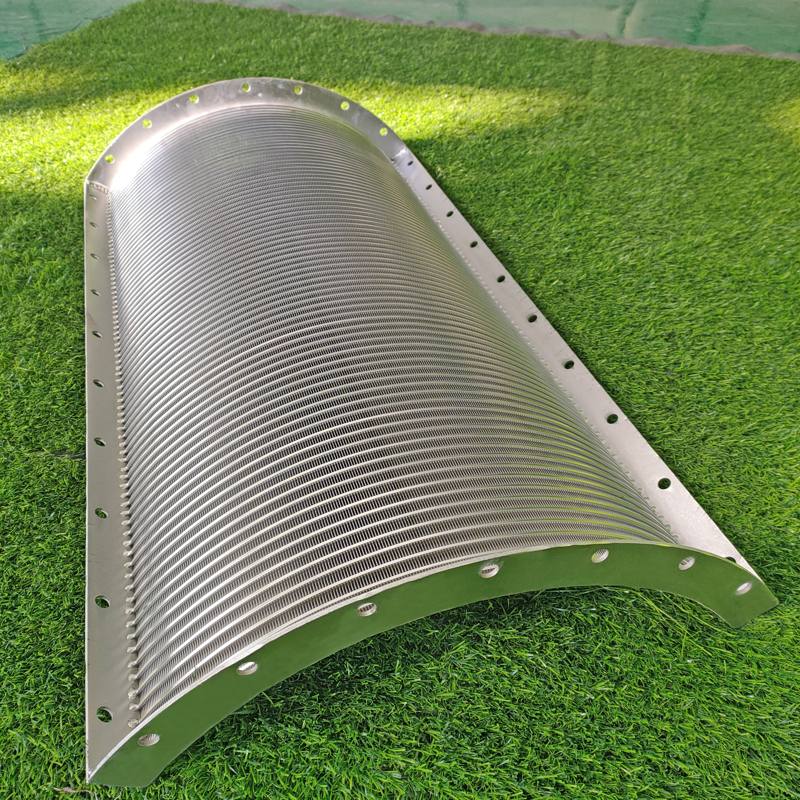
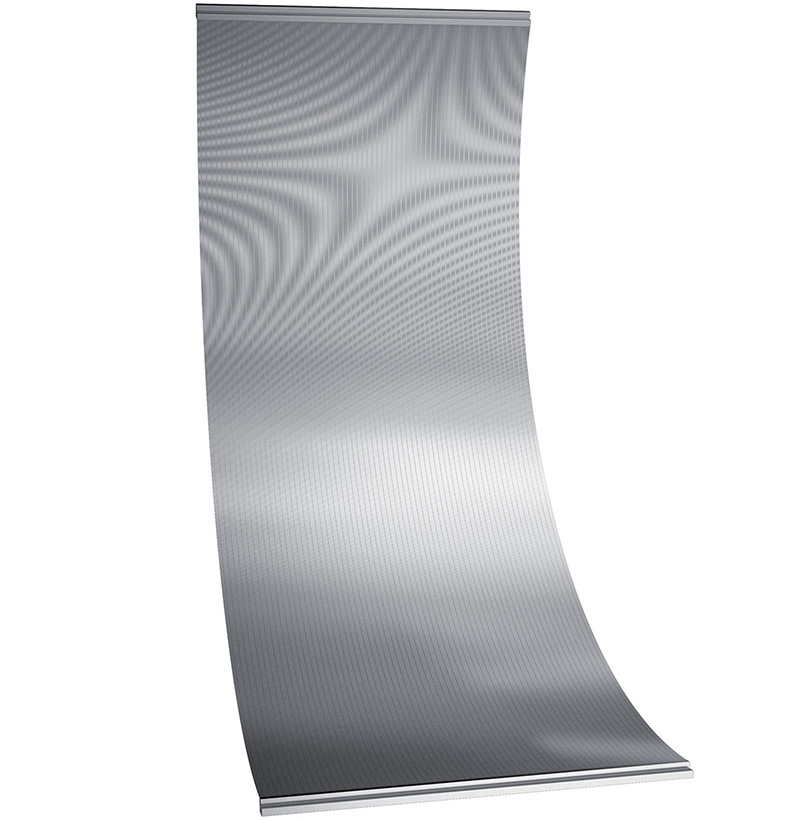
The Wedge Wire Starch Curved Screen is a curved screening device specifically designed for the starch industry. It features an arc-shaped screen surface made of precisely welded V-profile stainless steel wires, utilizing centrifugal force or gravity to achieve rapid dewatering and classification of starch slurry. Its curved structure prolongs slurry retention time, improving solid-liquid separation efficiency. It is suitable for starch extraction, refining, and byproduct recovery processes for starches such as potato, corn, and cassava. Characterized by efficient screening, wear and clogging resistance, and easy maintenance, this equipment is a key solid-liquid separation device in modern starch processing.
Rotary Drum
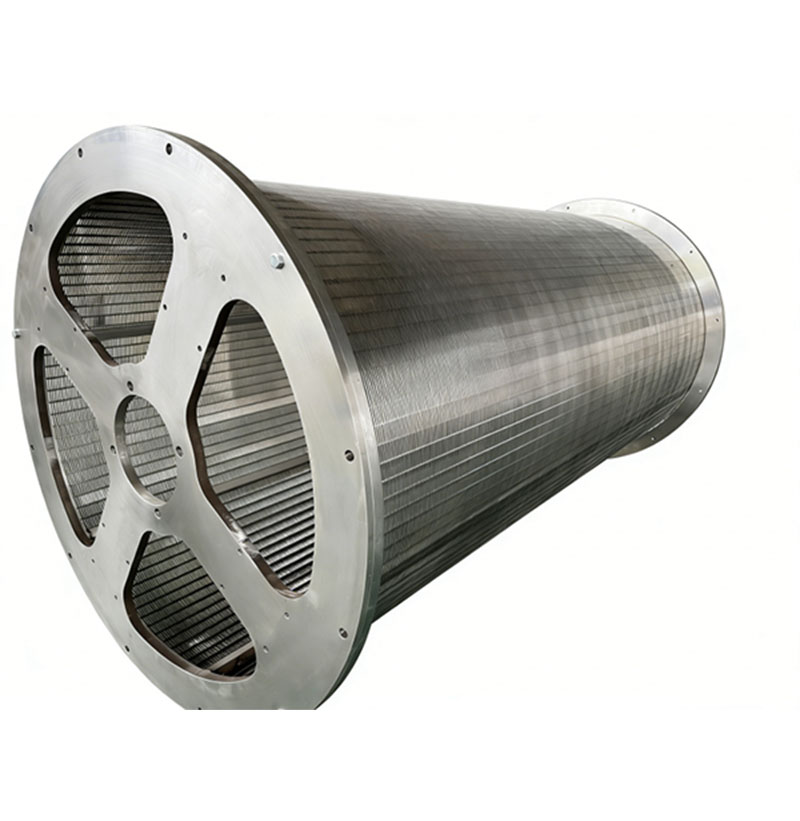
The Stainless Steel Wedge Wire Rotary Drum Screen (also known as a Rotary Drum Strainer or Micro-Screen) is a continuously and automatically operating front-end solid-liquid separation device. Its core component is a large cylindrical drum installed horizontally or at a slight incline. The entire circumferential surface of the drum is covered with a stainless steel wedge wire screen (Johnson screen). The wastewater to be treated flows into one end of the drum. Under gravity, the filtrate passes through the wedge wire slots, while solid suspended matter (such as fibers, hair, plastic pieces, and fine particles) is retained on the inner surface of the drum. As the drum rotates slowly, the retained debris is lifted to the top, where it is flushed by spray water into a collection trough, achieving a continuous process of automatic screening, filtration, and residue removal
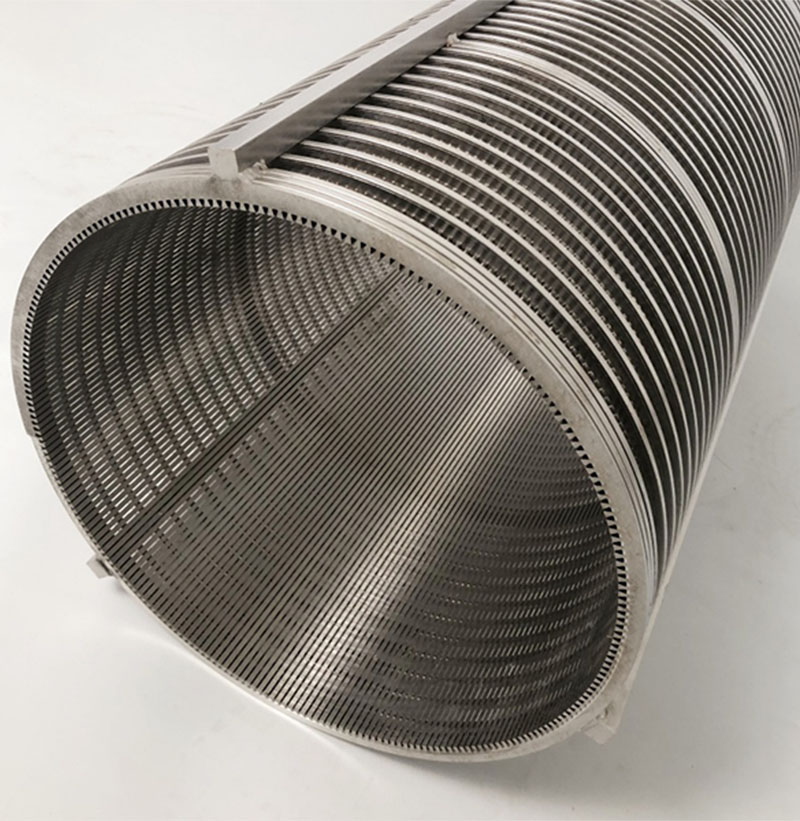
Screen Basket for Screw Press Separator
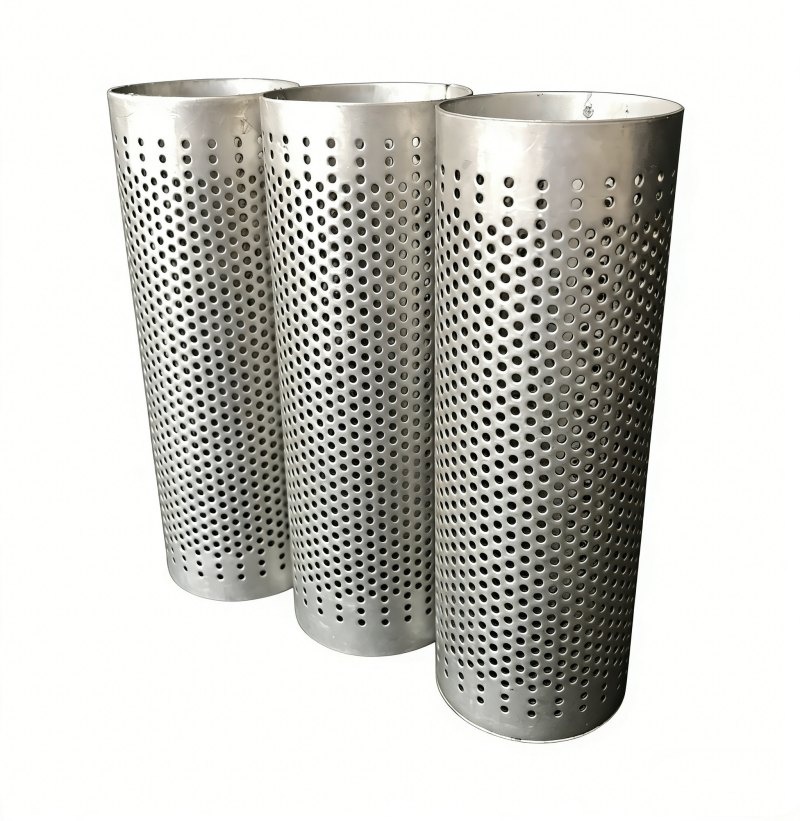
The stainless steel wedge wire screen basket, commonly known as the "V-wire screen," "press screen basket," or "screen cylinder," is a core component of screw press solid-liquid separators. It is installed inside the spiral press, enclosing the rotating screw shaft. The working principle is as follows: raw slurry with high moisture content is pushed into the screen basket by the screw shaft. Under the squeezing and conveying action of the spiral flights, the liquid (filtrate) is forced out through the precise, continuous slots of the screen basket, while the solid material (manure cake) is retained inside and continues to be compressed and dewatered as it moves forward. Finally, the dewatered solids are discharged from the outlet, achieving solid-liquid separation.
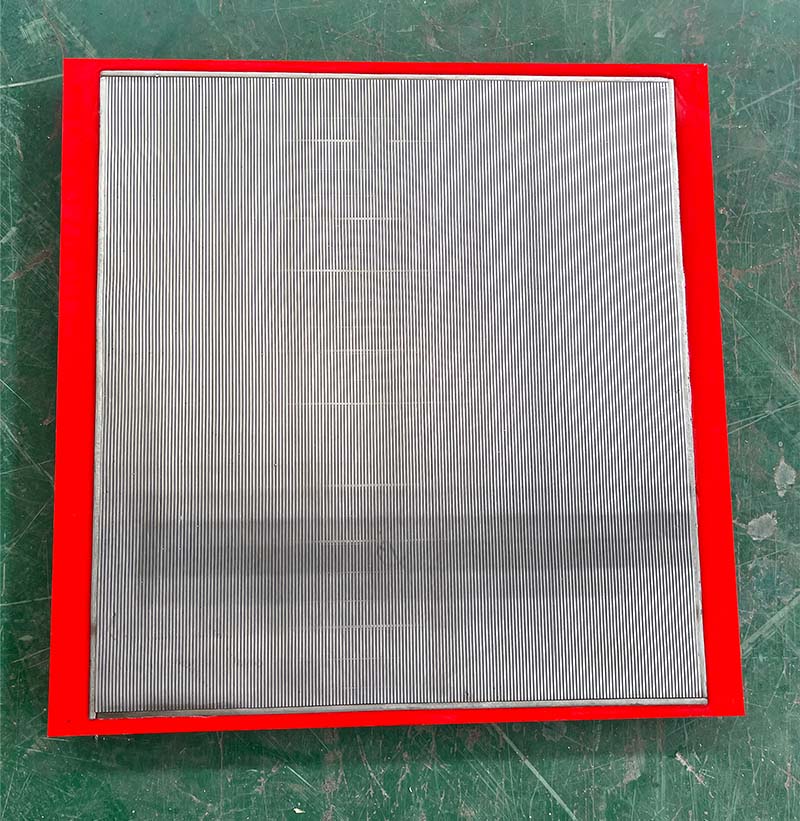
Wedge Wire Vibrating Screen
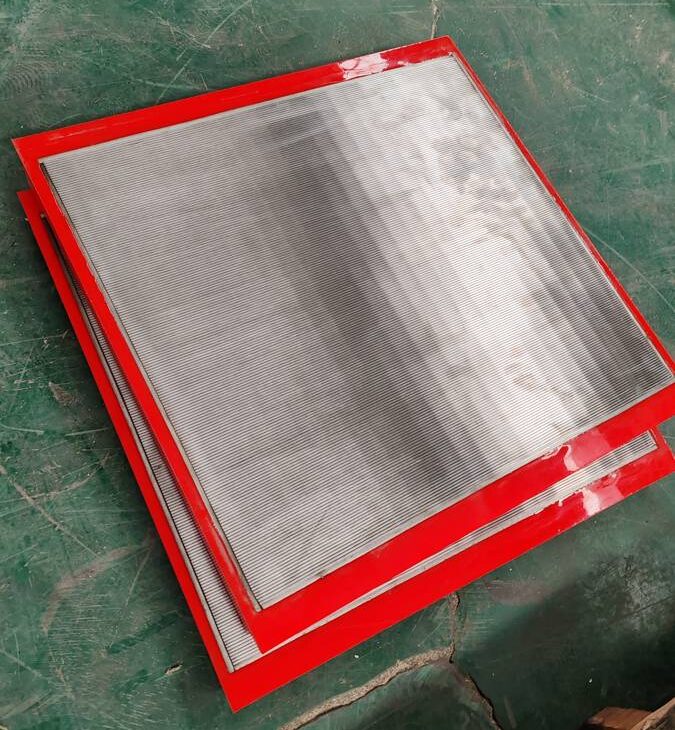
A stainless steel wedge wire vibrating screen is a solid-liquid separation device featuring a screen surface made by precisely welding V-shaped stainless steel wires, integrated with a high-frequency vibration system. With uniform slots, wear resistance, and corrosion resistance, it is suitable for wet screening and dewatering operations. The vibration mechanism enables rapid material dispersion and efficient sieving while effectively preventing screen clogging. Widely used in industries such as mining, metallurgy, food processing, and environmental protection, it is particularly suitable for handling fine particles, high-viscosity, or easily agglomerated materials, offering advantages such as high screening accuracy, large processing capacity, and long service life.
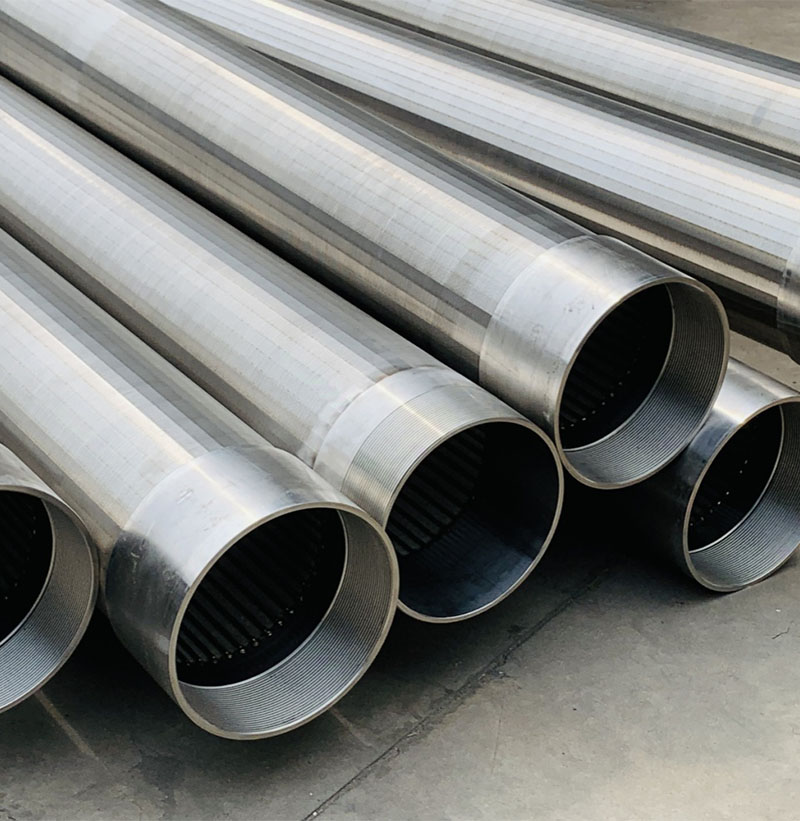
Wedge Wire Water Well Screen
Johnson Deep Water Well Screens, also referred to as continuous slot screens or wire wrap screens, were originally developed to solve sand control challenges in fine-grained and uniform sand formations. These geological conditions are commonly encountered in deep groundwater aquifers, where conventional perforated pipes often suffer from clogging, excessive sand production, and reduced well efficiency.
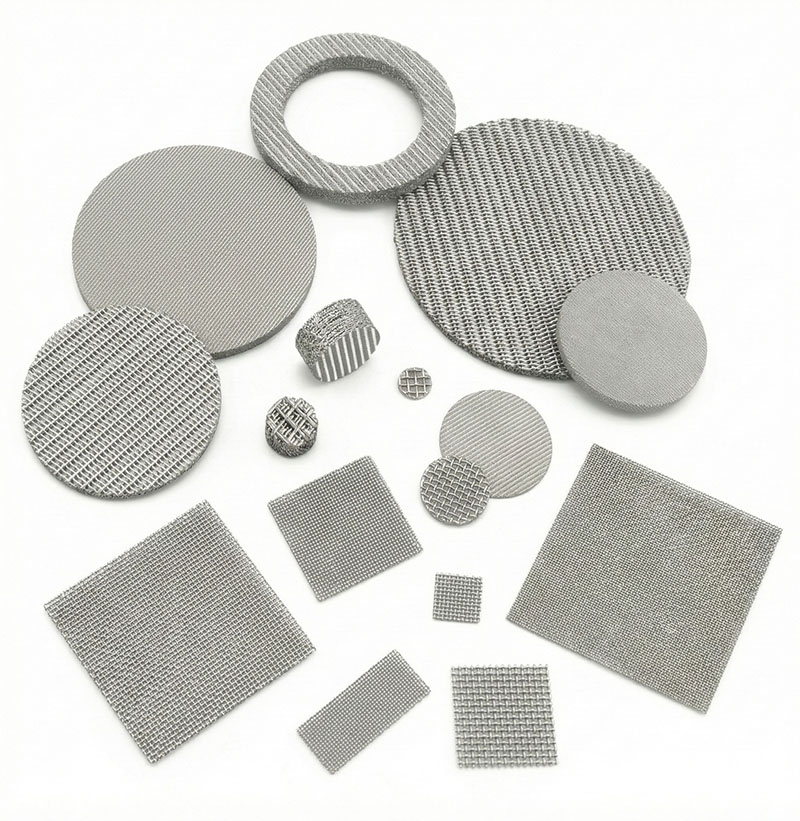
Sintered Mesh Plate and Disc
Sintered Mesh Plates and Discs are high-precision filtration components fabricated by bonding multiple layers of stainless steel wire mesh through a specialized vacuum sintering process. Unlike traditional mesh that relies on mechanical weaving alone, these plates are fused at every contact point, transforming individual wires into a rigid, integrated porous metal sheet.
These plates can be customized into various shapes, most commonly circular discs, to fit specific industrial equipment. They offer an ideal balance of high permeability, extreme structural integrity, and precise filtration ratings. Because they are made entirely of metal (typically 304 or 316L), they provide a "permanent" filtration solution that can withstand high temperatures and corrosive chemicals while remaining fully cleanable and reusable.