
ABOUT US
Your Expert Manufacturer of Wedge Wire Screens;
Your Reliable Partner and Source of Innovation
GET A FREE QUOTE
-
Home

-
Blog
-
Industry Blog
- Why Water Bore Screens Are Essential for Preventing Sand Infiltration
Why Water Bore Screens Are Essential for Preventing Sand Infiltration
-
 author
 - 1,May
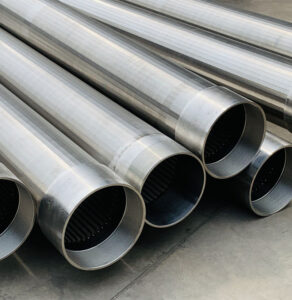
A water well stands as a major financial commitment. It aims to deliver a steady flow of pure water for many years. Sand infiltration acts as a pervasive threat that can compromise your investment over time. Without a solid barrier, tiny particles can move from the nearby aquifer into the borehole. This movement causes equipment breakdowns and weakens the structure. High-quality water bore screens act as the quiet guardians of groundwater setups. They form the main shield to keep boreholes stable over the long term and produce clean water. Picking the proper water well screen goes beyond a simple choice. It becomes the key step to protect your well’s condition and extend its useful life.
What is a water well screen and how does it work?
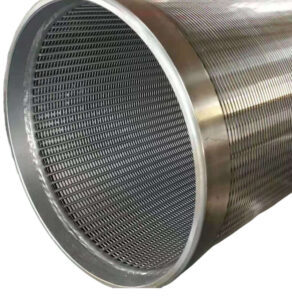
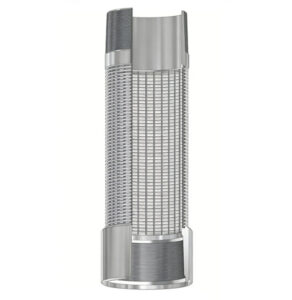
To grasp how to safeguard your well, start by explaining the basic tool. Modern water bore screens, especially the continuous-slot wedge wire or Johnson-style types, are carefully built filtering parts. The implementation of wedge wire screen technology ensures the structural integrity and efficiency of these components. Unlike rudimentary perforated pipes, high-performance well screens feature a precision-engineered cold-rolled V-shaped profile wire helically wrapped around.
The way this design operates comes from its shape. The V form makes a trapezoidal opening that stays narrow on the outer side and broadens inside. This special setup lets the screen block the rock layers of the aquifer. At the same time, it lets water enter the well without trouble. With an exact slot size, the screen builds a natural layer of rough gravel near the borehole. This layer stops fine sand effectively. It also boosts water flow smoothness.
Why is sand infiltration so destructive for your property?
Sand entering a borehole brings quick and expensive problems. Abrasive sand particles act as a grinding medium, rapidly accelerating the wear and tear of submersible pump components. This wearing process often demands part swaps. It raises the running expenses a lot.
Equipment harm is just one issue from sand entry. It also harms water clarity badly. Cloudy or gritty water fails for home pipes. Such water blocks taps and hurts machines. For farming uses, sand clogs spray heads and slow-drip lines. This leads to uneven plant watering. In factory operations, dirt particles spoil work steps and harm delicate filter setups. The worst risk comes from removing too much sand. It forms big empty spaces underground. As time passes, the ground support fades. This shift in aquifer layers can topple the whole wellbore. Such a drop is permanent and a total disaster.
How do different types of well screens prevent clogging?
Choosing the right model among various types of well screens matters a great deal.For those looking into wedge wire screen wholesale options, understanding the technical specifications is crucial to avoid long-term maintenance issues.It helps avoid “blinding,”where sediment blocks the screen. Screening methods have grown from plain drilled pipes to advanced wedge wire options.
| Feature | Perforated/Slotted Pipe | BTOSLOT Wedge Wire Screen |
| Slot Geometry | Parallel or straight-cut | V-shaped (tapered) |
| Open Area Percentage | 5% – 12% | Up to 60% |
| Clogging Resistance | High risk of particle bridging | Naturally self-cleaning |
| Mechanical Strength | Limited by wall thickness | High (Customizable rod/wire) |
| Hydraulic Loss | High due to turbulence | Negligible (Laminar flow support) |
The wedge wire water well screen’s top benefit lies in its anti-clogging feature. The slot opens wider on the inner side. Particles that fit through the outer space go all the way through. They do not lodge in place. Plus, the large open space cuts down on water entry pushback. This drops the water’s speed at entry points. Lower speed means less pull on the sand toward the screen. As a result, water output stays high. Pump power use falls too.
What factors should you consider when selecting water bore screens?
Expert planning needs a clear view of local conditions. Start the choice with a sieve check on the aquifer soil. This test measures particle sizes in the ground. Experts then pick slot sizes for the water well screen. Selecting a high-quality wedge wire well screen at this stage ensures that the slot dimensions are precise enough for the specific aquifer profile.The goal is to hold back about 90% of the ground material. It also lets the smallest bits wash out during setup cleaning.
Strength and build material count just as much. Water makeup decides if a job needs basic SS304 or better rust protection from SS316L. In tough spots or deep pulls with salts and acids, special builds like 2205 Duplex or Super Duplex stainless steel come into play. These stop pit damage and stress breaks from rust. Last, figure the bore screen’s build toughness. It must handle the Earth’s squeezing pressure and pull during fitting.
Conclusion
Groundwater handling boils down to smart choices in tools. A top stainless steel wedge wire screen mixes exact particle trapping with smooth water movement. At BTOSLOT, projects in city and factory work show this clearly. The price of a fine water well screen is small compared to fixing a broken one. Put money into solid types of well screens now. Your land gains pure, sand-clear water for years ahead. For new deep-well builds or updates to old systems, focus on water bore screen quality. It forms the base for lasting bore wellness.
FAQ:
Q:Why does a high open area in a water well screen reduce energy costs?
A:A large open space in a water well screen lets water flow into the borehole with little pushback. This cuts the drawdown, or the gap between still and pumped water heights. The pump operates with reduced head loss, significantly lowering long-term energy consumption.
Q:What is the lifespan of a BTOSLOT water bore screen compared to plastic versions?
A:A BTOSLOT stainless steel screen often lasts 3-5 times longer than a plastic or cheap steel screen. We follow ISO9001 standards in making them. Materials such as 316L stand up to rust and wear for many years. Even tough underground spots do not shorten their run.
Q:How do I choose between different types of well screens for deep-well intake?
A:Deep-well jobs put collapse strength first. Pick a water bore screen with extra-strong support rods and heavier profile wires. Our experts suggest a tailored wedge wire build. It matches the needed slot accuracy with build solidity for high-pressure ground.
Q:Can a water well screen prevent chemical scaling and biofouling?
A:No screen fully escapes water chemistry effects. Yet, the even surface of a stainless steel water well screen helps. Flow through V-shaped slots stays smooth without swirls. This slows mineral buildup and germ layers versus bumpy drilled faces. Cleaning with chemicals works better and is easier.
Q:Why is 316L stainless steel preferred for industrial water bore screens?
A:316L has molybdenum added. This gives better guard against salts and pit rust than 304 stainless steel. In factory zones or near shores, groundwater may carry more salt or runoff chemicals. 316L water bore screens avoid early breaks from eating away at the structure.
Recent Post
Related Products
Best-selling Products
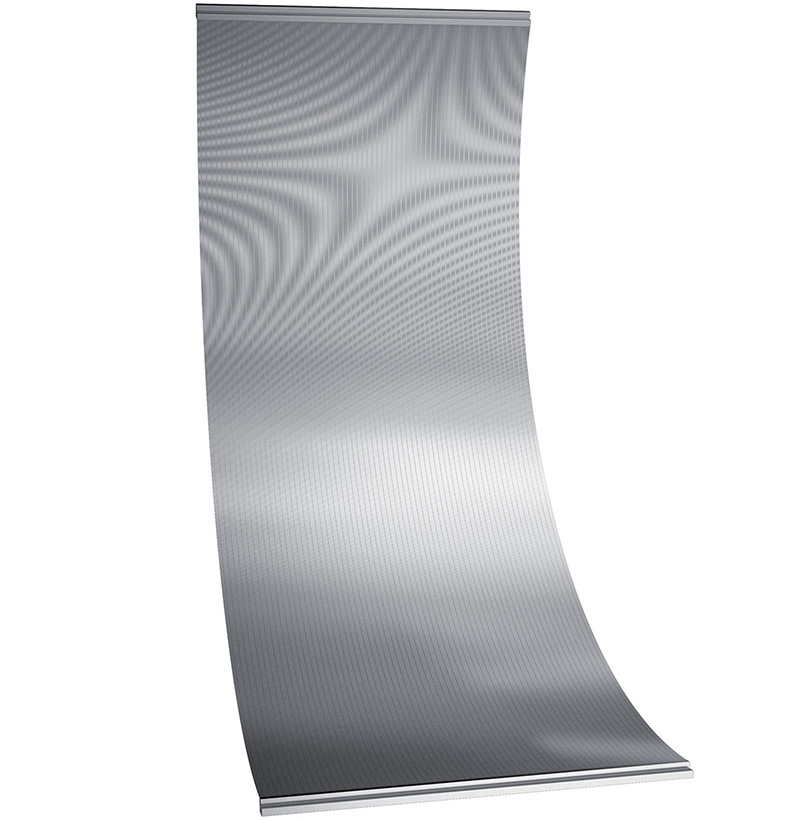
Starch Screen
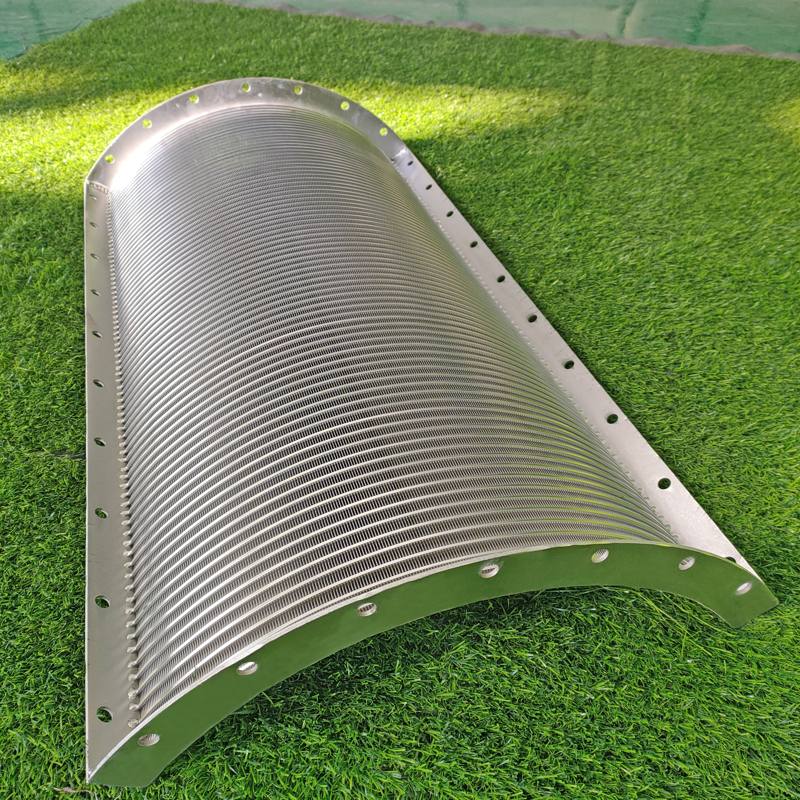
The Wedge Wire Starch Curved Screen is a curved screening device specifically designed for the starch industry. It features an arc-shaped screen surface made of precisely welded V-profile stainless steel wires, utilizing centrifugal force or gravity to achieve rapid dewatering and classification of starch slurry. Its curved structure prolongs slurry retention time, improving solid-liquid separation efficiency. It is suitable for starch extraction, refining, and byproduct recovery processes for starches such as potato, corn, and cassava. Characterized by efficient screening, wear and clogging resistance, and easy maintenance, this equipment is a key solid-liquid separation device in modern starch processing.
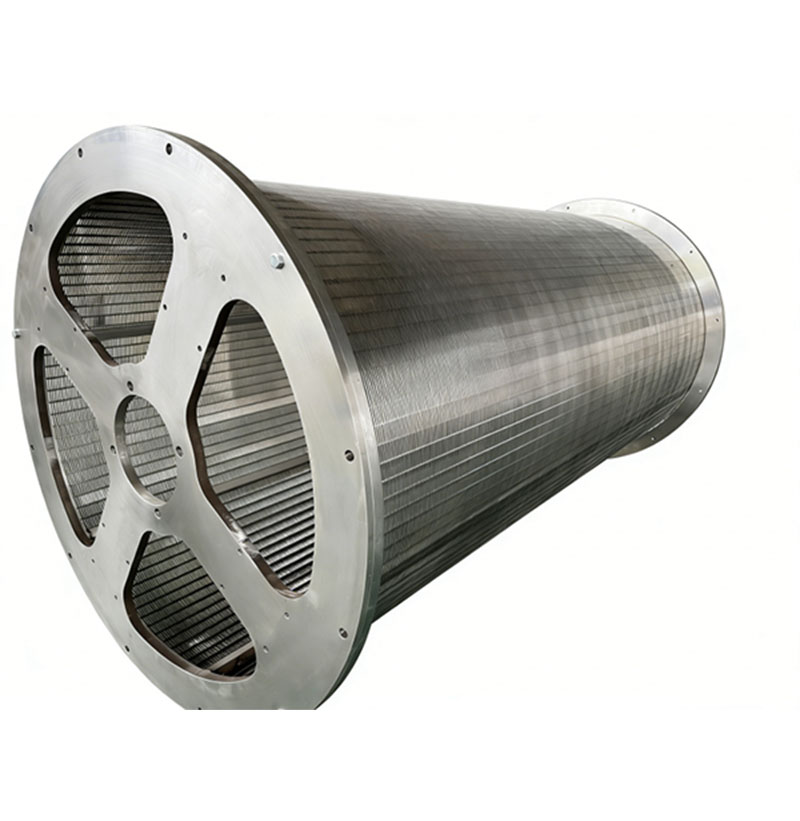
Rotary Drum
The Stainless Steel Wedge Wire Rotary Drum Screen (also known as a Rotary Drum Strainer or Micro-Screen) is a continuously and automatically operating front-end solid-liquid separation device. Its core component is a large cylindrical drum installed horizontally or at a slight incline. The entire circumferential surface of the drum is covered with a stainless steel wedge wire screen (Johnson screen). The wastewater to be treated flows into one end of the drum. Under gravity, the filtrate passes through the wedge wire slots, while solid suspended matter (such as fibers, hair, plastic pieces, and fine particles) is retained on the inner surface of the drum. As the drum rotates slowly, the retained debris is lifted to the top, where it is flushed by spray water into a collection trough, achieving a continuous process of automatic screening, filtration, and residue removal
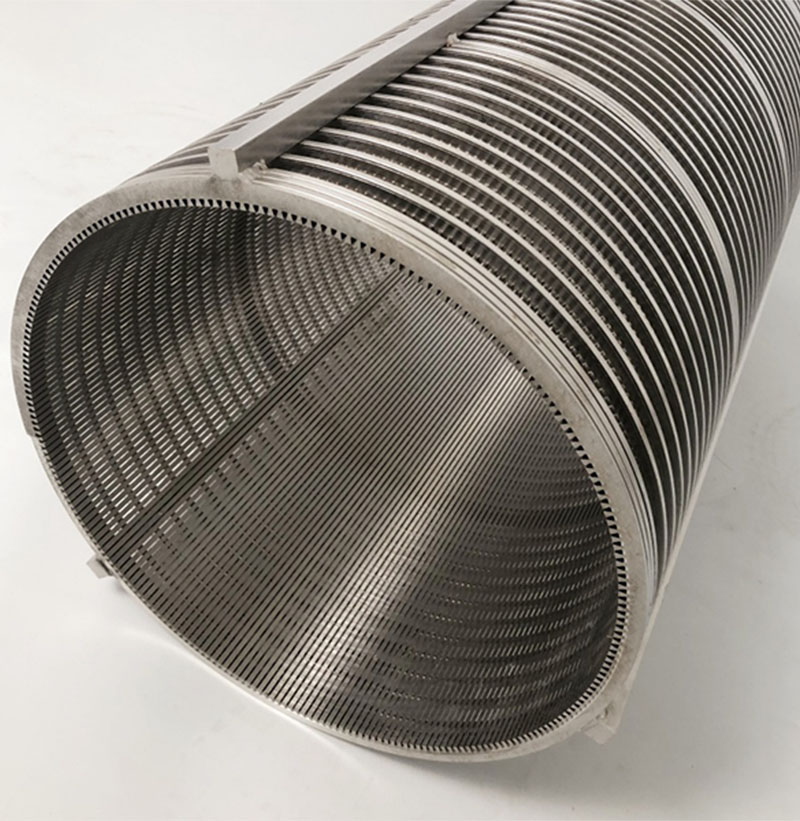
Screen Basket for Screw Press Separator
The stainless steel wedge wire screen basket, commonly known as the "V-wire screen," "press screen basket," or "screen cylinder," is a core component of screw press solid-liquid separators. It is installed inside the spiral press, enclosing the rotating screw shaft. The working principle is as follows: raw slurry with high moisture content is pushed into the screen basket by the screw shaft. Under the squeezing and conveying action of the spiral flights, the liquid (filtrate) is forced out through the precise, continuous slots of the screen basket, while the solid material (manure cake) is retained inside and continues to be compressed and dewatered as it moves forward. Finally, the dewatered solids are discharged from the outlet, achieving solid-liquid separation.
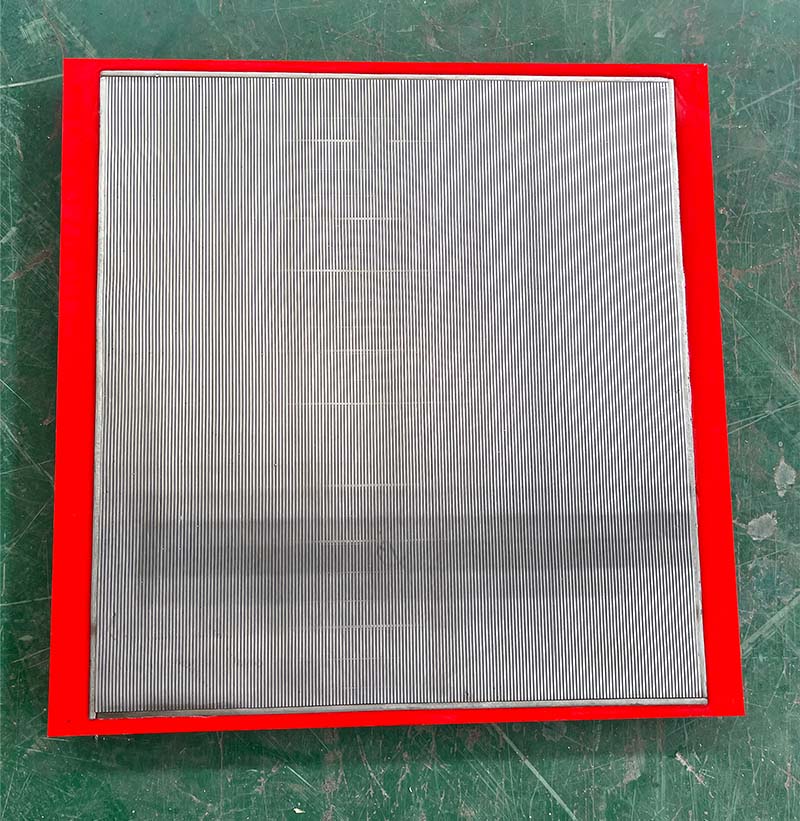
Wedge Wire Vibrating Screen
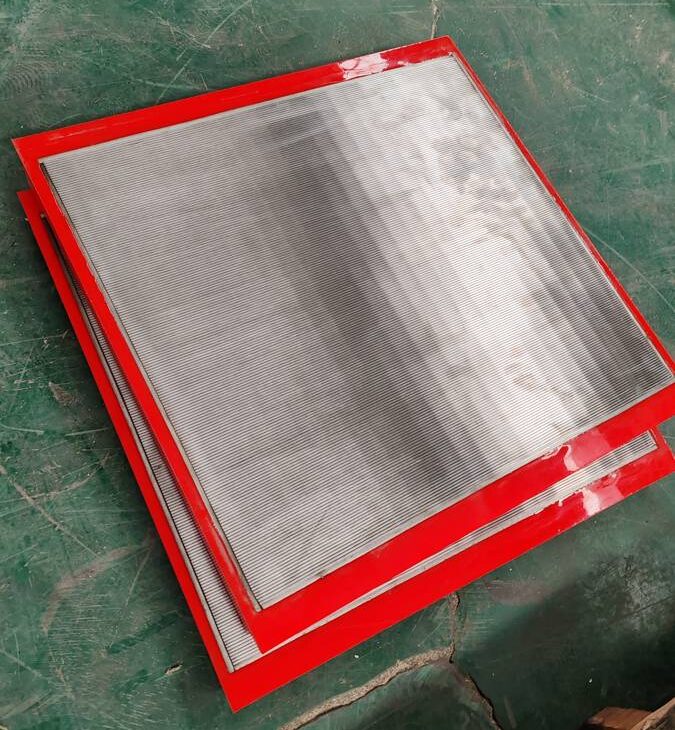
A stainless steel wedge wire vibrating screen is a solid-liquid separation device featuring a screen surface made by precisely welding V-shaped stainless steel wires, integrated with a high-frequency vibration system. With uniform slots, wear resistance, and corrosion resistance, it is suitable for wet screening and dewatering operations. The vibration mechanism enables rapid material dispersion and efficient sieving while effectively preventing screen clogging. Widely used in industries such as mining, metallurgy, food processing, and environmental protection, it is particularly suitable for handling fine particles, high-viscosity, or easily agglomerated materials, offering advantages such as high screening accuracy, large processing capacity, and long service life.
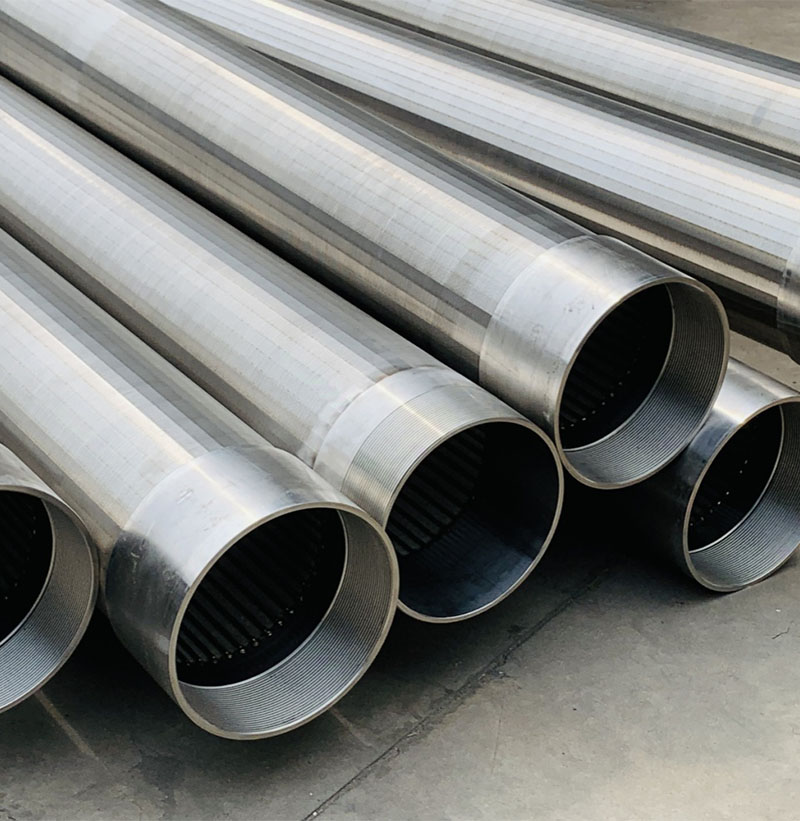
Wedge Wire Water Well Screen
Johnson Deep Water Well Screens, also referred to as continuous slot screens or wire wrap screens, were originally developed to solve sand control challenges in fine-grained and uniform sand formations. These geological conditions are commonly encountered in deep groundwater aquifers, where conventional perforated pipes often suffer from clogging, excessive sand production, and reduced well efficiency.
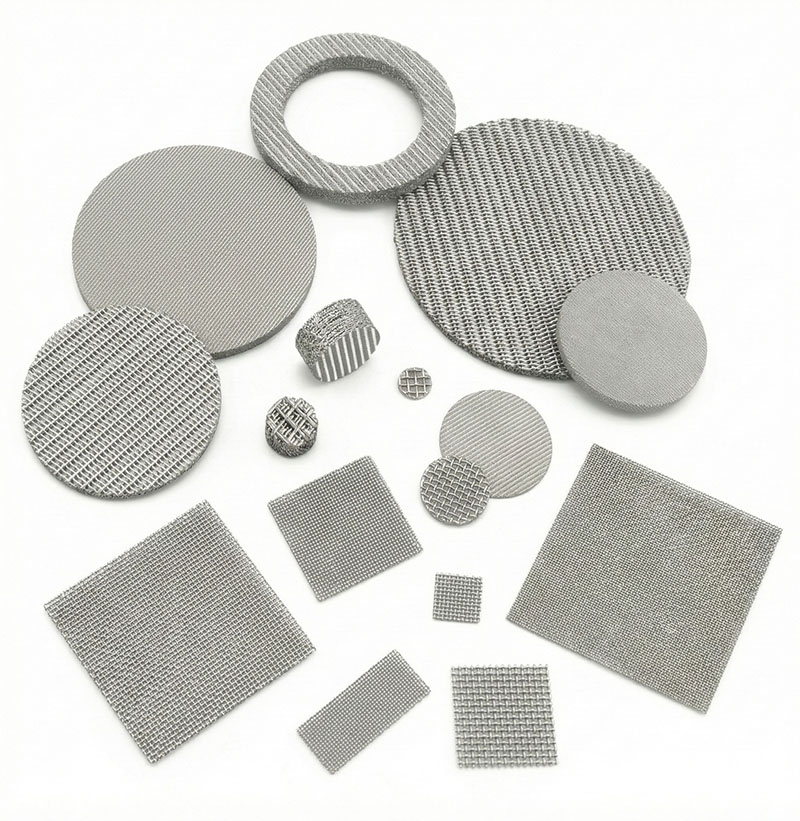
Sintered Mesh Plate and Disc
Sintered Mesh Plates and Discs are high-precision filtration components fabricated by bonding multiple layers of stainless steel wire mesh through a specialized vacuum sintering process. Unlike traditional mesh that relies on mechanical weaving alone, these plates are fused at every contact point, transforming individual wires into a rigid, integrated porous metal sheet.
These plates can be customized into various shapes, most commonly circular discs, to fit specific industrial equipment. They offer an ideal balance of high permeability, extreme structural integrity, and precise filtration ratings. Because they are made entirely of metal (typically 304 or 316L), they provide a "permanent" filtration solution that can withstand high temperatures and corrosive chemicals while remaining fully cleanable and reusable.