
ABOUT US
Your Expert Manufacturer of Wedge Wire Screens;
Your Reliable Partner and Source of Innovation
GET A FREE QUOTE
-
Home

-
Blog
-
Industry Blog
- How to Choose a Wedge Wire Interstage Screen for System Efficiency
How to Choose a Wedge Wire Interstage Screen for System Efficiency
-
 author
 - 18,June
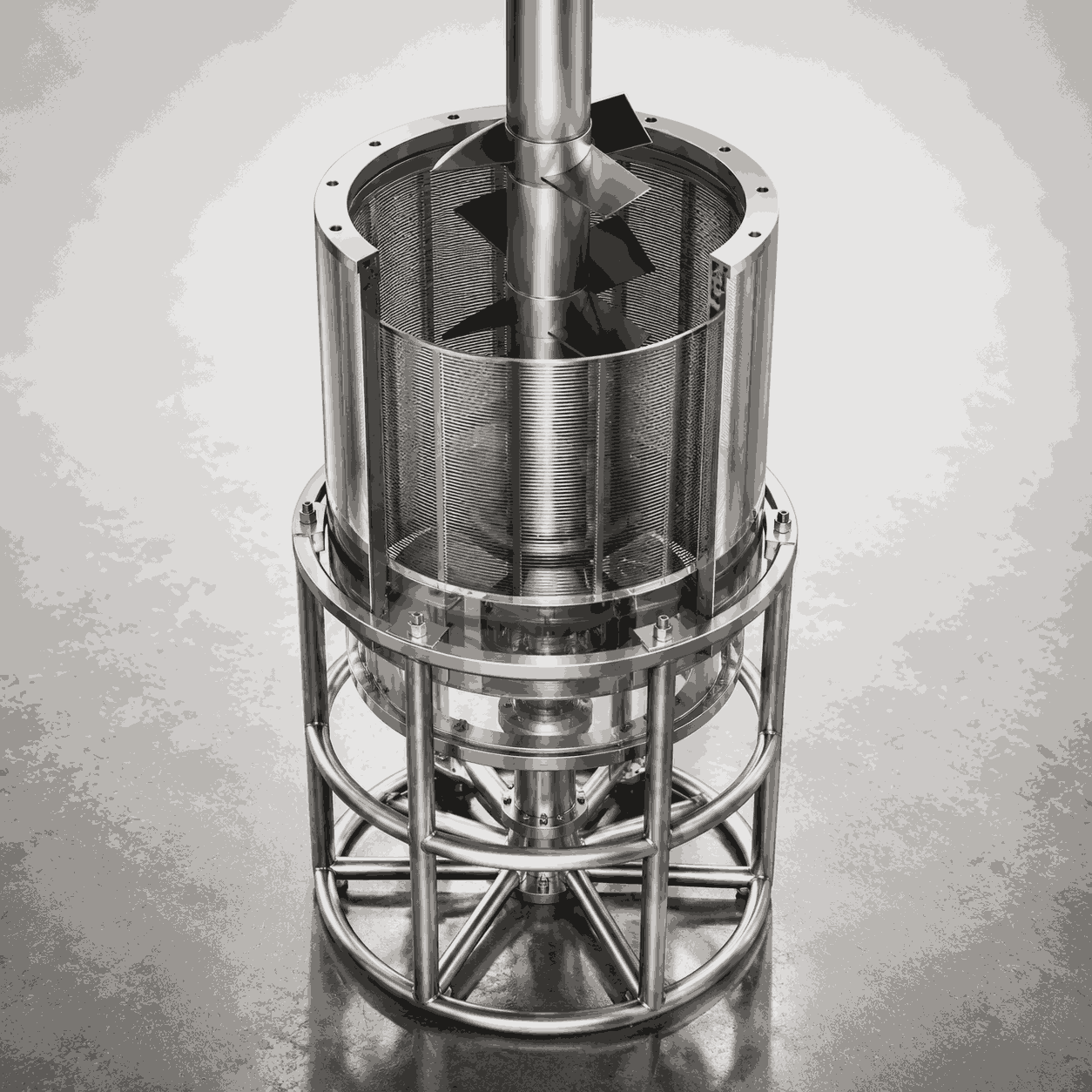
Inside modern mineral processing facilities, and particularly throughout gold extraction circuits, the steady separation between consecutive adsorption stages frequently dictates how smoothly the entire facility operates.
In non-stop industrial processing environments where production lines almost never come to a halt, the absolute reliability of every single interstage screen changes from a theoretical design concept into a pressing, daily practical worry. Because of this reality, a well-built CIP interstage screen or a dedicated CIL interstage screen is not just a basic piece of filtering mesh. It functions as a fundamental structural pillar of overall process stability, supporting the entire sequential adsorption chain while under relentless slurry pressure and harsh chemical exposure over extended operating campaigns. Collaborating with highly capable, experienced manufacturers like BTOSLOT stands out as a vital step toward locking in long-term operational dependability.
Why System Efficiency Depends on Interstage Screen Design
Overall system efficiency within modern CIP and CIL facilities is quite frequently misunderstood as being nothing more than raw fluid throughput. In actual practice, true efficiency is a multi-layered combination of steady hydraulic flow patterns, exceptionally precise phase separation, and completely uninterrupted mechanical operation. A wedge wire interstage screen plays a direct, hands-on role in securing every single one of these processing goals.
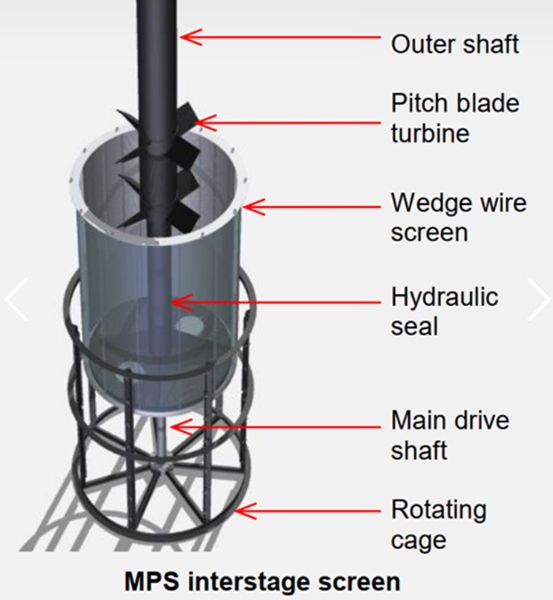
Inside active adsorption circuits, the mineral slurry and the activated carbon granules are forced to travel in totally opposite directions at the exact same time. If the installed screen fails to maintain a clean, stable physical boundary between these two phases, the carbon particles will inevitably escape into the wrong tank. A properly manufactured CIP interstage screen ensures that the step-by-step carbon transfer remains tightly regulated and smooth.
What Determines the Performance of a Wedge Wire Interstage Screen
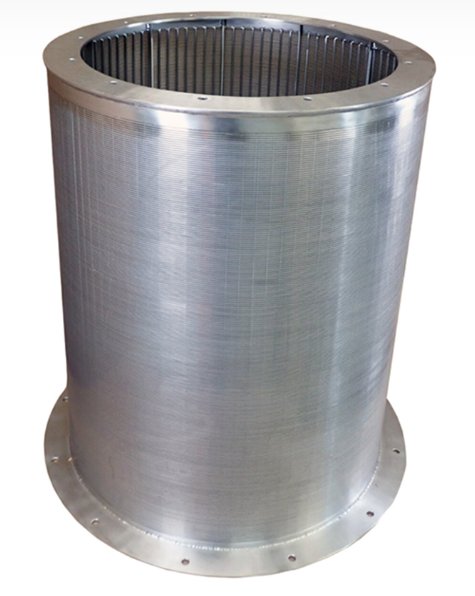
The field performance of a wedge wire interstage screen is primarily decided by its hidden internal engineering characteristics rather than what it looks like from the outside. One of the most vital components is the unique, V-shaped profile of the individual wires. This specialized structural arrangement creates non-stop, continuous slot openings that are much tighter on the forward-facing side and gradually widen toward the back. This specific shape helps drastically minimize particle entrapment while keeping fluid flow rates highly consistent during heavy use.
The absolute precision of the slot width is another make-or-break variable. In almost every industrial mining setup, this physical opening is carefully matched to the precise grain size of the activated carbon being used, usually keeping within a highly restricted operational tolerance. If the slot width is fabricated just a tiny bit too narrow, the rate of screen blinding and clogging will begin to climb rapidly.
Raw material selection also dictates whether a screen will achieve long-term field reliability or fail prematurely. High-quality stainless steel grades like 304 and 316L are heavily relied upon across the mining industry because they can easily fight off rust while maintaining excellent physical strength under a non-stop barrage of moving slurry.
Technical Configuration and Design Comparison
| Screen Type | Slot Size Range | Material | Open Area | Application Focus |
| Wedge Wire Interstage Screen | 0.6–1.2 mm | 304 / 316L | 25%–35% | General adsorption systems |
| CIP / CIL Interstage Screen | 0.6–1.2 mm | 304 / 316L / Duplex Steel | 25%–35% | Carbon transfer in gold leaching circuits |
| Heavy Duty Interstage Screen | 0.5–1.0 mm | Duplex Steel | 20%–30% | High wear / high solid slurry conditions |
| Reinforced Interstage Screen | 0.6–0.8 mm | Duplex Steel | 20%–30% | Fine slurry & high abrasion environments |
These distinct physical variations are far more than just minor technical details on a spec sheet. They mirror the exact ways that mineral slurry acts differently from one system to the next. A screen design that works beautifully in one specific processing plant might fail completely in a neighboring facility if the local operating conditions shift even a little bit.
How Operating Conditions Influence Screen Selection
Out in the real world of industrial mineral processing, no two mining operations ever run in the exact same manner.
In typical CIP networks, the main engineering priority centers around maintaining a completely unbroken, steady movement of carbon while ruthlessly eliminating any operational pauses during the adsorption phase.
The overall volumetric flow rate of the plant also plays an incredibly vital role during the selection process. Mining operations with massive daily processing capacities require screens with a much higher percentage of open area. This trait prevents dangerous fluid pressure from building up between adjacent tanks. However, expanding the total open area too far will inevitably rob the screen of its structural rigidity. Because of this trade-off, the final engineering blueprint must always find a safe equilibrium between hydraulic flow efficiency and raw mechanical strength.
Real System Behavior in Industrial Operation
On the floor of an actual operational processing site, the true value of an interstage screen is always judged by looking at total system behavior rather than relying on clean, isolated laboratory test results. When every component is performing exactly as intended, the counter-current carbon movement remains flawlessly smooth, and the slurry density values stay uniform across the entire tank array.
When the performance of a screen slowly begins to degrade, the changes are almost always slow and sneaky rather than sudden or dramatic. At first, plant operators might only spot minor, periodic dips in overall adsorption efficiency. They may also see small, puzzling variations in daily recovery numbers. If these subtle warning flags are ignored by the site crew, those tiny initial anomalies will inevitably grow into severe operational blockages and costly system failures down the road.
Practical field experience from inside heavy industrial workshops and remote mining sites teaches us an important lesson: maintaining flawless manufacturing precision is infinitely more valuable than adding unnecessary complexity to the screen design. A cleanly built, structurally stable wedge wire interstage screen will regularly beat out overly complex or experimental designs when subjected to the harsh realities of long-term, non-stop industrial processing.
Conclusion
The specialized wedge wire interstage screen serves as an absolutely essential component for maintaining top-tier separation efficiency and flawless carbon transfer stability within both CIP and CIL recovery systems. Every single detail—from its structural layout and wire profiles to raw material grades and hydraulic behavior—adds up to directly dictate the overall financial success of the extraction plant.
In real-world gold mining operations, high efficiency is almost never won through a single, isolated equipment upgrade. Instead, it is the direct reward of a balanced, well-coordinated system design. A precisely engineered interstage screen guarantees that every individual phase of the extraction process stays perfectly synchronized and stable under constant volumetric loads.
FAQ
How does a wedge wire interstage screen improve CIP interstage screen operation in real plants
A precisely fabricated wedge wire interstage screen enables a heavy-duty CIP interstage screen setup to maintain completely steady, highly regulated carbon movement as material travels from one tank to the next. By drastically reducing carbon abrasion and keeping phase separation reliable, it helps plant operators achieve far more predictable and stable gold adsorption results during non-stop production runs.
What slot size is normally used in a CIL interstage screen system
A wedge wire interstage screen built for a demanding CIL interstage screen installation will typically feature accurate slot widths anywhere between 0.6 mm and 1.0 mm. The absolute final size choice depends on a variety of local plant factors, including the thickness of the mineral slurry, the size distribution of the carbon granules, and the specific chemical concentration within the leaching tanks.
Why does an interstage screen affect gold recovery efficiency
An interstage screen serves as the primary mechanical checkpoint that governs how carbon granules and liquid slurry are divided inside the tanks. If this separation process becomes unstable or fails, it causes immediate carbon leakage or highly uneven carbon distribution across the circuit. This failure directly lowers the overall adsorption efficiency of the plant and damages the predictability of final gold recovery yields.
What material performs best in wedge wire interstage screen applications
A high-performance wedge wire interstage screen is most frequently manufactured using premium 316L stainless steel. This specific metal alloy provides an exceptional, field-proven balance of long-term corrosion resistance and excellent mechanical durability, which allows it to thrive in tough CIP and CIL environments where screens are subjected to non-stop slurry friction.
Recent Post
Related Products
Best-selling Products
Starch Screen
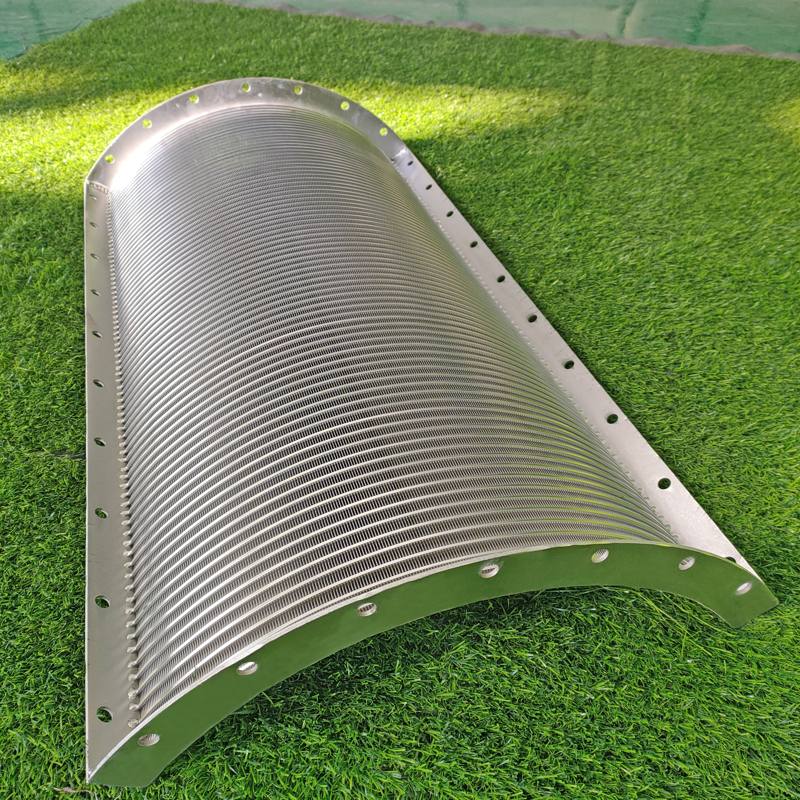
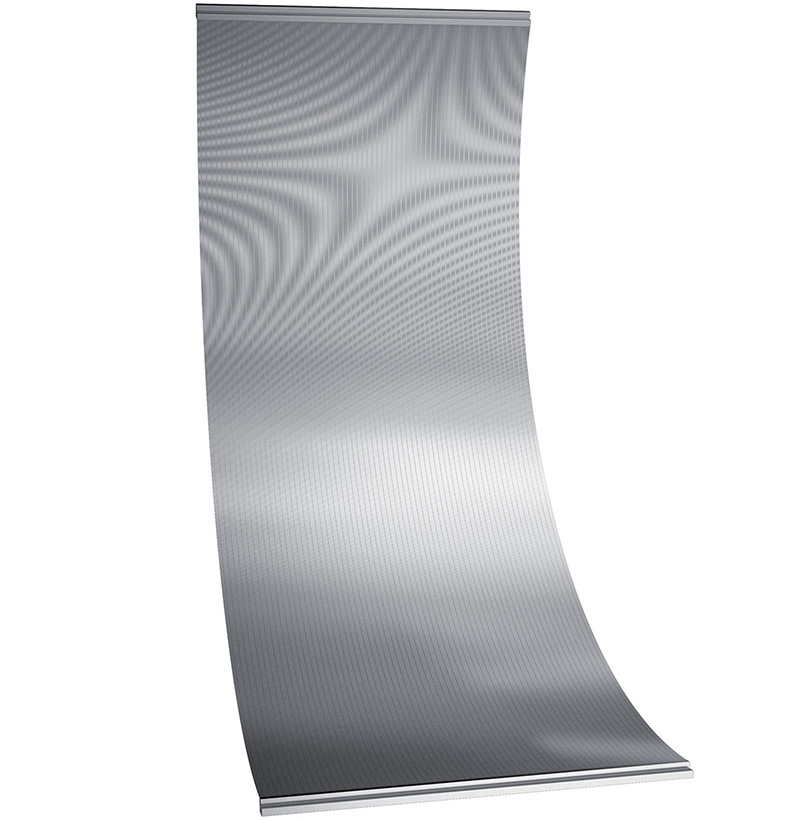
The Wedge Wire Starch Curved Screen is a curved screening device specifically designed for the starch industry. It features an arc-shaped screen surface made of precisely welded V-profile stainless steel wires, utilizing centrifugal force or gravity to achieve rapid dewatering and classification of starch slurry. Its curved structure prolongs slurry retention time, improving solid-liquid separation efficiency. It is suitable for starch extraction, refining, and byproduct recovery processes for starches such as potato, corn, and cassava. Characterized by efficient screening, wear and clogging resistance, and easy maintenance, this equipment is a key solid-liquid separation device in modern starch processing.
Rotary Drum
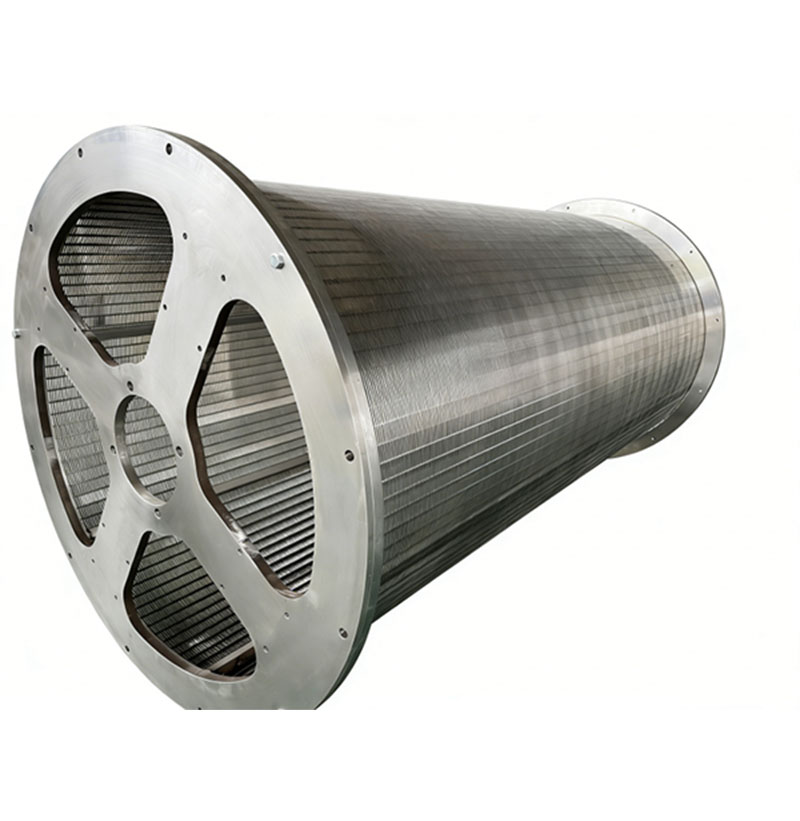
The Stainless Steel Wedge Wire Rotary Drum Screen (also known as a Rotary Drum Strainer or Micro-Screen) is a continuously and automatically operating front-end solid-liquid separation device. Its core component is a large cylindrical drum installed horizontally or at a slight incline. The entire circumferential surface of the drum is covered with a stainless steel wedge wire screen (Johnson screen). The wastewater to be treated flows into one end of the drum. Under gravity, the filtrate passes through the wedge wire slots, while solid suspended matter (such as fibers, hair, plastic pieces, and fine particles) is retained on the inner surface of the drum. As the drum rotates slowly, the retained debris is lifted to the top, where it is flushed by spray water into a collection trough, achieving a continuous process of automatic screening, filtration, and residue removal
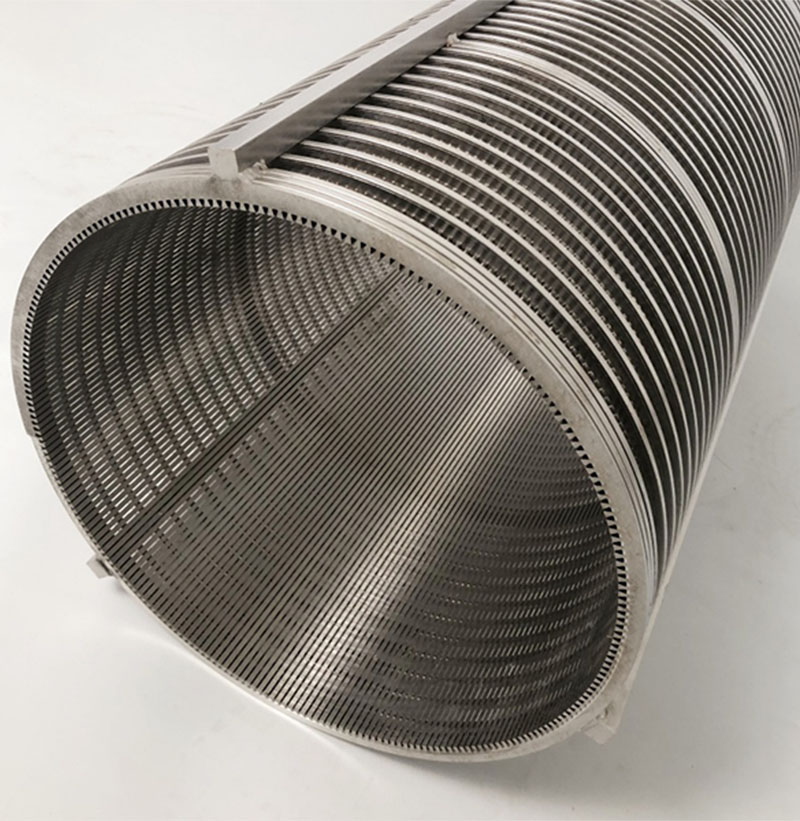
Screen Basket for Screw Press Separator
The stainless steel wedge wire screen basket, commonly known as the "V-wire screen," "press screen basket," or "screen cylinder," is a core component of screw press solid-liquid separators. It is installed inside the spiral press, enclosing the rotating screw shaft. The working principle is as follows: raw slurry with high moisture content is pushed into the screen basket by the screw shaft. Under the squeezing and conveying action of the spiral flights, the liquid (filtrate) is forced out through the precise, continuous slots of the screen basket, while the solid material (manure cake) is retained inside and continues to be compressed and dewatered as it moves forward. Finally, the dewatered solids are discharged from the outlet, achieving solid-liquid separation.
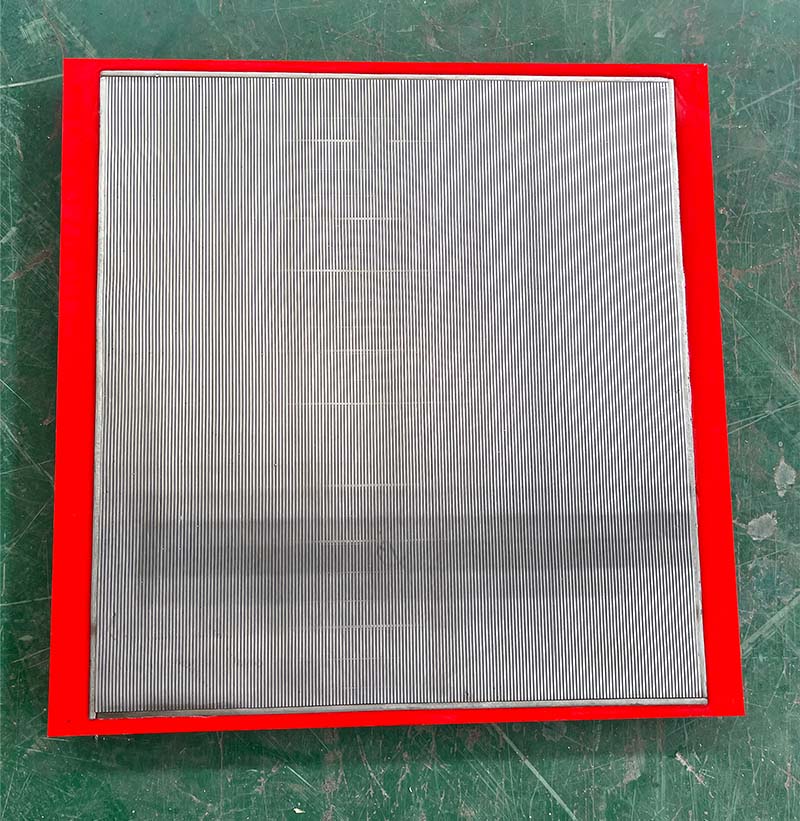
Wedge Wire Vibrating Screen
A stainless steel wedge wire vibrating screen is a solid-liquid separation device featuring a screen surface made by precisely welding V-shaped stainless steel wires, integrated with a high-frequency vibration system. With uniform slots, wear resistance, and corrosion resistance, it is suitable for wet screening and dewatering operations. The vibration mechanism enables rapid material dispersion and efficient sieving while effectively preventing screen clogging. Widely used in industries such as mining, metallurgy, food processing, and environmental protection, it is particularly suitable for handling fine particles, high-viscosity, or easily agglomerated materials, offering advantages such as high screening accuracy, large processing capacity, and long service life.
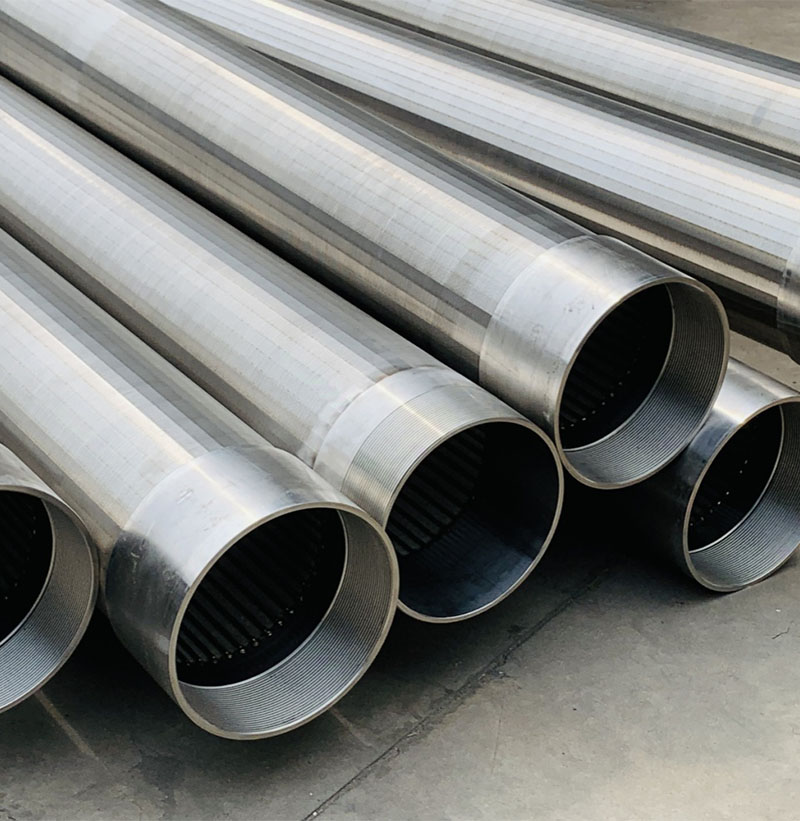
Wedge Wire Water Well Screen
Johnson Deep Water Well Screens, also referred to as continuous slot screens or wire wrap screens, were originally developed to solve sand control challenges in fine-grained and uniform sand formations. These geological conditions are commonly encountered in deep groundwater aquifers, where conventional perforated pipes often suffer from clogging, excessive sand production, and reduced well efficiency.
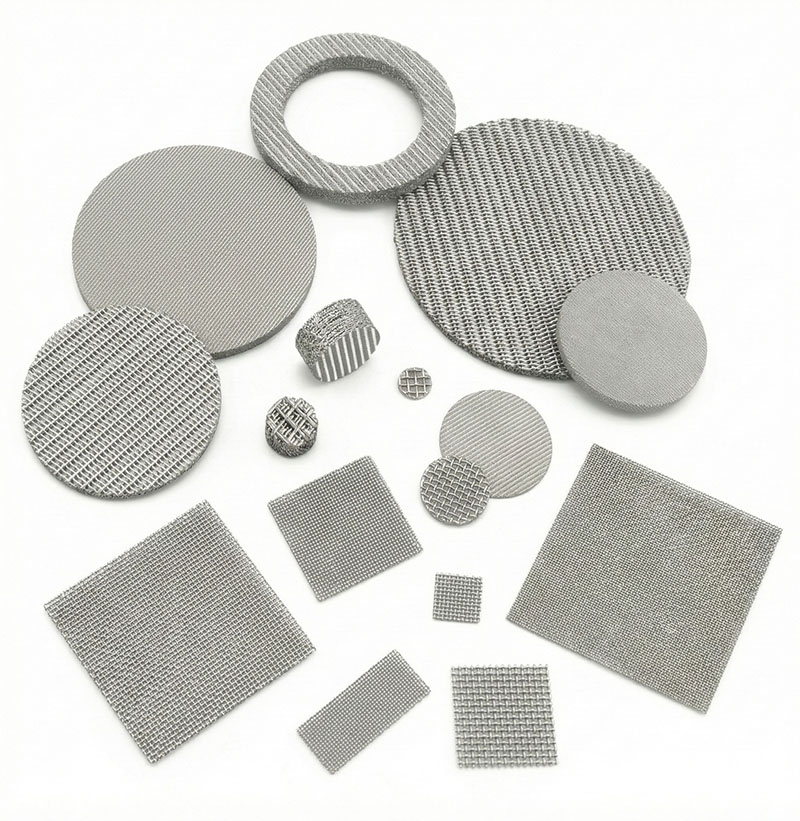
Sintered Mesh Plate and Disc
Sintered Mesh Plates and Discs are high-precision filtration components fabricated by bonding multiple layers of stainless steel wire mesh through a specialized vacuum sintering process. Unlike traditional mesh that relies on mechanical weaving alone, these plates are fused at every contact point, transforming individual wires into a rigid, integrated porous metal sheet.
These plates can be customized into various shapes, most commonly circular discs, to fit specific industrial equipment. They offer an ideal balance of high permeability, extreme structural integrity, and precise filtration ratings. Because they are made entirely of metal (typically 304 or 316L), they provide a "permanent" filtration solution that can withstand high temperatures and corrosive chemicals while remaining fully cleanable and reusable.