
ABOUT US
Your Expert Manufacturer of Wedge Wire Screens;
Your Reliable Partner and Source of Innovation
GET A FREE QUOTE
-
Home

-
Blog
-
Industry Blog
- How Sieve Bend Screens Classify Mineral Slurry
How Sieve Bend Screens Classify Mineral Slurry
-
 author
- 22,October
Sometimes, a mineral plant must take out free water. It also needs to divide a slurry before the next step. A sieve bend handles both tasks quickly within a small space. You might wonder how this equipment works. Its curved shape, feed angle, and slot size play key roles. Together, they change a fast slurry flow into a clean undersize stream. Most importantly, this process saves your valuable solids.
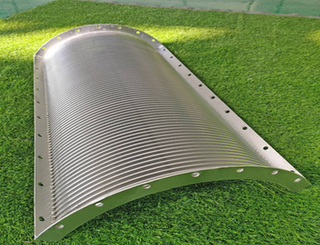
The separation action happens at the curved surface
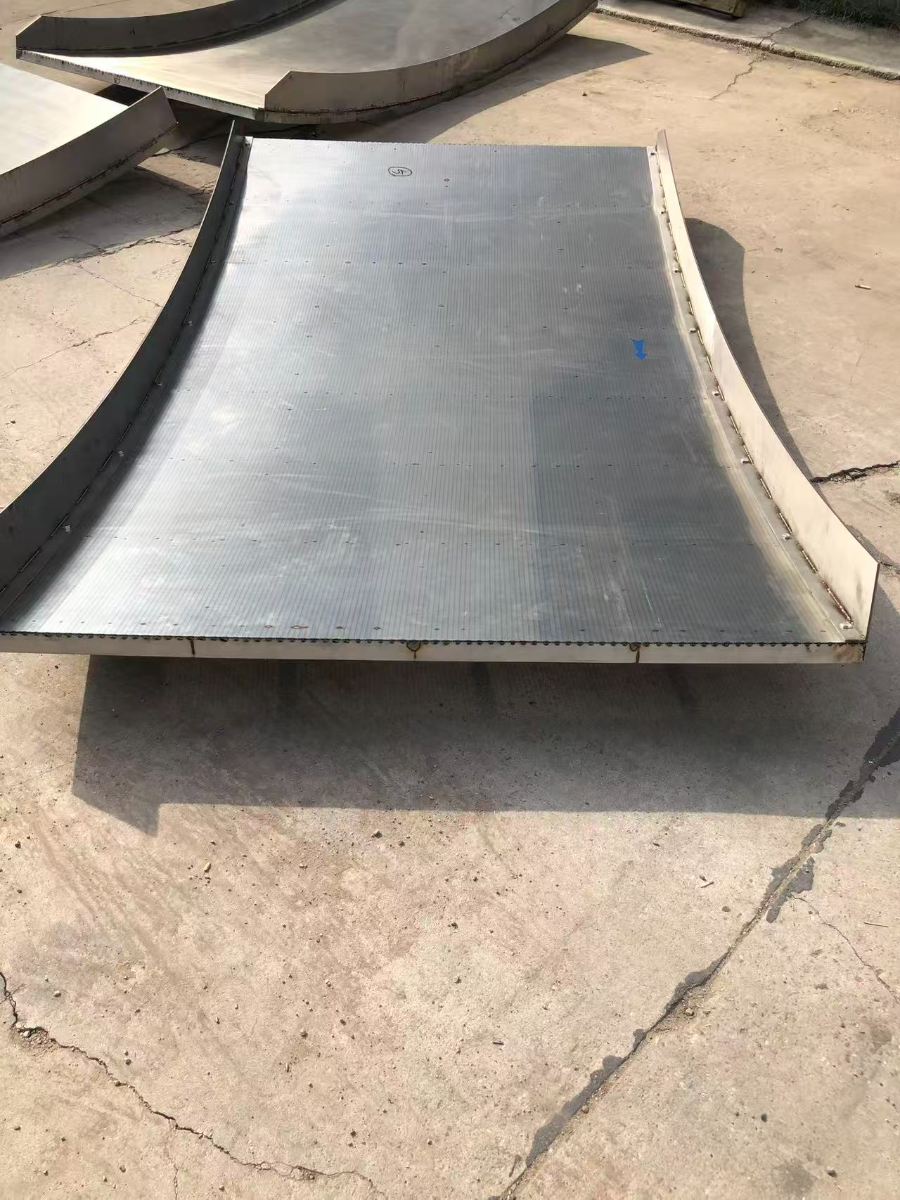
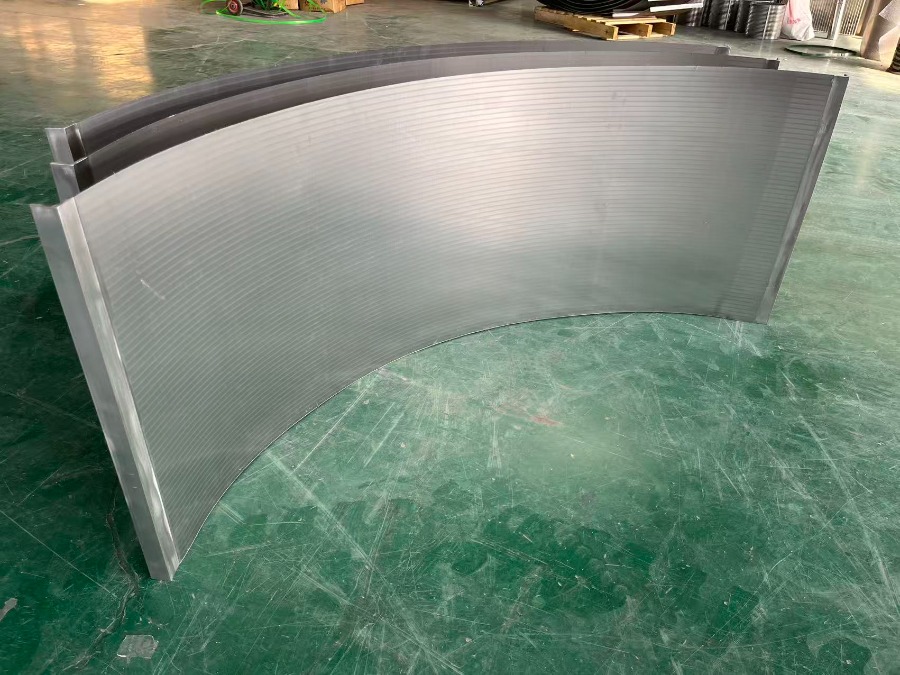
A sieve bend screen relies on the speed of the incoming feed. It does not use a shaking deck. The slurry flows in at an angle. Then, it moves along the curved wedge wire face. Soon, the mixture hits a series of thin slots. Water and tiny pieces fall through the gaps as undersize. Meanwhile, the bigger chunks travel down toward the bottom edge.
This curved shape is very important. It keeps the working angle steady across the whole screen. Separation does not just happen at one flat spot. Furthermore, a continuous sieve bend screen surface offers a very smooth path. Because of this, the flowing mixture finds fewer bumps. Therefore, sticky clay and heavy materials will not build up easily.
Ultimately, you get a very quick early separation step. This action lowers the amount of water and fine dirt going to your thickener, dewatering screen, or pump. The real benefit comes from using the feed energy well. You should never treat this equipment like a basic mesh panel. Inside a mineral slurry separation circuit, this brief step offers another bonus. It helps keep the material density stable for the next machine in line.
What controls the cut point in mineral processing
Several different factors work together to set the actual cut point. The slot width is the most obvious detail. However, other things matter just as much. These include feed pressure, slurry thickness, and particle shape. The screen radius and the width of the working area are also vital. All these details control how long the particles touch the gaps.
Feed conditions shape the result
A watery flow moves very fast. It will push more fine dust through the gaps. On the other hand, a thick flow creates a heavy layer on top. This heavy layer holds back more pieces, but it slows down the water drainage. Plant workers must test the equipment under steady flow and solid levels. Otherwise, they might confuse a simple feed change with a real drop in screen performance.
Slot choice balances recovery and flow
The best slot size hits your separation goal perfectly. At the same time, it leaves plenty of open space for the water to escape. A tiny gap makes the sorting process much sharper. However, it increases the chance of plugging if you have sticky clay or clumped dirt. Conversely, a bigger gap boosts your total flow rate. The downside is that it might let too many valuable solids fall into the undersize pile.
| Variable | Main effect | Useful observation |
|---|---|---|
| Slot opening | Cut point and fine dirt passage | Check undersize density and lost solids |
| Screen width | Open flow space | Look for a smooth liquid layer across the front |
| Radius and angle | Touch time and flow speed | Watch the output spread along the curve |
| Solids thickness | Fluid layer depth and water drainage | Note the density at the input box |
Why pre-dewatering changes the downstream circuit
Early water removal is highly effective. It pulls out loose liquid before the flow reaches sensitive downstream machines. Some machines struggle with too much volume or extra water. A cleaner and thicker flow lowers the fluid stress on your thickener. Consequently, it makes the following classification step much simpler to manage.
This exact situation is where a strong screening in mineral processing surface proves its worth. BTOSLOT builds tough, welded stainless steel wedge wire screens. These items feature precise slots and very firm supports. Because of this strong design, you can match the panel directly to your specific mineral task. You do not have to rely on a basic mesh size alone.
You must always judge the screen by looking at the entire plant circuit. Sometimes, the undersize flow holds too much good mineral. If this happens, do not change the slot size right away. Instead, try fixing the feed spread or the fluid thickness first. On the other hand, the oversize chunks might stay too wet. In that case, you need to check the holding time and the bottom exit setup. They are just as important as the gap size.
Checks that make a sieve bend predictable
Starting up a new system is quite simple if you test early. You should collect your first samples from the main feed and both exit points. By comparing these test cups, you learn a lot. The results will show if a pressure change actually helped the sorting process. Sometimes, a pressure shift just forces more dust into the bottom stream without real benefit.
The input box needs to share the slurry evenly across the whole working width. You must avoid any empty corners. A tight, fast spray of liquid will overwhelm just one side of the curve. This creates a messy, wet line down the metal. As a result, the equipment might look too small for the job, even if the total surface area is perfectly fine.
Washing schedules must depend on the actual dirt, not a strict calendar. Flows packed with sticky clay usually need a quick wash between worker shifts. Conversely, a clean heavy-media flow is much easier to maintain. For those lighter tasks, you only need to look at the gaps and the bottom exit edge from time to time.
Capacity is a flow question, not a width claim
Buying a wider unit does not always give you more working capacity. Good slurry screen manufacturer projects look at capacity as a fluid flow issue. Your actual output only goes up when the extra metal space gets a smooth, steady liquid layer. Furthermore, the gaps must stay clear under the heavy weight of the rocks and dirt.
A smart test records several things at once. You should write down the feed speed, solid thickness, pressure, and wetness. Do not forget to track the lost bits in the bottom flow. These combined numbers reveal the truth. They tell you if pushing more volume actually helps your plant. Sometimes, extra volume just pushes unwanted water and dust into a different trouble spot.
Signs that the screen is overloaded
A heavy, messy wall of liquid builds up near the top input edge.
The bottom exit edge holds a soggy, thick row of mud and rocks.
The bottom liquid thickness jumps wildly when you turn up the pump speed.
The practical takeaway
A sieve bend screen sorts mineral slurry through a smart design. It combines an angled liquid feed with a curved, continuous-slot face. Your most important daily task is finding the right balance. You must match the gap size, liquid layer stability, and the water load heading to the next machine. After making changes, always check your work. Use real recovery numbers and wetness tests from your active plant circuit.
If you require any help, please reach out to BTOSLOT. Simply share your feed details and your final sorting goals. Our team will verify the best gap size and frame build for your exact daily application.
FAQ
Can a sieve bend screen handle abrasive mineral slurry?
Yes, it certainly can. However, the wire shape, support spacing, and stainless steel type must fit the harsh conditions. Keep in mind that the fluid thickness and rock shapes still matter. They will dictate how fast the metal parts wear down over time.
What is the role of screen radius?
The curve radius alters the touching angle. It also changes the total distance the mixture travels over the open gaps. You must think about this curve alongside your fluid pressure and overall flow rate. Never look at the curve size all by itself.
How is sieve bend screen capacity evaluated?
You can judge the total capacity by checking multiple details at once. Look closely at the input speed, fluid thickness, and gap size. You also need to measure the metal width and pipe pressure. Finally, inspect the overall quality of both the top and bottom output flows.
Does a smaller slot always improve classification?
No, it does not. A tiny gap might make the sorting cut very sharp. Sadly, it can also choke the fluid flow and cause severe blockages. The perfect gap size does two things well. It saves your good minerals and keeps the water moving smoothly.
Where does a sieve bend fit in a mineral circuit?
This equipment works perfectly right before dewatering, thickening, or media recovery stages. It also fits nicely ahead of other sorting steps. Pulling out loose water and large rocks early on is very helpful. It makes all the following plant operations much easier to run.
Recent Post
Related Products
Best-selling Products
Starch Screen
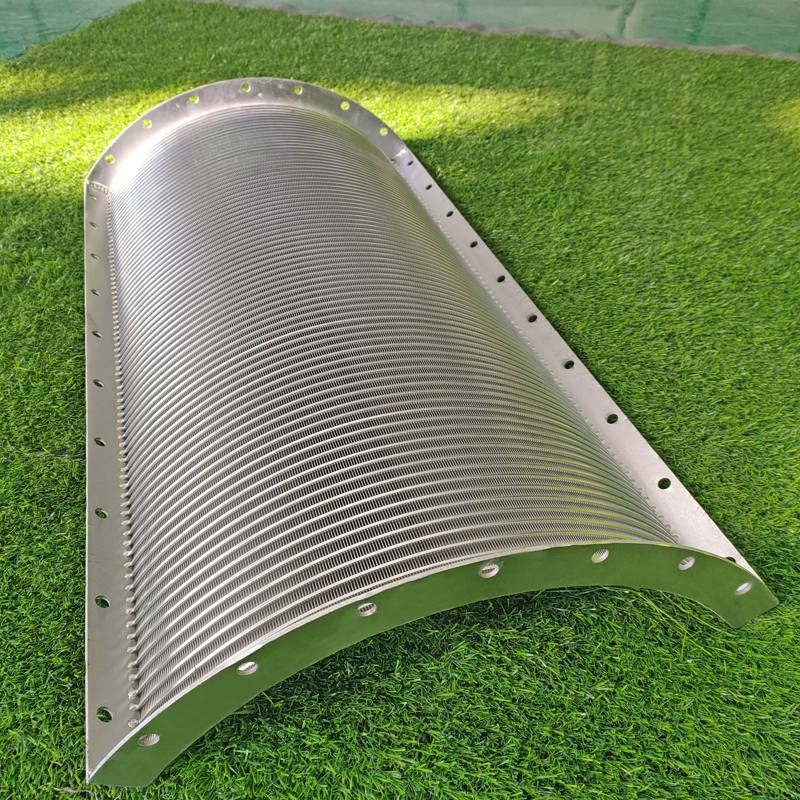
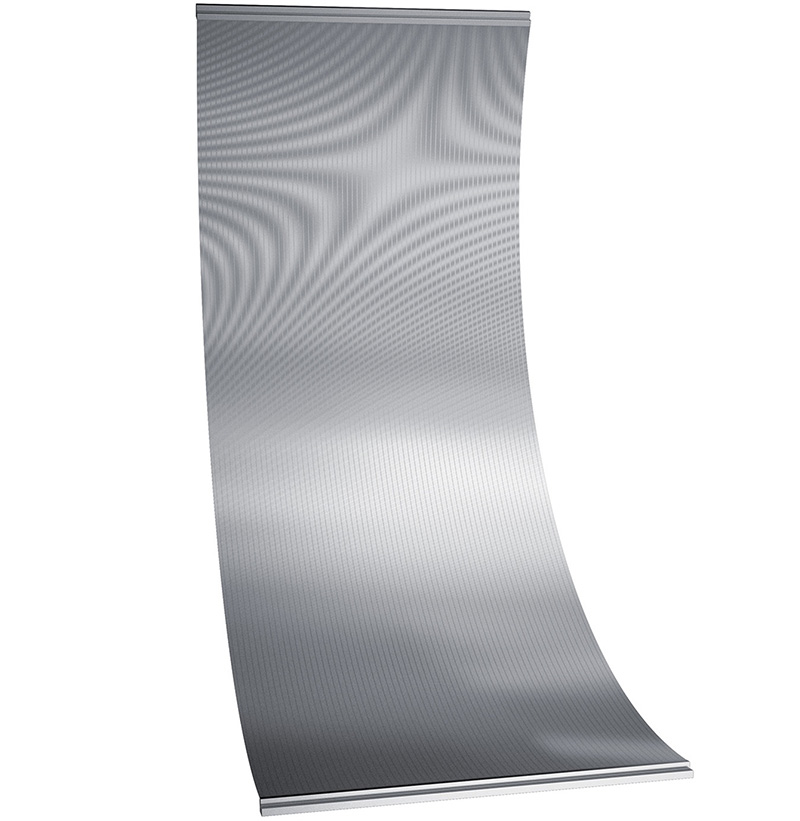
The Wedge Wire Starch Curved Screen is a curved screening device specifically designed for the starch industry. It features an arc-shaped screen surface made of precisely welded V-profile stainless steel wires, utilizing centrifugal force or gravity to achieve rapid dewatering and classification of starch slurry. Its curved structure prolongs slurry retention time, improving solid-liquid separation efficiency. It is suitable for starch extraction, refining, and byproduct recovery processes for starches such as potato, corn, and cassava. Characterized by efficient screening, wear and clogging resistance, and easy maintenance, this equipment is a key solid-liquid separation device in modern starch processing.
Rotary Drum
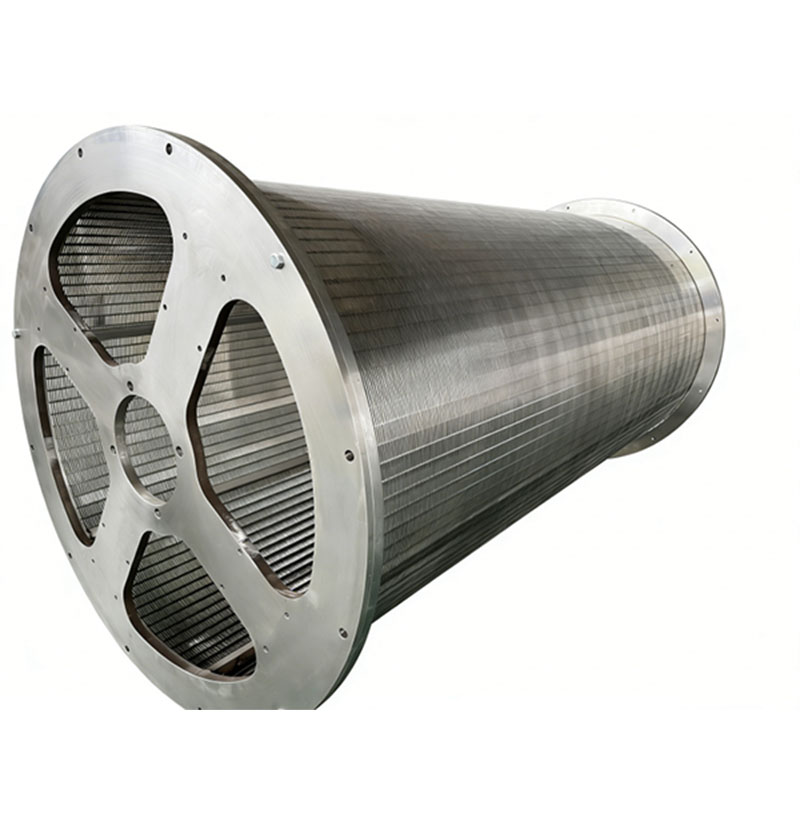
The Stainless Steel Wedge Wire Rotary Drum Screen (also known as a Rotary Drum Strainer or Micro-Screen) is a continuously and automatically operating front-end solid-liquid separation device. Its core component is a large cylindrical drum installed horizontally or at a slight incline. The entire circumferential surface of the drum is covered with a stainless steel wedge wire screen (Johnson screen). The wastewater to be treated flows into one end of the drum. Under gravity, the filtrate passes through the wedge wire slots, while solid suspended matter (such as fibers, hair, plastic pieces, and fine particles) is retained on the inner surface of the drum. As the drum rotates slowly, the retained debris is lifted to the top, where it is flushed by spray water into a collection trough, achieving a continuous process of automatic screening, filtration, and residue removal
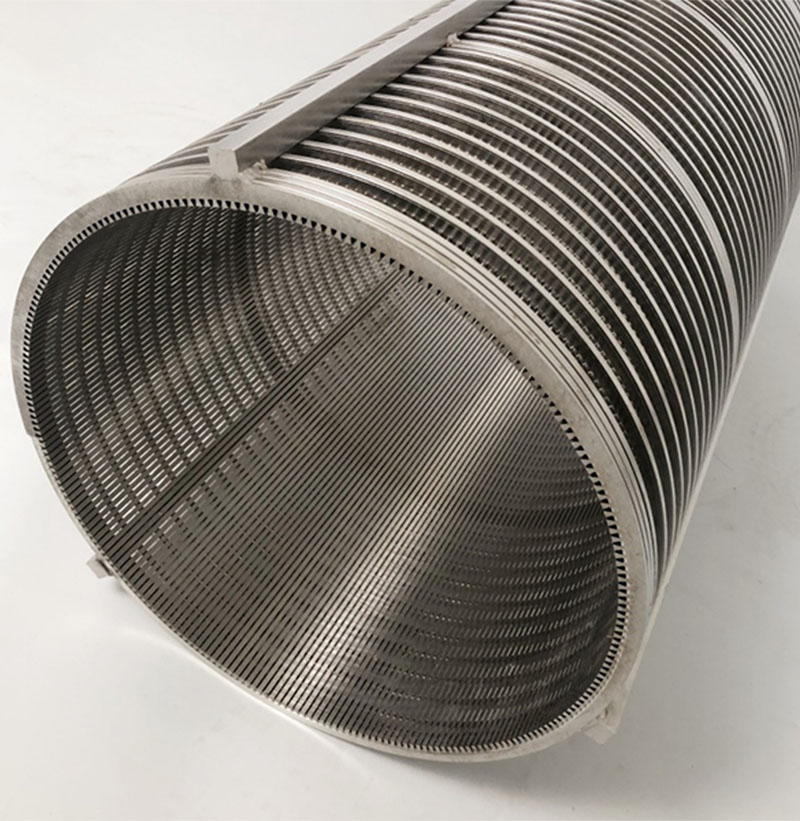
Screen Basket for Screw Press Separator
The stainless steel wedge wire screen basket, commonly known as the "V-wire screen," "press screen basket," or "screen cylinder," is a core component of screw press solid-liquid separators. It is installed inside the spiral press, enclosing the rotating screw shaft. The working principle is as follows: raw slurry with high moisture content is pushed into the screen basket by the screw shaft. Under the squeezing and conveying action of the spiral flights, the liquid (filtrate) is forced out through the precise, continuous slots of the screen basket, while the solid material (manure cake) is retained inside and continues to be compressed and dewatered as it moves forward. Finally, the dewatered solids are discharged from the outlet, achieving solid-liquid separation.
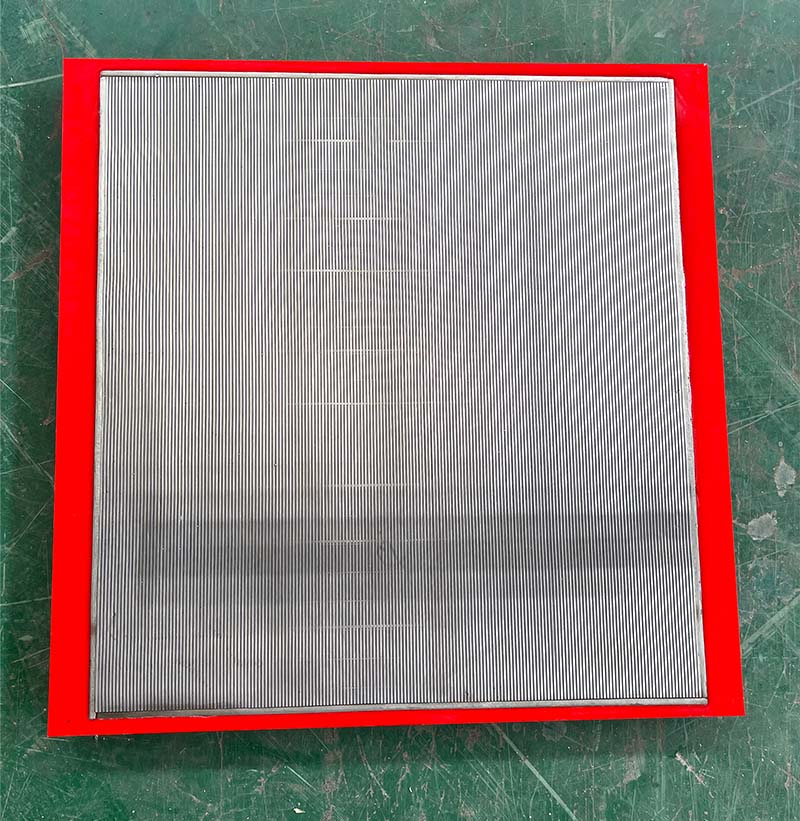
Wedge Wire Vibrating Screen
A stainless steel wedge wire vibrating screen is a solid-liquid separation device featuring a screen surface made by precisely welding V-shaped stainless steel wires, integrated with a high-frequency vibration system. With uniform slots, wear resistance, and corrosion resistance, it is suitable for wet screening and dewatering operations. The vibration mechanism enables rapid material dispersion and efficient sieving while effectively preventing screen clogging. Widely used in industries such as mining, metallurgy, food processing, and environmental protection, it is particularly suitable for handling fine particles, high-viscosity, or easily agglomerated materials, offering advantages such as high screening accuracy, large processing capacity, and long service life.
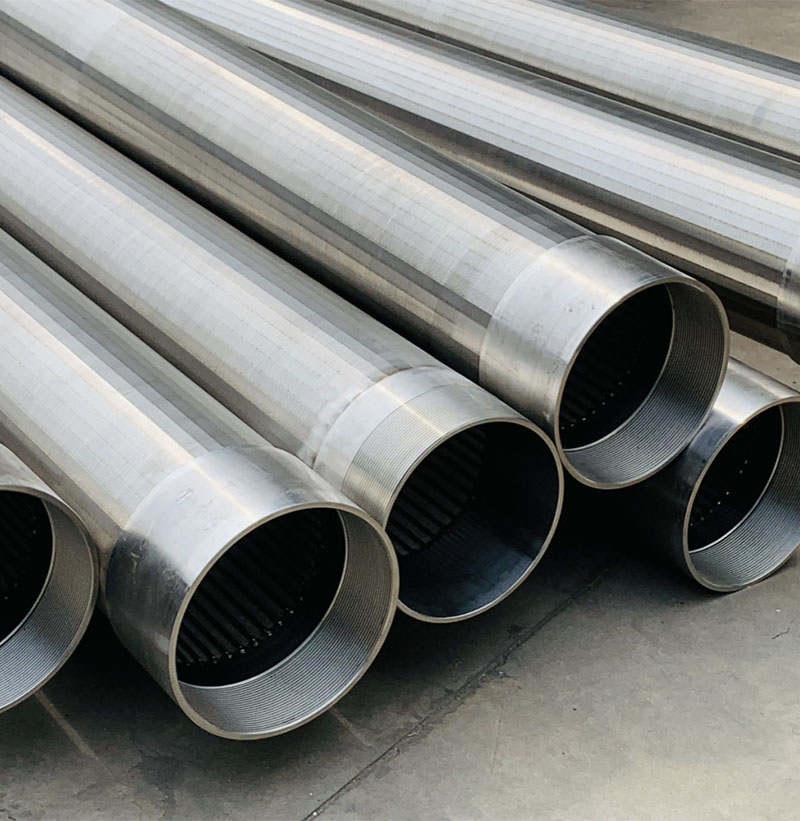
Wedge Wire Water Well Screen
Johnson Deep Water Well Screens, also referred to as continuous slot screens or wire wrap screens, were originally developed to solve sand control challenges in fine-grained and uniform sand formations. These geological conditions are commonly encountered in deep groundwater aquifers, where conventional perforated pipes often suffer from clogging, excessive sand production, and reduced well efficiency.
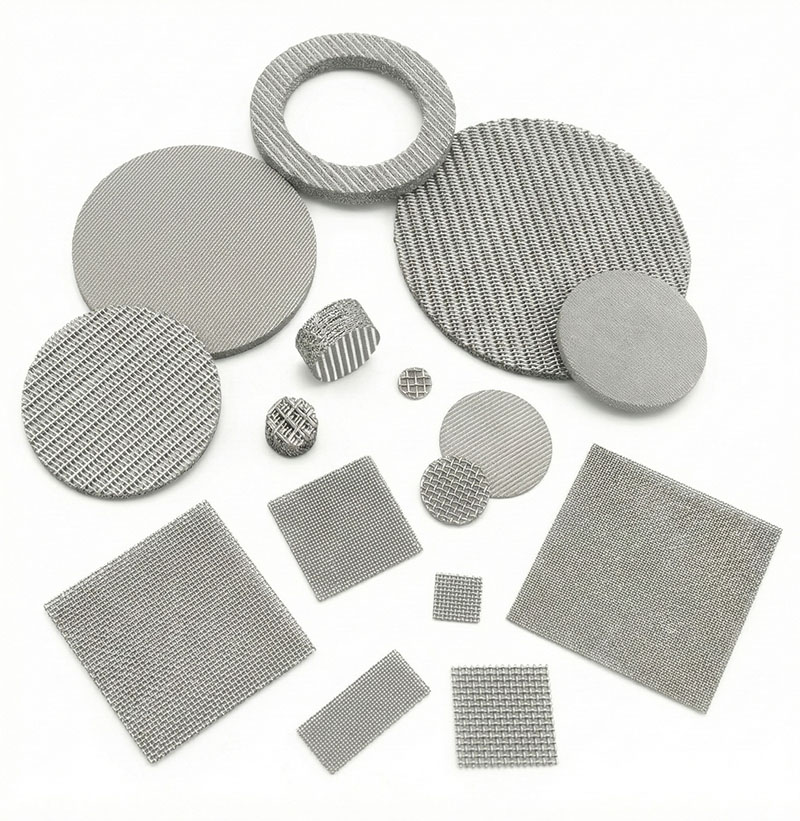
Sintered Mesh Plate and Disc
Sintered Mesh Plates and Discs are high-precision filtration components fabricated by bonding multiple layers of stainless steel wire mesh through a specialized vacuum sintering process. Unlike traditional mesh that relies on mechanical weaving alone, these plates are fused at every contact point, transforming individual wires into a rigid, integrated porous metal sheet.
These plates can be customized into various shapes, most commonly circular discs, to fit specific industrial equipment. They offer an ideal balance of high permeability, extreme structural integrity, and precise filtration ratings. Because they are made entirely of metal (typically 304 or 316L), they provide a "permanent" filtration solution that can withstand high temperatures and corrosive chemicals while remaining fully cleanable and reusable.