
ABOUT US
Your Expert Manufacturer of Wedge Wire Screens;
Your Reliable Partner and Source of Innovation
GET A FREE QUOTE
-
Home

-
Blog
-
Industry Blog
- How Do Industrial Interstage Screen Solutions Boost Mineral Recovery Rates

How Do Industrial Interstage Screen Solutions Boost Mineral Recovery Rates
-
 author
 - 15,June
 author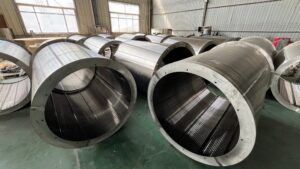
Introduction
In gold processing plants that use Carbon-in-Pulp or Carbon-in-Leach circuits, one quiet factor that reduces profits often gets missed. Activated carbon leaks into tailings. Every gram of carbon that gets away takes valuable metals along with it. This is where well-designed industrial interstage screen solutions come into play. They change the way miners separate carbon from slurry. At the same time they protect overall profits.
Traditional screening methods such as perforated plates or woven mesh have trouble meeting the special needs of interstage separation, which is why operators increasingly turn to specialized wedge wire screen suppliers for more reliable alternatives. The fibrous character of wood chips in pulp creates issues. The rough texture of granular activated carbon adds more problems. Constant shifts in pressure make the situation even harder for ordinary filtration parts. Operators deal with repeated clogging. They see carbon loss. They also face unexpected stops that disrupt production plans.
What Makes Wedge Wire Design Superior for Carbon Retention
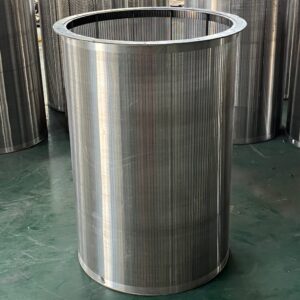
The wedge wire screen differs from others because of its basic shape. Slots with straight sides tend to hold particles inside. The V-shaped profile forms a self-releasing action instead. The slot becomes narrower at the filtration surface. It grows wider on the inside. Anything that moves past the surface faces no extra limits. This stops the wedging action that causes trouble for traditional screens.
For activated carbon particles that range from 1.0 to 3.35 millimeters, a correctly chosen slot between 0.6 and 1.2 millimeters on the precision wire screen gives almost complete retention. The custom precision screen design process begins with a close look at the customer’s carbon particle size distribution. Fine carbon below 0.6 millimeters acts in one way. Coarse carbon behaves differently. The slot choice must fit the exact features of the material.
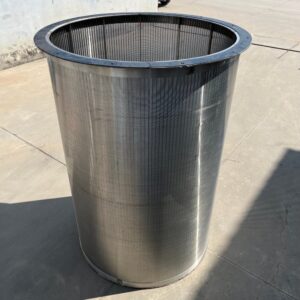
The structural strength comes from resistance welding. Each profile wire joins to support rods without any filler materials. This forms a solid cylinder. It handles the mechanical stress from rotating agitators. It also manages the hydraulic pressure of slurry that flows between tanks. The lack of welds that might crack and the absence of mesh that could loosen make these screens right for nonstop 24/7 operation.
How the Precision Screen Manufacturing Process Affects Performance
Many screen problems come not from design mistakes but from uneven manufacturing. The precision screen manufacturing process needs strict oversight at each step. Checks on raw materials confirm that the stainless steel matches the required grade. This might be 304 for standard use. It could be 316L when chlorides in the process water increase corrosion risks.
Winding tension needs to stay completely even. If the machine that wraps profile wires around support rods changes tension by even a small degree, slot widths will vary along the screen length. A screen that shows 0.8 millimeters at the top might narrow to 0.6 millimeters at the bottom. This creates an uneven pressure drop.
The welding step calls for exact electrical settings. Each weld point must join fully without burning the profile wire or leaving open spaces. Reputable precision screen manufacturing services perform ongoing quality checks during production. They use optical measurement systems to confirm slot sizes every few centimeters.
After welding, screens usually receive passivation. This chemical step brings back corrosion resistance. It clears iron traces from the surface that could start rusting in harsh slurry conditions. Some uses need electropolishing. This step makes the surface even smoother. It reduces how much sticky material clings to the screen.
What Interstage Screen Performance Benefits Deliver to Plant Economics
The clear interstage screen performance benefits reach well past basic particle retention. When carbon remains in the right place inside the adsorption circuit, gold recovery rises in a direct way. A single percentage point increase in recovery at a medium-sized plant means notable extra income each year.
Less maintenance downtime offers another key gain. Traditional screens that block with carbon fines or wood fibers need regular removal for cleaning or replacement. A wedge wire interstage screen resists this blocking. Its V-shaped slots clear themselves during normal running. The smooth inner surface lets scrapers or backwash systems clear built-up material in an effective manner.
Carbon wear drops in a clear way with the right screen choice. When carbon particles rub against sharp edges or become caught in slots that vary in size, they create fines. These carbon fines carry gold away. They also pollute later steps in the process. The smooth profile wire surface cuts down on this rough contact. It keeps carbon in good shape through many adsorption cycles.
Longer service life affects operating budgets in a direct manner. A perforated plate screen might require replacement every few months. A quality wedge wire screen often lasts for years. The all-welded construction removes loose wires that could enter the process flow and harm pumps or valves.
Why Proper Slot Selection and Material Choice Cannot Be Compromised
Choosing the correct slot size requires knowledge of the specific carbon in use. Most plants work with carbon that has gone through several elution and regeneration cycles. This means the particles are not perfectly round or consistent. A custom precision screen design takes this variation into account. It sets slots that hold the smallest particles likely to appear. At the same time, it permits enough slurry flow.
Flow rate also needs to shape slot size choices. A screen with very narrow slots produces higher pressure drop. This might lower overall throughput. The best design balances retention efficiency with hydraulic capacity. Engineers work out open area percentage and the expected pressure drop. They base calculations on slurry viscosity, solids loading, and available pump head.
Material choice becomes important when process conditions become harsh. Chlorides in water attack standard stainless steel. This happens especially in coastal mines or those that use saline water. Duplex grades like 2205 or super duplex give better resistance to chloride stress corrosion cracking. For very corrosive settings, high-nickel alloys like Hastelloy offer the highest protection. They come with a higher starting cost.
BTOSLOT has provided wedge wire screens to sites dealing with these same issues. In one setup handling high-chloride ore, the change from 304 to 316L stainless steel increased screen life from three months to more than two years. It removed unplanned downtime. It also cut replacement costs by a large amount.
How to Evaluate Supplier Capability for Critical Filtration Components
Partnering with a manufacturer that knows both screening technology and the particular mineral processing application creates real value. Inquire about their quality certifications. ISO 9001 shows organized quality management. Ask for material test certificates. These confirm alloy makeup for every production batch.
Talk about their testing methods. Do they examine every screen before it ships? What tolerances do they maintain on slot dimensions? Trusted suppliers will share inspection reports. They can also suggest non-destructive testing choices for important applications.
Think about their engineering support abilities. The best industrial interstage screen solutions come from suppliers who take the time to study your exact process conditions. They recommend suitable specifications instead of just accepting orders for standard sizes. This joint method avoids mismatches that cause weak results.
Conclusion
The wedge wire interstage screen stands as a tested technology. It deals directly with the main difficulties of carbon retention in gold processing. Proper slot geometry combines with precision manufacturing. Material selection fits the process conditions. Together these elements help miners reach higher recovery rates. They also bring less downtime and lower operating costs. Ore grades keep falling around the world. Every improvement in efficiency counts. Spending on correctly built screening solutions brings returns that appear straight on the production report.
FAQ
What warranty does BTOSLOT offer on industrial interstage screen solutions?
BTOSLOT provides a full warranty. It covers manufacturing defects in materials and workmanship for twelve months from shipment. This warranty does not include normal wear from abrasive or corrosive service conditions. Still the company gives advice on expected service life. It bases this on experience from similar applications.
How can I get a quote for custom precision screen design for my CIP circuit?
Requesting a quote means sending your process details. These include tank dimensions, desired flow rate, carbon type and size range, slurry characteristics, and any corrosion issues. BTOSLOT engineers study this data. They usually give pricing and delivery estimates within two to three business days.
What slot size should I specify for retaining 1.0 millimeter carbon?
For nominal 1.0 millimeter activated carbon particles, a slot width between 0.4 and 0.6 millimeters usually supplies dependable retention. It avoids too much pressure drop. The final choice depends on how uniform your carbon supply is. It also considers whether you see particle breakage during regeneration.
Can precision screen manufacturing services produce screens for non-standard tank dimensions?
Yes. The manufacturing process supports custom diameters from 800 to 2000 millimeters. It also handles custom lengths as needed. Flange setups, connection methods, and reinforcement ring positions can all be adjusted to fit current tank layouts. No changes to your equipment are necessary.
How do I clean a wedge wire screen that has accumulated calcium scale?
Calcium scale or mineral deposits react to mild acid washing. Use solutions that work with stainless steel. Citric or phosphoric acid at moderate strengths usually suffice. Do not use hydrochloric acid. It can damage the passive layer. After cleaning, rinse completely. Then apply proper neutralization. This returns the screen to full working order.
Recent Post
Related Products
Best-selling Products
Starch Screen
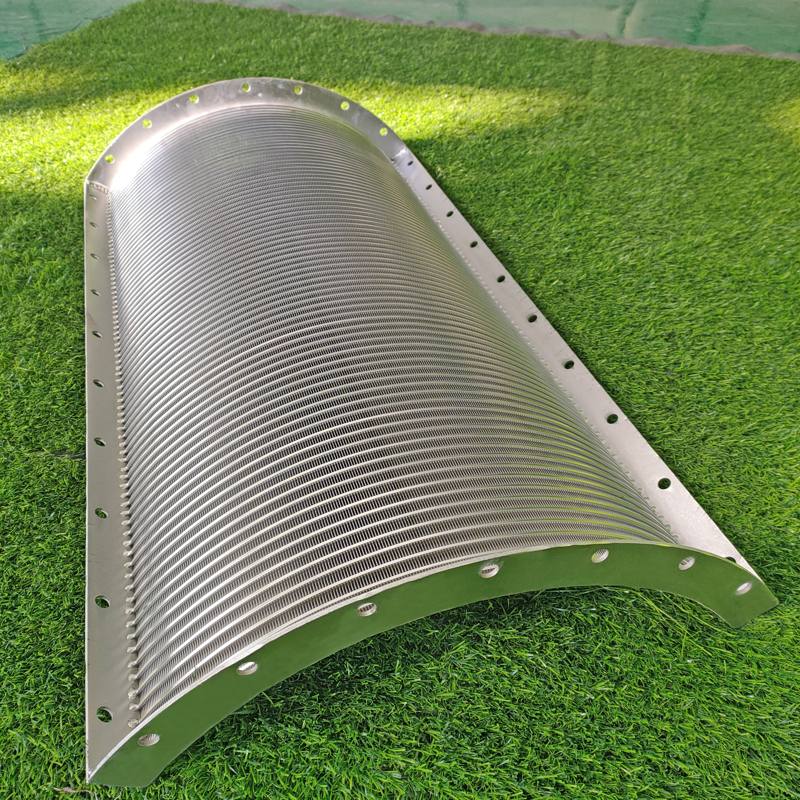
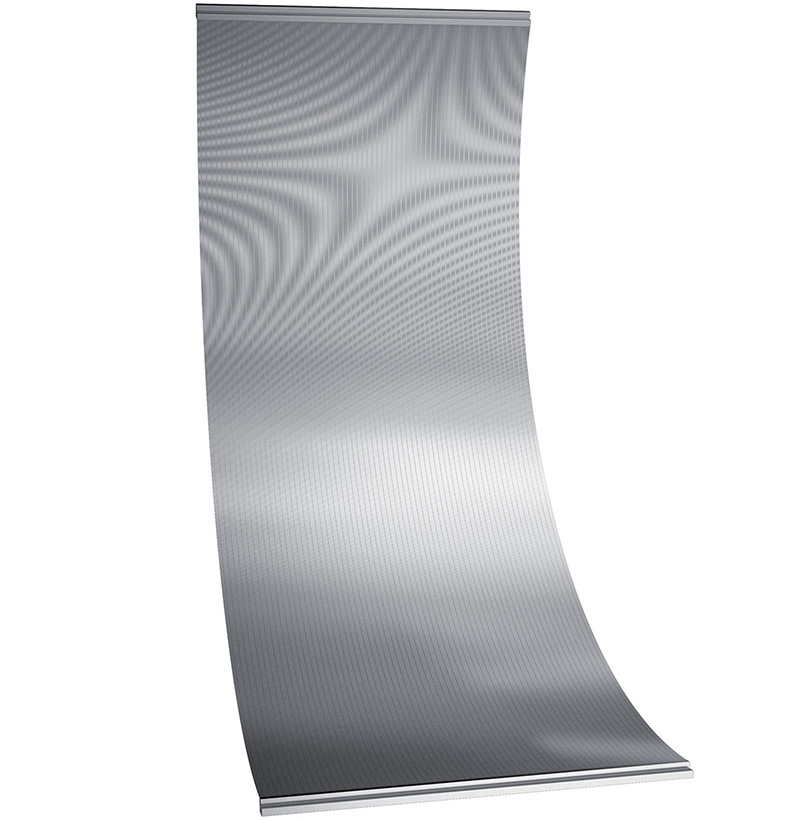
The Wedge Wire Starch Curved Screen is a curved screening device specifically designed for the starch industry. It features an arc-shaped screen surface made of precisely welded V-profile stainless steel wires, utilizing centrifugal force or gravity to achieve rapid dewatering and classification of starch slurry. Its curved structure prolongs slurry retention time, improving solid-liquid separation efficiency. It is suitable for starch extraction, refining, and byproduct recovery processes for starches such as potato, corn, and cassava. Characterized by efficient screening, wear and clogging resistance, and easy maintenance, this equipment is a key solid-liquid separation device in modern starch processing.
Rotary Drum
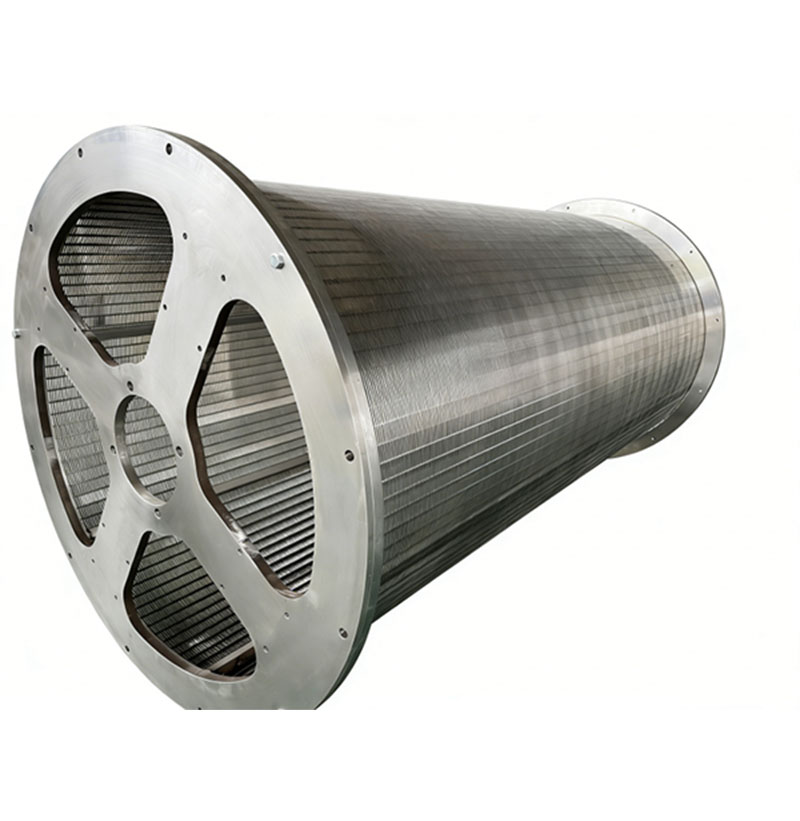
The Stainless Steel Wedge Wire Rotary Drum Screen (also known as a Rotary Drum Strainer or Micro-Screen) is a continuously and automatically operating front-end solid-liquid separation device. Its core component is a large cylindrical drum installed horizontally or at a slight incline. The entire circumferential surface of the drum is covered with a stainless steel wedge wire screen (Johnson screen). The wastewater to be treated flows into one end of the drum. Under gravity, the filtrate passes through the wedge wire slots, while solid suspended matter (such as fibers, hair, plastic pieces, and fine particles) is retained on the inner surface of the drum. As the drum rotates slowly, the retained debris is lifted to the top, where it is flushed by spray water into a collection trough, achieving a continuous process of automatic screening, filtration, and residue removal
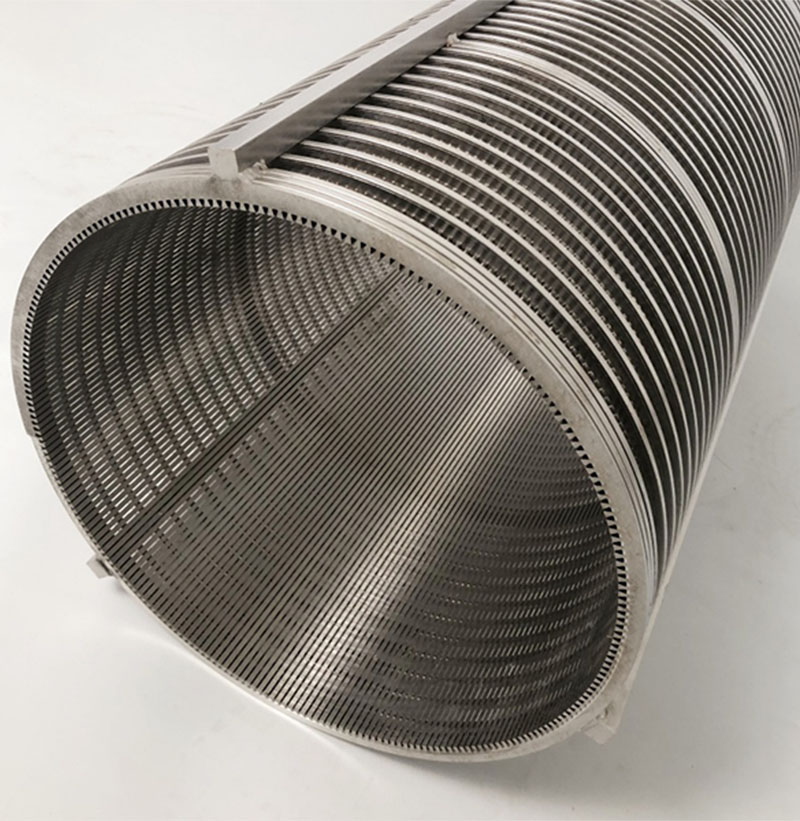
Screen Basket for Screw Press Separator
The stainless steel wedge wire screen basket, commonly known as the "V-wire screen," "press screen basket," or "screen cylinder," is a core component of screw press solid-liquid separators. It is installed inside the spiral press, enclosing the rotating screw shaft. The working principle is as follows: raw slurry with high moisture content is pushed into the screen basket by the screw shaft. Under the squeezing and conveying action of the spiral flights, the liquid (filtrate) is forced out through the precise, continuous slots of the screen basket, while the solid material (manure cake) is retained inside and continues to be compressed and dewatered as it moves forward. Finally, the dewatered solids are discharged from the outlet, achieving solid-liquid separation.
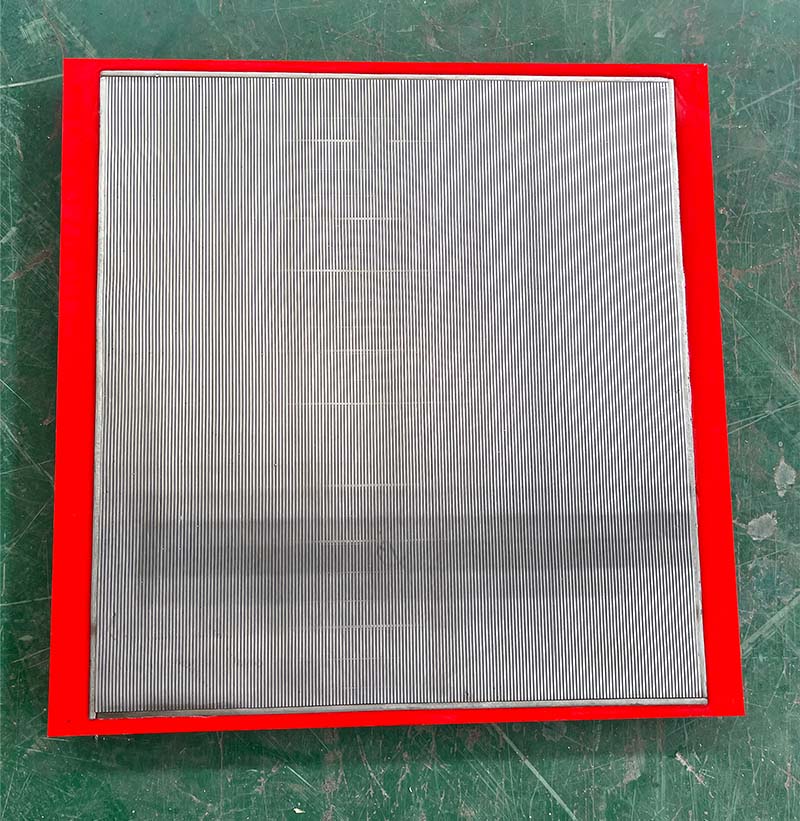
Wedge Wire Vibrating Screen
A stainless steel wedge wire vibrating screen is a solid-liquid separation device featuring a screen surface made by precisely welding V-shaped stainless steel wires, integrated with a high-frequency vibration system. With uniform slots, wear resistance, and corrosion resistance, it is suitable for wet screening and dewatering operations. The vibration mechanism enables rapid material dispersion and efficient sieving while effectively preventing screen clogging. Widely used in industries such as mining, metallurgy, food processing, and environmental protection, it is particularly suitable for handling fine particles, high-viscosity, or easily agglomerated materials, offering advantages such as high screening accuracy, large processing capacity, and long service life.
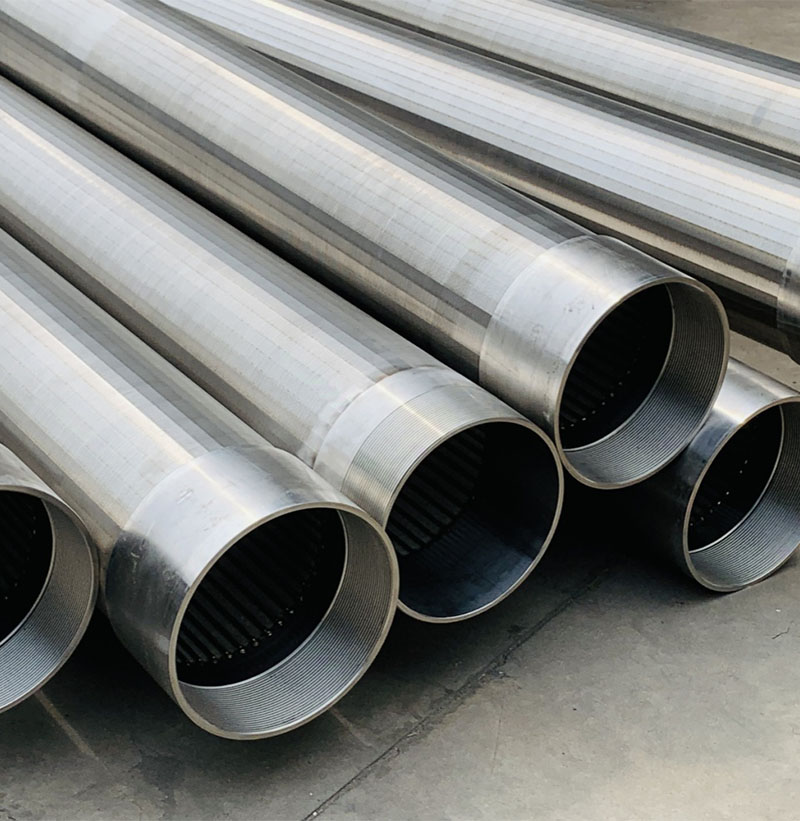
Wedge Wire Water Well Screen
Johnson Deep Water Well Screens, also referred to as continuous slot screens or wire wrap screens, were originally developed to solve sand control challenges in fine-grained and uniform sand formations. These geological conditions are commonly encountered in deep groundwater aquifers, where conventional perforated pipes often suffer from clogging, excessive sand production, and reduced well efficiency.
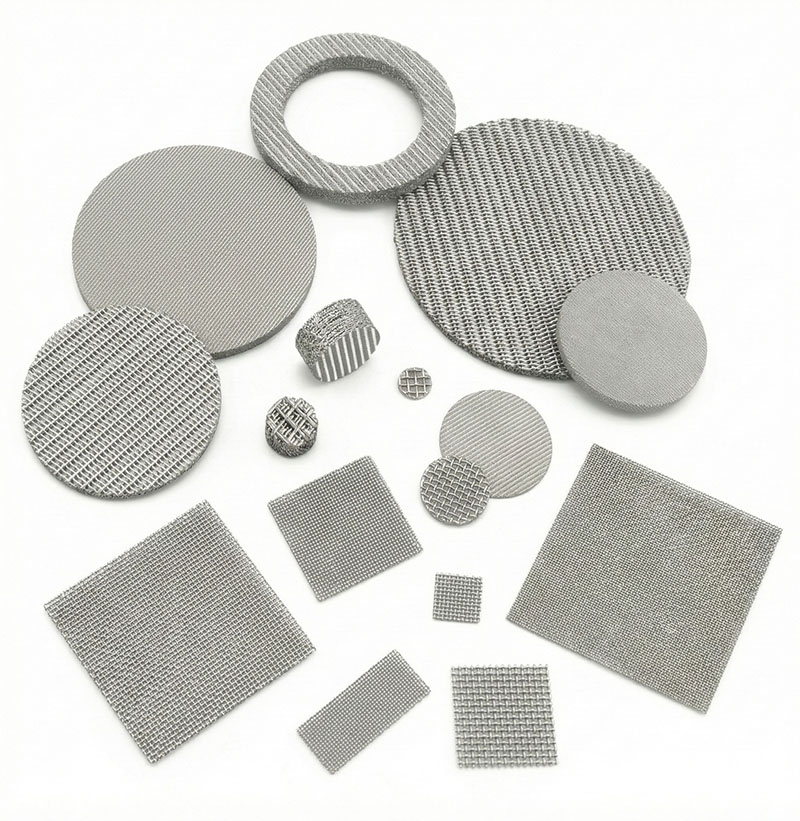
Sintered Mesh Plate and Disc
Sintered Mesh Plates and Discs are high-precision filtration components fabricated by bonding multiple layers of stainless steel wire mesh through a specialized vacuum sintering process. Unlike traditional mesh that relies on mechanical weaving alone, these plates are fused at every contact point, transforming individual wires into a rigid, integrated porous metal sheet.
These plates can be customized into various shapes, most commonly circular discs, to fit specific industrial equipment. They offer an ideal balance of high permeability, extreme structural integrity, and precise filtration ratings. Because they are made entirely of metal (typically 304 or 316L), they provide a "permanent" filtration solution that can withstand high temperatures and corrosive chemicals while remaining fully cleanable and reusable.