
ABOUT US
Your Expert Manufacturer of Wedge Wire Screens;
Your Reliable Partner and Source of Innovation
GET A FREE QUOTE
-
Home

-
Blog
-
Industry Blog
- How to Select a Precision Stainless Steel Well Screen

How to Select a Precision Stainless Steel Well Screen
-
 author
 - 23,July
 author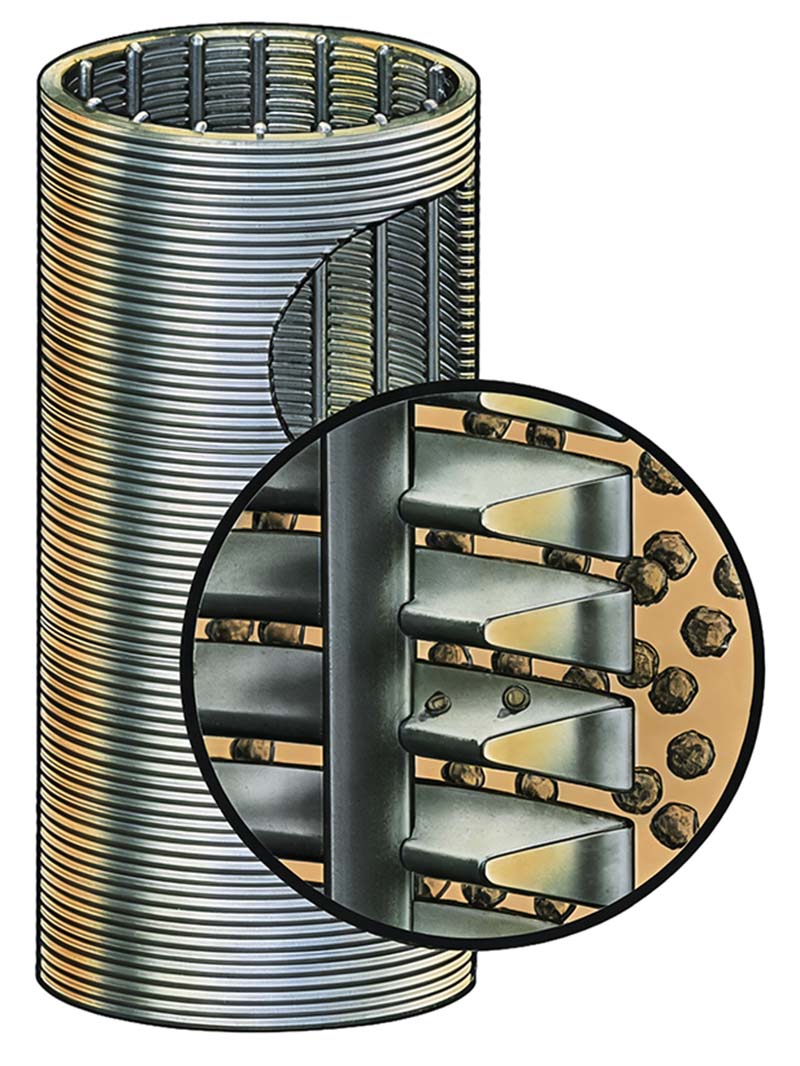
Introduction
Water well projects now demand more than a basic slotted pipe. Municipal systems need stable yield, lower pump load, controlled sand entry, and longer service intervals. Agricultural and industrial wells also need screens that can handle groundwater chemistry, abrasion, and repeated cleaning. A precision filtration stainless steel well screen should therefore be selected by slot tolerance, open area, material grade, weld strength, flow path, and supplier capability.
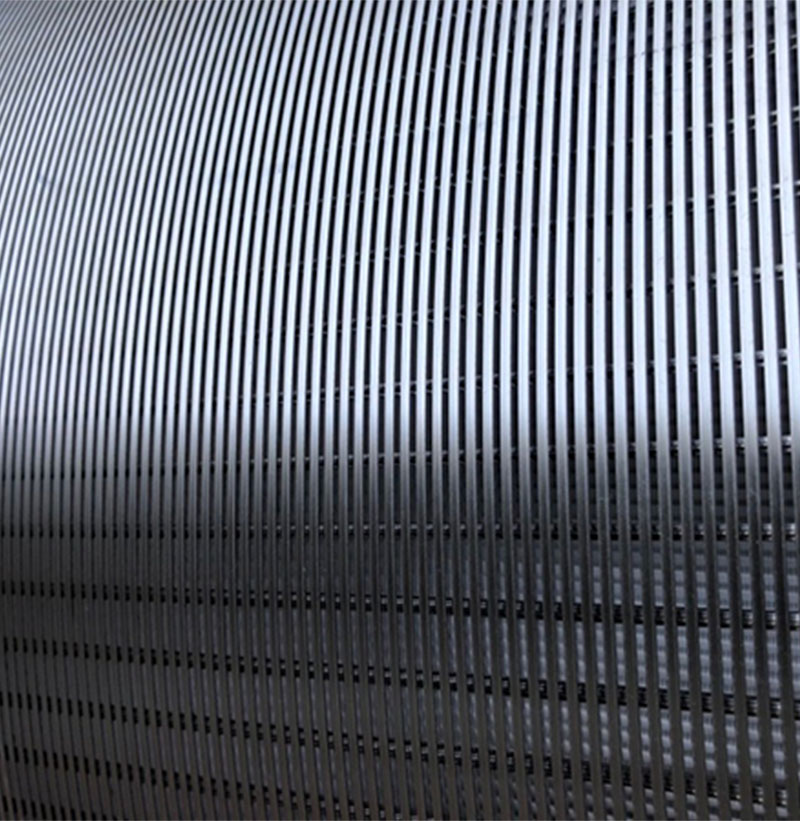
A high-precision stainless steel well screen for municipal projects is designed to protect pumps, improve water intake, and reduce maintenance risk. The vee wire screen structure is especially useful because its continuous slots create a smooth flow path while limiting particle entry. In real well operation, the value of a precise filtration stainless steel well screen often appears after installation, when the well maintains flow instead of producing sand, scale, or unstable drawdown.
What Specifications Should Buyers Compare
A reliable precision-made stainless steel well screen service must never offer a price based only on diameter and length. The vendor needs to verify the exact gap size, metal type, and surface wire shape. They must also check the inner rod layout, total open space, joint styles, overall crush resistance, and shipping methods. These specific details directly impact site safety, machinery defense, and overall pumping success.
| Specification Area | Common Options | Project Value |
| Slot size | 0.10 mm to 3.0 mm, customizable | Controls sand retention and intake efficiency |
| Material grade | 304, 316L, duplex steel | Matches water chemistry and corrosion risk |
| Screen type | Continuous vee wire screen | Supports uniform slots and low-resistance flow |
| Open area | Custom by slot and wire profile | Affects drawdown, yield, and pump load |
| Diameter and length | Made to well design | Determines total intake area |
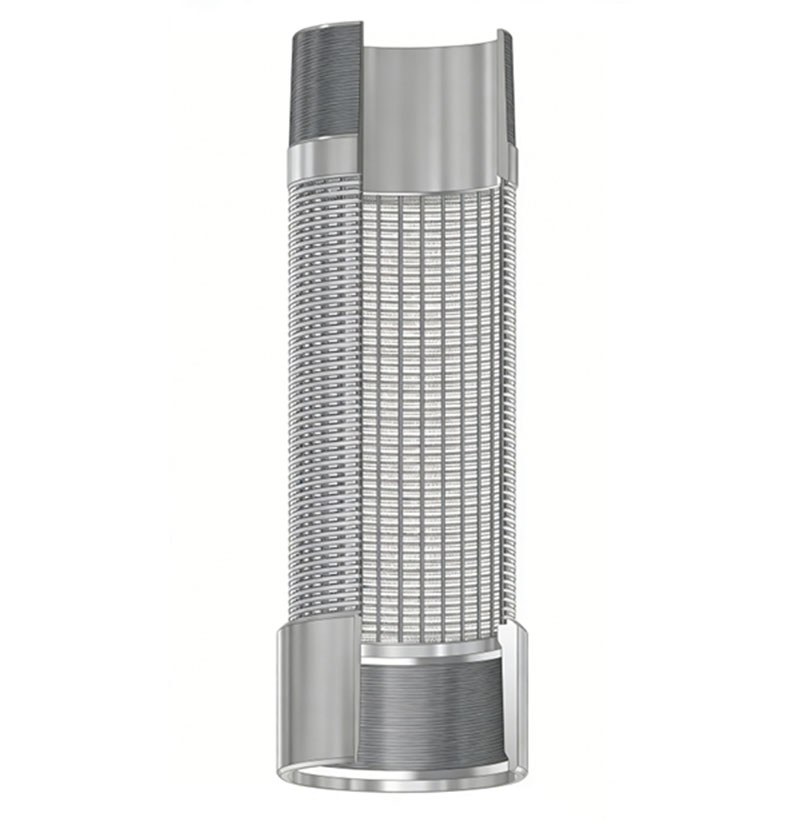
| Connection type | Threaded, welded, flange, end ring | Supports installation and section assembly |
| Surface finish | Smooth welded, polished, passivated | Helps cleaning and reduces residue buildup |
Looking at this chart reveals why picking the cheapest bid carries heavy risks. Bad gap sizing, fragile joints, the wrong metal mix, or poorly made end joints might stay hidden before the shipment arrives. However, these hidden flaws will spark massive financial losses once the unit goes deep underground.
How Material Choice Affects Service Life
Picking the right metal must align with the local water chemistry, drilling depth, grit rubbing, and desired lifespan. Standard 304 stainless steel works perfectly fine for most normal underground water jobs. Meanwhile, 316L is often preferred for wells exposed to chlorides, mild salinity, or more corrosive water, while duplex steel may be considered for harsher conditions. Buyers might also look into duplex steel or unique alloy blends for truly extreme working conditions.
Industry guides confirm that factories usually build these wedge wire filters using 304, 316, and 316L metals. These strong materials help the units fight off rust, physical scraping, sour or basic fluids, and high heat. For a high-precision stainless steel well screen for municipal projects, picking the correct metal directly shifts the total lifetime expenses. If rust eats away and widens the gaps, the dirt blocking fails. Consequently, machinery damage speeds up rapidly.
Why Open Area and Strength Must Work Together
A large open space lets fluids flow into the casing with minimal pushback. However, raw physical toughness cannot be overlooked. A filter boasting massive open space but flimsy inner backing might crush during the lowering process. It could also collapse under heavy earth pressure. Conversely, a unit packed with too much inner bracing and tiny open gaps will choke the fluid travel and force the water levels to drop sharply.
According to technical files, these wedge wire items serve well in sewage cleaning, membrane prep stages, ocean water salt removal, and looping fluid loops. They fit perfectly into any job needing steady fluid movement, minimal pressure loss, and reliable daily running. This exact same thinking applies to a precision filtration stainless steel well screen. It has to permit a smooth fluid draw while fighting off earth weight, grit scraping, and mud jams.
What a Reliable Manufacturer Should Provide
A dependable high-precision stainless steel well screen manufacturer needs to offer a thorough spec check prior to starting the factory work. This vital step covers blueprint approval, gap size checks, and metal picking. It also involves sizing limits, joint planning, testing rules, and shipping preparations. While on the factory floor, workers must verify the even wire gaps, solid joints, sleek outer textures, and exact physical measurements.
BTOSLOT strongly backs this custom, site-specific method. Filter buyers truly need goods that fit their real-world digging conditions. The company background shows great skill in making stainless steel wedge wire screens, Johnson screens, and stainless steel slot screens. They also produce wedge wire well screens, inner filter parts, and liquid purification pieces. Furthermore, the firm holds ISO9001, ISO45001, and ISO14001 quality badges. They track product excellence from the moment raw metals arrive until the final box ships out. This solid foundation ensures a top-tier precision-made stainless steel well screen service for builders, wholesale dealers, and large project managers.
Conclusion
Picking out a precision filtration stainless steel well screen remains a highly technical choice. The exactness of the gap sizing rules the dirt blocking success. The clever Vee wire screen layout heavily boosts the jam-fighting abilities. The specific metal blend dictates the overall rust defense. Finally, the balance between open space and physical toughness determines if the borehole will keep a healthy fluid draw over many years.
Shoppers checking out different water well screen suppliers ought to gather their gap sizing, width, and height needs first. They should also be ready with their metal choices, fluid test results, blueprints, piece counts, and setup plans before asking for a price. BTOSLOT stands ready to assist with custom wedge wire water well screen requests. They offer thorough spec checks, factory advice, and helpful tips tailored to your exact jobsite.
FAQ
What slot size should I choose for a precise filtration stainless steel well screen?
You must pick the gap dimension for a precise filtration stainless steel well screen based on the surrounding dirt grain sizes. You also need to look at the gravel pack layout, desired water harvest, and dirt blocking rules. When the gap is too large, grit will flood the casing. When it is too tight, the fluid output will shrink and mud jams will happen frequently.
Why is a vee wire screen used in water wells?
A vee wire screen sees heavy use in boreholes due to its unbroken, V-shaped gaps. These special openings deliver huge open space, slick fluid travel, and massive jam resistance. The fused metal framework also grants the filter the sheer physical power required for safe underground fluid gathering.
How long does a high-precision stainless steel well screen for municipal projects last?
The working lifespan of a high-precision stainless steel well screen for municipal projects hinges on the local fluid chemistry and the chosen metal type. It also depends on the grit volume, setup care, and routine upkeep. A correctly chosen metal wedge wire filter will deliver a very long working life. It achieves this by fighting off rust and holding its gap shapes perfectly steady.
Recent Post
Related Products
Best-selling Products
Starch Screen
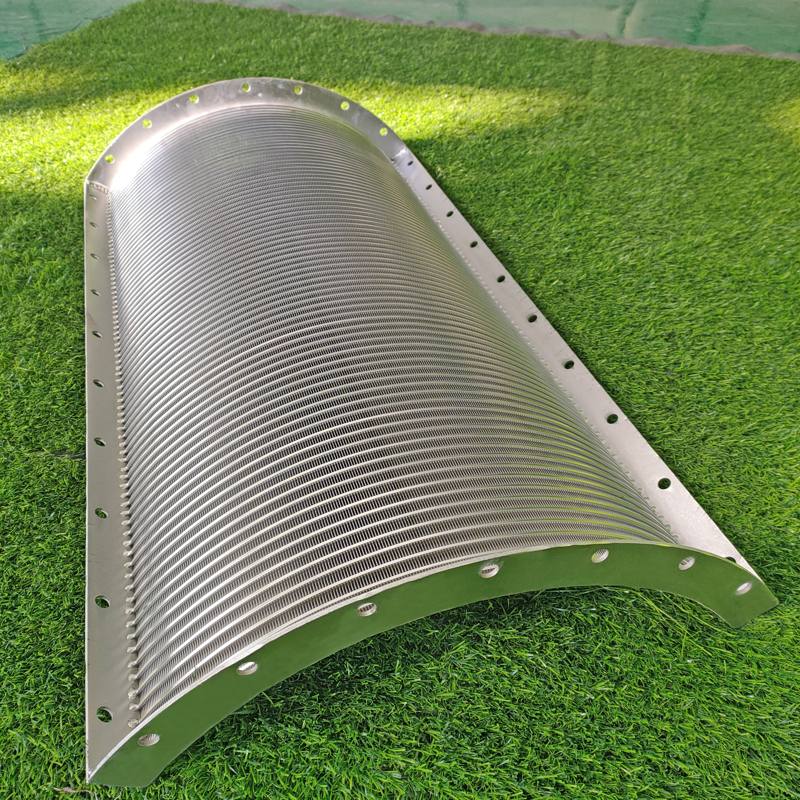
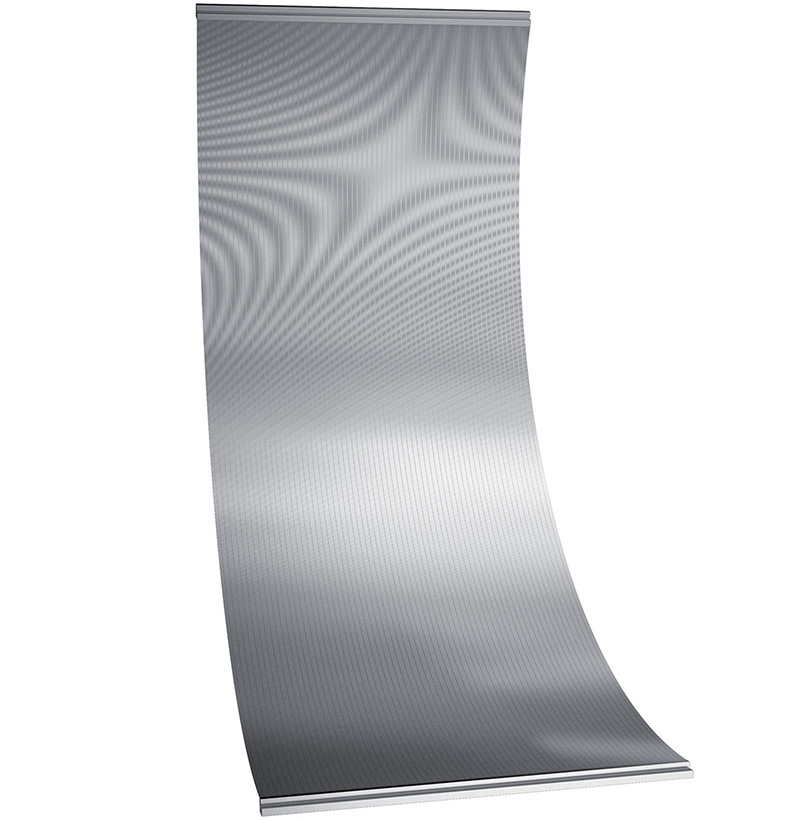
The Wedge Wire Starch Curved Screen is a curved screening device specifically designed for the starch industry. It features an arc-shaped screen surface made of precisely welded V-profile stainless steel wires, utilizing centrifugal force or gravity to achieve rapid dewatering and classification of starch slurry. Its curved structure prolongs slurry retention time, improving solid-liquid separation efficiency. It is suitable for starch extraction, refining, and byproduct recovery processes for starches such as potato, corn, and cassava. Characterized by efficient screening, wear and clogging resistance, and easy maintenance, this equipment is a key solid-liquid separation device in modern starch processing.
Rotary Drum
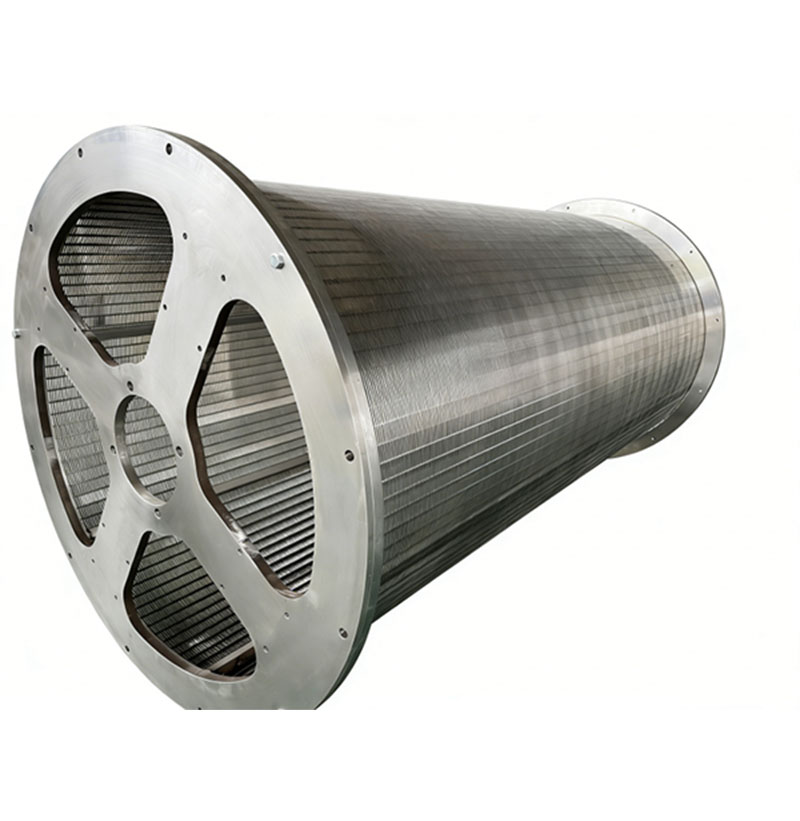
The Stainless Steel Wedge Wire Rotary Drum Screen (also known as a Rotary Drum Strainer or Micro-Screen) is a continuously and automatically operating front-end solid-liquid separation device. Its core component is a large cylindrical drum installed horizontally or at a slight incline. The entire circumferential surface of the drum is covered with a stainless steel wedge wire screen (Johnson screen). The wastewater to be treated flows into one end of the drum. Under gravity, the filtrate passes through the wedge wire slots, while solid suspended matter (such as fibers, hair, plastic pieces, and fine particles) is retained on the inner surface of the drum. As the drum rotates slowly, the retained debris is lifted to the top, where it is flushed by spray water into a collection trough, achieving a continuous process of automatic screening, filtration, and residue removal
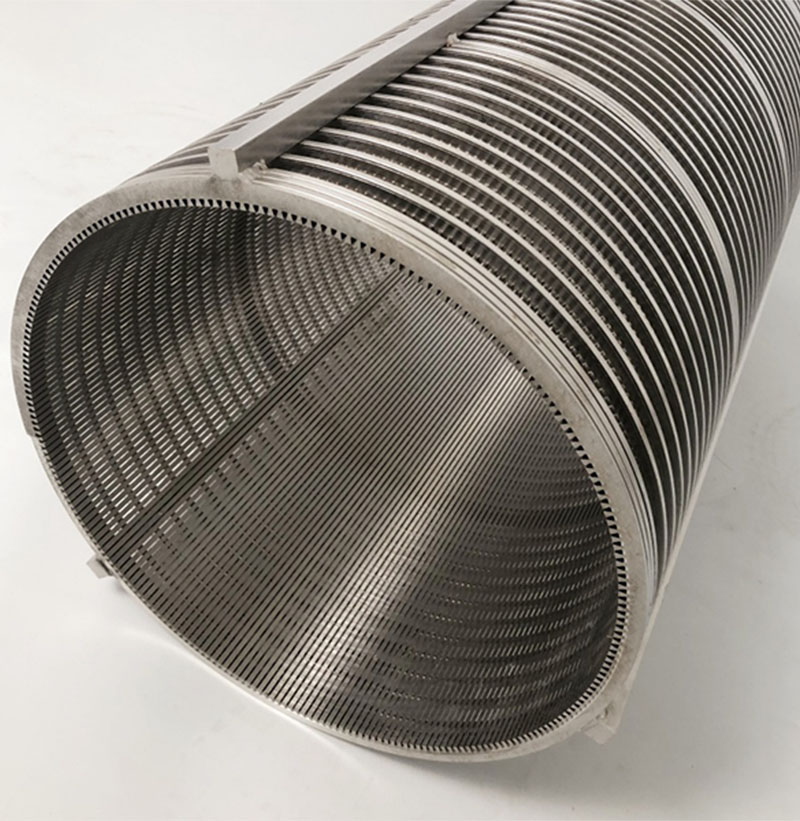
Screen Basket for Screw Press Separator
The stainless steel wedge wire screen basket, commonly known as the "V-wire screen," "press screen basket," or "screen cylinder," is a core component of screw press solid-liquid separators. It is installed inside the spiral press, enclosing the rotating screw shaft. The working principle is as follows: raw slurry with high moisture content is pushed into the screen basket by the screw shaft. Under the squeezing and conveying action of the spiral flights, the liquid (filtrate) is forced out through the precise, continuous slots of the screen basket, while the solid material (manure cake) is retained inside and continues to be compressed and dewatered as it moves forward. Finally, the dewatered solids are discharged from the outlet, achieving solid-liquid separation.
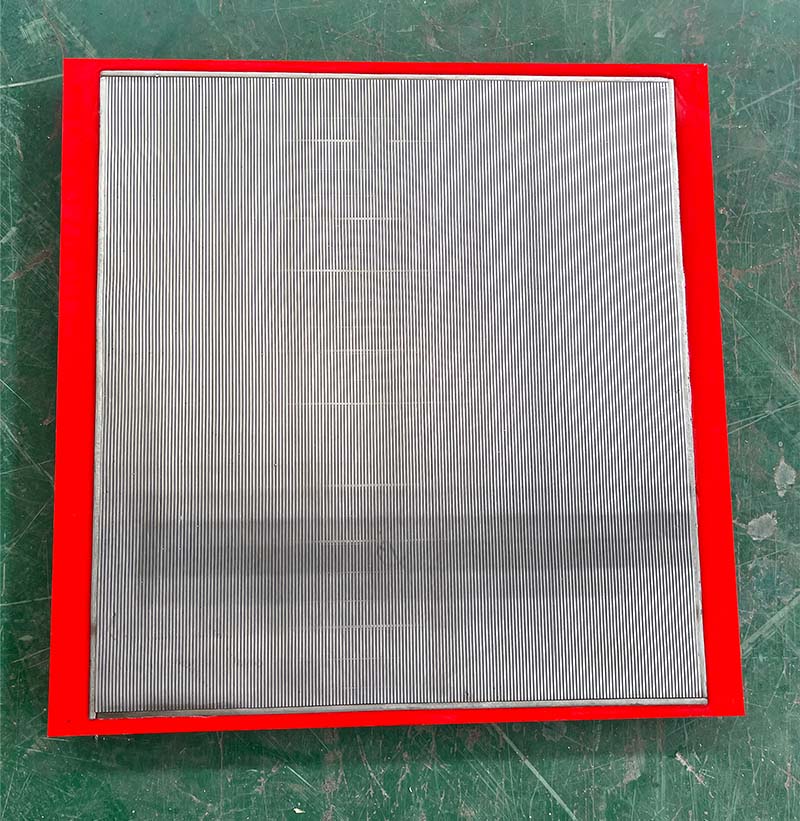
Wedge Wire Vibrating Screen
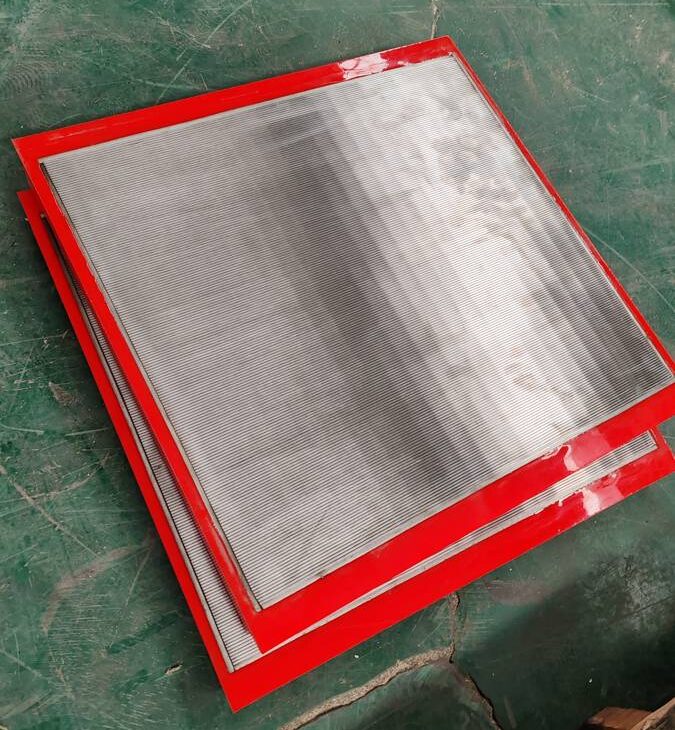
A stainless steel wedge wire vibrating screen is a solid-liquid separation device featuring a screen surface made by precisely welding V-shaped stainless steel wires, integrated with a high-frequency vibration system. With uniform slots, wear resistance, and corrosion resistance, it is suitable for wet screening and dewatering operations. The vibration mechanism enables rapid material dispersion and efficient sieving while effectively preventing screen clogging. Widely used in industries such as mining, metallurgy, food processing, and environmental protection, it is particularly suitable for handling fine particles, high-viscosity, or easily agglomerated materials, offering advantages such as high screening accuracy, large processing capacity, and long service life.
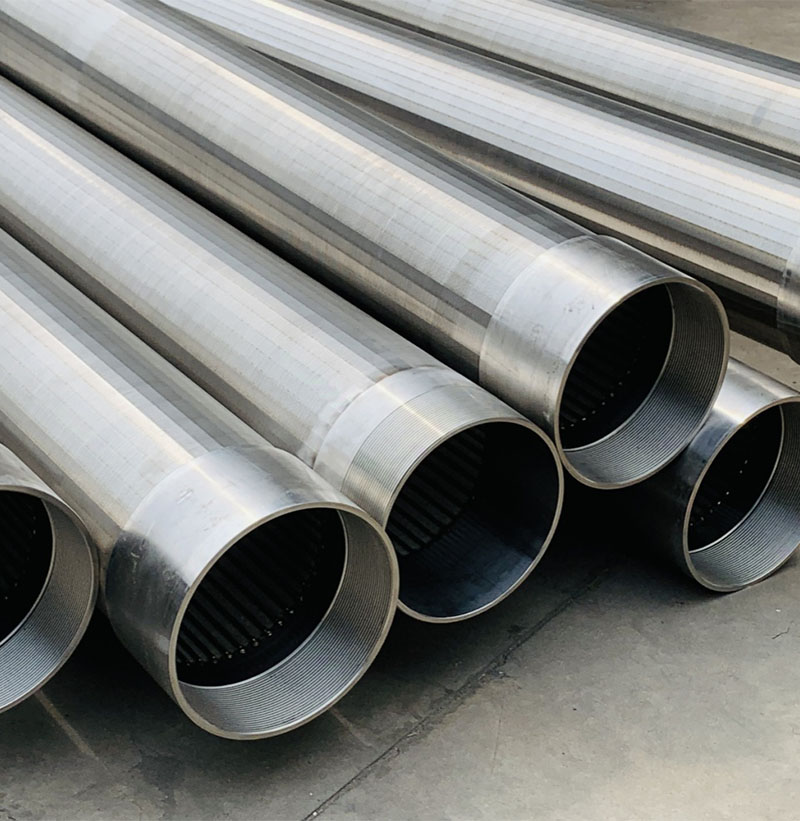
Wedge Wire Water Well Screen
Johnson Deep Water Well Screens, also referred to as continuous slot screens or wire wrap screens, were originally developed to solve sand control challenges in fine-grained and uniform sand formations. These geological conditions are commonly encountered in deep groundwater aquifers, where conventional perforated pipes often suffer from clogging, excessive sand production, and reduced well efficiency.
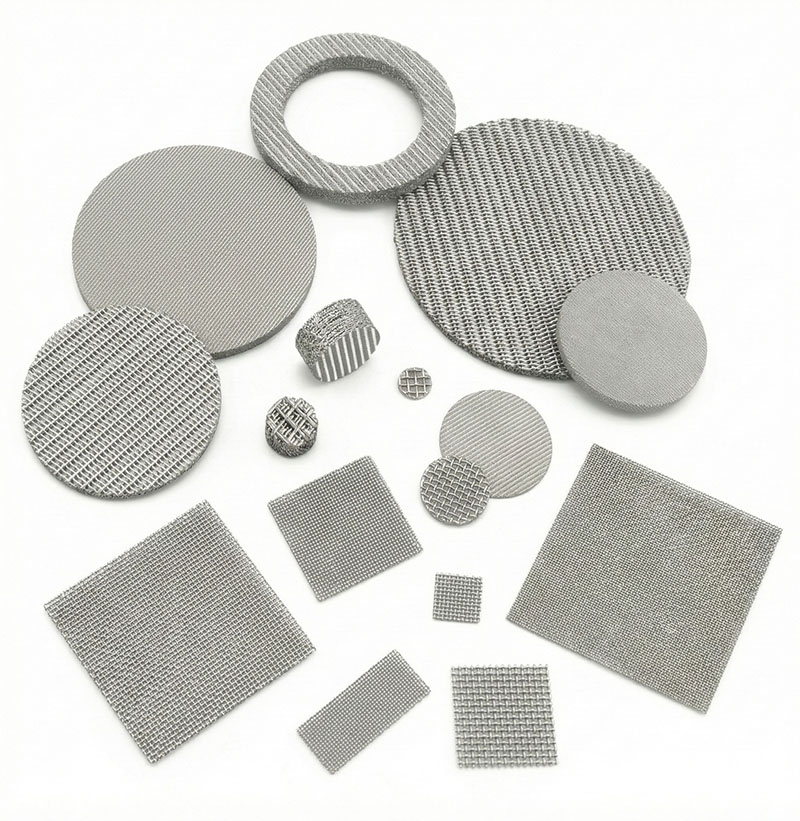
Sintered Mesh Plate and Disc
Sintered Mesh Plates and Discs are high-precision filtration components fabricated by bonding multiple layers of stainless steel wire mesh through a specialized vacuum sintering process. Unlike traditional mesh that relies on mechanical weaving alone, these plates are fused at every contact point, transforming individual wires into a rigid, integrated porous metal sheet.
These plates can be customized into various shapes, most commonly circular discs, to fit specific industrial equipment. They offer an ideal balance of high permeability, extreme structural integrity, and precise filtration ratings. Because they are made entirely of metal (typically 304 or 316L), they provide a "permanent" filtration solution that can withstand high temperatures and corrosive chemicals while remaining fully cleanable and reusable.