
ABOUT US
Your Expert Manufacturer of Wedge Wire Screens;
Your Reliable Partner and Source of Innovation
GET A FREE QUOTE
-
Home

-
Blog
-
Industry Blog
- Why Wedge Wire Screen Mesh Size Matters in Filtration

Why Wedge Wire Screen Mesh Size Matters in Filtration
-
 author
 - 16,July
 author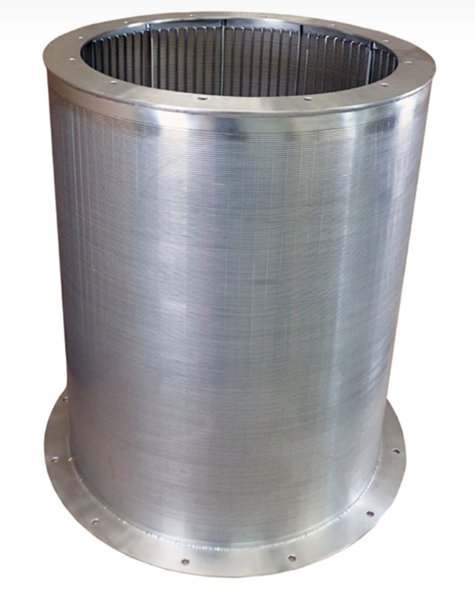
Introduction
Modern industrial filtration setups need more than just a simple way to sort particles. Sectors like mining, chemical processing, and water treatment all look for steady performance and low upkeep. They also need reliable material handling. In these settings, picking the right wedge wire screen mesh size is vital. It directly impacts how accurately materials are separated. It also affects flow rates and how long the equipment lasts.
An interstage screen is a key part of filtration in tough jobs. For example, it is used in gold extraction methods like carbon-in-pulp (CIP) and carbon-in-leach (CIL). This screen has to pull activated carbon away from the slurry. At the same time, it must keep material moving smoothly. By using a smart vee wire screen design and strict factory checks, a good stainless steel wedge wire screen boosts efficiency. It also cuts down on problems like clogging or losing valuable materials.
As a team focused on industrial tools, BTOSLOT knows that every setup is unique. Slot dimensions, the build of the screen, and the type of metal used must all work together. This ensures the system runs well under specific site conditions.
What Is Wedge Wire Screen Mesh Size and Why Does It Matter?
The wedge wire screen mesh size refers to the specific gap between the profile wires. This is different from the mesh count found in old-style woven screens. This gap size is what decides which bits pass through and which ones stay on top. It is the main factor in sorting accuracy.
Unlike standard mesh, a Vee wire screen uses a special V-shaped wire setup. The V-shaped slot is narrower at the filtration surface and gradually widens toward the inside of the screen, creating a self-cleaning flow path that reduces particle blockage. This creates a path that cleans itself and stops particles from getting stuck. Because of this unique Vee wire screen design, systems can handle faster liquid flow with less pressure drop.
For industrial buyers, finding the right wedge wire screen mesh size is not just about picking the smallest hole. If a slot is too tight, it might block the flow or need constant cleaning. However, if it is too wide, it will not sort materials correctly. The best choice depends on what you are filtering, the size of the particles, and your target output.
How Does Vee Wire Screen Design Improve Filtration Performance?
The big benefit of a Vee wire screen is its continuous, wedge-shaped opening. Flat screens often get plugged because particles get wedged in the small holes. In contrast, the V-shaped slot opens up toward the inside. This makes it much easier to clear out trapped material using backwashing or basic cleaning tools.
A smart vee wire screen design keeps a balance between sorting precision and liquid movement. The surface is smooth, which lowers friction as materials pass over it. Meanwhile, the open slots allow for a very efficient flow of liquids.
In an interstage screen, this layout is very important. Carbon particles need to move all the time without getting chipped or broken. In gold mining, these carbon bits are worth a lot of money. A bad screen design might grind the carbon down. This leads to material loss or poor gold recovery.
The build of a stainless steel wedge wire screen also offers great strength. The wires are fully welded to handle the constant hit of slurry and vibration. Using 304 or 316L steel helps the screen resist rust in harsh settings. This keeps the equipment running longer.
Why Is Stainless Steel Wedge Wire Screen Used in Critical Filtration Systems?
Many industries choose a stainless steel wedge wire screen because their work involves rust, high pressure, and heat. They also deal with gritty materials. Stainless steel provides the toughness needed for 24/7 work. It also keeps the slot sizes exact over time.
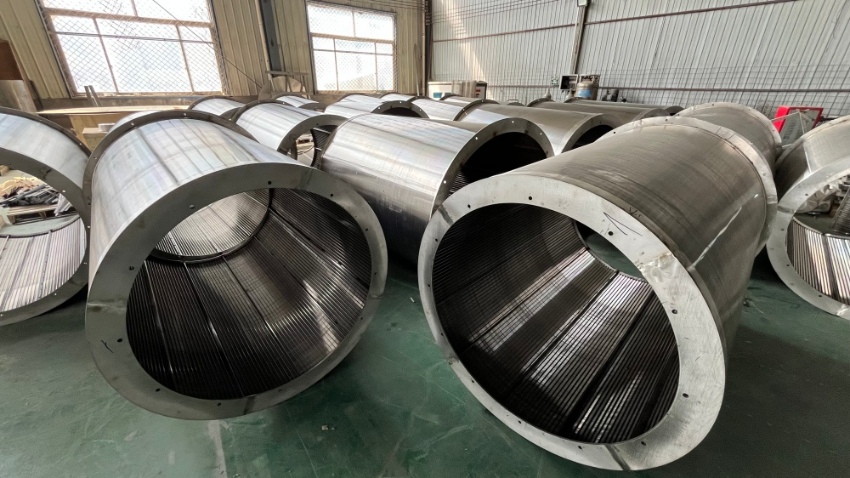
The way a screen is made affects how well it works. Skilled wedge wire screen manufacturers watch the wire spacing and weld quality closely. They also check the finish and size accuracy. This ensures that every screen works the same way every day.
For projects that need a special shape, custom wedge wire screen manufacturers can help. They can change the diameter, length, and slot size. They also adjust the support bars and how the screen connects to the machine. This makes sure the part fits the equipment perfectly.
| Specification | Standard Range | Industrial Benefit |
| Material | 304 / 316L stainless steel | Corrosion resistance and long service life |
| Slot size range | 25 microns to 3 mm | Precise particle separation |
| Open area | Approximately 25%–35% for interstage screens | High flow capacity with lower pressure loss |
| Structure | Welded cylindrical wedge wire construction | Strong mechanical stability |
| Application | Mining, water treatment, chemical, petrochemical, food processing | Adaptable filtration solution |
The quality of the build dictates long-term success. Even slots prevent messy filtration results. Strong welds help the screen keep its shape even under heavy loads. Our work follows ISO9001 standards. We check everything from the raw metal to the final product.
How Does an Interstage Screen Work in Gold Extraction Filtration?
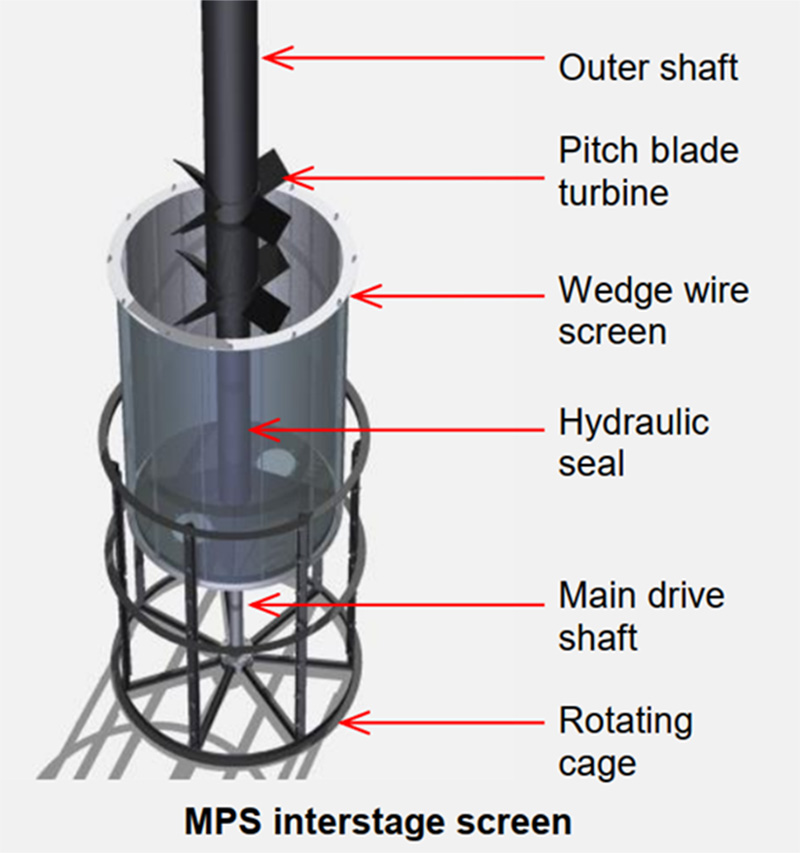
An interstage screen is built for the gaps between tanks in gold mining. In the CIP and CIL cycles, carbon moves through different stages. The liquid slurry, however, must stay where it belongs.
The interstage screen for filtration lets the gold-bearing carbon move between tanks. At the same time, it keeps the fine slurry particles from mixing in. This job is vital for gold recovery. If the separation is bad, carbon is lost, and costs go up quickly.
The wedge wire build sorts things perfectly without scratching the carbon. Its smooth V-shaped surface stops the carbon from wearing down. Also, its self-cleaning nature stops it from getting blocked by trash like wood fibers or small rocks.
| Interstage Screen Parameter | Specification |
| Screen structure | Fully welded cylindrical wedge wire screen |
| Slot size | 0.6–1.2 mm |
| Common slot selection | 0.8 mm or 0.9 mm |
| Material | 304 / 316L stainless steel |
| Cylinder diameter | φ800 mm–φ2000 mm or larger |
| Open area | Approximately 25%–35% |
These details help the screen manage a heavy flow of slurry. It keeps the carbon separation steady. Using the right wedge wire screen mesh size ensures carbon stays put while the rest of the liquid moves on.
How Can Wedge Wire Screen Manufacturers Provide Customized Filtration Solutions?
No two filtration projects are exactly the same. A basic screen might not work for every job. This is especially true if the tank size or the material being processed changes.
Top wedge wire screen manufacturers look at the whole system before they suggest a design. They think about the size of the particles and the chemicals involved. They also look at flow speed and how the screen will be cleaned.
With custom wedge wire screen manufacturers, you can get screens with unique slots or sizes. You can also choose the best metal for your needs. This helps you get better results and lowers your repair bills in the future.
Picking a supplier is about more than just finding a part. You need a partner with real factory experience and a deep understanding of how filtration works. A trusted supplier makes sure your screen works well for its entire life.
Conclusion
The success of an industrial filter depends on the wedge wire screen mesh size and the way it is built. A well-made stainless steel wedge wire screen offers sharp separation and high strength. It also keeps liquids moving and lowers the chance of a clog.
From mines to water plants, using precise slots and a good vee wire screen design helps businesses stay productive. In gold mining, the interstage screen is a vital tool. it keeps the carbon recovery process moving without a hitch.
FAQ
What wedge wire screen mesh size is commonly used for an interstage screen?
Most interstage screens use a wedge wire screen mesh size between 0.6 mm and 1.2 mm. The exact choice depends on the size of your carbon and the flow of your slurry.
How does a Vee wire screen design reduce clogging?
The Vee wire screen design has slots that get wider on the inside. This stops particles from getting stuck in the middle. It also makes it easier to wash the screen clean.
Why is stainless steel wedge wire screen suitable for industrial filtration?
A stainless steel wedge wire screen handles rust and heavy pressure very well. It stays accurate for a long time. This makes it perfect for mining, water, and food plants.
How can I choose the right interstage screen for filtration?
You should look at the size of your carbon and the pressure in your tanks. It also helps to check the flow rate. Working with professional custom wedge wire screen manufacturers is the best way to get the right fit.
Recent Post
Related Products
Best-selling Products
Starch Screen
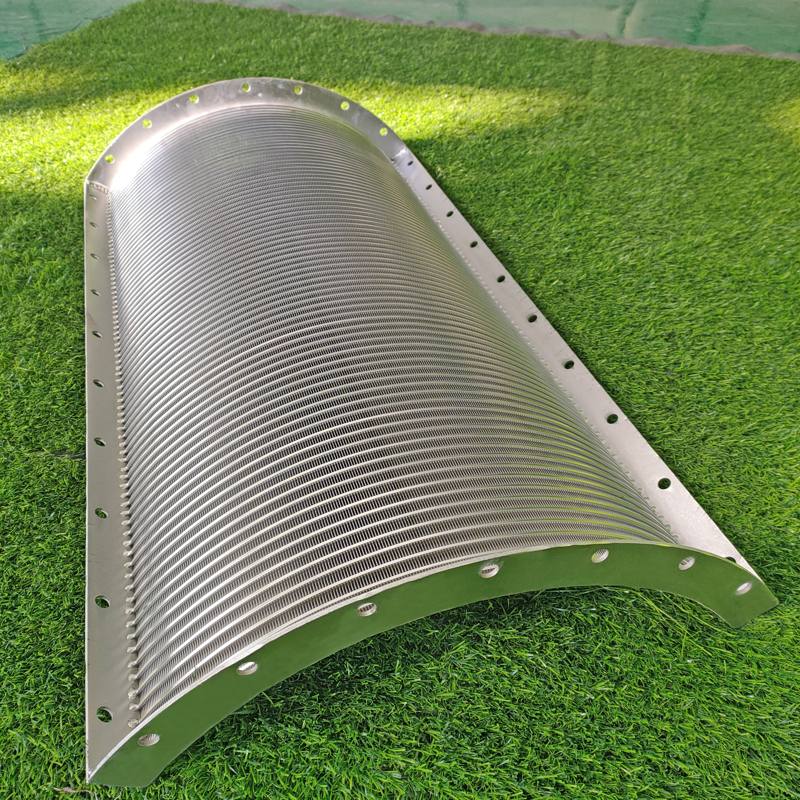
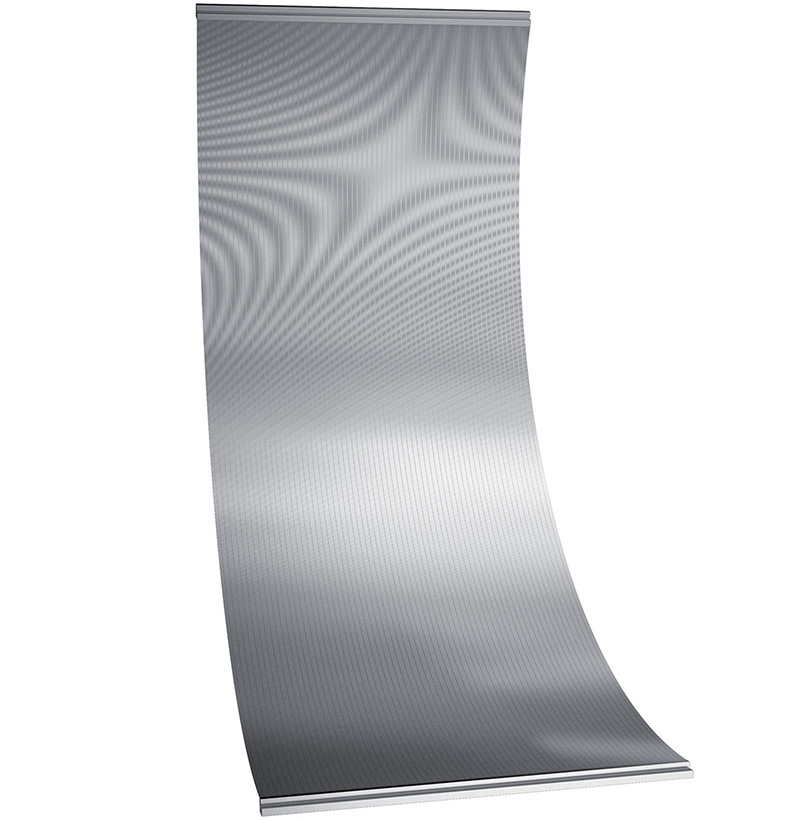
The Wedge Wire Starch Curved Screen is a curved screening device specifically designed for the starch industry. It features an arc-shaped screen surface made of precisely welded V-profile stainless steel wires, utilizing centrifugal force or gravity to achieve rapid dewatering and classification of starch slurry. Its curved structure prolongs slurry retention time, improving solid-liquid separation efficiency. It is suitable for starch extraction, refining, and byproduct recovery processes for starches such as potato, corn, and cassava. Characterized by efficient screening, wear and clogging resistance, and easy maintenance, this equipment is a key solid-liquid separation device in modern starch processing.
Rotary Drum
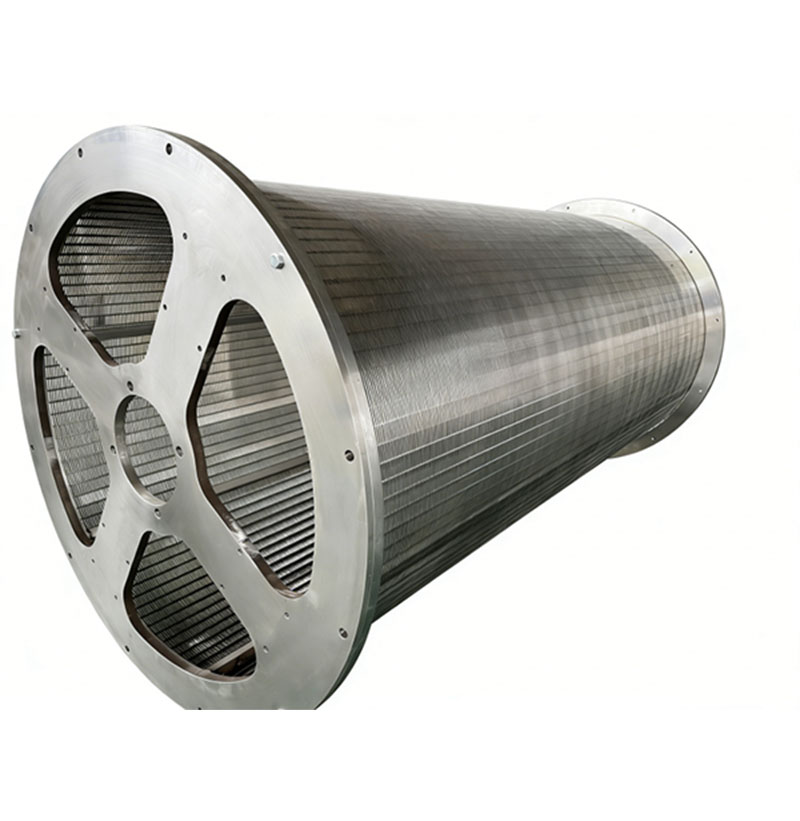
The Stainless Steel Wedge Wire Rotary Drum Screen (also known as a Rotary Drum Strainer or Micro-Screen) is a continuously and automatically operating front-end solid-liquid separation device. Its core component is a large cylindrical drum installed horizontally or at a slight incline. The entire circumferential surface of the drum is covered with a stainless steel wedge wire screen (Johnson screen). The wastewater to be treated flows into one end of the drum. Under gravity, the filtrate passes through the wedge wire slots, while solid suspended matter (such as fibers, hair, plastic pieces, and fine particles) is retained on the inner surface of the drum. As the drum rotates slowly, the retained debris is lifted to the top, where it is flushed by spray water into a collection trough, achieving a continuous process of automatic screening, filtration, and residue removal
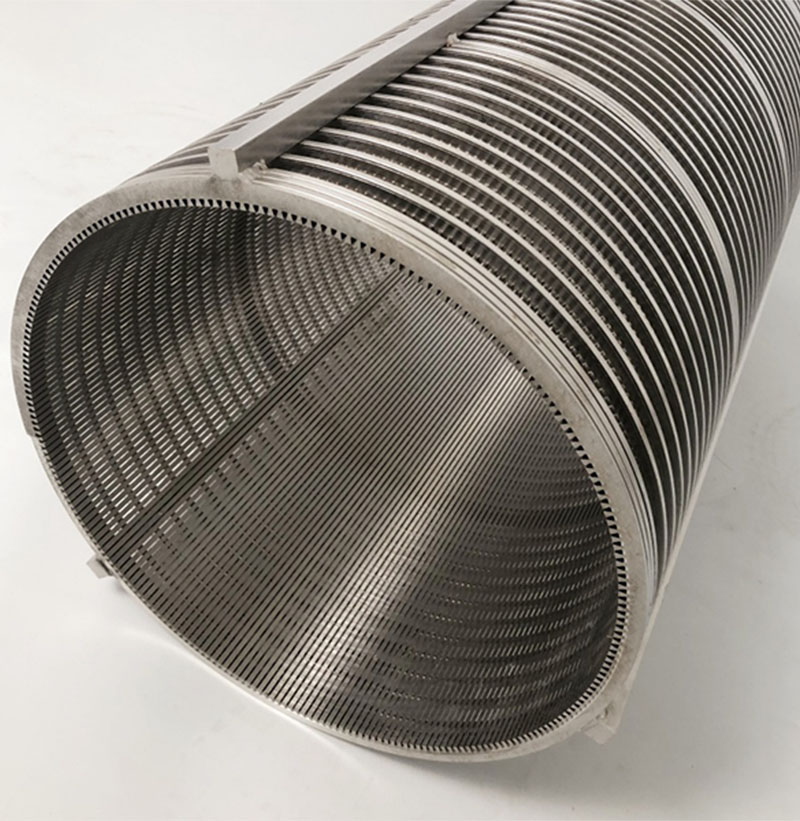
Screen Basket for Screw Press Separator
The stainless steel wedge wire screen basket, commonly known as the "V-wire screen," "press screen basket," or "screen cylinder," is a core component of screw press solid-liquid separators. It is installed inside the spiral press, enclosing the rotating screw shaft. The working principle is as follows: raw slurry with high moisture content is pushed into the screen basket by the screw shaft. Under the squeezing and conveying action of the spiral flights, the liquid (filtrate) is forced out through the precise, continuous slots of the screen basket, while the solid material (manure cake) is retained inside and continues to be compressed and dewatered as it moves forward. Finally, the dewatered solids are discharged from the outlet, achieving solid-liquid separation.
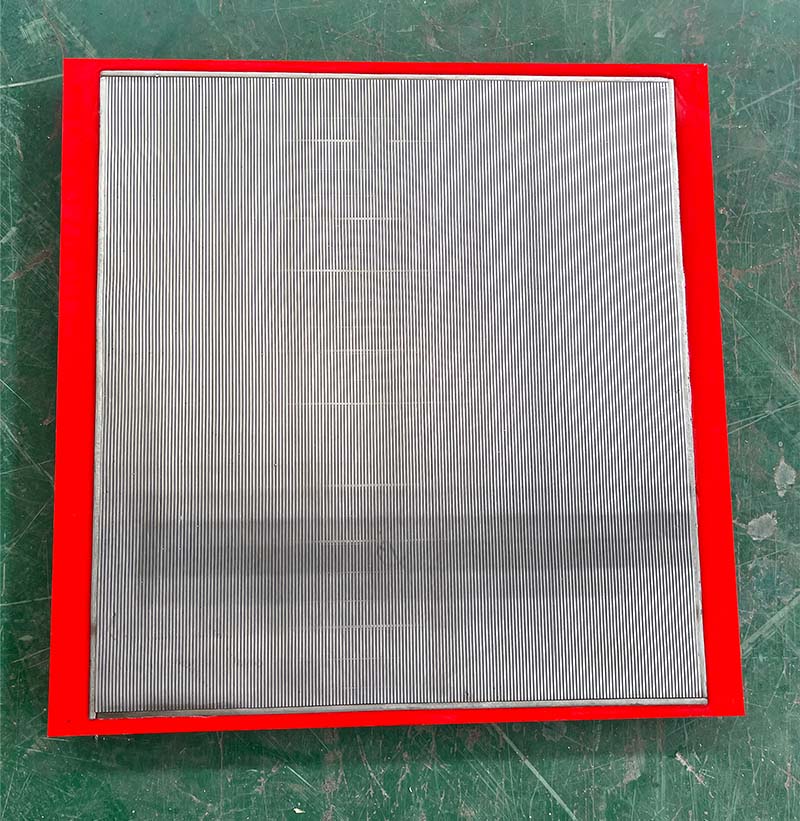
Wedge Wire Vibrating Screen
A stainless steel wedge wire vibrating screen is a solid-liquid separation device featuring a screen surface made by precisely welding V-shaped stainless steel wires, integrated with a high-frequency vibration system. With uniform slots, wear resistance, and corrosion resistance, it is suitable for wet screening and dewatering operations. The vibration mechanism enables rapid material dispersion and efficient sieving while effectively preventing screen clogging. Widely used in industries such as mining, metallurgy, food processing, and environmental protection, it is particularly suitable for handling fine particles, high-viscosity, or easily agglomerated materials, offering advantages such as high screening accuracy, large processing capacity, and long service life.
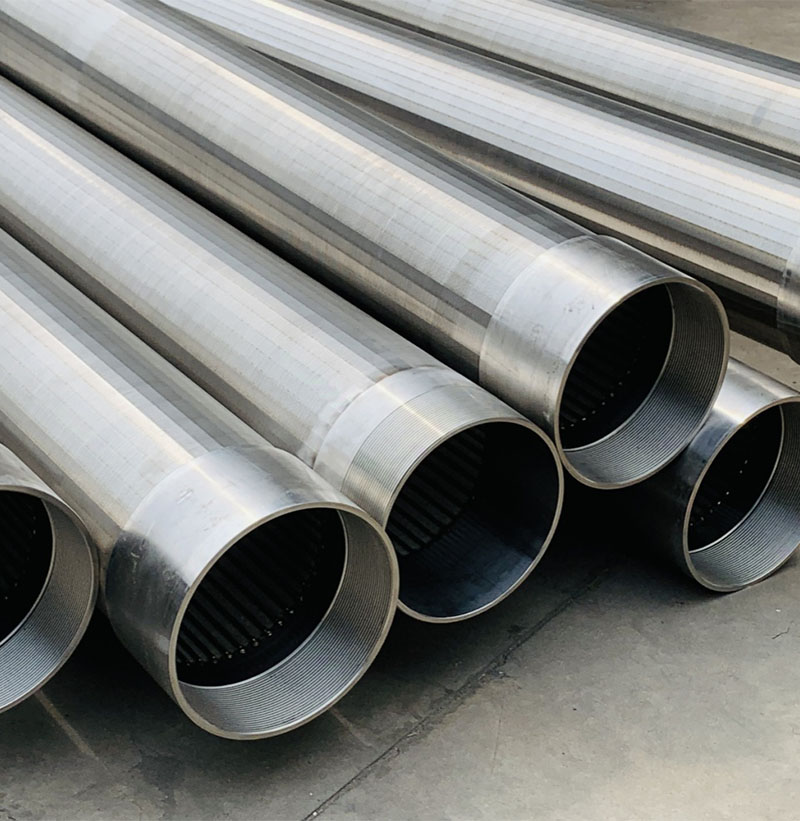
Wedge Wire Water Well Screen
Johnson Deep Water Well Screens, also referred to as continuous slot screens or wire wrap screens, were originally developed to solve sand control challenges in fine-grained and uniform sand formations. These geological conditions are commonly encountered in deep groundwater aquifers, where conventional perforated pipes often suffer from clogging, excessive sand production, and reduced well efficiency.
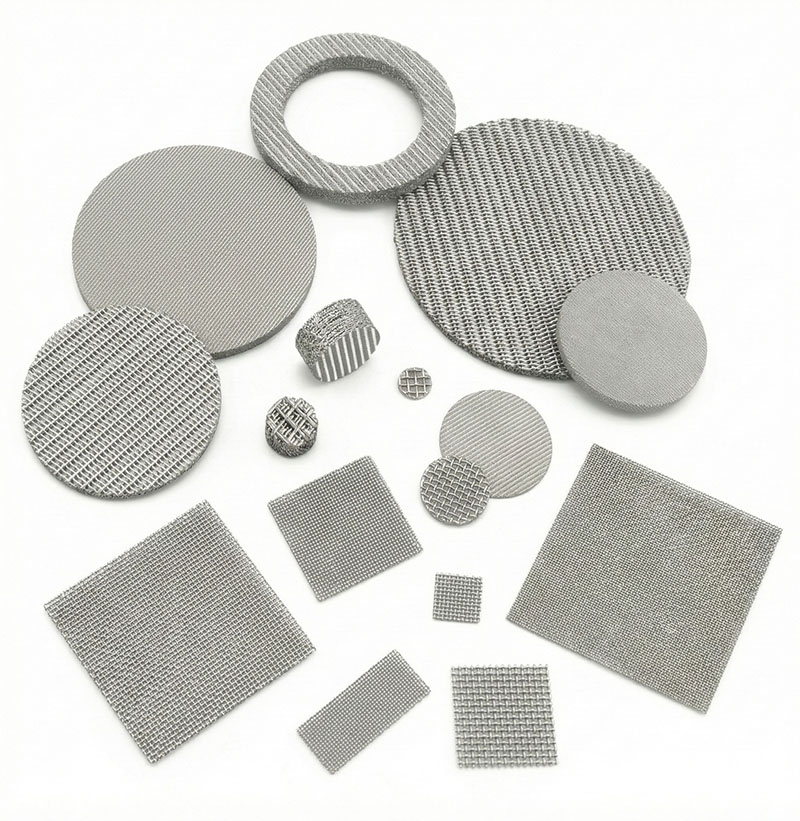
Sintered Mesh Plate and Disc
Sintered Mesh Plates and Discs are high-precision filtration components fabricated by bonding multiple layers of stainless steel wire mesh through a specialized vacuum sintering process. Unlike traditional mesh that relies on mechanical weaving alone, these plates are fused at every contact point, transforming individual wires into a rigid, integrated porous metal sheet.
These plates can be customized into various shapes, most commonly circular discs, to fit specific industrial equipment. They offer an ideal balance of high permeability, extreme structural integrity, and precise filtration ratings. Because they are made entirely of metal (typically 304 or 316L), they provide a "permanent" filtration solution that can withstand high temperatures and corrosive chemicals while remaining fully cleanable and reusable.