
À propos de nous
Votre fabricant expert d'écrans de fil de coin;
Votre partenaire fiable et source d’innovation
Obtenez un devis gratuit
-
Accueil

-
Blog
-
Blog de l'industrie
- Why Custom Engineering Capability Defines a Reliable Johnson Wedge Wire Screen Supplier
Why Custom Engineering Capability Defines a Reliable Johnson Wedge Wire Screen Supplier
-
 auteur
 - 21,mai
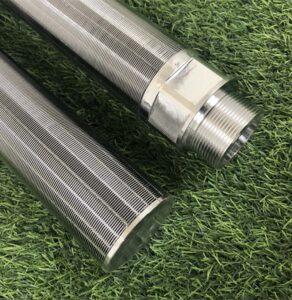
In important factory filtering work, a basic all-purpose method usually causes major setup breakdowns. It also brings more stop times and large income losses. Regular screens often miss the needed flow amounts. They fail to handle strong force demands. Besides, they do not match well with materials in special tasks. These tasks include deep hole pulling or big seawater drawing. Real steadiness in a partner goes beyond the simple making of goods from a johnson screen manufacturer.It comes from the ability to adjust with custom engineering. This lets a provider fit a Johnson wedge wire screen to your particular work conditions.
What is Custom Engineering in the Context of Johnson Screens
Tailored building for factory filtering reaches well past changing simple length and width sizes. It calls for fine detail work and frame planning. These steps make sure the gear works well under stress. At the heart, this skill includes exact handling of gap exactness. The tolerance often reaches 25 microns. This proves key for keeping steady filtering results.
Substance knowledge forms another main part of tailored building. Picking from 304, 316L, Duplex 2205, or Hastelloy means an ongoing fight against rust. Skilled advice becomes necessary for this. For instance, 316L suits many uses well. However, it might not hold up in areas with much salt over 50°C. In those situations, a steady provider needs to suggest special mixes like 904L or Duplex. This helps ensure the item lasts a long time.
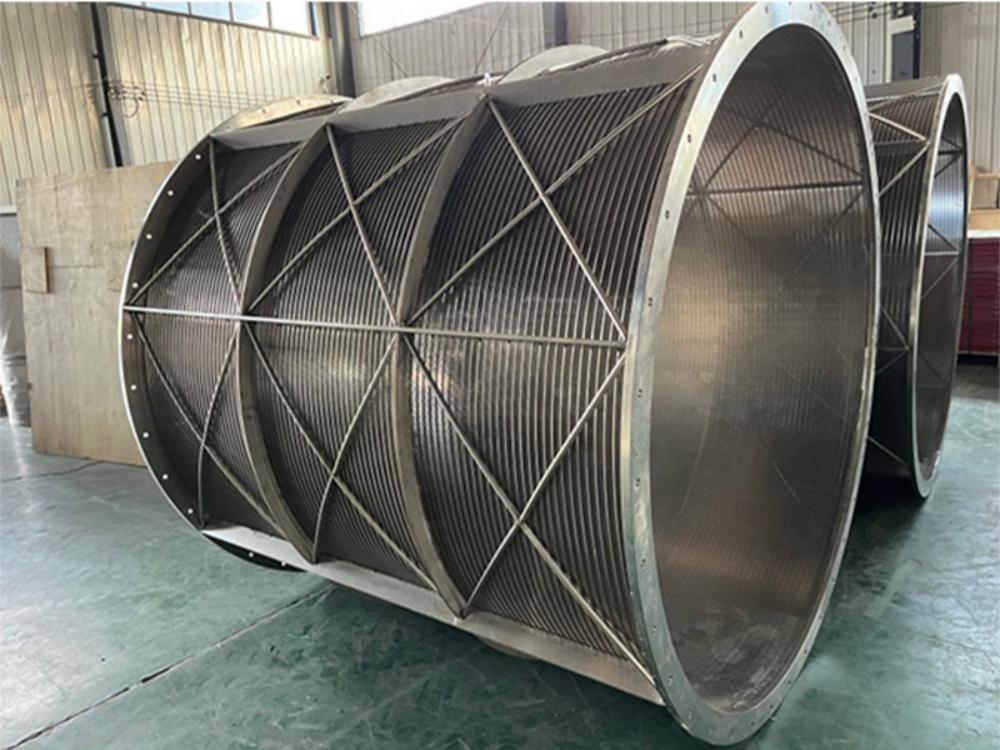
On top of that, frame flexibility makes it possible to turn base materials into varied forms. Your setup might need cone baskets. It could call for bent sieve curves. Or, it may require side units made to match certain container sizes and flow ways. Tailored building makes sure the screen fits smoothly into your current setup.
Why Slot Precision is Critical for a Johnson Stainless Steel Well Screen
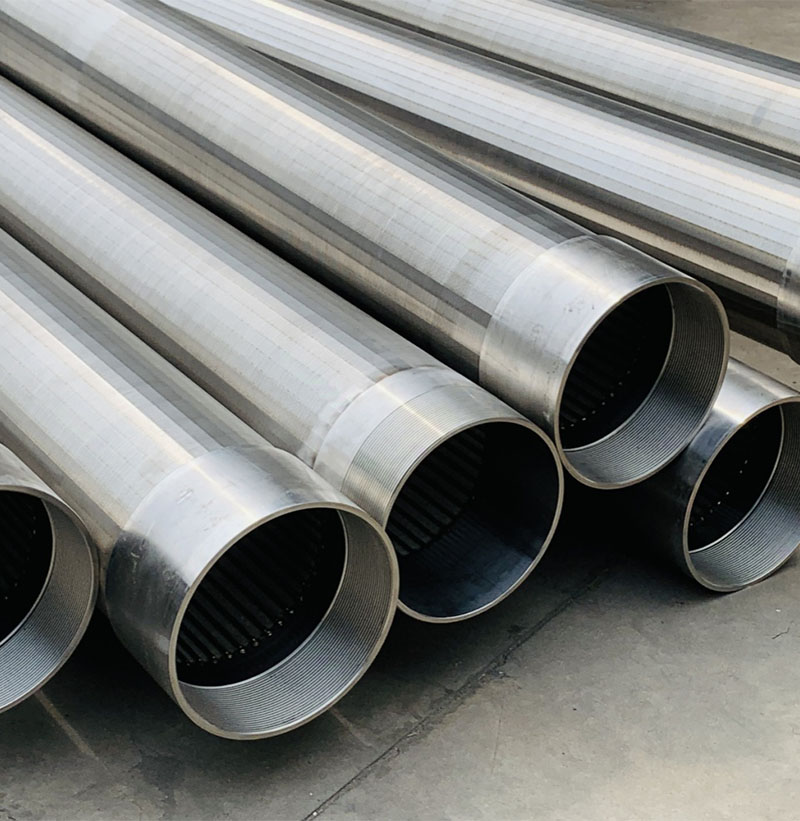
In ground water or oil and gas uses, the work of a johnson stainless steel well screen depends on how it balances sand holding and flow amount. Built-to-fit gaps, usually from 0.2mm to 3.0mm, aim to stop the hole wall falls. They keep the back layer small bits. At the same time, these gaps boost the set output level.
The V-form wire stands as a key sign of this method. It uses an angled wire to make an inside-tight-outside-broad gap setup. Because of this, the screen stops bits from getting stuck. This shape means any bit small enough to go into the gap can move through it. As a result, reverse washing becomes simpler. It also keeps a large open space.
In deep hole tasks, lasting strength matters most. Tailored building lets you pick certain hold bar forms and spacing. These inside parts are planned to face huge layer forces in deep water layers. Thus, the screen avoids bending or falling over many years of use.
| Caractéristique | Technical Specification | Industrial Benefit |
| Slot Opening | 0.025mm – 20mm | Precise solid-liquid separation |
| Espace ouvert | Jusqu'à 60% | Lower pressure drop, higher flow |
| Wire Profiles | 12S, 22S, 32S, 42S, 52S | Optimized for mechanical strength |
| Support Rods | Round, Triangular, or Trapezoidal | Enhanced collapse resistance |
| Max Diameter | Up to 1200mm | Suitable for large-scale intake |
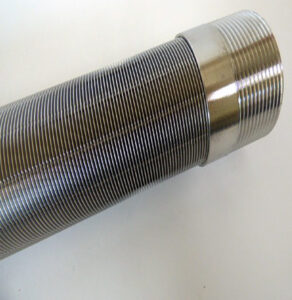
How Engineering Expertise Protects Johnson Water Intake Screens in Marine Environments
Working in sea settings brings a special group of problems. These include growth of sea life, fast bits from water speed, and strong salt water wear. Johnson water intake screens from a clin fil écran en gros provider need to be built to last in these conditions.They should not require regular handwork.
To fight these problems, providers use forward anti-growth fixes. This covers special copper-nickel mixes or strong cover layers. They work like a tough shield against salt parts and sea buildup. Building the draw system also needs a solid grasp of water flow rules. By figuring out the V path flow routes, builders make sure of good flow amounts with little force loss. This guards soft water life. It also stops bits from sticking to the screen face.
What Industrial Buyers Should Look for in a Technical Workflow
A steady work process forms the base of good quality. When checking a partner, factory buyers should focus on a johnson screen manufacturer with ISO-approved quality control setups.Following ISO9001, ISO45001, and ISO14001 makes certain each step fits world safety and work rules. This goes from getting base materials to the final send-out.
Forward-thinking tech holds equal weight. The use of computer-based heat joining and exact wrap work makes sure there are no empty spots in the screen. Every spot where the angled wire meets the hold bar must give a full, even join. This guarantees the frame’s solid build.
Also, a smart provider gives a model and test facts. Do not depend only on planned filter lines. They can mislead in changing flow states. Instead, seek providers that share test run data. This real proof shows how the johnson wedge wire screen will work with your certain mix or liquid kind. It does this before full making starts.
How Custom Screens Reduce Your Total Cost of Ownership
Putting money into a built-to-fit fix greatly cuts the full cost of holding over the gear’s life.
- Extended Service Life: A carefully built screen can last five to ten times more than usual woven net or holed pipe. This sharply lowers the number and price of changes.
- Energy Efficiency: With large open spaces often from 30% to 50%, these screens cut the liquid push. This lets drives work better. As a result, it brings big energy cuts.
- Maintenance Savings: The even, self-clear faces suit auto clean-in-place setups well. By cutting the need for hand cleaning, plants can skip high-cost stop times and work costs.
Conclusion
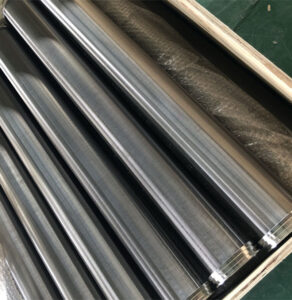
Picking a provider for your filtering needs means more than a basic deal. It builds a building partnership. Your setup’s steadiness relies on the link between factory-level skill and bendable, place-based tailoring. At BTOSLOT, we know every small bit counts. By mixing forward substance knowledge with exact making, we make sure each Johnson wedge wire screen gives the lasting strength and good work needed for the world’s toughest factory tasks.
FAQ
What factors influence the quote for a johnson wedge wire screen?
The price for a johnson wedge wire screen comes from several work factors. These include the type of stainless steel, like 304, 316L, or Duplex. The full face area matters too. Also, the details of the built gap size play a role. Further, the frame load needs to decide the size and spacing of hold bars. Any special face treatments, such as making a passive or electric polish, will affect the last cost.
How do I choose the correct slot opening for a Johnson stainless steel well screen?
Picking the right gap size needs a check of your bit size spread. Often, a gap set to the D85 of the nearby layer or the goal hold size works. Yet, if the bits can bend, like living clumps, we suggest a smaller gap. This is about 50-70% of the bit size. For key tasks, doing a test run with a BTOSLOT sample stands as the best way to confirm the right opening.
Why is my Johnson Water intake screens system experiencing corrosion?
Even strong 316L stainless steel can face pit or cracking in areas with high salt sea settings or under thick buildup. If your Johnson water intake screens show signs of breakdown, it could stem from high work heat or missing proper maintenance. In strong chemical or salt water use, moving to Duplex stainless steel or Hastelloy often proves needed to keep long-term firmness.
What is the typical lead time for a custom-engineered BTOSLOT project?
The wait time for a built johnson wedge wire screen changes with material ready and build detail. In general, usual specs can move fast. But tasks needing special mixes or detailed frame building may need a few weeks. We focus on a strict quality check process. This includes join strength tests and gap exact checks. It ensures every item fits the world rules before sending.
Can a Johnson wedge wire screen be repaired if damaged?
These screens get made for strong lasting. Still, hard hits can harm the face at times. In many cases, small parts of a johnson wedge wire screen can be fixed or swapped by skilled joiners. This happens without hurting the whole unit. However, to keep the filter gap’s solid build, it often costs less to change set panels or baskets. This applies especially in high-force or high-detail uses.
Article récent
Produits connexes
Produits les plus vendus
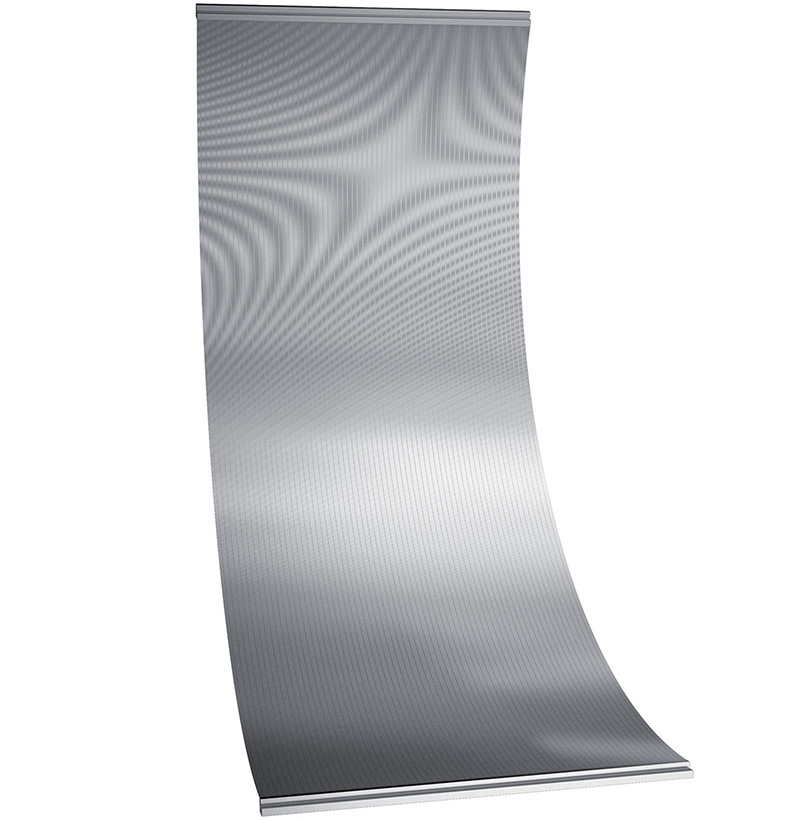
écran amidon
Le Wedge Wire Starch Curved Screen est un dispositif de criblage courbé spécialement conçu pour l'industrie de l'amidon. Il dispose d'une surface d'écran en forme d'arc faite de fils en acier inoxydable en profil V soudés avec précision, utilisant la force centrifuge ou la gravité pour réaliser une déshydratation rapide et la classification de la boue d'amidon. Sa structure courbe prolonge le temps de rétention des boues, améliorant l'efficacité de la séparation solide-liquide. Il convient pour l'extraction d'amidon, le raffinage et les processus de récupération de sous-produits pour les amidons tels que la pomme de terre, le maïs et le manioc. Caractérisé par un criblage efficace, une résistance à l'usure et à l'obstruction et une maintenance facile, cet équipement est un dispositif de séparation solide-liquide clé dans le traitement moderne de l'amidon.
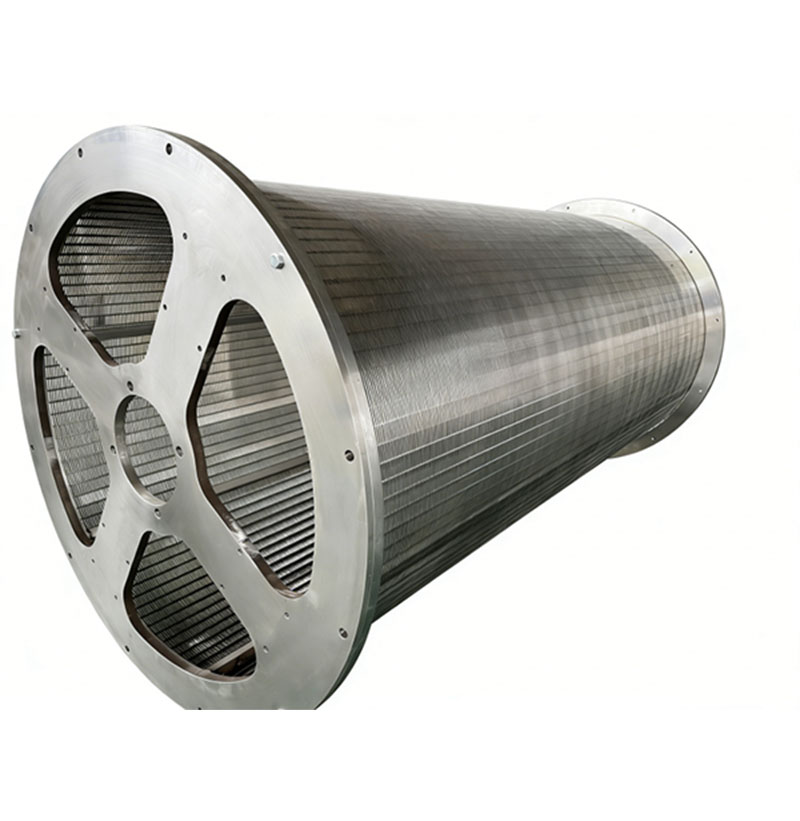
tambour rotatif
L'écran de tambour rotatif en acier inoxydable (également connu sous le nom de filtre de tambour rotatif ou micro-écran) est un dispositif de séparation solide-liquide frontal fonctionnant en continu et automatiquement. Son élément central est un grand tambour cylindrique installé horizontalement ou en légère inclinaison. Toute la surface circonférentielle du tambour est recouverte d'un écran en acier inoxydable (écran Johnson). Les eaux usées à traiter s'écoulent dans une extrémité du tambour. Sous la gravité, le filtrat passe à travers les fentes de fil de coin, tandis que la matière solide en suspension (telles que les fibres, les cheveux, les morceaux de plastique et les particules fines) est retenue sur la surface interne du tambour. Au fur et à mesure que le tambour tourne lentement, les débris retenus sont soulevés vers le haut, où ils sont rincés par l'eau pulvérisée dans un trou de collecte, permettant ainsi un processus continu de filtration automatique et d'élimination des résidus.
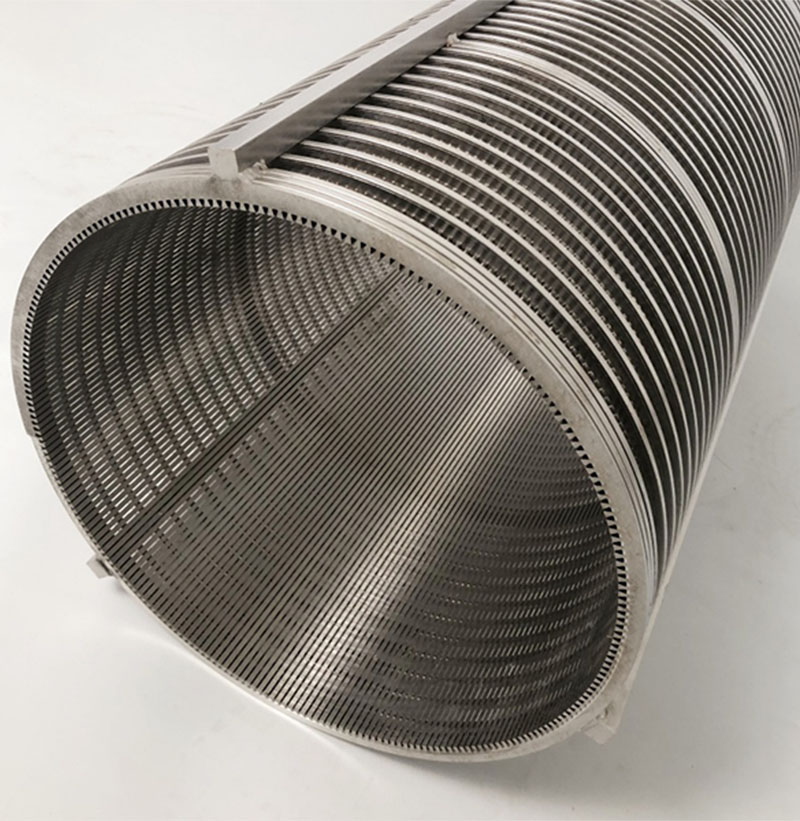
Panier d'écran pour séparateur de presse à vis
Le panier d'écran en fil de coin en acier inoxydable, communément connu sous le nom de "écran en V", "panier d'écran de presse" ou "cylindre d'écran", est un composant central des séparateurs solide-liquide de presse à vis. Il est installé à l'intérieur de la presse à spirale, encerclant l'arbre à vis rotatif. Le principe de fonctionnement est le suivant: la boue brute à forte teneur en humidité est poussée dans le panier d'écran par l'arbre à vis. Sous l'action de compression et de transport des vols en spirale, le liquide (filtrat) est forcé à travers les fentes précises et continues du panier d'écran, tandis que le matériau solide (gâteau de fumier) est retenu à l'intérieur et continue d'être comprimé et déshydraté au fur et à mesure qu'il avance. Enfin, les solides déshydratés sont déchargés de la sortie, permettant une séparation solide-liquide.
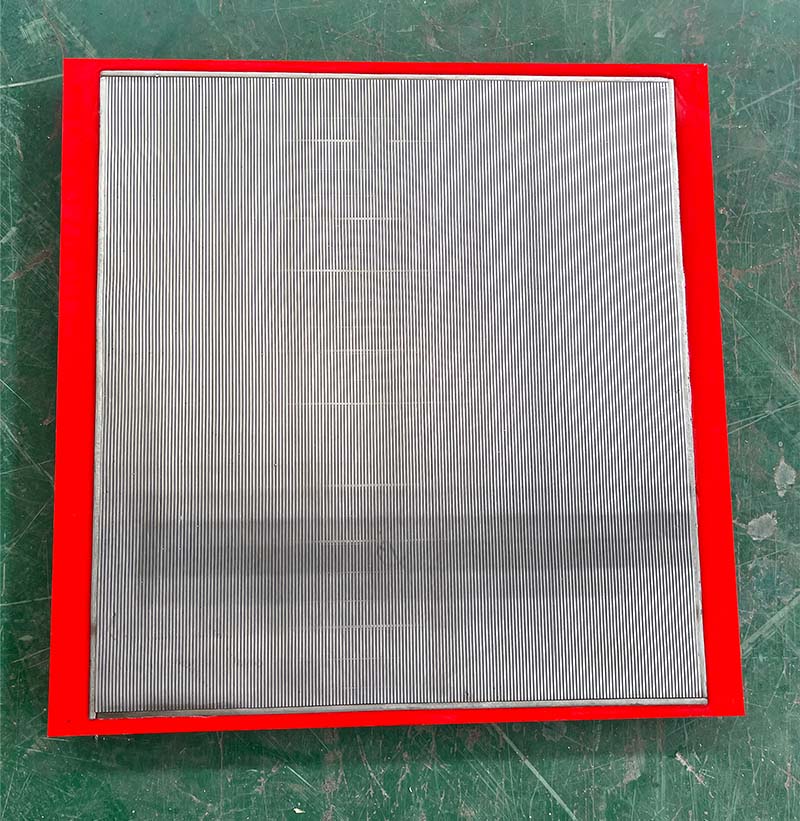
Ecran vibrant de fil de coin
Un écran vibrant en fil de coin en acier inoxydable est un dispositif de séparation solide-liquide comportant une surface d'écran réalisée par soudage précis de fils en acier inoxydable en forme de V, intégré à un système de vibration haute fréquence. Avec des fentes uniformes, une résistance à l'usure et une résistance à la corrosion, il convient aux opérations de filtrage humide et de déshydratation. Le mécanisme de vibration permet une dispersion rapide du matériau et un tamissage efficace tout en empêchant efficacement l'obstruction de l'écran. Largement utilisé dans des industries telles que l'exploitation minière, la métallurgie, la transformation des aliments et la protection de l'environnement, il est particulièrement adapté pour manipuler des particules fines, des matériaux à haute viscosité ou facilement agglomérables, offrant des avantages tels que la précision de criblage élevée, une grande capacité de traitement et une longue durée de vie.
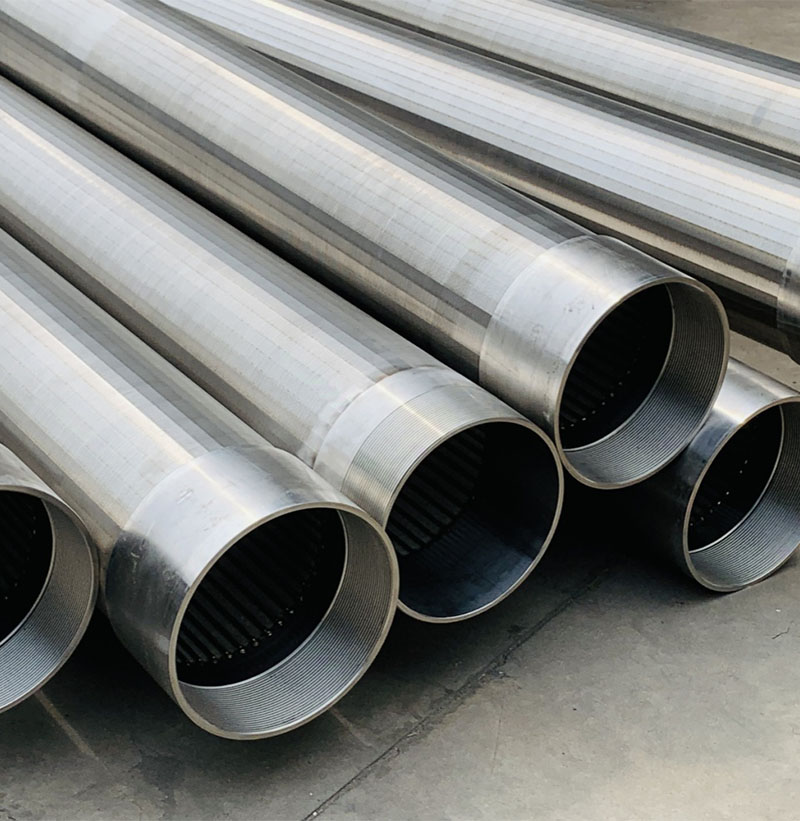
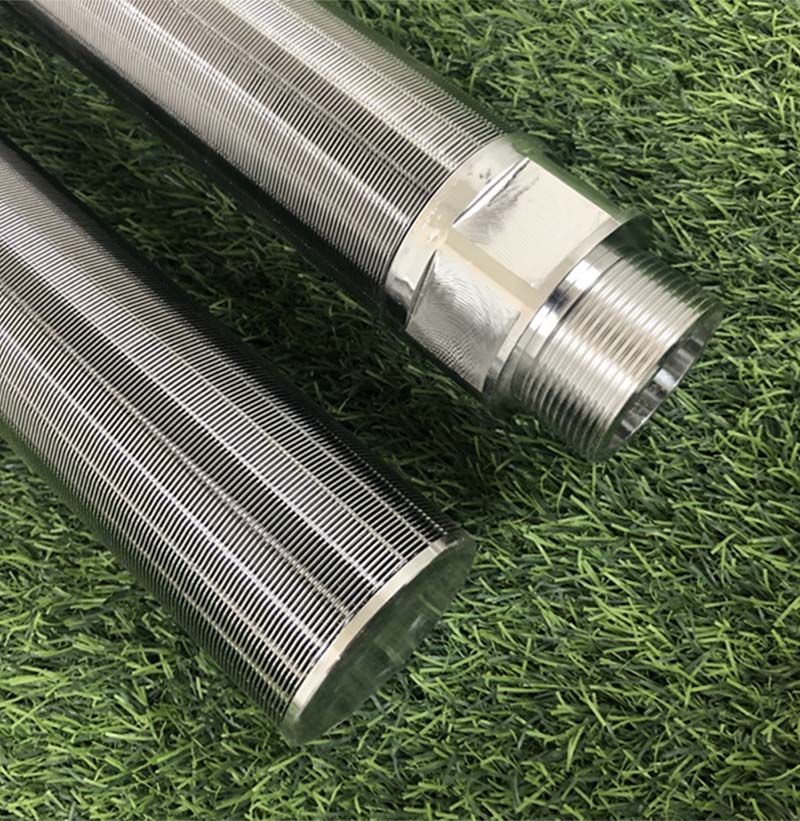
Écran de puits d'eau de fil de coin
Les écrans de puits d'eau profonde Johnson, également appelés écrans de fente continue ou écrans d'enveloppement de fil, ont été développés à l'origine pour résoudre les problèmes de contrôle du sable dans les formations de sable fine graine et uniforme. Ces conditions géologiques sont couramment rencontrées dans les aquifères souterrains profonds, où les tuyaux perforés conventionnels souffrent souvent d'obstruction, de production excessive de sable et de réduction de l'efficacité des puits.
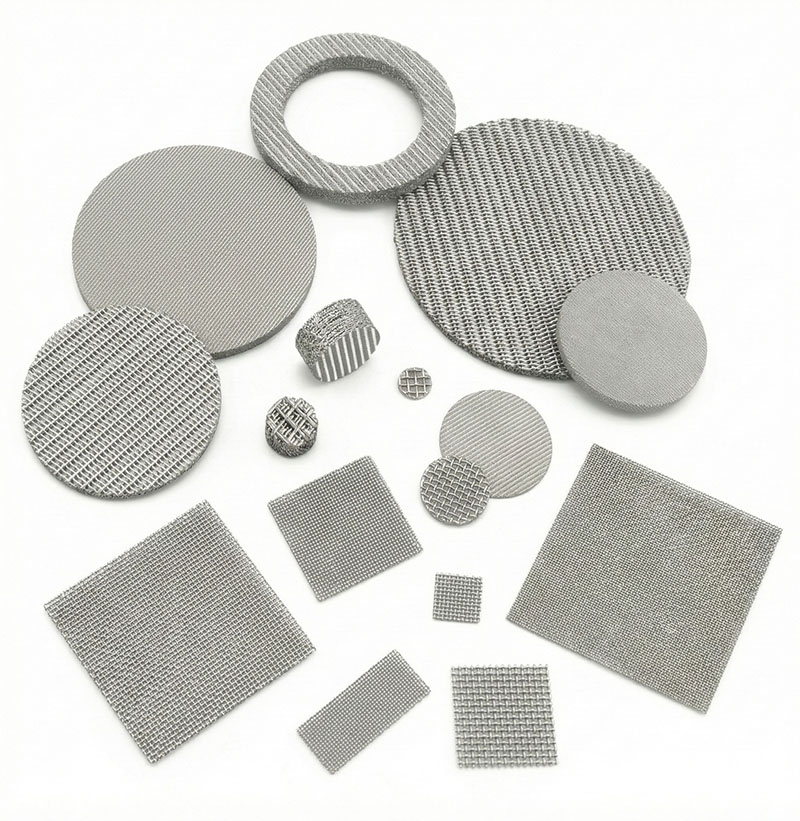
Plaque et disque en maille fritté
Les plaques et disques de maillage fritté sont des composants de filtration de haute précision fabriqués en liant plusieurs couches de maillage en acier inoxydable à travers un processus de frittage sous vide spécialisé. Contrairement au maillage traditionnel qui repose uniquement sur le tissage mécanique, ces plaques sont fusionnées à chaque point de contact, transformant des fils individuels en une tôle porouse rigide et intégrée.Ces plaques peuvent être personnalisées en différentes formes, le plus souvent des disques circulaires, pour s'adapter à des équipements industriels spécifiques. Ils offrent un équilibre idéal entre une perméabilité élevée, une intégrité structurelle extrême et des taux de filtration précis. Étant donné qu'ils sont entièrement en métal (généralement 304 ou 316L), ils fournissent une solution de filtration "permanente" qui peut résister aux températures élevées et aux produits chimiques corrosifs tout en restant entièrement nettoyables et réutilisables.