
Sobre nós
Seu fabricante especializado de telas Wedge Wire;
Seu parceiro confiável e fonte de inovação
Obter uma quota livre
-
Casa

-
Blog
-
Blog Industrial
- Por que a capacidade de engenharia personalizada define um fornecedor confiável de telas de arame Johnson Wedge?

Por que a capacidade de engenharia personalizada define um fornecedor confiável de telas de arame Johnson Wedge?
-
 autor
autor - 21,Maio
 autor
autor 
Em trabalhos importantes de filtragem industrial, um método básico e universal geralmente causa grandes falhas na configuração. Também acarreta mais paradas e grandes perdas de receita. As peneiras comuns frequentemente não atingem as vazões necessárias. Elas não suportam demandas de força elevadas. Além disso, não são adequadas para materiais em tarefas especiais. Essas tarefas incluem extração em furos profundos ou extração em grandes volumes de água do mar. A verdadeira estabilidade em um parceiro vai além da simples produção de bens a partir de uma única peneira. fabricante de telas JohnsonIsso se deve à capacidade de ajuste por meio de engenharia personalizada. Isso permite que um fornecedor adapte uma tela de arame Johnson Wedge às suas condições de trabalho específicas.
O que é Engenharia Personalizada no Contexto da Johnson Screens?
A construção sob medida para filtragem industrial vai muito além da simples alteração de dimensões (comprimento e largura). Requer um trabalho minucioso de detalhamento e planejamento da estrutura. Essas etapas garantem o bom funcionamento do equipamento sob pressão. Essencialmente, essa habilidade inclui o controle preciso das folgas. A tolerância frequentemente chega a 25 mícrons. Isso se mostra crucial para manter resultados de filtragem consistentes.
O conhecimento sobre os materiais utilizados é outro fator fundamental na construção personalizada. Escolher entre aço inoxidável 304, 316L, Duplex 2205 ou Hastelloy significa uma luta constante contra a ferrugem. Para isso, é essencial contar com a assessoria de um especialista. Por exemplo, o 316L é adequado para muitas aplicações. No entanto, pode não resistir a ambientes com alta concentração de sal e temperaturas acima de 50°C. Nessas situações, um fornecedor confiável deve recomendar ligas especiais como o 904L ou o Duplex. Isso ajuda a garantir a durabilidade do produto.
Além disso, a flexibilidade da estrutura permite transformar os materiais de base em diversas formas. Sua configuração pode precisar de cestos cônicos. Pode exigir curvas de peneira dobradas. Ou pode necessitar de unidades laterais feitas sob medida para se adaptarem a determinados tamanhos de recipientes e fluxos. A construção personalizada garante que a peneira se encaixe perfeitamente em sua configuração atual.
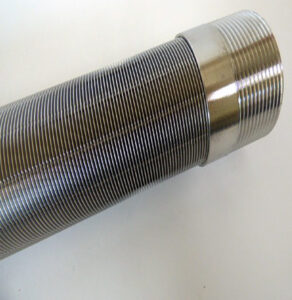
Por que a precisão da ranhura é fundamental para uma tela de poço de aço inoxidável da Johnson
Em aplicações de água subterrânea ou petróleo e gás, o desempenho de um filtro de poço de aço inoxidável Johnson depende do equilíbrio entre a retenção de areia e a vazão. As aberturas projetadas sob medida, geralmente de 0,2 mm a 3,0 mm, visam impedir o desmoronamento das paredes do poço, mantendo a camada posterior com partículas pequenas. Ao mesmo tempo, essas aberturas aumentam o nível de vazão definido.
O fio em formato de V é um elemento fundamental deste método. Ele utiliza um fio angulado para criar uma configuração com uma abertura interna estreita e uma externa ampla. Devido a isso, a tela impede que os fragmentos fiquem presos. Esse formato permite que qualquer fragmento pequeno o suficiente para passar pela abertura seja removido. Como resultado, a lavagem reversa torna-se mais simples. Além disso, mantém um amplo espaço livre.
Em trabalhos em poços profundos, a resistência duradoura é fundamental. A construção personalizada permite escolher formatos e espaçamentos específicos para as barras de sustentação. Essas peças internas são projetadas para suportar enormes forças de camadas em águas profundas. Assim, a tela evita deformações ou quedas ao longo de muitos anos de uso.
| Característica | Especificações técnicas | Benefício Industrial |
| Abertura de slot | 0,025 mm × 20 mm | Separação precisa de sólidos e líquidos |
| Área aberta | Até 60% | Menor queda de pressão, maior vazão |
| Perfis de Fios | 12S, 22S, 32S, 42S, 52S | Otimizado para resistência mecânica |
| Hastes de suporte | Redondo, triangular ou trapezoidal | Resistência aprimorada ao colapso |
| Diâmetro máximo | Até 1200 mm | Adequado para captação em larga escala |
Como a experiência em engenharia protege as telas de captação de água da Johnson em ambientes marinhos
Trabalhar em ambientes marinhos traz consigo um conjunto específico de problemas. Estes incluem o crescimento de vida marinha, a alta velocidade da água e o forte desgaste causado pela água salgada. As telas de entrada de água da Johnson, de um a venda por grosso da tela de fios Os equipamentos de suporte precisam ser construídos para durar nessas condições. Eles não devem exigir manutenção manual regular.
Para combater esses problemas, os fornecedores utilizam soluções anti-incrustantes avançadas. Isso inclui misturas especiais de cobre e níquel ou camadas de cobertura resistentes. Elas funcionam como um escudo robusto contra partículas de sal e acúmulo de água do mar. A construção do sistema de drenagem também exige um sólido conhecimento das regras de fluxo da água. Ao determinar os caminhos de fluxo em V, os construtores garantem vazões adequadas com pouca perda de pressão. Isso protege a vida aquática e impede que detritos grudem na tela do filtro.
O que os compradores industriais devem procurar em um fluxo de trabalho técnico
Um processo de trabalho constante constitui a base da boa qualidade. Ao avaliar um parceiro, os compradores de fábrica devem se concentrar em: fabricante de telas Johnson Com sistemas de controle de qualidade aprovados pela ISO. Seguir as normas ISO 9001, ISO 45001 e ISO 14001 garante que cada etapa esteja em conformidade com as normas internacionais de segurança e trabalho. Isso abrange desde a obtenção das matérias-primas até o envio final do produto.
Tecnologia inovadora tem igual importância. O uso de soldagem térmica computadorizada e um enrolamento preciso garantem que não haja espaços vazios na tela. Cada ponto onde o fio angulado encontra a barra de fixação deve proporcionar uma junção completa e uniforme. Isso garante a construção sólida da estrutura.
Além disso, um fornecedor inteligente oferece um modelo e dados de testes. Não dependa apenas de linhas de filtragem planejadas. Elas podem induzir a erros em condições de fluxo variáveis. Em vez disso, procure fornecedores que compartilhem dados de testes. Essa comprovação real mostra como a tela de arame Johnson Wedge funcionará com sua mistura ou tipo de líquido específico. Isso é feito antes do início da produção em larga escala.
Como as telas personalizadas reduzem o custo total de propriedade
Investir em uma solução sob medida reduz significativamente o custo total de manutenção ao longo da vida útil do equipamento.
- Vida útil prolongada: Uma tela cuidadosamente construída pode durar de cinco a dez vezes mais do que uma tela de malha ou tubo perfurado comuns. Isso reduz drasticamente o número e o custo das trocas.
- Eficiência energética: Com grandes espaços abertos, muitas vezes de 30% a 50%, essas telas reduzem o fluxo de líquido. Isso permite que os motores funcionem melhor. Como resultado, há uma grande economia de energia.
- Economia na manutenção: As superfícies uniformes e autolimpantes são ideais para sistemas de limpeza automática no local (AIP). Ao eliminar a necessidade de limpeza manual, as fábricas podem evitar paradas dispendiosas e custos de mão de obra elevados.
Conclusão
Escolher um fornecedor para suas necessidades de filtragem significa mais do que um simples negócio. Significa construir uma parceria sólida. A estabilidade da sua instalação depende da combinação entre conhecimento técnico de nível industrial e adaptação flexível e localizada. Na BTOSLOT, sabemos que cada detalhe conta. Ao unir conhecimento avançado de materiais com fabricação precisa, garantimos que cada tela de arame Johnson Wedge ofereça a resistência e o desempenho necessários para as tarefas industriais mais exigentes do mundo.
Perguntas frequentes
Quais fatores influenciam o preço de uma tela de arame Johnson Wedge?
O preço de uma tela de arame Johnson Wedge depende de diversos fatores de fabricação. Entre eles, o tipo de aço inoxidável, como 304, 316L ou Duplex. A área total da tela também é importante. Além disso, as dimensões da abertura da tela influenciam o preço. A carga na estrutura também determina o tamanho e o espaçamento das barras de retenção. Quaisquer tratamentos especiais na tela, como polimento passivo ou elétrico, afetarão o custo final.
Como faço para escolher a abertura correta para uma tela de poço de aço inoxidável da Johnson?
Escolher o espaçamento correto exige verificar a variação do tamanho da broca. Muitas vezes, um espaçamento definido como o D85 da camada próxima ou o tamanho do furo alvo funciona bem. No entanto, se as brocas puderem dobrar, como aglomerados vivos, sugerimos um espaçamento menor. Isso corresponde a cerca de 50-70% do tamanho da broca. Para tarefas críticas, realizar um teste com uma amostra BTOSLOT é a melhor maneira de confirmar a abertura correta.
Por que meu sistema de filtros de entrada de água Johnson está apresentando corrosão?
Mesmo o aço inoxidável 316L, de alta resistência, pode apresentar corrosão ou fissuras em áreas com alta salinidade ou sob acúmulo de material. Se as telas de entrada de água do seu Johnson apresentarem sinais de deterioração, isso pode ser devido ao calor excessivo durante o uso ou à falta de manutenção adequada. Em ambientes com alta concentração de produtos químicos ou em água salgada, a substituição por aço inoxidável duplex ou Hastelloy geralmente se mostra necessária para garantir a resistência a longo prazo.
Qual é o prazo de entrega típico para um projeto BTOSLOT personalizado?
O tempo de espera para uma tela de arame Johnson Wedge sob encomenda varia de acordo com a disponibilidade do material e os detalhes da construção. Em geral, especificações comuns podem ser atendidas rapidamente. No entanto, projetos que exigem misturas especiais ou construção de estruturas detalhadas podem levar algumas semanas. Priorizamos um rigoroso processo de controle de qualidade. Isso inclui testes de resistência das junções e verificações precisas das folgas. Garantimos que cada item atenda aos padrões internacionais antes do envio.
É possível reparar uma tela de arame Johnson Wedge se estiver danificada?
Essas telas são fabricadas para serem resistentes e duradouras. Mesmo assim, impactos fortes podem danificar a superfície ocasionalmente. Em muitos casos, pequenas partes de uma tela de arame Johnson Wedge podem ser consertadas ou substituídas por marceneiros qualificados. Isso acontece sem danificar toda a unidade. No entanto, para manter a estrutura sólida do filtro, geralmente é mais econômico trocar os painéis ou cestos. Isso se aplica especialmente a aplicações que exigem alta força ou alta precisão.
Recent Post
Produtos relacionados
Produtos de melhor venda
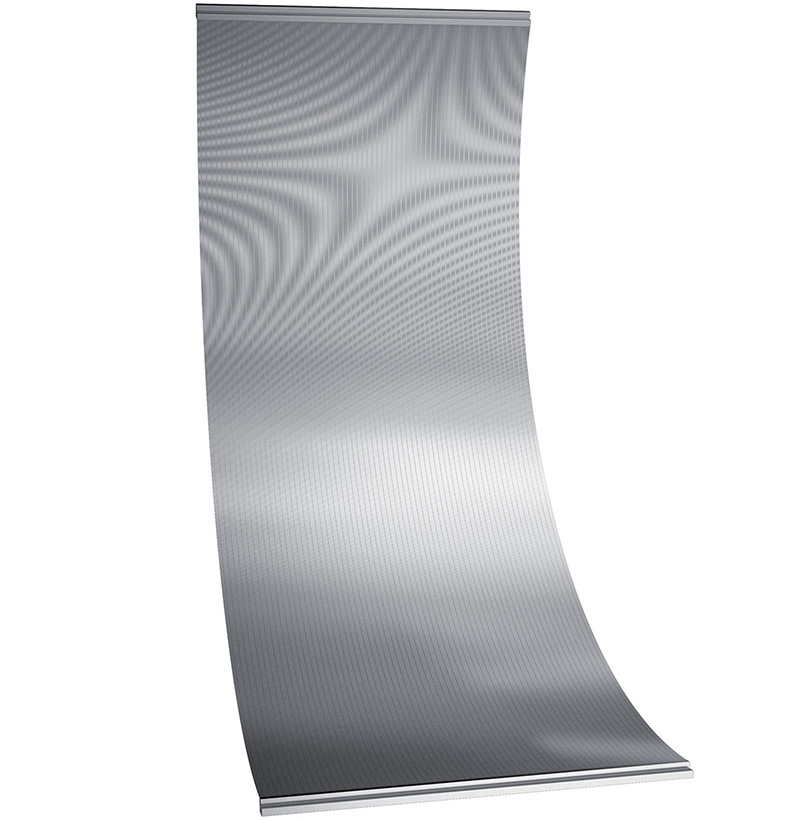
Pantalla Starch
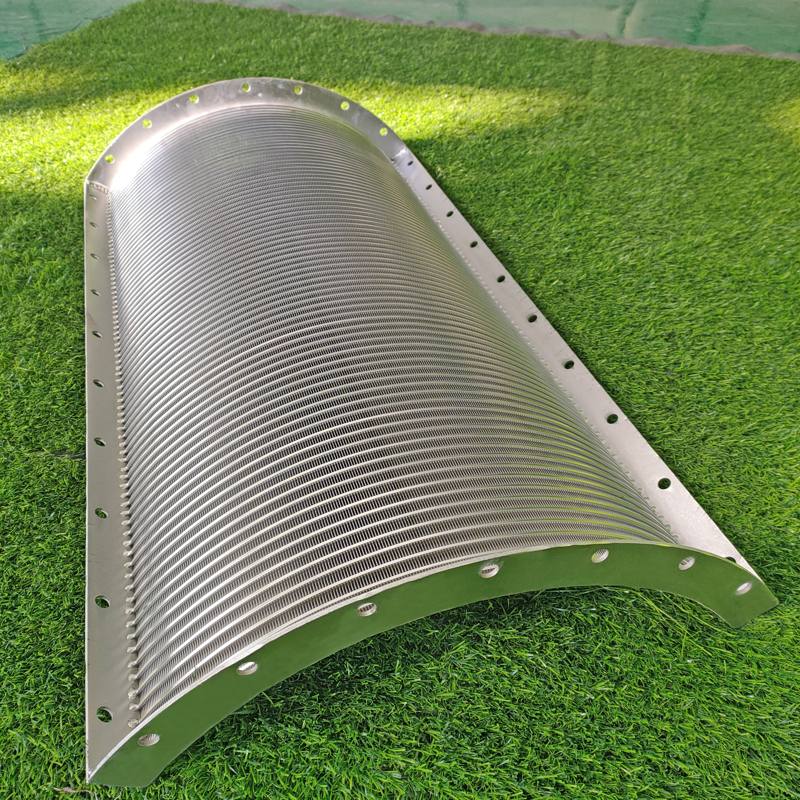
A Wedge Wire Starch Curved Screen é um dispositivo de rastreamento curvo especificamente projetado para a indústria do amido. Ela apresenta uma superfície de tela em forma de arco feita de fios de aço inoxidável de perfil V, bem suavizados, utilizando força centrífuga ou gravidade para alcançar deságua rápida e classificação de molho de amido. Sua estrutura curva prolonga o tempo de retenção de esgoto, melhorando a eficiência de separação sólida-líquida. É adequado para extração de amido, refinação e processos de recuperação de subprodutos para amidos como batata, milho e cassava. Caracterizado por um rastreio eficiente, resistência ao uso e bloqueio, e manutenção fácil, este equipamento é um dispositivo de separação sólido-líquido chave no processo moderno de amido.
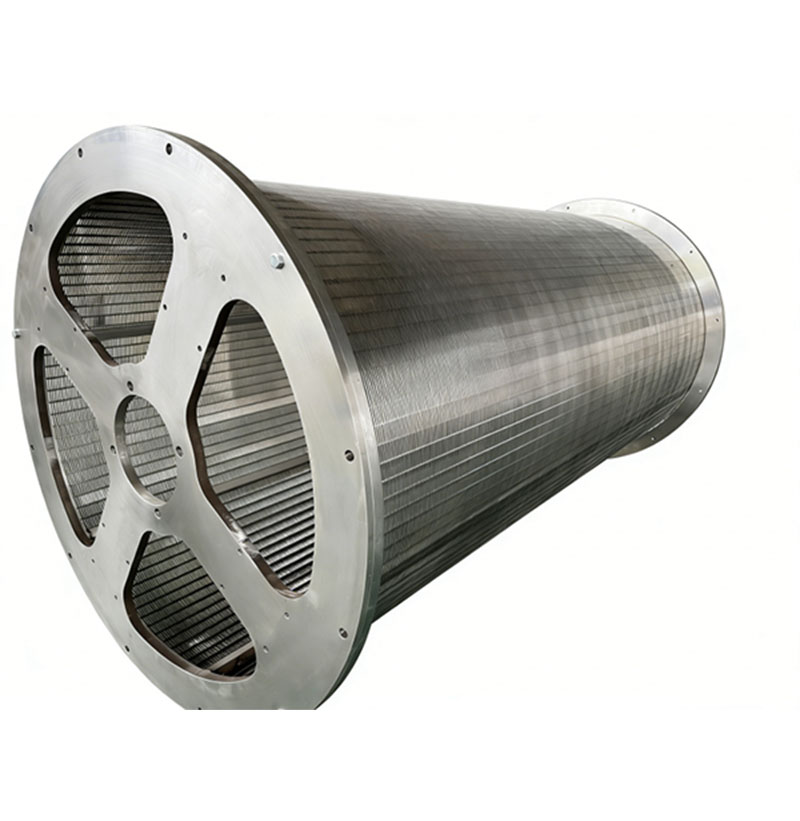
Drum Rotar
A tela rotatória de tubo de fio de ferro inoxidável Wedge Wire (também conhecida como um estrangeiro rotatório de tubo ou micro-tela) é um dispositivo de separação sólido-líquido de fronte que funciona continuamente e automaticamente. Seu componente central é um grande tambor cilindrico instalado horizontalmente ou em uma ligeira inclinação. A superfície circunferencial inteira do tambor está coberta com uma tela de fio de fio de a ço inoxidável (tela Johnson). A água residual a ser tratada flui para um extremo do tambor. Sob a gravidade, o filtrado passa através dos intervalos de fio de corda, enquanto matéria sólida suspensa (como fibras, cabelo, peças plásticas e partículas finas) é mantida na superfície interior do tambor. À medida que o tambor gira lentamente, os resíduos retirados são levantados para o topo, onde são lavados por água pulverizada em um tronco de coleta, atingindo um processo contínuo de rastreamento automático, filtração e remoção de resíduos
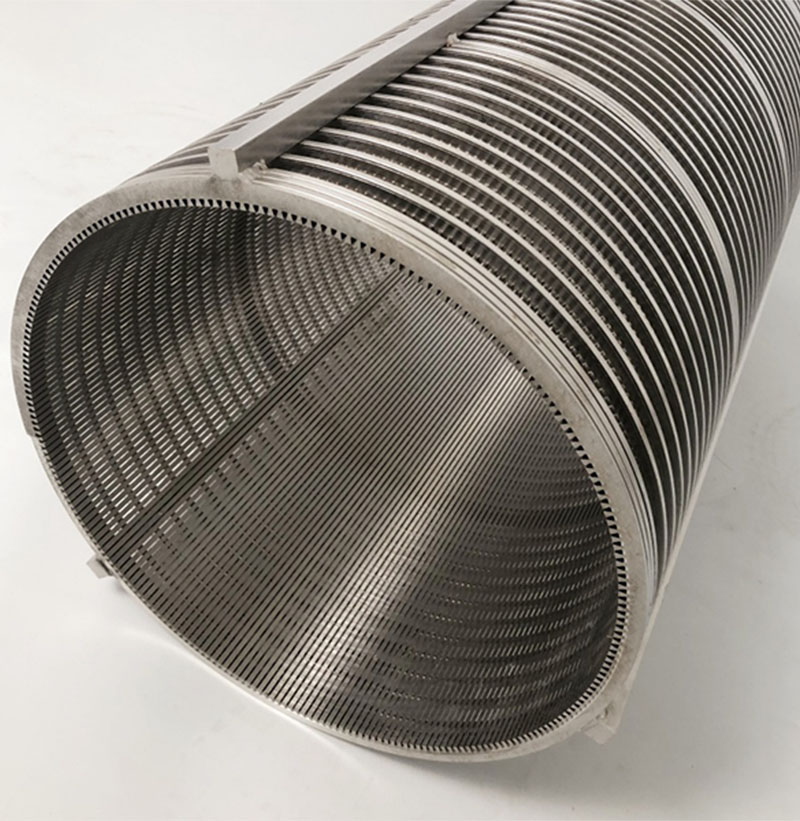
Basquete de Pantalla para Separador de Impressão de Pantalla
O cesto de tela de fio de a ço inoxidável, comumente conhecido como "tela de fio V", "cesto de tela de pulsação" ou "cilindro de tela", é um componente central de separadores de fio de pulsação sólido-líquido. - Está instalado dentro da imprensa espiral, encerrando o barro rotante. O princípio de funcionamento é o seguinte: a chuva bruta com alto conteúdo de umidade é empurrada no cesto da tela pelo barro de screw. Sob a ação de apertação e de transmissão dos voos espirais, o líquido (filtrado) é forçado a sair através dos slots precisos e contínuos do cesto da tela, enquanto o material sólido (bolo de manteiga) é mantido dentro e continua a ser comprimido e desmatado enquanto se move em frente. Finalmente, os sólidos deshidratados são descarregados da saída, atingindo separação sólida-líquida.
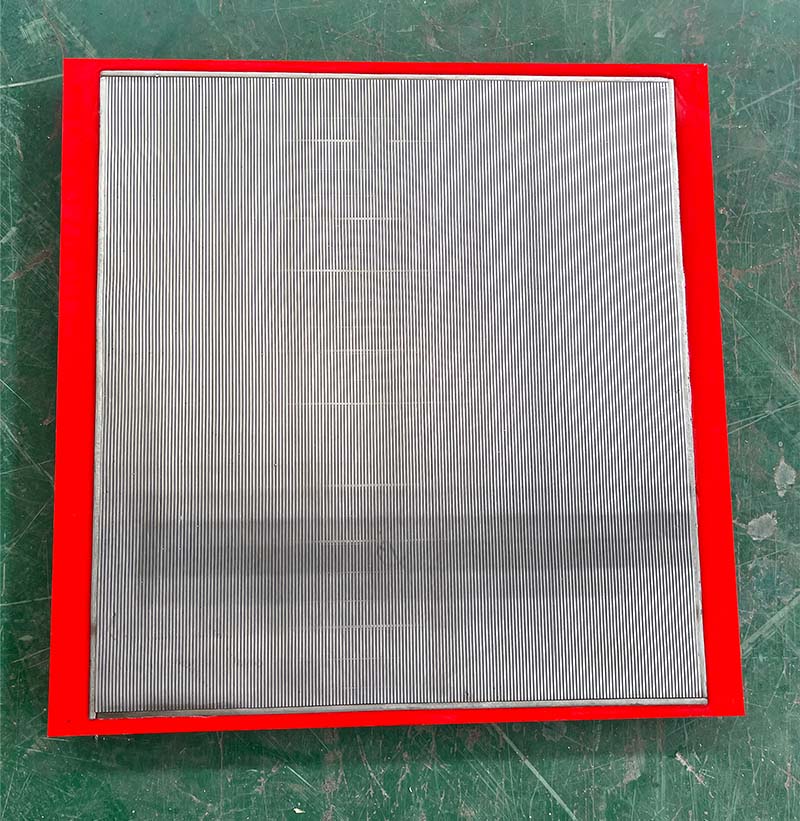
Wedge Wire Vibrating Screen
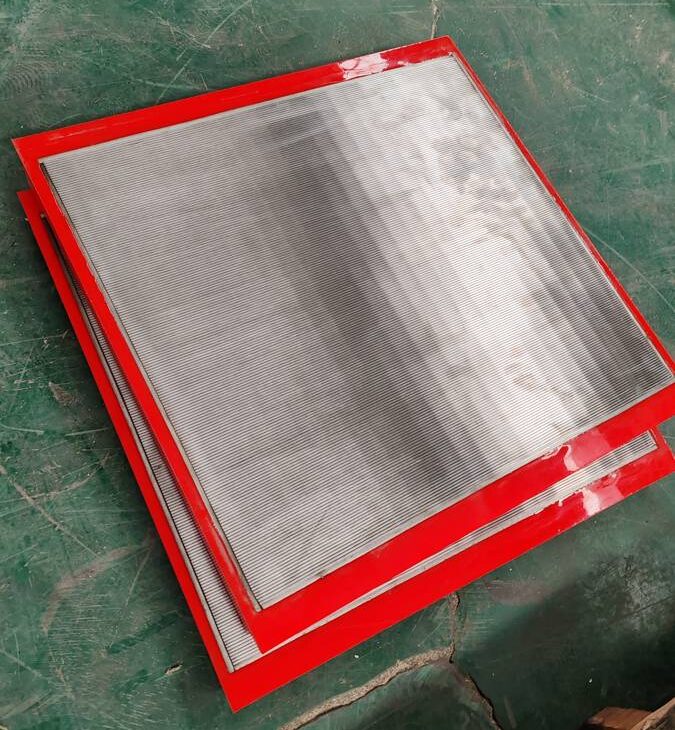
Uma tela de vibração de fios de a ço inoxidável é um dispositivo de separação sólido-líquido com uma superfície de tela feita precisamente soldando fios de aço inoxidável em forma V, integrado com um sistema de vibração de alta frequência. Com slots uniformes, resistência ao uso e resistência à corrosão, é adequado para operações de rastreamento húmido e desmatamento. O mecanismo de vibração permite uma rápida dispersão de materiais e uma assediação eficiente, evitando efetivamente o bloqueio da tela. Uma grande utilização em indústrias como mineração, metalurgia, processamento de alimentos e proteção ambiental, é particularmente adequada para manejar partículas finas, alta viscosidade ou materiais facilmente aglomerados, oferecendo vantagens como alta precisão de rastreamento, grande capacidade de processamento e longa vida de serviço.
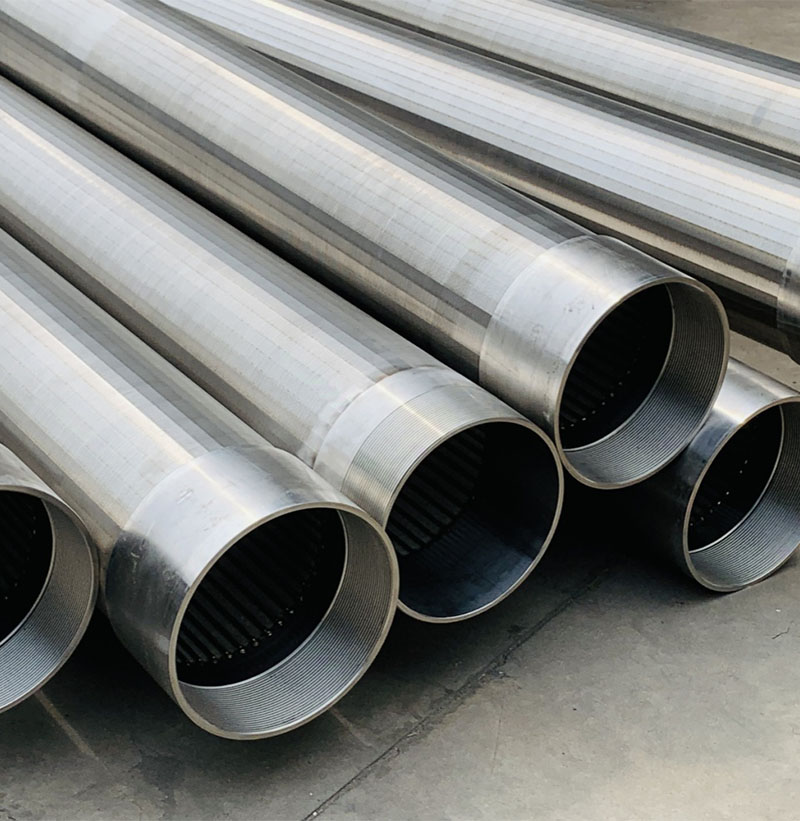
Wedge Wire Water Well Screen
Johnson Deep Water Well Screens, também chamadas de telas de slot contínuas ou telas de envolvimento de fios, foram originalmente desenvolvidos para resolver desafios de controle de areia em formações de areia finas e uniformes. Essas condições geológicas são comumente encontradas em aquíferos de água subterrânea profunda, onde tubos perforados convencionais frequentemente sofrem de obstruções, produção excessiva de areia e redução da eficiência do poço.
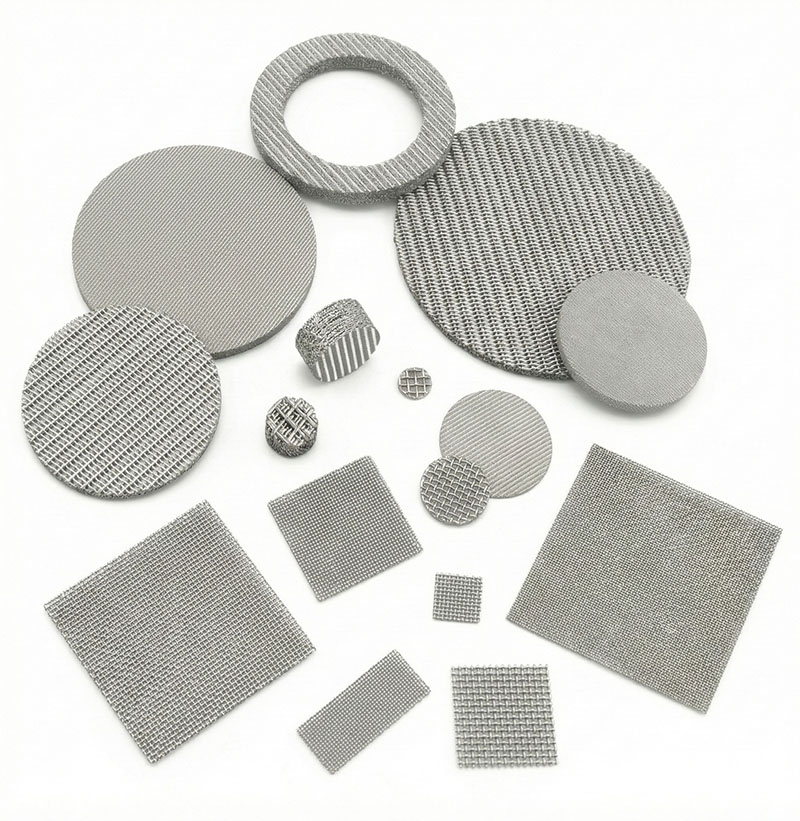
Plata e Disco de Malha Sintered
Platas e discos de malha sinteradas são componentes de filtração de alta precisão fabricados ligando múltiplas camadas de malha de fio de a ço inoxidável através de um processo de sinterização de vácuo especializado. Ao contrário das malhas tradicionais que dependem apenas de tecido mecânico, essas placas são fusionadas em todos os pontos de contato, transformando fios individuais em uma folha metal rígida e integrada porosa.Essas placas podem ser personalizadas em várias formas, mais comunmente discos circulares, para encaixar equipamentos industriais específicos. Eles oferecem um equilíbrio ideal de alta permeabilidade, integridade estrutural extrema e notações de filtração precisas. Porque são feitos inteiramente de metal (tipicamente 304 ou 316L), eles fornecem uma solução de filtração "permanente" que pode resistir a altas temperaturas e substâncias químicas corrosivas enquanto permanecem completamente limpas e reutilizables.