
ABOUT US
Your Expert Manufacturer of Wedge Wire Screens;
Your Reliable Partner and Source of Innovation
GET A FREE QUOTE
-
Home

-
Blog
-
Industry Blog
- Why Custom Engineering Capability Defines a Reliable Johnson Wedge Wire Screen Supplier

Why Custom Engineering Capability Defines a Reliable Johnson Wedge Wire Screen Supplier
-
 author
 - 21,May
 author
In important factory filtering work, a basic all-purpose method usually causes major setup breakdowns. It also brings more stop times and large income losses. Regular screens often miss the needed flow amounts. They fail to handle strong force demands. Besides, they do not match well with materials in special tasks. These tasks include deep hole pulling or big seawater drawing. Real steadiness in a partner goes beyond the simple making of goods from a johnson screen manufacturer.It comes from the ability to adjust with custom engineering. This lets a provider fit a Johnson wedge wire screen to your particular work conditions.
What is Custom Engineering in the Context of Johnson Screens
Tailored building for factory filtering reaches well past changing simple length and width sizes. It calls for fine detail work and frame planning. These steps make sure the gear works well under stress. At the heart, this skill includes exact handling of gap exactness. The tolerance often reaches 25 microns. This proves key for keeping steady filtering results.
Substance knowledge forms another main part of tailored building. Picking from 304, 316L, Duplex 2205, or Hastelloy means an ongoing fight against rust. Skilled advice becomes necessary for this. For instance, 316L suits many uses well. However, it might not hold up in areas with much salt over 50°C. In those situations, a steady provider needs to suggest special mixes like 904L or Duplex. This helps ensure the item lasts a long time.
On top of that, frame flexibility makes it possible to turn base materials into varied forms. Your setup might need cone baskets. It could call for bent sieve curves. Or, it may require side units made to match certain container sizes and flow ways. Tailored building makes sure the screen fits smoothly into your current setup.
Why Slot Precision is Critical for a Johnson Stainless Steel Well Screen
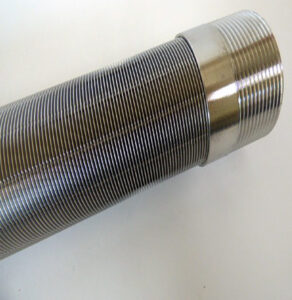
In ground water or oil and gas uses, the work of a johnson stainless steel well screen depends on how it balances sand holding and flow amount. Built-to-fit gaps, usually from 0.2mm to 3.0mm, aim to stop the hole wall falls. They keep the back layer small bits. At the same time, these gaps boost the set output level.
The V-form wire stands as a key sign of this method. It uses an angled wire to make an inside-tight-outside-broad gap setup. Because of this, the screen stops bits from getting stuck. This shape means any bit small enough to go into the gap can move through it. As a result, reverse washing becomes simpler. It also keeps a large open space.
In deep hole tasks, lasting strength matters most. Tailored building lets you pick certain hold bar forms and spacing. These inside parts are planned to face huge layer forces in deep water layers. Thus, the screen avoids bending or falling over many years of use.
| Feature | Technical Specification | Industrial Benefit |
| Slot Opening | 0.025mm – 20mm | Precise solid-liquid separation |
| Open Area | Up to 60% | Lower pressure drop, higher flow |
| Wire Profiles | 12S, 22S, 32S, 42S, 52S | Optimized for mechanical strength |
| Support Rods | Round, Triangular, or Trapezoidal | Enhanced collapse resistance |
| Max Diameter | Up to 1200mm | Suitable for large-scale intake |
How Engineering Expertise Protects Johnson Water Intake Screens in Marine Environments
Working in sea settings brings a special group of problems. These include growth of sea life, fast bits from water speed, and strong salt water wear. Johnson water intake screens from a wedge wire screen wholesale provider need to be built to last in these conditions.They should not require regular handwork.
To fight these problems, providers use forward anti-growth fixes. This covers special copper-nickel mixes or strong cover layers. They work like a tough shield against salt parts and sea buildup. Building the draw system also needs a solid grasp of water flow rules. By figuring out the V path flow routes, builders make sure of good flow amounts with little force loss. This guards soft water life. It also stops bits from sticking to the screen face.
What Industrial Buyers Should Look for in a Technical Workflow
A steady work process forms the base of good quality. When checking a partner, factory buyers should focus on a johnson screen manufacturer with ISO-approved quality control setups.Following ISO9001, ISO45001, and ISO14001 makes certain each step fits world safety and work rules. This goes from getting base materials to the final send-out.
Forward-thinking tech holds equal weight. The use of computer-based heat joining and exact wrap work makes sure there are no empty spots in the screen. Every spot where the angled wire meets the hold bar must give a full, even join. This guarantees the frame’s solid build.
Also, a smart provider gives a model and test facts. Do not depend only on planned filter lines. They can mislead in changing flow states. Instead, seek providers that share test run data. This real proof shows how the johnson wedge wire screen will work with your certain mix or liquid kind. It does this before full making starts.
How Custom Screens Reduce Your Total Cost of Ownership
Putting money into a built-to-fit fix greatly cuts the full cost of holding over the gear’s life.
- Extended Service Life: A carefully built screen can last five to ten times more than usual woven net or holed pipe. This sharply lowers the number and price of changes.
- Energy Efficiency: With large open spaces often from 30% to 50%, these screens cut the liquid push. This lets drives work better. As a result, it brings big energy cuts.
- Maintenance Savings: The even, self-clear faces suit auto clean-in-place setups well. By cutting the need for hand cleaning, plants can skip high-cost stop times and work costs.
Conclusion
Picking a provider for your filtering needs means more than a basic deal. It builds a building partnership. Your setup’s steadiness relies on the link between factory-level skill and bendable, place-based tailoring. At BTOSLOT, we know every small bit counts. By mixing forward substance knowledge with exact making, we make sure each Johnson wedge wire screen gives the lasting strength and good work needed for the world’s toughest factory tasks.
FAQ
What factors influence the quote for a johnson wedge wire screen?
The price for a johnson wedge wire screen comes from several work factors. These include the type of stainless steel, like 304, 316L, or Duplex. The full face area matters too. Also, the details of the built gap size play a role. Further, the frame load needs to decide the size and spacing of hold bars. Any special face treatments, such as making a passive or electric polish, will affect the last cost.
How do I choose the correct slot opening for a Johnson stainless steel well screen?
Picking the right gap size needs a check of your bit size spread. Often, a gap set to the D85 of the nearby layer or the goal hold size works. Yet, if the bits can bend, like living clumps, we suggest a smaller gap. This is about 50-70% of the bit size. For key tasks, doing a test run with a BTOSLOT sample stands as the best way to confirm the right opening.
Why is my Johnson Water intake screens system experiencing corrosion?
Even strong 316L stainless steel can face pit or cracking in areas with high salt sea settings or under thick buildup. If your Johnson water intake screens show signs of breakdown, it could stem from high work heat or missing proper maintenance. In strong chemical or salt water use, moving to Duplex stainless steel or Hastelloy often proves needed to keep long-term firmness.
What is the typical lead time for a custom-engineered BTOSLOT project?
The wait time for a built johnson wedge wire screen changes with material ready and build detail. In general, usual specs can move fast. But tasks needing special mixes or detailed frame building may need a few weeks. We focus on a strict quality check process. This includes join strength tests and gap exact checks. It ensures every item fits the world rules before sending.
Can a Johnson wedge wire screen be repaired if damaged?
These screens get made for strong lasting. Still, hard hits can harm the face at times. In many cases, small parts of a johnson wedge wire screen can be fixed or swapped by skilled joiners. This happens without hurting the whole unit. However, to keep the filter gap’s solid build, it often costs less to change set panels or baskets. This applies especially in high-force or high-detail uses.
Recent Post
Related Products
Best-selling Products
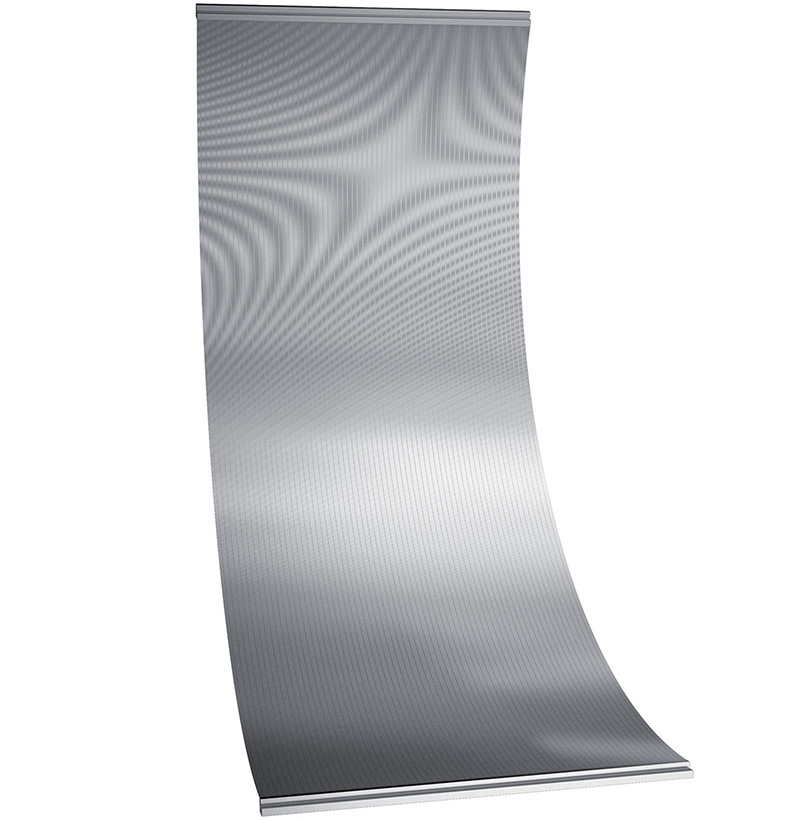
Starch Screen
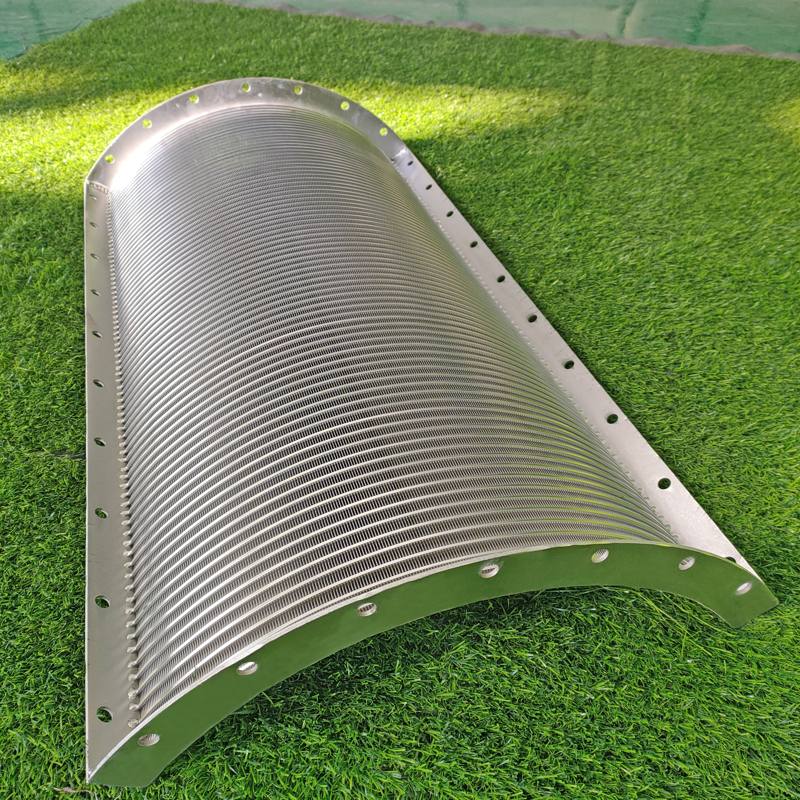
The Wedge Wire Starch Curved Screen is a curved screening device specifically designed for the starch industry. It features an arc-shaped screen surface made of precisely welded V-profile stainless steel wires, utilizing centrifugal force or gravity to achieve rapid dewatering and classification of starch slurry. Its curved structure prolongs slurry retention time, improving solid-liquid separation efficiency. It is suitable for starch extraction, refining, and byproduct recovery processes for starches such as potato, corn, and cassava. Characterized by efficient screening, wear and clogging resistance, and easy maintenance, this equipment is a key solid-liquid separation device in modern starch processing.
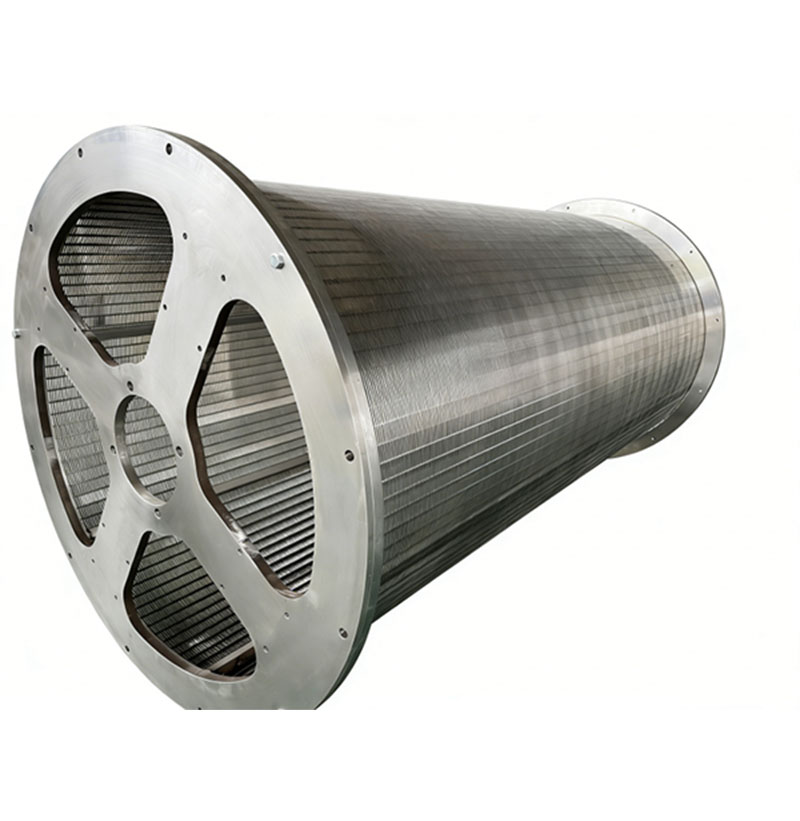
Rotary Drum
The Stainless Steel Wedge Wire Rotary Drum Screen (also known as a Rotary Drum Strainer or Micro-Screen) is a continuously and automatically operating front-end solid-liquid separation device. Its core component is a large cylindrical drum installed horizontally or at a slight incline. The entire circumferential surface of the drum is covered with a stainless steel wedge wire screen (Johnson screen). The wastewater to be treated flows into one end of the drum. Under gravity, the filtrate passes through the wedge wire slots, while solid suspended matter (such as fibers, hair, plastic pieces, and fine particles) is retained on the inner surface of the drum. As the drum rotates slowly, the retained debris is lifted to the top, where it is flushed by spray water into a collection trough, achieving a continuous process of automatic screening, filtration, and residue removal
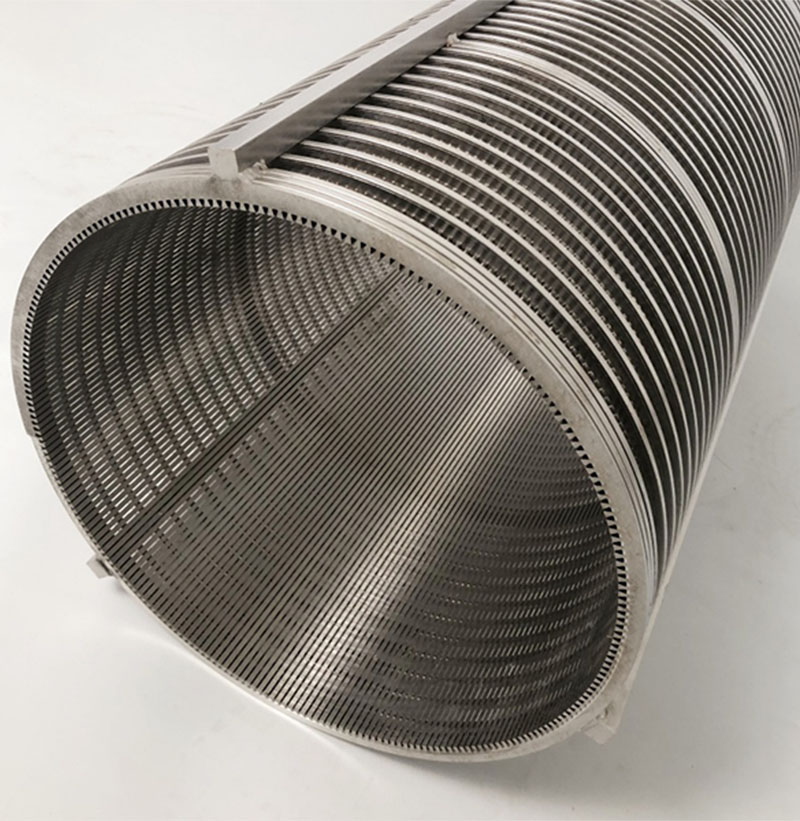
Screen Basket for Screw Press Separator
The stainless steel wedge wire screen basket, commonly known as the "V-wire screen," "press screen basket," or "screen cylinder," is a core component of screw press solid-liquid separators. It is installed inside the spiral press, enclosing the rotating screw shaft. The working principle is as follows: raw slurry with high moisture content is pushed into the screen basket by the screw shaft. Under the squeezing and conveying action of the spiral flights, the liquid (filtrate) is forced out through the precise, continuous slots of the screen basket, while the solid material (manure cake) is retained inside and continues to be compressed and dewatered as it moves forward. Finally, the dewatered solids are discharged from the outlet, achieving solid-liquid separation.
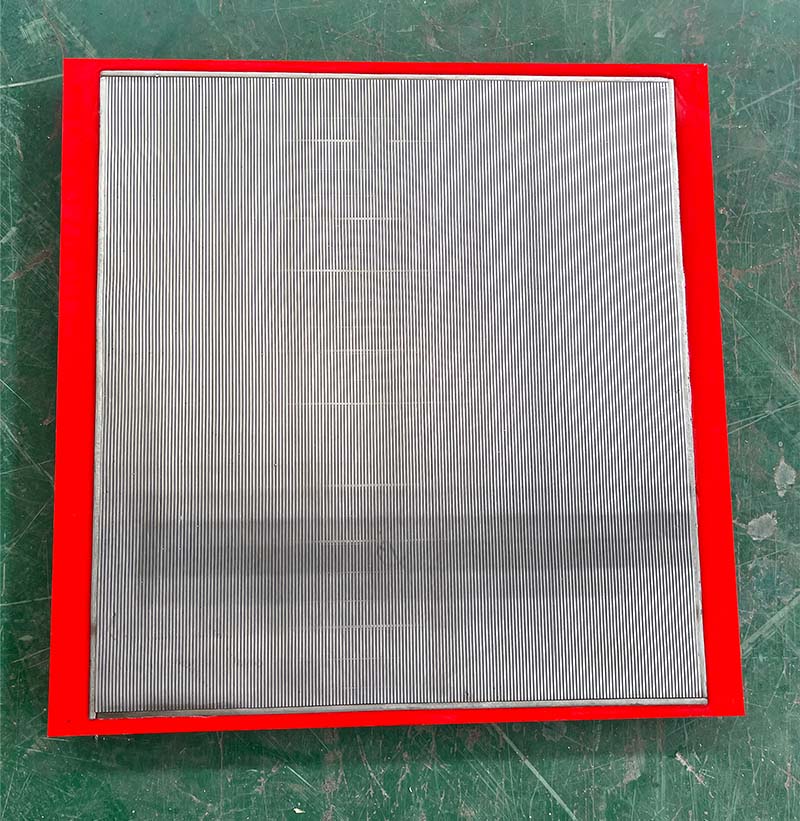
Wedge Wire Vibrating Screen
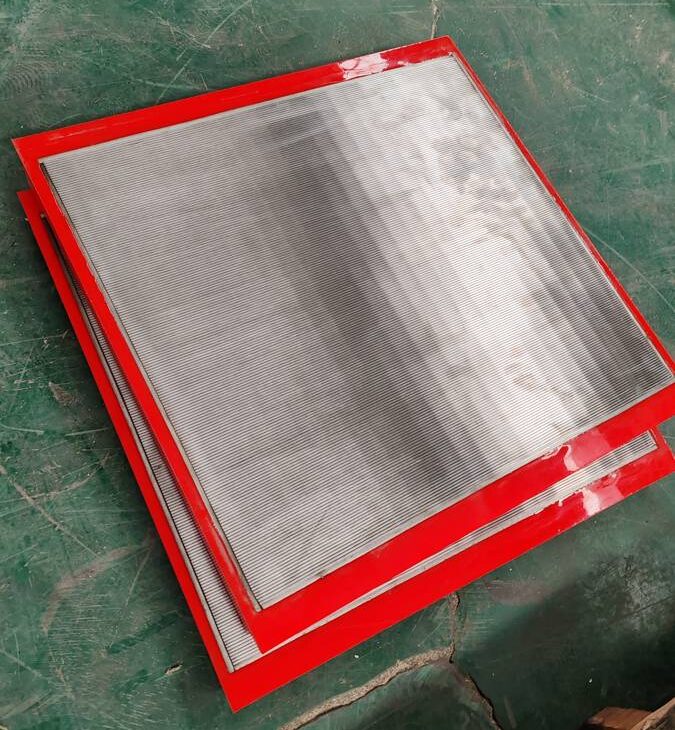
A stainless steel wedge wire vibrating screen is a solid-liquid separation device featuring a screen surface made by precisely welding V-shaped stainless steel wires, integrated with a high-frequency vibration system. With uniform slots, wear resistance, and corrosion resistance, it is suitable for wet screening and dewatering operations. The vibration mechanism enables rapid material dispersion and efficient sieving while effectively preventing screen clogging. Widely used in industries such as mining, metallurgy, food processing, and environmental protection, it is particularly suitable for handling fine particles, high-viscosity, or easily agglomerated materials, offering advantages such as high screening accuracy, large processing capacity, and long service life.
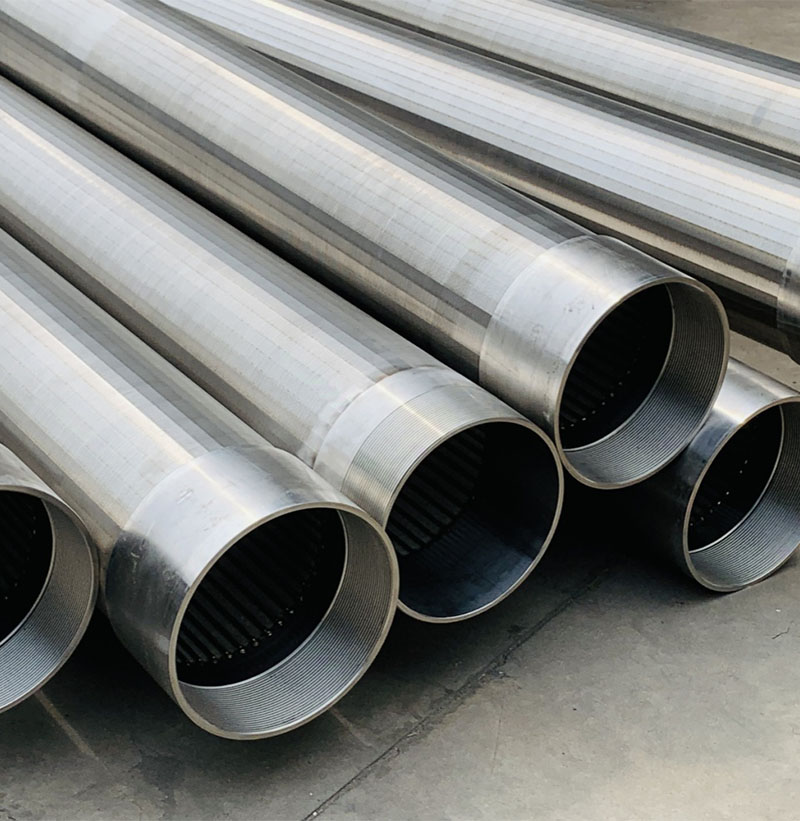
Wedge Wire Water Well Screen
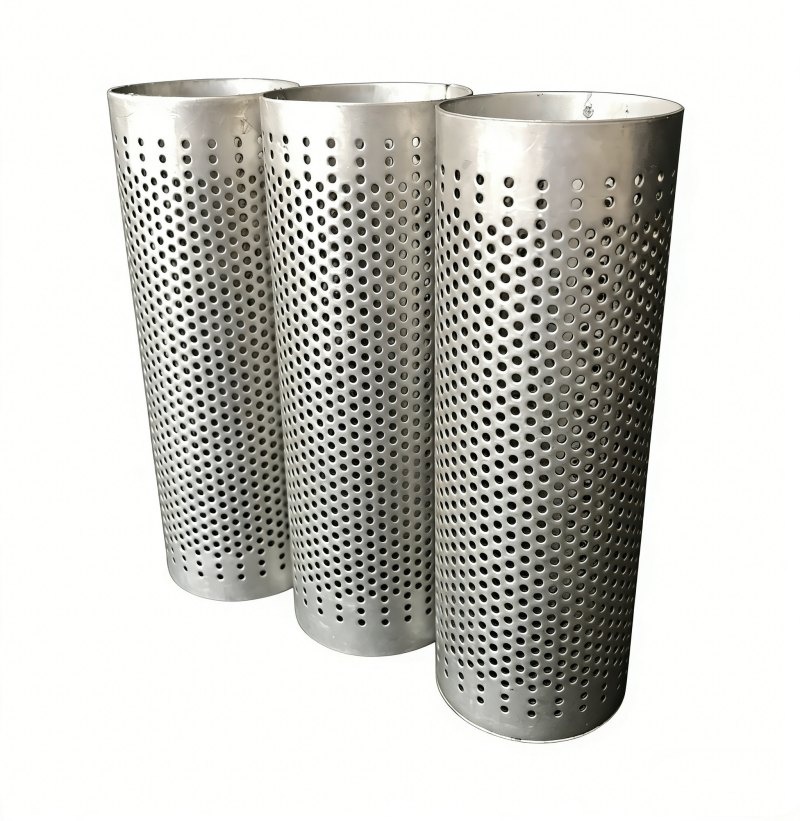
Johnson Deep Water Well Screens, also referred to as continuous slot screens or wire wrap screens, were originally developed to solve sand control challenges in fine-grained and uniform sand formations. These geological conditions are commonly encountered in deep groundwater aquifers, where conventional perforated pipes often suffer from clogging, excessive sand production, and reduced well efficiency.
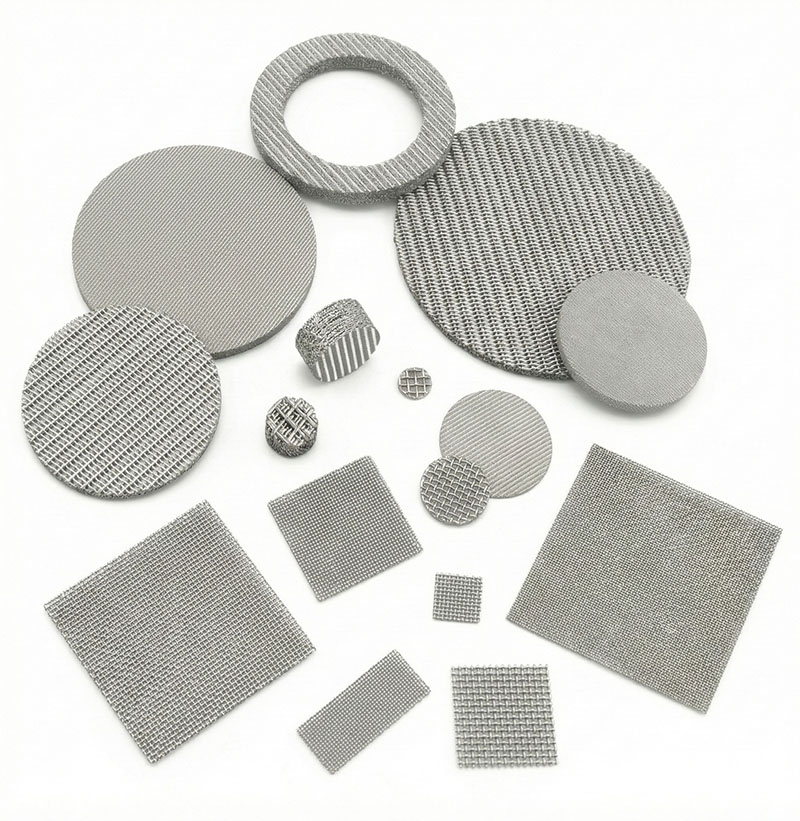
Sintered Mesh Plate and Disc
Sintered Mesh Plates and Discs are high-precision filtration components fabricated by bonding multiple layers of stainless steel wire mesh through a specialized vacuum sintering process. Unlike traditional mesh that relies on mechanical weaving alone, these plates are fused at every contact point, transforming individual wires into a rigid, integrated porous metal sheet.
These plates can be customized into various shapes, most commonly circular discs, to fit specific industrial equipment. They offer an ideal balance of high permeability, extreme structural integrity, and precise filtration ratings. Because they are made entirely of metal (typically 304 or 316L), they provide a "permanent" filtration solution that can withstand high temperatures and corrosive chemicals while remaining fully cleanable and reusable.