ABOUT US
Your Expert Manufacturer of Wedge Wire Screens;
Your Reliable Partner and Source of Innovation
GET A FREE QUOTE
-
Home

-
Products
-
Perforated Metal Mesh
- Perforated Metal Mesh
Perforated Metal Mesh
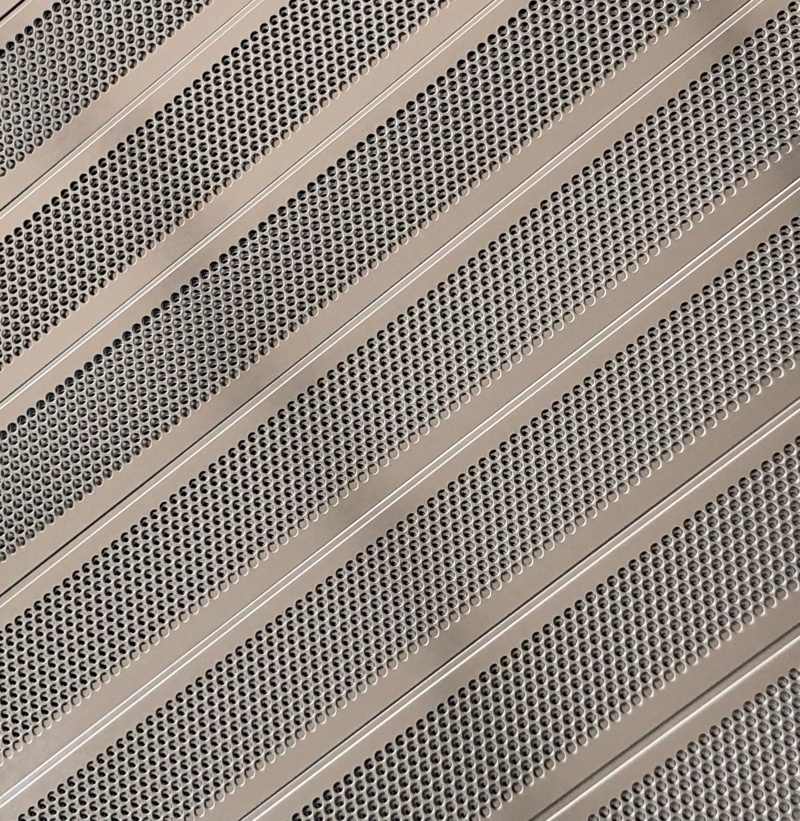
Perforated metal mesh is a highly adaptable metal product designed to meet both structural and filtration requirements. It can be supplied as flat sheets or panels, and can also be fabricated into perforated filter cylinders, tubes, baskets, and other customized filtration components to suit different equipment and operating conditions.
-
Product Features
Product Features
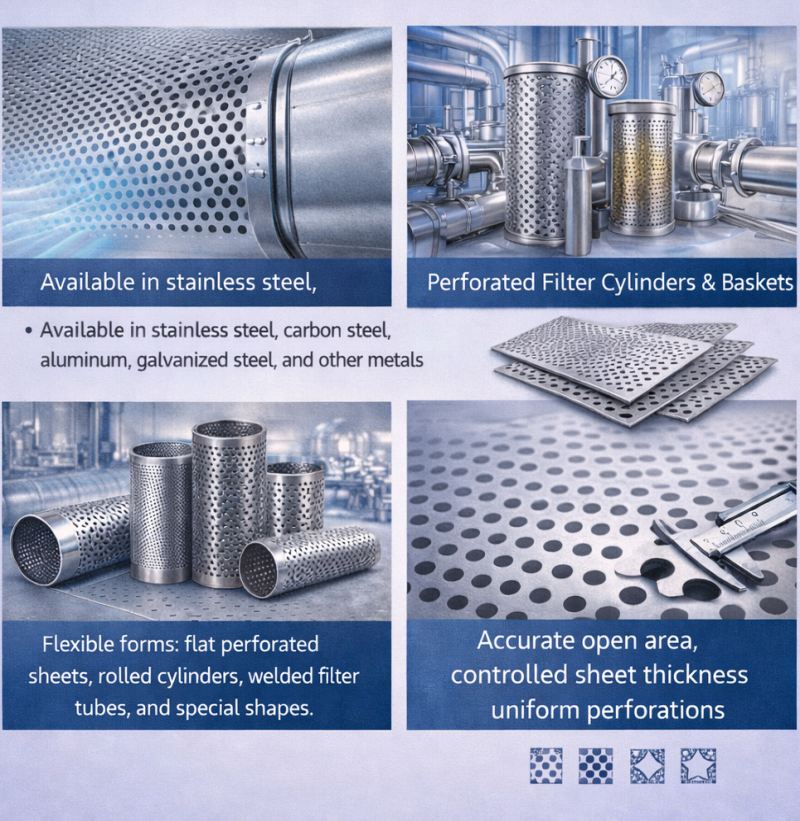
Available in stainless steel, carbon steel, aluminum, galvanized steel, and other metals
Wide selection of hole shapes, including round, square, slotted, and customized patterns
Flexible forms: flat perforated sheets, rolled cylinders, welded filter tubes, and special shapes
Precisely controlled hole size, open area, and material thickness
Key Advantages
Uniform and stable flow performance for liquid and air filtration
High mechanical strength and good load-bearing capacity
Excellent corrosion and wear resistance, especially in stainless steel grades
Easy to fabricate, cut, weld, and integrate into existing systems
Cost-effective solution with long service life and low maintenance
OUR PRODUCTS
Best-selling Products
Starch Screen
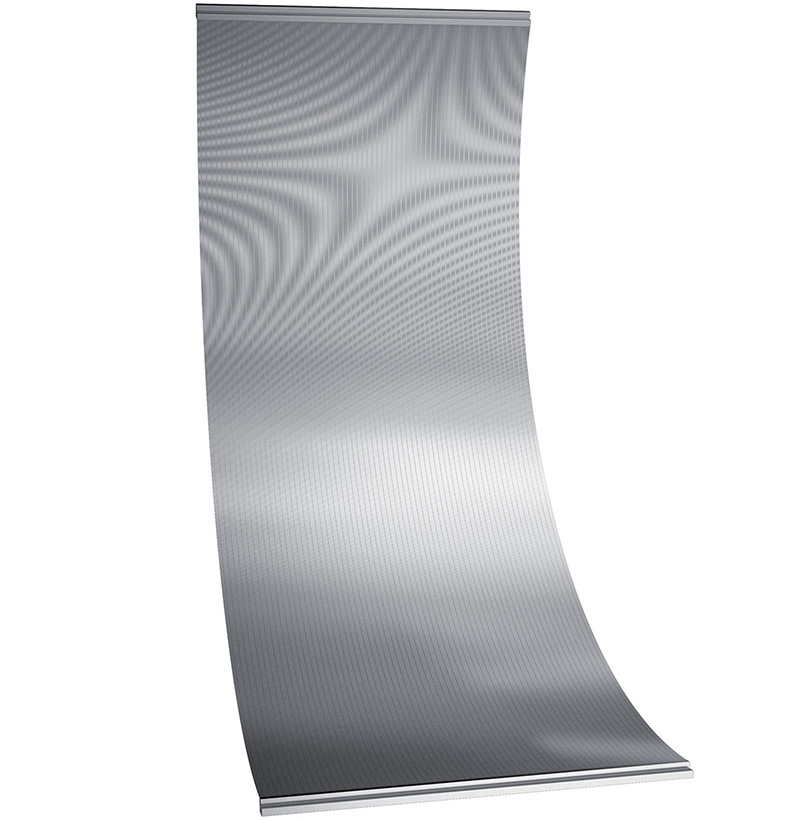
The Wedge Wire Starch Curved Screen is a curved screening device specifically designed for the starch industry. It features an arc-shaped screen surface made of precisely welded V-profile stainless steel wires, utilizing centrifugal force or gravity to achieve rapid dewatering and classification of starch slurry. Its curved structure prolongs slurry retention time, improving solid-liquid separation efficiency. It is suitable for starch extraction, refining, and byproduct recovery processes for starches such as potato, corn, and cassava. Characterized by efficient screening, wear and clogging resistance, and easy maintenance, this equipment is a key solid-liquid separation device in modern starch processing.
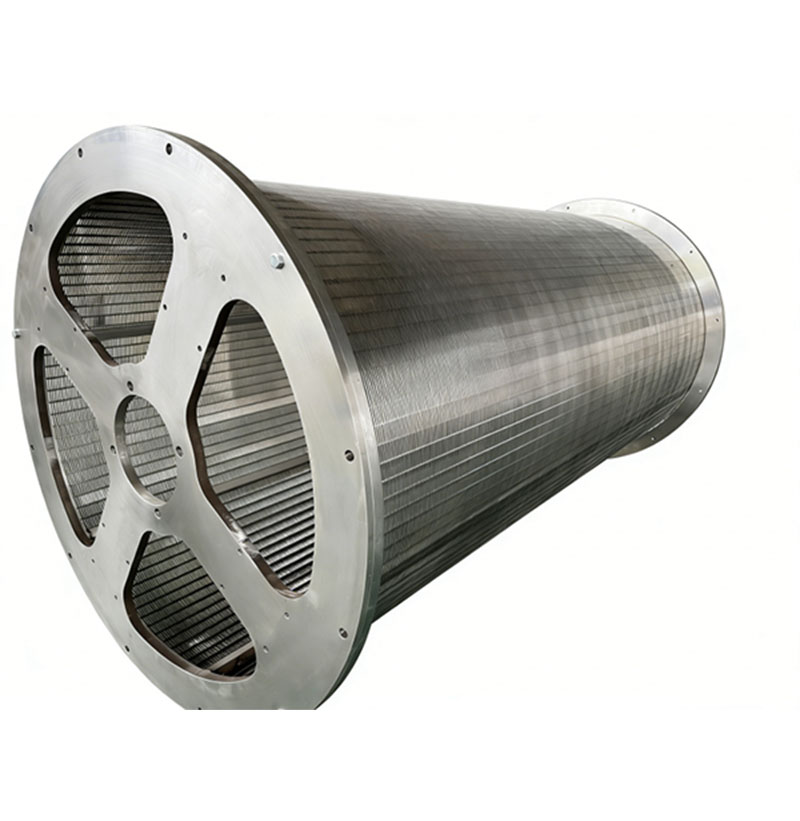
Rotary Drum
The Stainless Steel Wedge Wire Rotary Drum Screen (also known as a Rotary Drum Strainer or Micro-Screen) is a continuously and automatically operating front-end solid-liquid separation device. Its core component is a large cylindrical drum installed horizontally or at a slight incline. The entire circumferential surface of the drum is covered with a stainless steel wedge wire screen (Johnson screen). The wastewater to be treated flows into one end of the drum. Under gravity, the filtrate passes through the wedge wire slots, while solid suspended matter (such as fibers, hair, plastic pieces, and fine particles) is retained on the inner surface of the drum. As the drum rotates slowly, the retained debris is lifted to the top, where it is flushed by spray water into a collection trough, achieving a continuous process of automatic screening, filtration, and residue removal
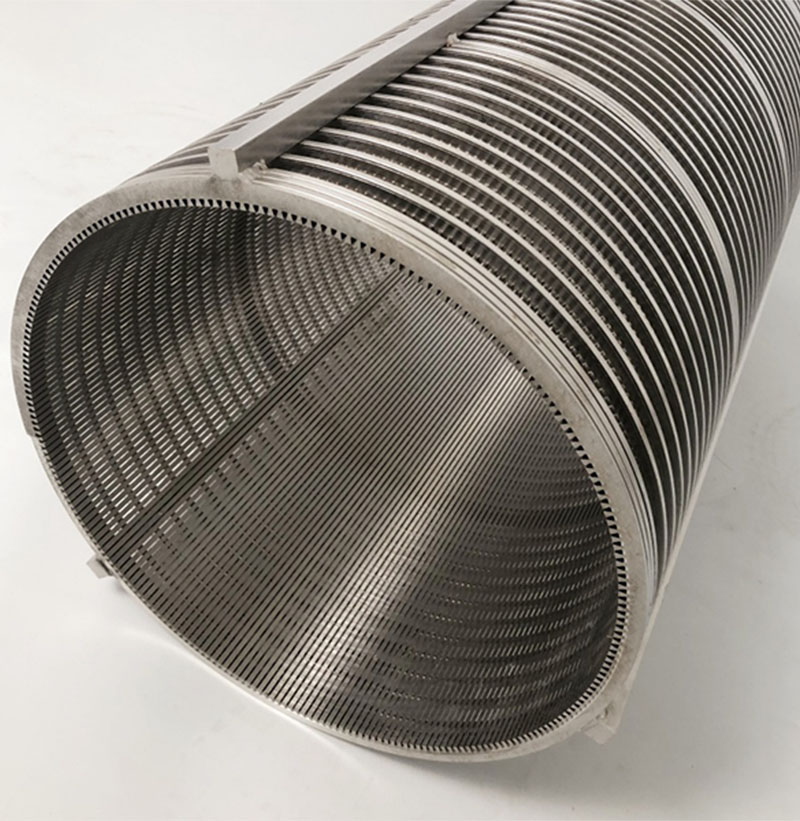
Screen Basket for Screw Press Separator
The stainless steel wedge wire screen basket, commonly known as the "V-wire screen," "press screen basket," or "screen cylinder," is a core component of screw press solid-liquid separators. It is installed inside the spiral press, enclosing the rotating screw shaft. The working principle is as follows: raw slurry with high moisture content is pushed into the screen basket by the screw shaft. Under the squeezing and conveying action of the spiral flights, the liquid (filtrate) is forced out through the precise, continuous slots of the screen basket, while the solid material (manure cake) is retained inside and continues to be compressed and dewatered as it moves forward. Finally, the dewatered solids are discharged from the outlet, achieving solid-liquid separation.
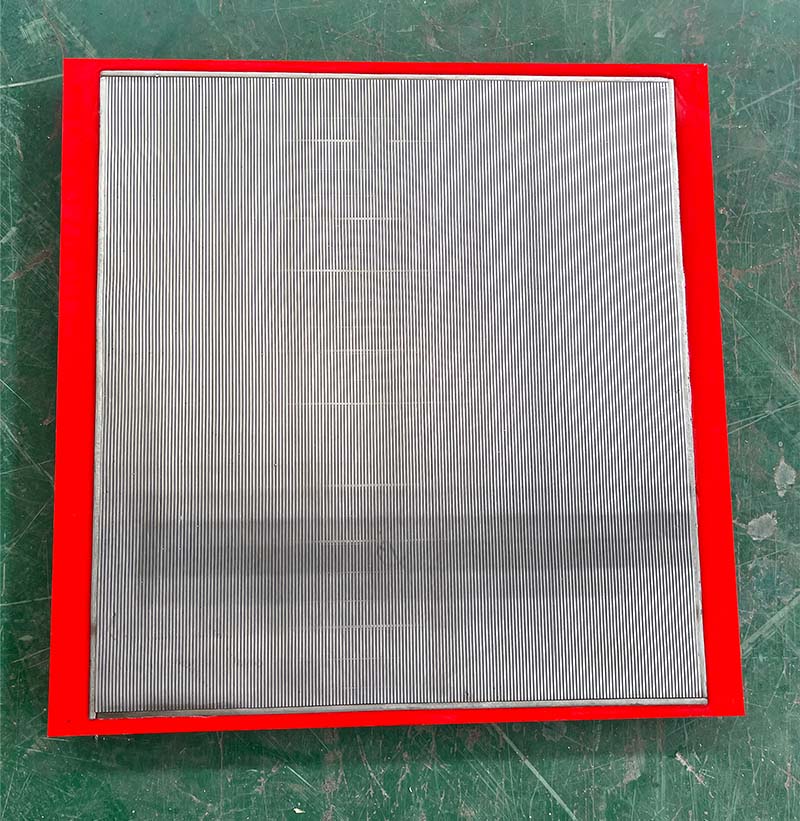
Wedge Wire Vibrating Screen
A stainless steel wedge wire vibrating screen is a solid-liquid separation device featuring a screen surface made by precisely welding V-shaped stainless steel wires, integrated with a high-frequency vibration system. With uniform slots, wear resistance, and corrosion resistance, it is suitable for wet screening and dewatering operations. The vibration mechanism enables rapid material dispersion and efficient sieving while effectively preventing screen clogging. Widely used in industries such as mining, metallurgy, food processing, and environmental protection, it is particularly suitable for handling fine particles, high-viscosity, or easily agglomerated materials, offering advantages such as high screening accuracy, large processing capacity, and long service life.
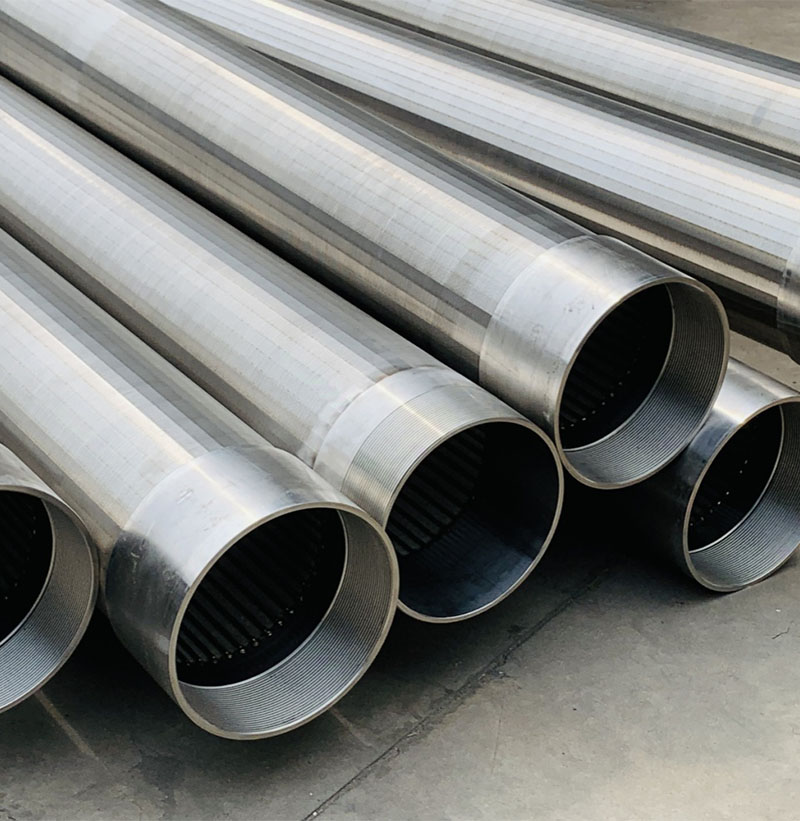
Wedge Wire Water Well Screen
Johnson Deep Water Well Screens, also referred to as continuous slot screens or wire wrap screens, were originally developed to solve sand control challenges in fine-grained and uniform sand formations. These geological conditions are commonly encountered in deep groundwater aquifers, where conventional perforated pipes often suffer from clogging, excessive sand production, and reduced well efficiency.
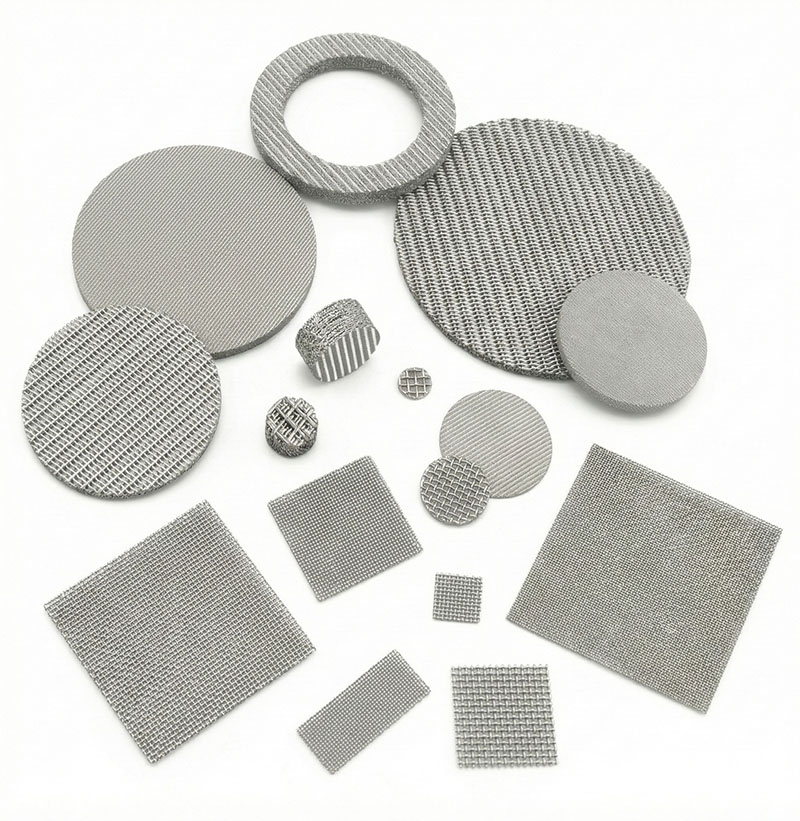
Sintered Mesh Plate and Disc
Sintered Mesh Plates and Discs are high-precision filtration components fabricated by bonding multiple layers of stainless steel wire mesh through a specialized vacuum sintering process. Unlike traditional mesh that relies on mechanical weaving alone, these plates are fused at every contact point, transforming individual wires into a rigid, integrated porous metal sheet.
These plates can be customized into various shapes, most commonly circular discs, to fit specific industrial equipment. They offer an ideal balance of high permeability, extreme structural integrity, and precise filtration ratings. Because they are made entirely of metal (typically 304 or 316L), they provide a "permanent" filtration solution that can withstand high temperatures and corrosive chemicals while remaining fully cleanable and reusable.
OUR LATEST
Our Latest Blog & News
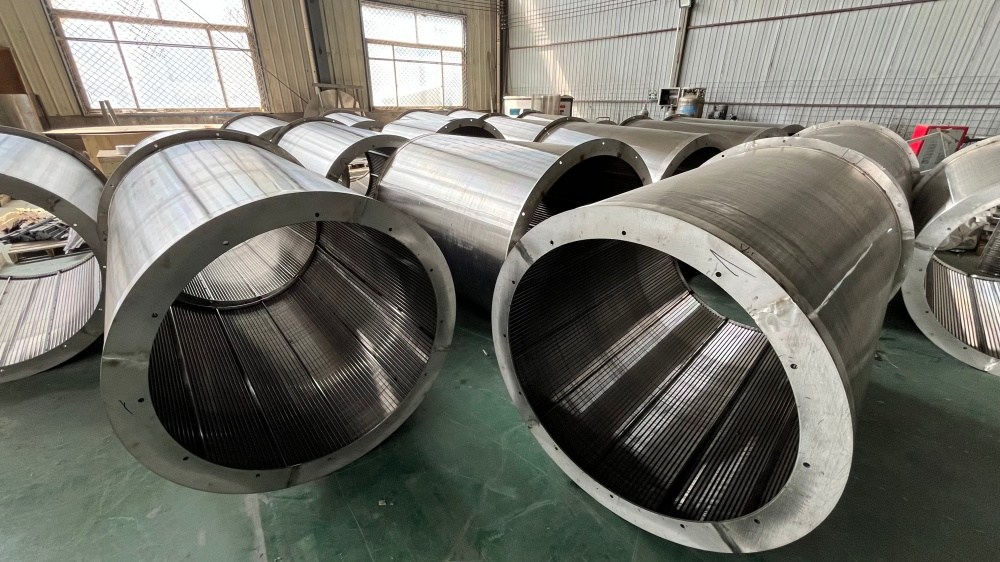
How Do Industrial Interstage Screen Solutions Boost Mineral Recovery Rates
Discover how custom precision screen design boosts gold recovery and cuts downtime in mineral processing.
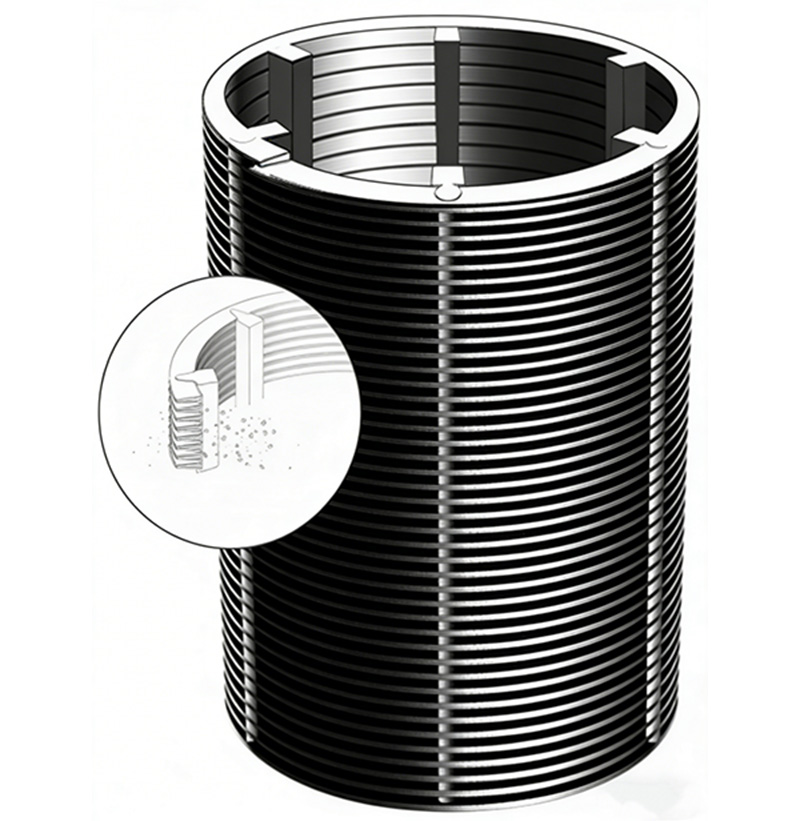
Why Johnson Screens Stainless Steel is the Standard for Industrial Filtration
In the demanding field of industrial processing, filtration acts as a key driver of productivity. A minor issue in a deep-well setup or a chemical production line can cause major interruptions, resulting in costs that quickly climb to tens of thousands of dollars within just a few hours. Common filtration approaches, like woven wire cloth or punched metal sheets, often prove inadequate against strong pressure, harsh liquids, or substantial solid loads. This explains why Johnson Screens stainless steel technology stands as the reliable worldwide choice, johnson screen manufacturer, By swapping out outdated mesh for carefully crafted wedge wire, businesses gain a degree of dependability and service life that was once hard to imagine.
What is the Secret Behind the V-Wire Design in Johnson Wire Screens?
The outstanding results from a johnson wire screen come from its distinctive V-shaped profile wire. In contrast to regular mesh, where bits can readily lodge between crossing wires, the V-wire setup produces a “funnel” shape. The gap remains tightest at the entry point for the liquid, and it broadens notably on the exit side.
This particular shape enables a strong resistance to clogging, which proves vital for steady operations. When a piece fits through the initial slot width, it moves smoothly through the expanding space and avoids getting trapped. As a result, this builds a natural cleaning process that keeps the flow steady for extended times. At BTOSLOT, our production methods ensure these slot sizes stay within tight limits, from as small as 20 microns to a few millimeters wide. This delivers the exactness needed for the toughest industrial filtration needs.
Why Does Johnson Screens Groundwater and Wells Technology Outlast Traditional Pipe?
For large-scale water pulling tasks, wedge wire screen wholesale, johnson screens groundwater and wells systems provide a clear edge in build and water flow over standard drilled pipes. The main distinction lies in the steady slot design. A drilled pipe might give only 5% to 15% open space, but a solid wedge wire screen can offer up to 50% open space.
Technical Parameter
Traditional Perforated Pipe
Johnson Screens Wedge Wire
Open Area Percentage
5% – 15%
30% – 50%
Flow Velocity
High (Increases Clogging)
Low (Minimizes Scaling)
Slot Consistency
Irregular / Drilled
Precision Welded (±0.05mm)
Sand Control Ability
Poor (High Sand Intake)
Superior (V-Wire Blocking)
Structural Integrity
Moderate
High (Internal Support Rods)
This greater open space cuts down the speed at which water enters, which in turn reduces buildup and deposits on the screen face. Moreover, the effective sand management from johnson screens groundwater and wells stops rough grains from reaching the pump parts. Therefore, it lengthens the overall life of the well system and cuts down on expensive pump fixes.
How Does Stainless Steel Selection Impact Long-Term Filtration ROI?
Picking the correct grade for Johnson Screens stainless steel plays a key role in boosting returns over time. The material needs to fit the chemical and heat conditions of the setting perfectly. Grade 304 works well for city water uses, but processes with chloride-heavy waste or salty water disposal call for 316L or Duplex 2205 to avoid pitting and hidden corrosion.
Heat resistance counts as another area where stainless steel shines. In oil refining units or fuel recovery operations, heat can rise to 300°C. Johnson wire screen units hold their shape and slot precision in such tough spots, while plastic or mixed filters would break down. Since these lasting stainless steel options remove the use of throwaway items like filter bags or cartridges, they sharply lower yearly running costs and waste handling expenses.
Where is Johnson Wire Screen Most Critical?
The flexibility of the johnson wire screen turns it into a vital part in various fields where accuracy and cleanliness matter greatly.
Petrochemical & Energy: In hydroprocessing and catalytic reforming, these screens hold up catalyst layers. They ensure even flow spread while stopping the escape of costly catalyst particles.
Food & Beverage: In beer making, sugar handling, and starch pulling, the smooth construction with no hidden spots keeps organic matter from sticking. This meets tough FDA cleanliness rules and stops germ buildup.
Water Treatment: Besides groundwater uses, these screens guard delicate Reverse Osmosis (RO) layers by filtering out tiny floating bits. They also block resin loss in ion exchange setups.
In a practical case from our records, a starch handling firm moved to our custom wedge wire containers. They noted a 40% drop in cleaning needs, thanks to the better surface quality and slot uniformity.
How to Choose the Right Johnson Screen for Your Specific Project?
Choosing the best Johnson Screen Tube stainless steel setup calls for a solid grasp of your liquid movement and solid traits. For tough, sharp solids, set the slot width based on the D85 from the particle spread. Yet, for soft, shape-changing bio clumps, we suggest a slot that is 50% to 70% of the goal particle size to hold them back properly.
Material proof matters just as much. At BTOSLOT, we supply complete Material Test Certificates (MTC) to confirm the metal grade suits your site’s harsh conditions. Also, think about the strength needs. If you want a flat sheet for a shaking sorter, a round drum for a turning filter, or a tapered container for a spinner, the inner rod gaps must be built to handle the exact pressure changes and shakes in your gear.
Conclusion
Bringing in Johnson screens stainless steel items goes beyond a simple buy; it forms a smart move toward steady and effective industrial work. With the smart water flow of Johnson screens groundwater and wells tech and the careful build of the johnson wire screen layout, users can enjoy reduced upkeep bills, better output, and top-notch gear durability. Anping Baitong Wire Mesh Products Co., Ltd. (BTOSLOT) offers more than 15 years of ISO9001-approved making skills to each job. This means your filtration issues get handled with sharp engineering and top materials. To start a tailored filtration check or expert talk, contact our team as the initial action to improve your site’s output.
FAQ
How do I get an accurate price quote for a Johnson wire screen?
For an exact quote, we need these key details: the needed metal grade (like 304 or 316L), the slot size (in mm or microns), the screen’s size (width and height), and the flow path (FOTI or FITO). At BTOSLOT, we usually send a full tech plan and cost breakdown within 24 hours after getting these specs.
What is the typical lead time for custom Johnson screens stainless steel orders?
Delivery times depend on the order’s details and amount. Basic round screens or flat sheets are often left for 2 to 3 weeks. For big jobs with Johnson screens, groundwater and wells setups, or special reactor parts, times can stretch to 4-6 weeks. We focus on quick fixes for shutdowns to cut client delays.
How do I clean and maintain a Johnson wire screen to prevent fouling?
The V-wire build resists plugging on its own, but for thick or gummy uses, we advise regular reverse flushing or sound-wave cleaning. Since johnson screens stainless steel stands up well to wear, it handles strong water sprays and common cleaners without slot changes, unlike woven mesh that bends easily.
Can your Johnson screens groundwater and wells technology be customized for deep-sea or high-pressure environments?
Yes. We design extra-strong inner rods and wider top wires for deep-well tasks. Our Johnson screens groundwater, and wells builds get checked for high crush forces in deep water layers. This keeps the screen from folding under ground weight or pump pull.
What quality certifications come with Johnson wire screen products from BTOSLOT?
We make all items under firm ISO9001:2015 quality controls. Every delivery of johnson wire screen comes with a plant check summary, metal test papers (MTC) for the stainless steel, and a slot size check report. These confirm the item fits your precise filtration goals.
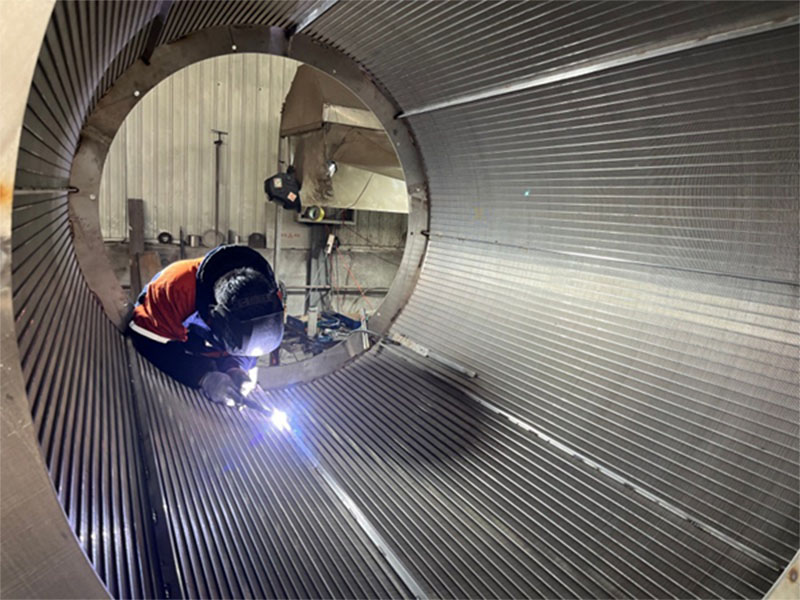
Application of Interstage Screens in gold ore CIP & CIL production
Interstage wedge screens offer high-efficiency wedge wire filtration with precision, durability, and customizable designs for gold recovery operations.
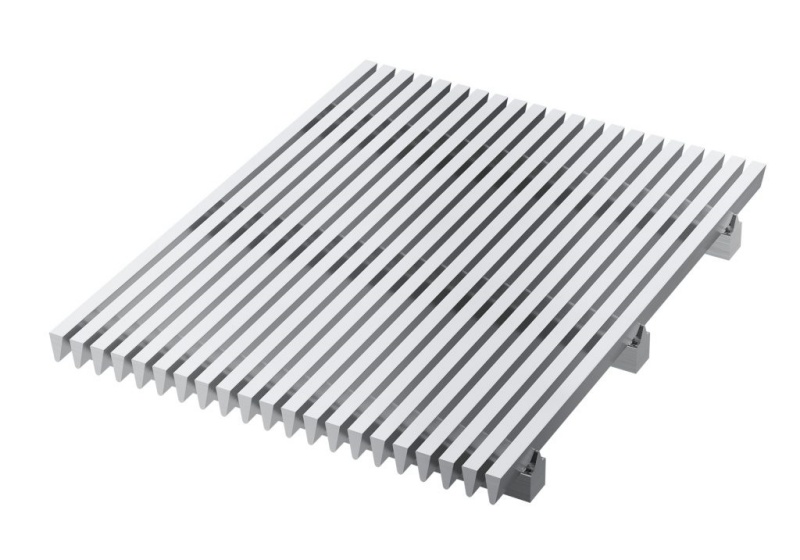
How to Choose the Right Johnson V Wire Screen for Mining
Optimize mining recovery with high-performance johnson v wire screen solutions, featuring precision wedge wire screen design for maximum durability and flow efficiency.
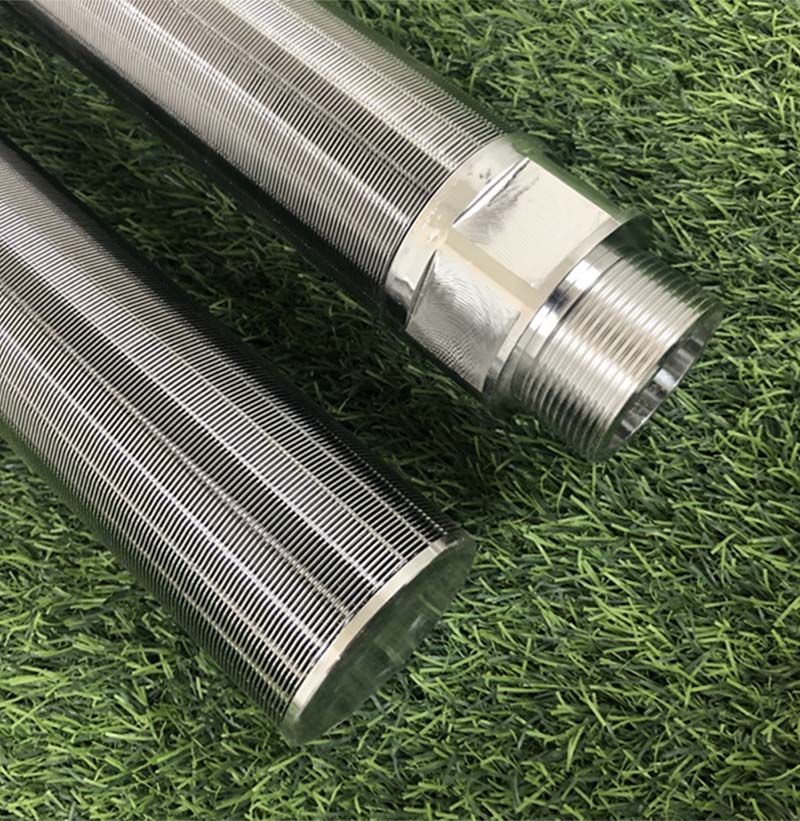
Why Custom Engineering Capability Defines a Reliable Johnson Wedge Wire Screen Supplier
Discover how custom engineering and slot precision in a johnson wedge wire screen optimize filtration efficiency and ensure long-term industrial system reliability.
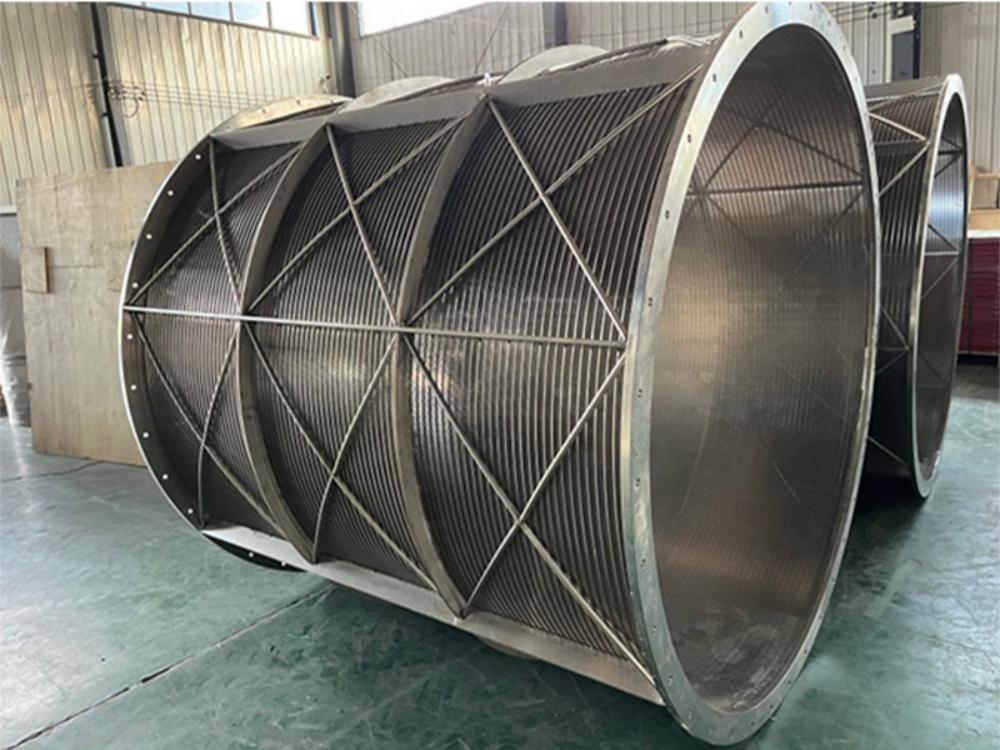
Why Stainless Steel Wedge Wire Screen is the Superior Choice for Industrial Filtration
Explore why a stainless steel wedge wire screen boosts efficiency, minimizes clogging, and lowers long-term operational costs in demanding industrial filtration systems.