
Sobre nós
Seu fabricante especializado de telas Wedge Wire;
Seu parceiro confiável e fonte de inovação
Obter uma quota livre
-
Casa

-
Blog
-
Blog Industrial
- How Sieve Bend Screens Classify Mineral Slurry
How Sieve Bend Screens Classify Mineral Slurry
-
 autor
- 22,Outubro
Sometimes, a mineral plant must take out free water. It also needs to divide a slurry before the next step. A sieve bend handles both tasks quickly within a small space. You might wonder how this equipment works. Its curved shape, feed angle, and slot size play key roles. Together, they change a fast slurry flow into a clean undersize stream. Most importantly, this process saves your valuable solids.
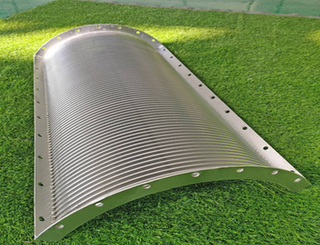
The separation action happens at the curved surface
A sieve bend screen relies on the speed of the incoming feed. It does not use a shaking deck. The slurry flows in at an angle. Then, it moves along the curved wedge wire face. Soon, the mixture hits a series of thin slots. Water and tiny pieces fall through the gaps as undersize. Meanwhile, the bigger chunks travel down toward the bottom edge.
This curved shape is very important. It keeps the working angle steady across the whole screen. Separation does not just happen at one flat spot. Furthermore, a continuous sieve bend screen surface offers a very smooth path. Because of this, the flowing mixture finds fewer bumps. Therefore, sticky clay and heavy materials will not build up easily.
Ultimately, you get a very quick early separation step. This action lowers the amount of water and fine dirt going to your thickener, dewatering screen, or pump. The real benefit comes from using the feed energy well. You should never treat this equipment like a basic mesh panel. Inside a mineral slurry separation circuit, this brief step offers another bonus. It helps keep the material density stable for the next machine in line.
What controls the cut point in mineral processing
Several different factors work together to set the actual cut point. The slot width is the most obvious detail. However, other things matter just as much. These include feed pressure, slurry thickness, and particle shape. The screen radius and the width of the working area are also vital. All these details control how long the particles touch the gaps.
Feed conditions shape the result
A watery flow moves very fast. It will push more fine dust through the gaps. On the other hand, a thick flow creates a heavy layer on top. This heavy layer holds back more pieces, but it slows down the water drainage. Plant workers must test the equipment under steady flow and solid levels. Otherwise, they might confuse a simple feed change with a real drop in screen performance.
Slot choice balances recovery and flow
The best slot size hits your separation goal perfectly. At the same time, it leaves plenty of open space for the water to escape. A tiny gap makes the sorting process much sharper. However, it increases the chance of plugging if you have sticky clay or clumped dirt. Conversely, a bigger gap boosts your total flow rate. The downside is that it might let too many valuable solids fall into the undersize pile.
| Variable | Main effect | Useful observation |
|---|---|---|
| Slot opening | Cut point and fine dirt passage | Check undersize density and lost solids |
| Screen width | Open flow space | Look for a smooth liquid layer across the front |
| Radius and angle | Touch time and flow speed | Watch the output spread along the curve |
| Solids thickness | Fluid layer depth and water drainage | Note the density at the input box |
Why pre-dewatering changes the downstream circuit
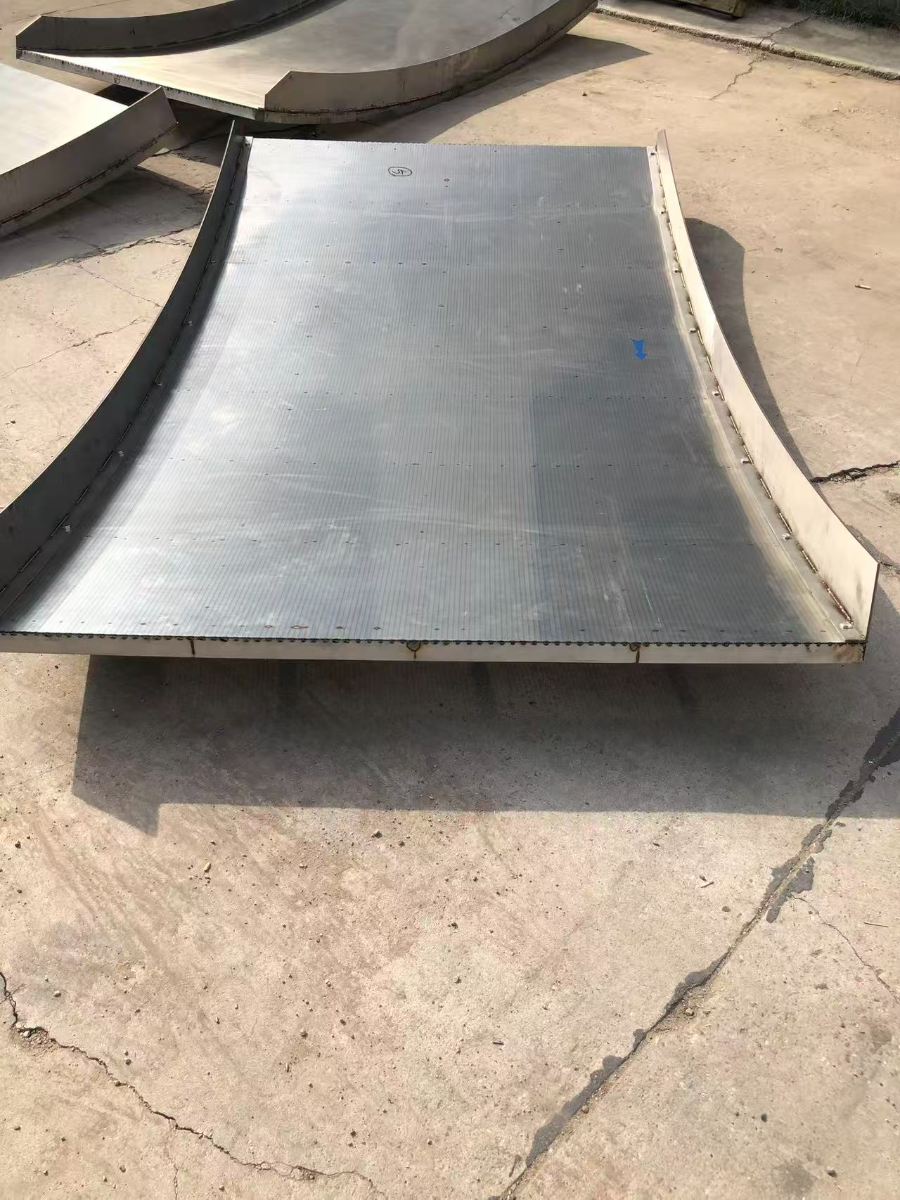
Early water removal is highly effective. It pulls out loose liquid before the flow reaches sensitive downstream machines. Some machines struggle with too much volume or extra water. A cleaner and thicker flow lowers the fluid stress on your thickener. Consequently, it makes the following classification step much simpler to manage.
This exact situation is where a strong screening in mineral processing surface proves its worth. BTOSLOT builds tough, welded stainless steel wedge wire screens. These items feature precise slots and very firm supports. Because of this strong design, you can match the panel directly to your specific mineral task. You do not have to rely on a basic mesh size alone.
You must always judge the screen by looking at the entire plant circuit. Sometimes, the undersize flow holds too much good mineral. If this happens, do not change the slot size right away. Instead, try fixing the feed spread or the fluid thickness first. On the other hand, the oversize chunks might stay too wet. In that case, you need to check the holding time and the bottom exit setup. They are just as important as the gap size.
Checks that make a sieve bend predictable
Starting up a new system is quite simple if you test early. You should collect your first samples from the main feed and both exit points. By comparing these test cups, you learn a lot. The results will show if a pressure change actually helped the sorting process. Sometimes, a pressure shift just forces more dust into the bottom stream without real benefit.
The input box needs to share the slurry evenly across the whole working width. You must avoid any empty corners. A tight, fast spray of liquid will overwhelm just one side of the curve. This creates a messy, wet line down the metal. As a result, the equipment might look too small for the job, even if the total surface area is perfectly fine.
Washing schedules must depend on the actual dirt, not a strict calendar. Flows packed with sticky clay usually need a quick wash between worker shifts. Conversely, a clean heavy-media flow is much easier to maintain. For those lighter tasks, you only need to look at the gaps and the bottom exit edge from time to time.
Capacity is a flow question, not a width claim
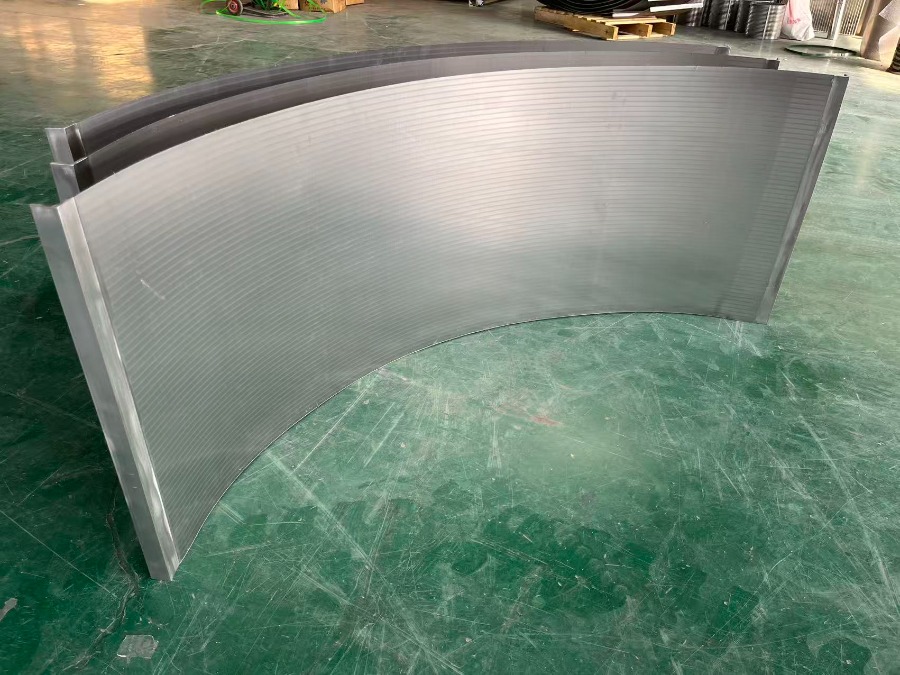
Buying a wider unit does not always give you more working capacity. Good slurry screen manufacturer projects look at capacity as a fluid flow issue. Your actual output only goes up when the extra metal space gets a smooth, steady liquid layer. Furthermore, the gaps must stay clear under the heavy weight of the rocks and dirt.
A smart test records several things at once. You should write down the feed speed, solid thickness, pressure, and wetness. Do not forget to track the lost bits in the bottom flow. These combined numbers reveal the truth. They tell you if pushing more volume actually helps your plant. Sometimes, extra volume just pushes unwanted water and dust into a different trouble spot.
Signs that the screen is overloaded
A heavy, messy wall of liquid builds up near the top input edge.
The bottom exit edge holds a soggy, thick row of mud and rocks.
The bottom liquid thickness jumps wildly when you turn up the pump speed.
The practical takeaway
A sieve bend screen sorts mineral slurry through a smart design. It combines an angled liquid feed with a curved, continuous-slot face. Your most important daily task is finding the right balance. You must match the gap size, liquid layer stability, and the water load heading to the next machine. After making changes, always check your work. Use real recovery numbers and wetness tests from your active plant circuit.
If you require any help, please reach out to BTOSLOT. Simply share your feed details and your final sorting goals. Our team will verify the best gap size and frame build for your exact daily application.
Perguntas frequentes
Can a sieve bend screen handle abrasive mineral slurry?
Yes, it certainly can. However, the wire shape, support spacing, and stainless steel type must fit the harsh conditions. Keep in mind that the fluid thickness and rock shapes still matter. They will dictate how fast the metal parts wear down over time.
What is the role of screen radius?
The curve radius alters the touching angle. It also changes the total distance the mixture travels over the open gaps. You must think about this curve alongside your fluid pressure and overall flow rate. Never look at the curve size all by itself.
How is sieve bend screen capacity evaluated?
You can judge the total capacity by checking multiple details at once. Look closely at the input speed, fluid thickness, and gap size. You also need to measure the metal width and pipe pressure. Finally, inspect the overall quality of both the top and bottom output flows.
Does a smaller slot always improve classification?
No, it does not. A tiny gap might make the sorting cut very sharp. Sadly, it can also choke the fluid flow and cause severe blockages. The perfect gap size does two things well. It saves your good minerals and keeps the water moving smoothly.
Where does a sieve bend fit in a mineral circuit?
This equipment works perfectly right before dewatering, thickening, or media recovery stages. It also fits nicely ahead of other sorting steps. Pulling out loose water and large rocks early on is very helpful. It makes all the following plant operations much easier to run.
Recent Post
Produtos relacionados
Produtos de melhor venda
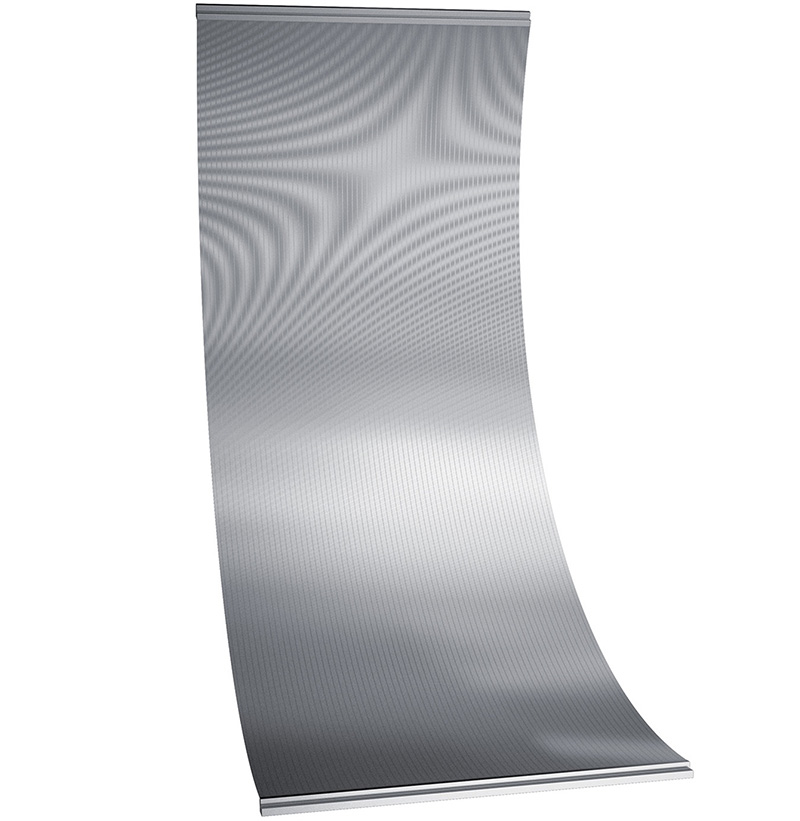
Pantalla Starch
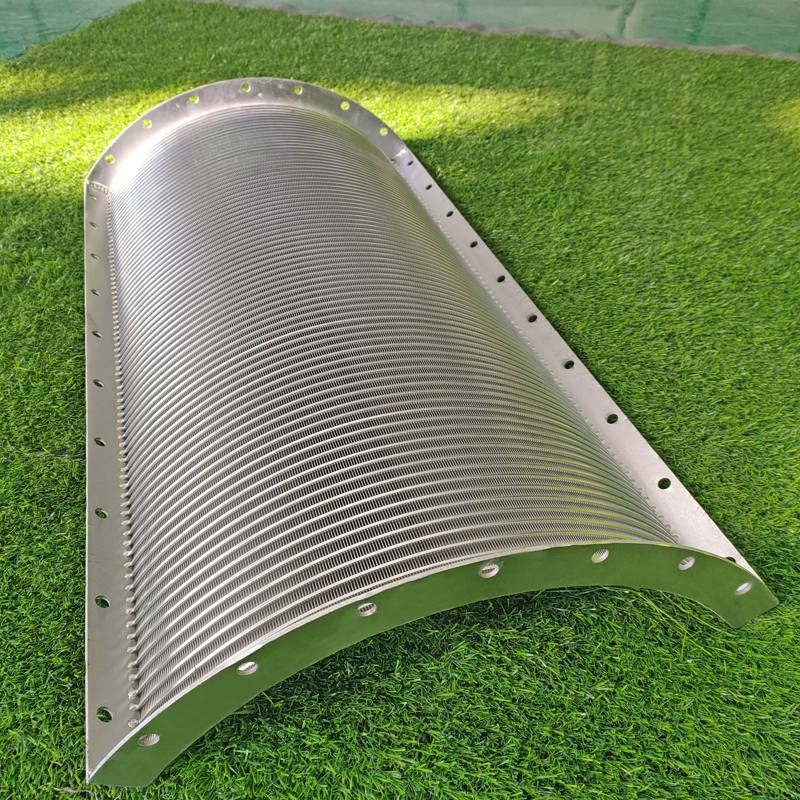
A Wedge Wire Starch Curved Screen é um dispositivo de rastreamento curvo especificamente projetado para a indústria do amido. Ela apresenta uma superfície de tela em forma de arco feita de fios de aço inoxidável de perfil V, bem suavizados, utilizando força centrífuga ou gravidade para alcançar deságua rápida e classificação de molho de amido. Sua estrutura curva prolonga o tempo de retenção de esgoto, melhorando a eficiência de separação sólida-líquida. É adequado para extração de amido, refinação e processos de recuperação de subprodutos para amidos como batata, milho e cassava. Caracterizado por um rastreio eficiente, resistência ao uso e bloqueio, e manutenção fácil, este equipamento é um dispositivo de separação sólido-líquido chave no processo moderno de amido.
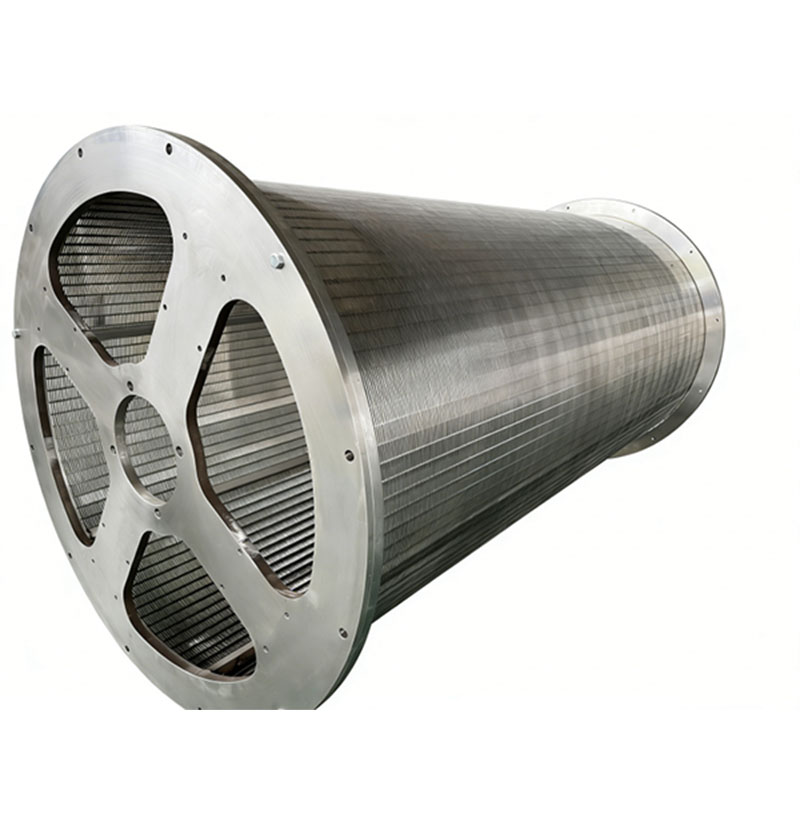
Drum Rotar
A tela rotatória de tubo de fio de ferro inoxidável Wedge Wire (também conhecida como um estrangeiro rotatório de tubo ou micro-tela) é um dispositivo de separação sólido-líquido de fronte que funciona continuamente e automaticamente. Seu componente central é um grande tambor cilindrico instalado horizontalmente ou em uma ligeira inclinação. A superfície circunferencial inteira do tambor está coberta com uma tela de fio de fio de a ço inoxidável (tela Johnson). A água residual a ser tratada flui para um extremo do tambor. Sob a gravidade, o filtrado passa através dos intervalos de fio de corda, enquanto matéria sólida suspensa (como fibras, cabelo, peças plásticas e partículas finas) é mantida na superfície interior do tambor. À medida que o tambor gira lentamente, os resíduos retirados são levantados para o topo, onde são lavados por água pulverizada em um tronco de coleta, atingindo um processo contínuo de rastreamento automático, filtração e remoção de resíduos
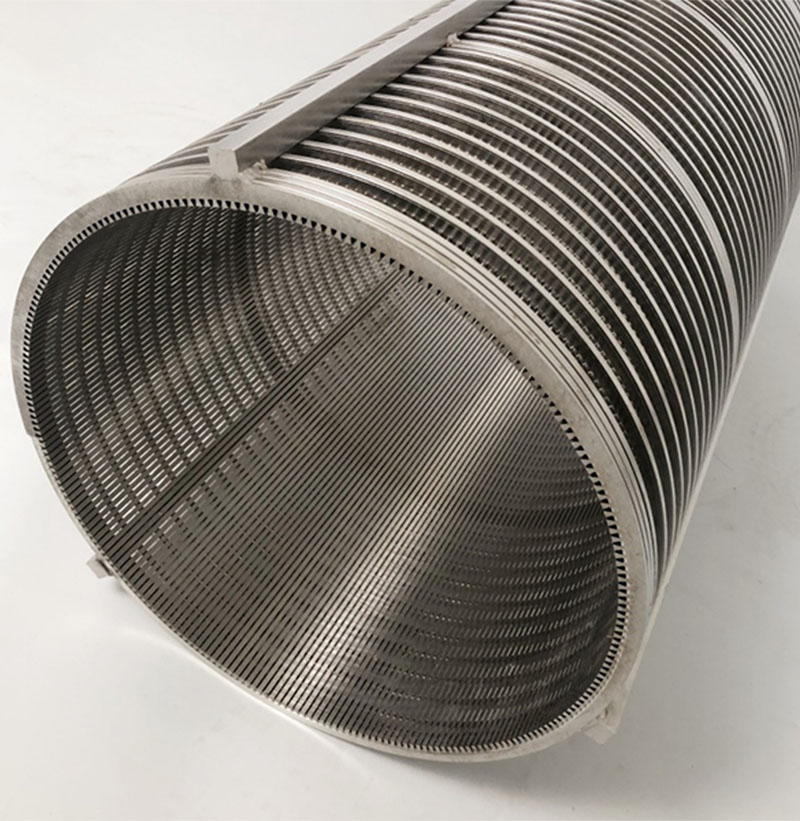
Basquete de Pantalla para Separador de Impressão de Pantalla
O cesto de tela de fio de a ço inoxidável, comumente conhecido como "tela de fio V", "cesto de tela de pulsação" ou "cilindro de tela", é um componente central de separadores de fio de pulsação sólido-líquido. - Está instalado dentro da imprensa espiral, encerrando o barro rotante. O princípio de funcionamento é o seguinte: a chuva bruta com alto conteúdo de umidade é empurrada no cesto da tela pelo barro de screw. Sob a ação de apertação e de transmissão dos voos espirais, o líquido (filtrado) é forçado a sair através dos slots precisos e contínuos do cesto da tela, enquanto o material sólido (bolo de manteiga) é mantido dentro e continua a ser comprimido e desmatado enquanto se move em frente. Finalmente, os sólidos deshidratados são descarregados da saída, atingindo separação sólida-líquida.
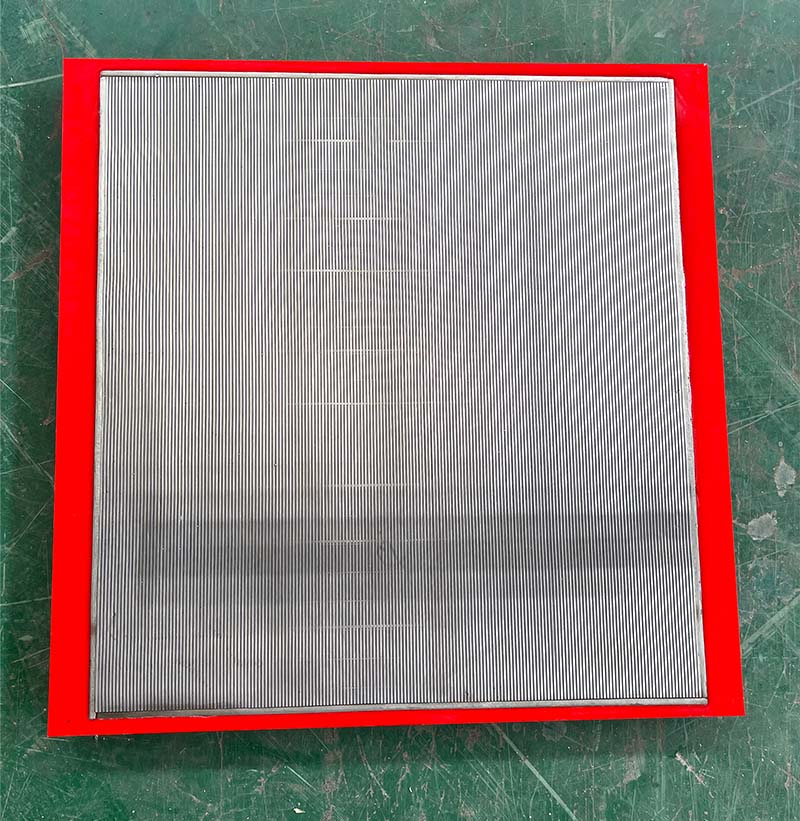
Wedge Wire Vibrating Screen
Uma tela de vibração de fios de a ço inoxidável é um dispositivo de separação sólido-líquido com uma superfície de tela feita precisamente soldando fios de aço inoxidável em forma V, integrado com um sistema de vibração de alta frequência. Com slots uniformes, resistência ao uso e resistência à corrosão, é adequado para operações de rastreamento húmido e desmatamento. O mecanismo de vibração permite uma rápida dispersão de materiais e uma assediação eficiente, evitando efetivamente o bloqueio da tela. Uma grande utilização em indústrias como mineração, metalurgia, processamento de alimentos e proteção ambiental, é particularmente adequada para manejar partículas finas, alta viscosidade ou materiais facilmente aglomerados, oferecendo vantagens como alta precisão de rastreamento, grande capacidade de processamento e longa vida de serviço.
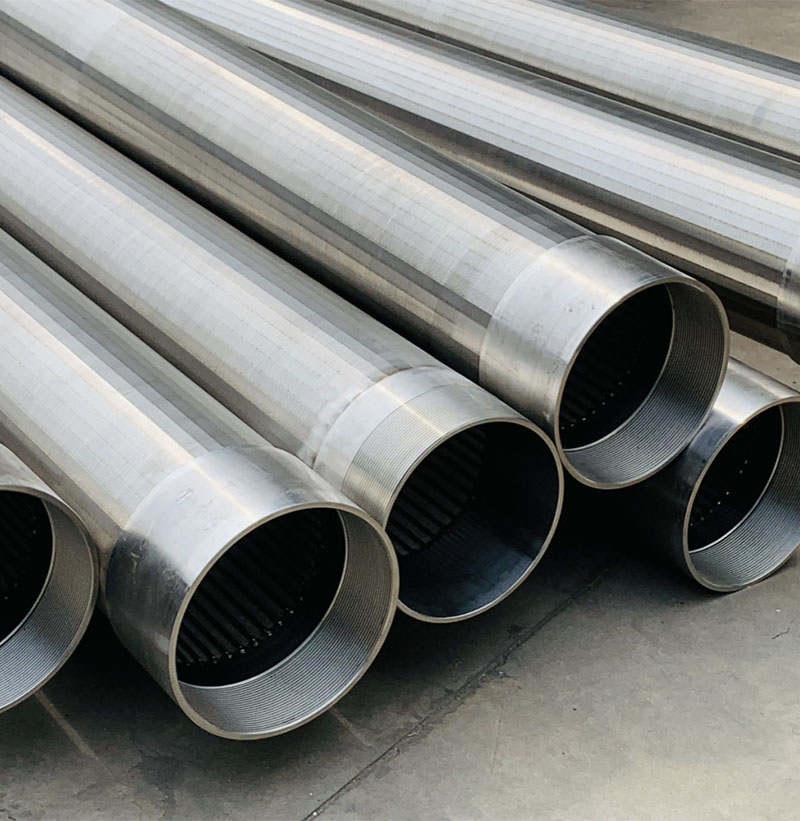
Wedge Wire Water Well Screen
Johnson Deep Water Well Screens, também chamadas de telas de slot contínuas ou telas de envolvimento de fios, foram originalmente desenvolvidos para resolver desafios de controle de areia em formações de areia finas e uniformes. Essas condições geológicas são comumente encontradas em aquíferos de água subterrânea profunda, onde tubos perforados convencionais frequentemente sofrem de obstruções, produção excessiva de areia e redução da eficiência do poço.
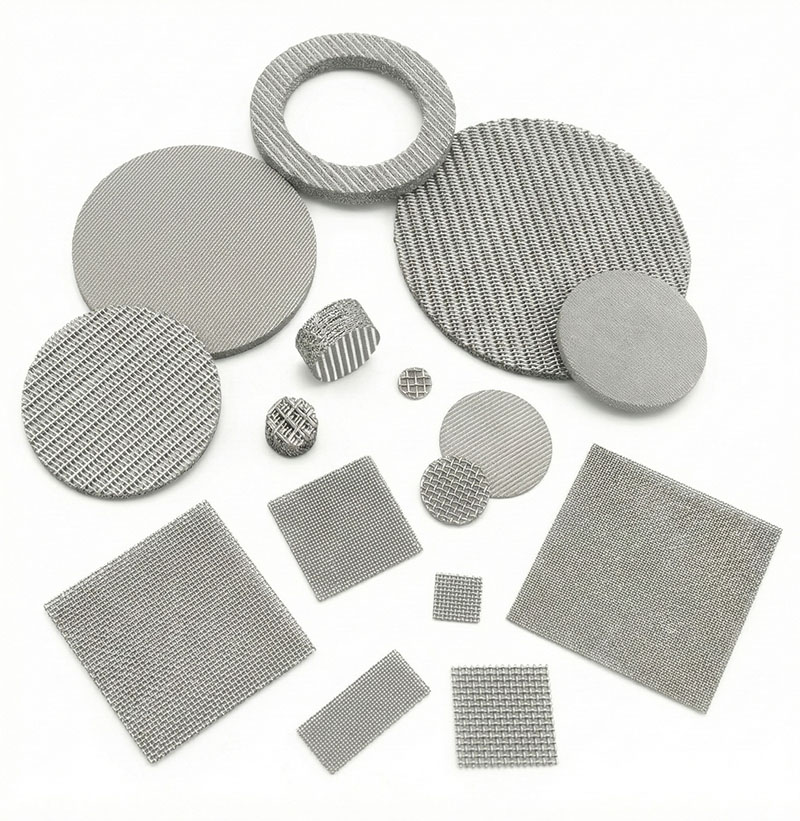
Plata e Disco de Malha Sintered
Platas e discos de malha sinteradas são componentes de filtração de alta precisão fabricados ligando múltiplas camadas de malha de fio de a ço inoxidável através de um processo de sinterização de vácuo especializado. Ao contrário das malhas tradicionais que dependem apenas de tecido mecânico, essas placas são fusionadas em todos os pontos de contato, transformando fios individuais em uma folha metal rígida e integrada porosa.Essas placas podem ser personalizadas em várias formas, mais comunmente discos circulares, para encaixar equipamentos industriais específicos. Eles oferecem um equilíbrio ideal de alta permeabilidade, integridade estrutural extrema e notações de filtração precisas. Porque são feitos inteiramente de metal (tipicamente 304 ou 316L), eles fornecem uma solução de filtração "permanente" que pode resistir a altas temperaturas e substâncias químicas corrosivas enquanto permanecem completamente limpas e reutilizables.