
Über uns
Ihr Experte Hersteller von Wedge Wire Screens;
Ihr zuverlässiger Partner und Innovationsquelle
Erhalten Sie ein kostenloses Angebot
-
Startseite

-
Blog
-
Branchenblog
- How Sieve Bend Screens Classify Mineral Slurry
How Sieve Bend Screens Classify Mineral Slurry
-
 Autor
- 22,Oktober
Sometimes, a mineral plant must take out free water. It also needs to divide a slurry before the next step. A sieve bend handles both tasks quickly within a small space. You might wonder how this equipment works. Its curved shape, feed angle, and slot size play key roles. Together, they change a fast slurry flow into a clean undersize stream. Most importantly, this process saves your valuable solids.
The separation action happens at the curved surface
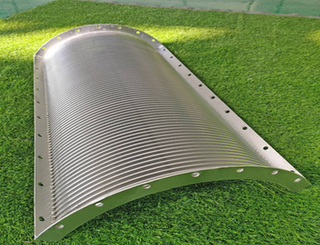
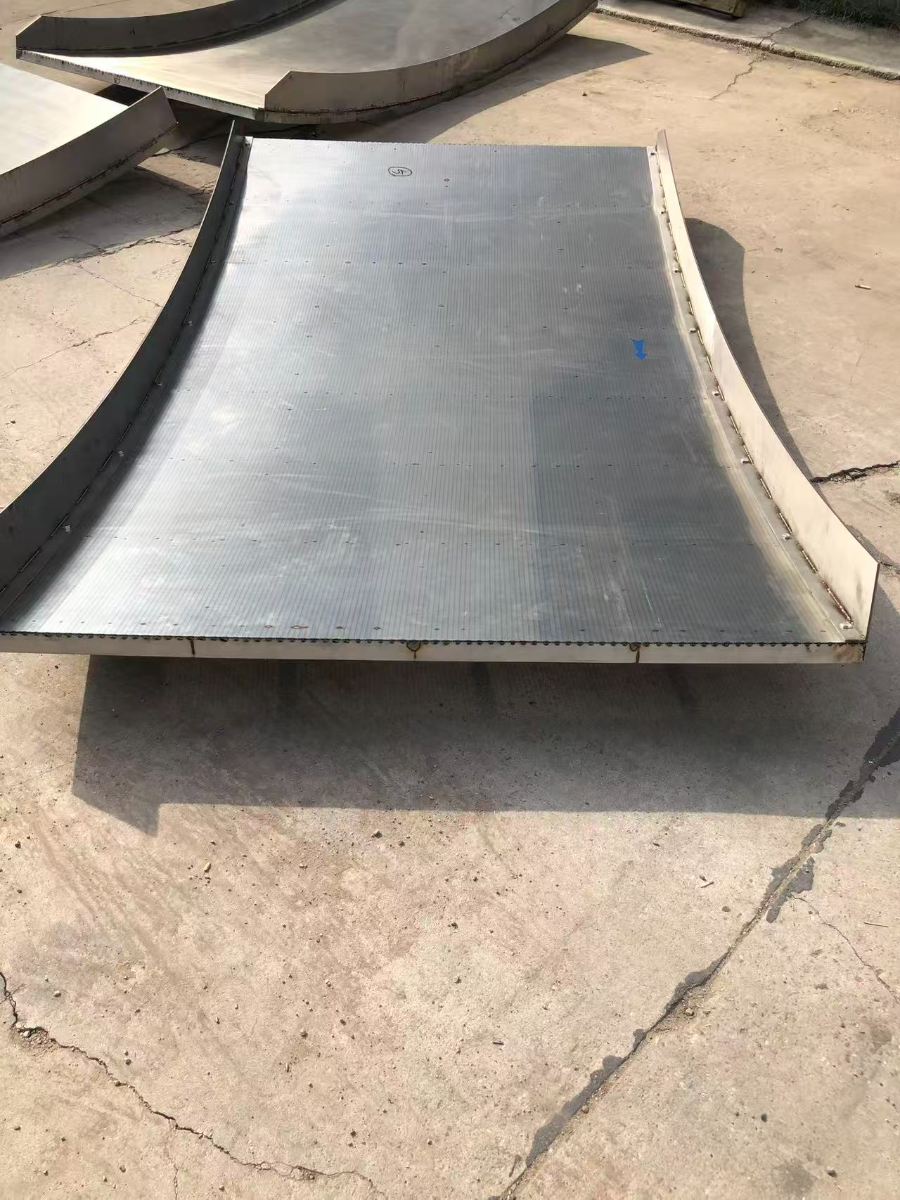
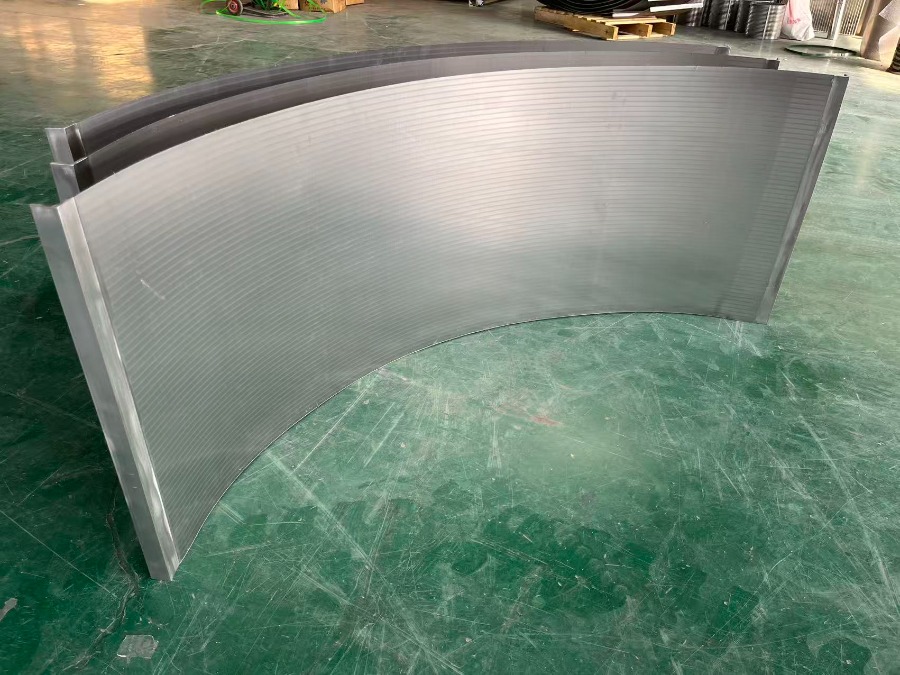
A sieve bend screen relies on the speed of the incoming feed. It does not use a shaking deck. The slurry flows in at an angle. Then, it moves along the curved wedge wire face. Soon, the mixture hits a series of thin slots. Water and tiny pieces fall through the gaps as undersize. Meanwhile, the bigger chunks travel down toward the bottom edge.
This curved shape is very important. It keeps the working angle steady across the whole screen. Separation does not just happen at one flat spot. Furthermore, a continuous sieve bend screen surface offers a very smooth path. Because of this, the flowing mixture finds fewer bumps. Therefore, sticky clay and heavy materials will not build up easily.
Ultimately, you get a very quick early separation step. This action lowers the amount of water and fine dirt going to your thickener, dewatering screen, or pump. The real benefit comes from using the feed energy well. You should never treat this equipment like a basic mesh panel. Inside a mineral slurry separation circuit, this brief step offers another bonus. It helps keep the material density stable for the next machine in line.
What controls the cut point in mineral processing
Several different factors work together to set the actual cut point. The slot width is the most obvious detail. However, other things matter just as much. These include feed pressure, slurry thickness, and particle shape. The screen radius and the width of the working area are also vital. All these details control how long the particles touch the gaps.
Feed conditions shape the result
A watery flow moves very fast. It will push more fine dust through the gaps. On the other hand, a thick flow creates a heavy layer on top. This heavy layer holds back more pieces, but it slows down the water drainage. Plant workers must test the equipment under steady flow and solid levels. Otherwise, they might confuse a simple feed change with a real drop in screen performance.
Slot choice balances recovery and flow
The best slot size hits your separation goal perfectly. At the same time, it leaves plenty of open space for the water to escape. A tiny gap makes the sorting process much sharper. However, it increases the chance of plugging if you have sticky clay or clumped dirt. Conversely, a bigger gap boosts your total flow rate. The downside is that it might let too many valuable solids fall into the undersize pile.
| Variable | Main effect | Useful observation |
|---|---|---|
| Slot opening | Cut point and fine dirt passage | Check undersize density and lost solids |
| Screen width | Open flow space | Look for a smooth liquid layer across the front |
| Radius and angle | Touch time and flow speed | Watch the output spread along the curve |
| Solids thickness | Fluid layer depth and water drainage | Note the density at the input box |
Why pre-dewatering changes the downstream circuit
Early water removal is highly effective. It pulls out loose liquid before the flow reaches sensitive downstream machines. Some machines struggle with too much volume or extra water. A cleaner and thicker flow lowers the fluid stress on your thickener. Consequently, it makes the following classification step much simpler to manage.
This exact situation is where a strong screening in mineral processing surface proves its worth. BTOSLOT builds tough, welded stainless steel wedge wire screens. These items feature precise slots and very firm supports. Because of this strong design, you can match the panel directly to your specific mineral task. You do not have to rely on a basic mesh size alone.
You must always judge the screen by looking at the entire plant circuit. Sometimes, the undersize flow holds too much good mineral. If this happens, do not change the slot size right away. Instead, try fixing the feed spread or the fluid thickness first. On the other hand, the oversize chunks might stay too wet. In that case, you need to check the holding time and the bottom exit setup. They are just as important as the gap size.
Checks that make a sieve bend predictable
Starting up a new system is quite simple if you test early. You should collect your first samples from the main feed and both exit points. By comparing these test cups, you learn a lot. The results will show if a pressure change actually helped the sorting process. Sometimes, a pressure shift just forces more dust into the bottom stream without real benefit.
The input box needs to share the slurry evenly across the whole working width. You must avoid any empty corners. A tight, fast spray of liquid will overwhelm just one side of the curve. This creates a messy, wet line down the metal. As a result, the equipment might look too small for the job, even if the total surface area is perfectly fine.
Washing schedules must depend on the actual dirt, not a strict calendar. Flows packed with sticky clay usually need a quick wash between worker shifts. Conversely, a clean heavy-media flow is much easier to maintain. For those lighter tasks, you only need to look at the gaps and the bottom exit edge from time to time.
Capacity is a flow question, not a width claim
Buying a wider unit does not always give you more working capacity. Good slurry screen manufacturer projects look at capacity as a fluid flow issue. Your actual output only goes up when the extra metal space gets a smooth, steady liquid layer. Furthermore, the gaps must stay clear under the heavy weight of the rocks and dirt.
A smart test records several things at once. You should write down the feed speed, solid thickness, pressure, and wetness. Do not forget to track the lost bits in the bottom flow. These combined numbers reveal the truth. They tell you if pushing more volume actually helps your plant. Sometimes, extra volume just pushes unwanted water and dust into a different trouble spot.
Signs that the screen is overloaded
A heavy, messy wall of liquid builds up near the top input edge.
The bottom exit edge holds a soggy, thick row of mud and rocks.
The bottom liquid thickness jumps wildly when you turn up the pump speed.
The practical takeaway
A sieve bend screen sorts mineral slurry through a smart design. It combines an angled liquid feed with a curved, continuous-slot face. Your most important daily task is finding the right balance. You must match the gap size, liquid layer stability, and the water load heading to the next machine. After making changes, always check your work. Use real recovery numbers and wetness tests from your active plant circuit.
If you require any help, please reach out to BTOSLOT. Simply share your feed details and your final sorting goals. Our team will verify the best gap size and frame build for your exact daily application.
Häufig gestellte Fragen
Can a sieve bend screen handle abrasive mineral slurry?
Yes, it certainly can. However, the wire shape, support spacing, and stainless steel type must fit the harsh conditions. Keep in mind that the fluid thickness and rock shapes still matter. They will dictate how fast the metal parts wear down over time.
What is the role of screen radius?
The curve radius alters the touching angle. It also changes the total distance the mixture travels over the open gaps. You must think about this curve alongside your fluid pressure and overall flow rate. Never look at the curve size all by itself.
How is sieve bend screen capacity evaluated?
You can judge the total capacity by checking multiple details at once. Look closely at the input speed, fluid thickness, and gap size. You also need to measure the metal width and pipe pressure. Finally, inspect the overall quality of both the top and bottom output flows.
Does a smaller slot always improve classification?
No, it does not. A tiny gap might make the sorting cut very sharp. Sadly, it can also choke the fluid flow and cause severe blockages. The perfect gap size does two things well. It saves your good minerals and keeps the water moving smoothly.
Where does a sieve bend fit in a mineral circuit?
This equipment works perfectly right before dewatering, thickening, or media recovery stages. It also fits nicely ahead of other sorting steps. Pulling out loose water and large rocks early on is very helpful. It makes all the following plant operations much easier to run.
Letzter Beitrag
Verwandte Produkte
Bestverkaufte Produkte
Stärke Screen
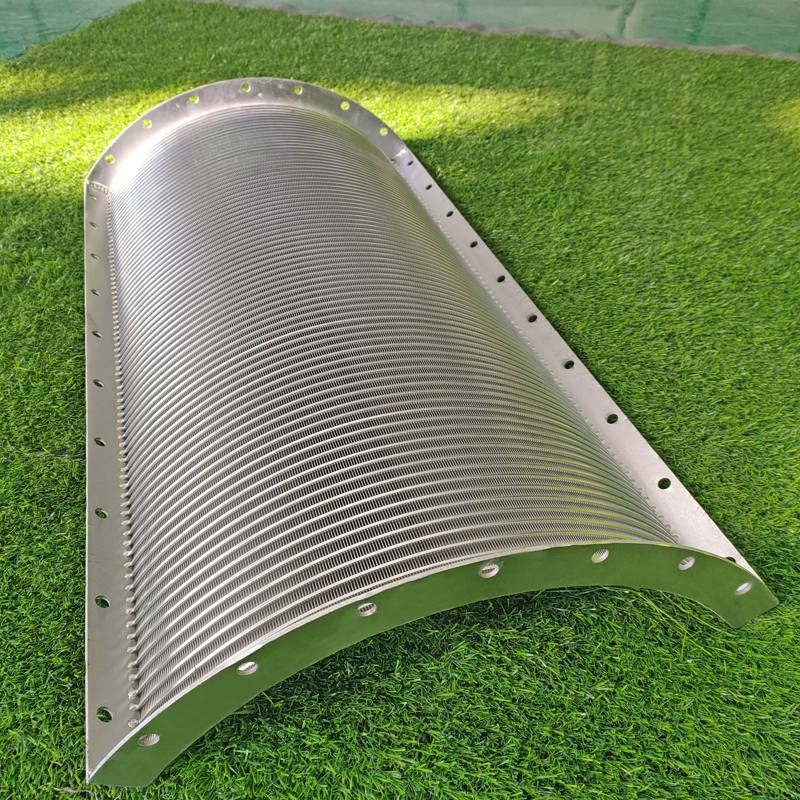
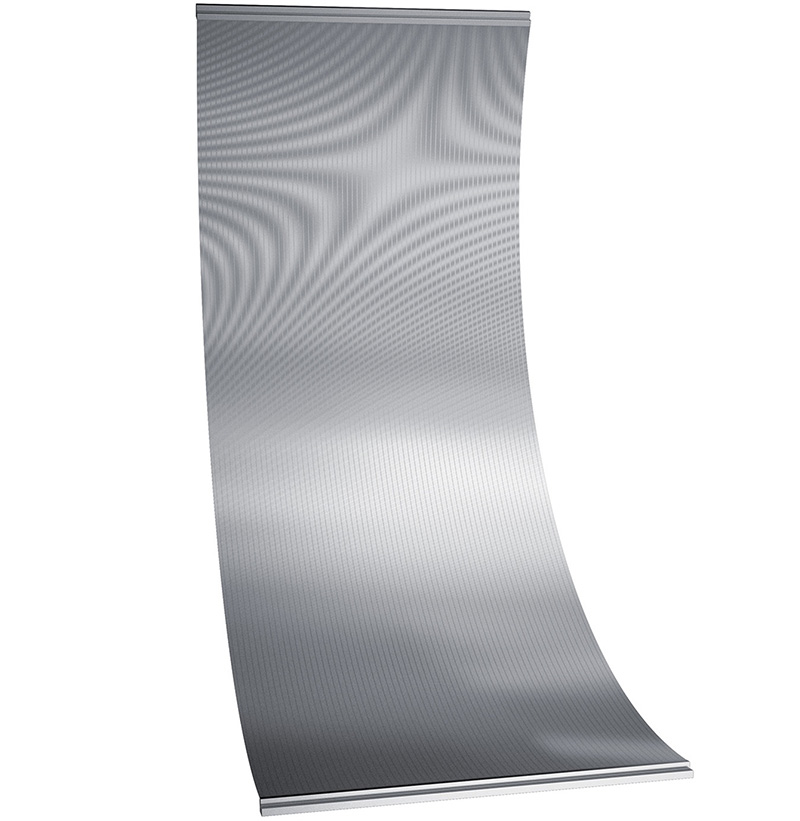
Der Wedge Wire Starch Curved Screen ist ein gekrümmtes Siebgerät, das speziell für die Stärkeindustrie entwickelt wurde. Es verfügt über eine bogenförmige Siebfläche aus präzise geschweißten V-Profil-Edelstahldrähten, die Zentrifugalkraft oder Schwerkraft nutzen, um eine schnelle Entwässerung und Klassifizierung von Stärkeslurry zu erreichen. Seine gekrümmte Struktur verlängert die Schlammretentionszeit und verbessert die Effizienz der Feststoff-Flüssigkeit-Trennung. Es eignet sich für Stärkeextraktion, Raffinierung und Nebenproduktrückgewinnungsprozesse für Stärke wie Kartoffel, Mais und Cassava. Diese Ausrüstung ist durch eine effiziente Siebung, Verschleiß- und Verstopfungsbeständigkeit und einfache Wartung gekennzeichnet und ist eine Schlüsselvorrichtung zur Feststoff-Flüssigkeit-Trennung in der modernen Stärkeverarbeitung.
Rotierende Trommel
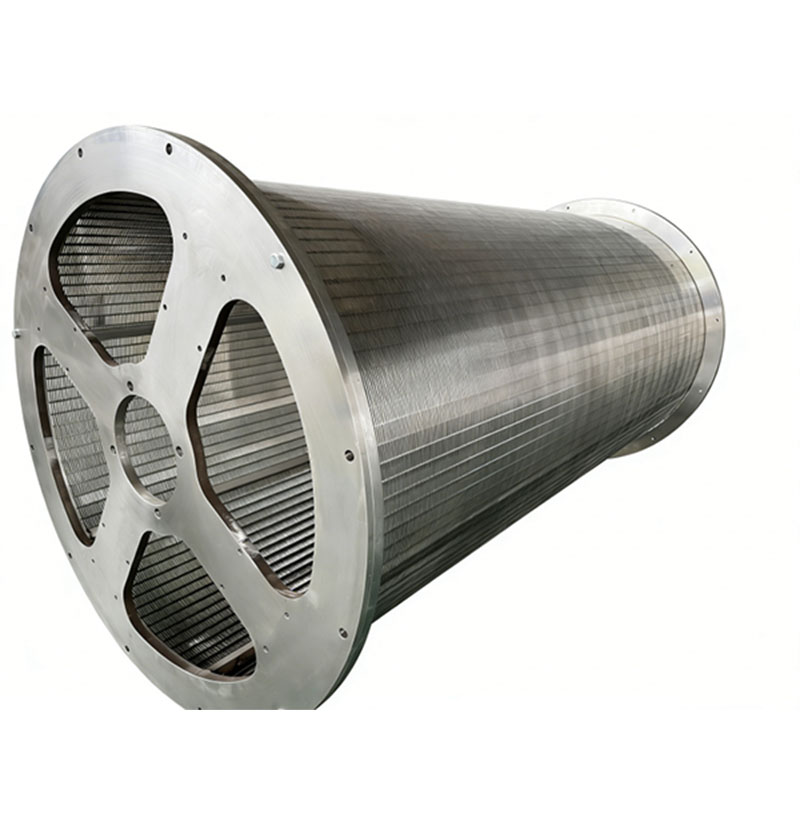
Der Edelstahl Keil Draht Rotary Drum Screen (auch bekannt als ein Rotary Drum Sieb oder Micro-Screen) ist eine kontinuierlich und automatisch arbeitende Front-End-Feststoff-Flüssigkeit-Trennvorrichtung. Sein Kernbauteil ist eine große zylindrische Trommel, die horizontal oder leicht geneigt installiert ist. Die gesamte Umfangsfläche der Trommel ist mit einem Edelstahlkeildrahtsieb (Johnson-Sieb) bedeckt. Das zu behandelnde Abwasser strömt in ein Ende der Trommel. Unter Schwerkraft passiert das Filtrat durch die Keildrahtschlitze, während feste Suspensionsstoffe (wie Fasern, Haare, Kunststoffstücke und feine Partikel) auf der Innenfläche der Trommel gehalten werden. Während sich die Trommel langsam dreht, wird der zurückgehaltene Trümmer nach oben angehoben, wo er durch Sprühwasser in eine Sammeltage gespült wird, wodurch ein kontinuierlicher Prozess der automatischen Siebung, Filtration und Rückstandsentfernung erreicht wird.
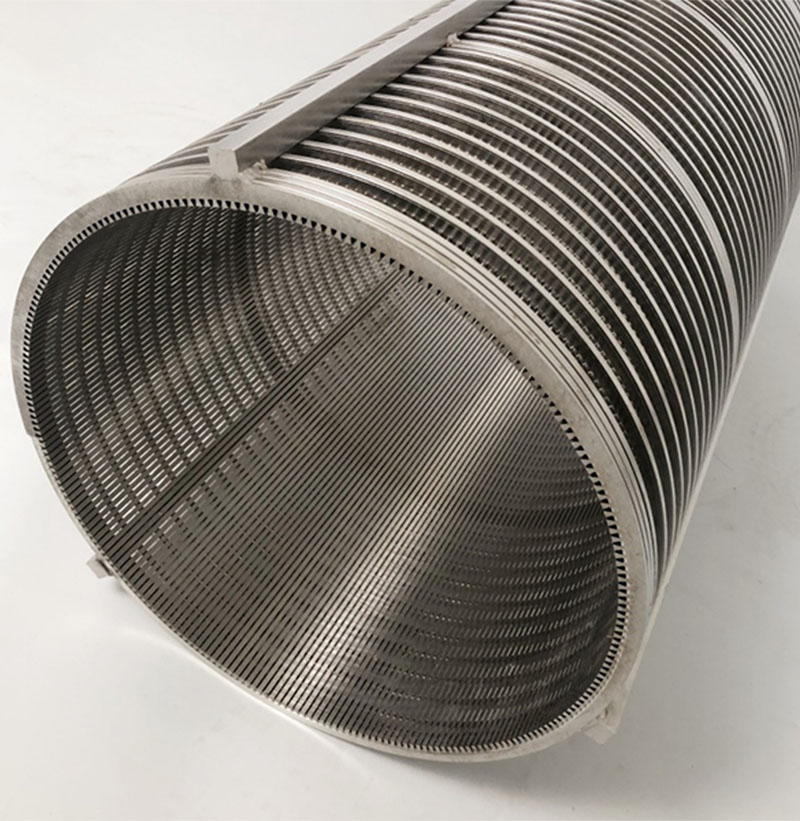
Siebkorb für Screw Press Separator
Der Edelstahl Keil Draht Sieb Korb, allgemein bekannt als der "V-Draht Sieb", "Presse Sieb Korb" oder "Sieb Zylinder", ist ein Kernkomponent der Schraubpresse Fest-Flüssigkeit-Separatoren. Es ist innerhalb der Spiralpresse installiert und umschließt die rotierende Schraubenwelle. Das Arbeitsprinzip lautet wie folgt: Rohslurry mit hohem Feuchtigkeitsgehalt wird durch die Schraubenwelle in den Siebkorb geschoben. Unter der Druck- und Förderwirkung der Spiralflüge wird die Flüssigkeit (Filtrat) durch die präzisen, kontinuierlichen Schlitze des Siebkorbs herausgedrückt, während das feste Material (Düngkuchen) im Inneren gehalten wird und weiterhin komprimiert und entwässert wird, während es sich nach vorne bewegt. Schließlich werden die entwässerten Feststoffe aus dem Auslass abgegeben, wodurch eine Feststoff-Flüssigkeit-Trennung erreicht wird.
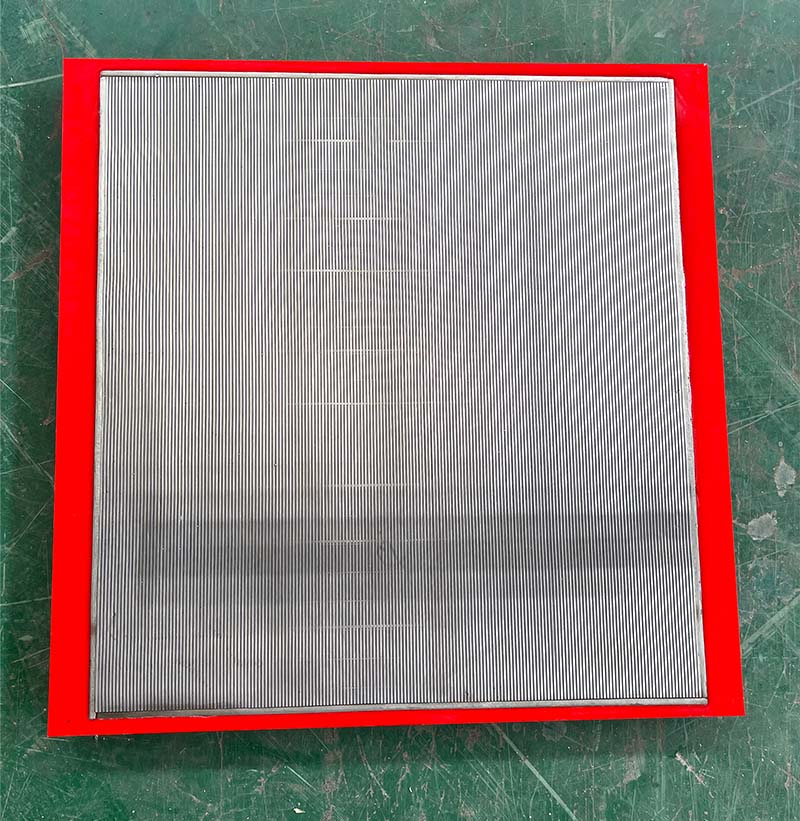
Keil Draht vibrierende Bildschirm
Ein Edelstahlkeildraht-Vibrationsschirm ist eine Fest-Flüssigkeit-Trennvorrichtung mit einer Siebfläche, die durch präzises Schweißen von V-förmigen Edelstahldrähten hergestellt wird, die in ein Hochfrequenzsvibrationssystem integriert ist. Mit einheitlichen Schlitzen, Verschleißbeständigkeit und Korrosionsbeständigkeit ist es für Nasssieb- und Entwässerungsvorgänge geeignet. Der Vibrationsmechanismus ermöglicht eine schnelle Materialverteilung und ein effizientes Sieben, während ein Verstopfen des Siebs effektiv verhindert wird. Weit in Industrien wie Bergbau, Metallurgie, Lebensmittelverarbeitung und Umweltschutz eingesetzt, ist es besonders geeignet für den Umgang mit feinen Partikeln, hochviskosen oder leicht agglomerierenden Materialien und bietet Vorteile wie hohe Siebgenauigkeit, große Verarbeitungskapazität und lange Lebensdauer.
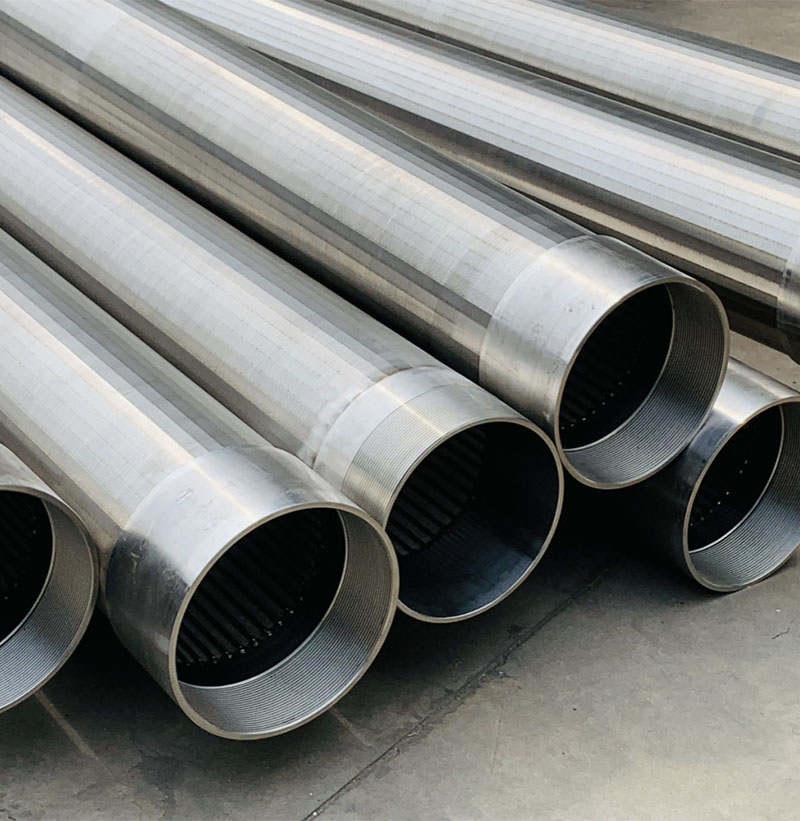
Keil Draht Wasser Brunnen Bildschirm
Johnson Deep Water Well Screens, auch als Continuous Slot Screens oder Wire Wrap Screens bezeichnet, wurden ursprünglich entwickelt, um Herausforderungen bei der Sandkontrolle in feinkörnigen und gleichmäßigen Sandformationen zu lösen. Diese geologischen Bedingungen sind häufig in tiefen Grundwasserwässern zu finden, wo herkömmliche Lochröhren oft unter Verstopfungen, übermäßiger Sandproduktion und reduzierter Brunneneffizienz leiden.
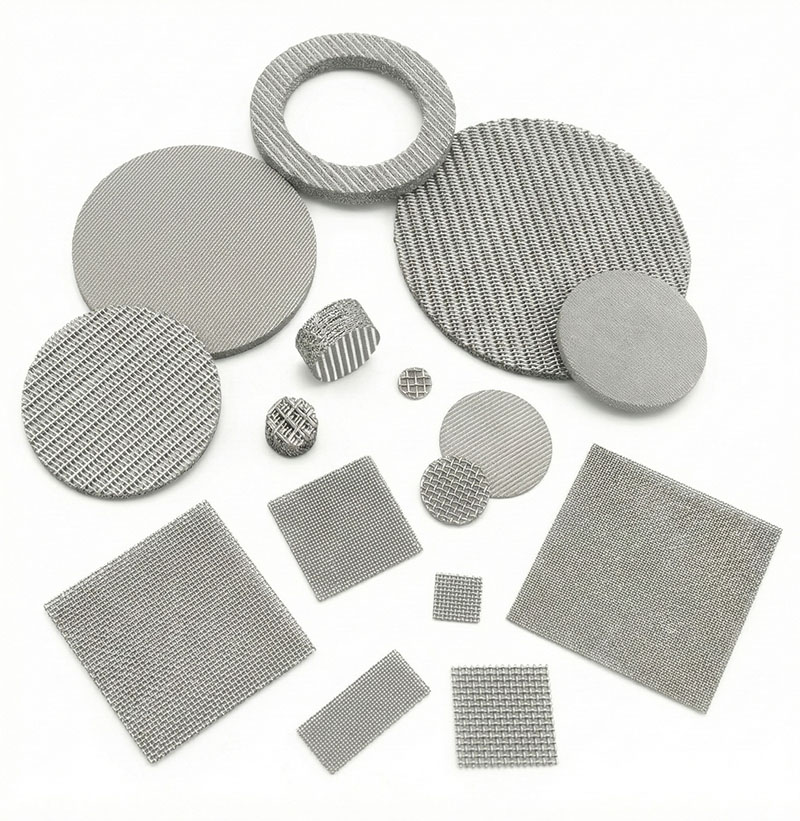
Sinterte Mesh Platte und Scheibe
Sintermaschenplatten und -scheiben sind hochpräzise Filtrationskomponenten, die durch das Verbinden mehrerer Schichten Edelstahldrahtmaschen durch einen spezialisierten Vakuumsinterprozess hergestellt werden. Im Gegensatz zu herkömmlichen Netzen, die sich allein auf mechanisches Weben verlassen, werden diese Platten an jedem Kontaktpunkt geschmolzen und verwandeln einzelne Drähte in ein starres, integriertes poröses Blech.Diese Platten können in verschiedene Formen angepasst werden, am häufigsten kreisförmige Scheiben, um spezifische Industriegeräte anzupassen. Sie bieten eine ideale Balance aus hoher Durchlässigkeit, extremer struktureller Integrität und präzisen Filtrationswerten. Da sie ausschließlich aus Metall (typischerweise 304 oder 316L) hergestellt sind, bieten sie eine "permanente" Filtrationslösung, die hohen Temperaturen und korrosiven Chemikalien standhalten kann, während sie vollständig reinigbar und wiederverwendbar bleiben.