
À propos de nous
Votre fabricant expert d'écrans de fil de coin;
Votre partenaire fiable et source d’innovation
Obtenez un devis gratuit
-
Accueil

-
Blog
-
Blog de l'industrie
- How Sieve Bend Screens Classify Mineral Slurry
How Sieve Bend Screens Classify Mineral Slurry
-
 auteur
- 22,octobre
Sometimes, a mineral plant must take out free water. It also needs to divide a slurry before the next step. A sieve bend handles both tasks quickly within a small space. You might wonder how this equipment works. Its curved shape, feed angle, and slot size play key roles. Together, they change a fast slurry flow into a clean undersize stream. Most importantly, this process saves your valuable solids.
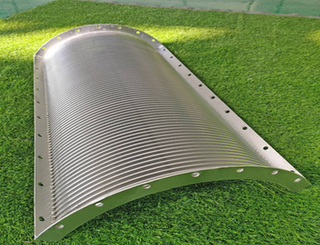
The separation action happens at the curved surface
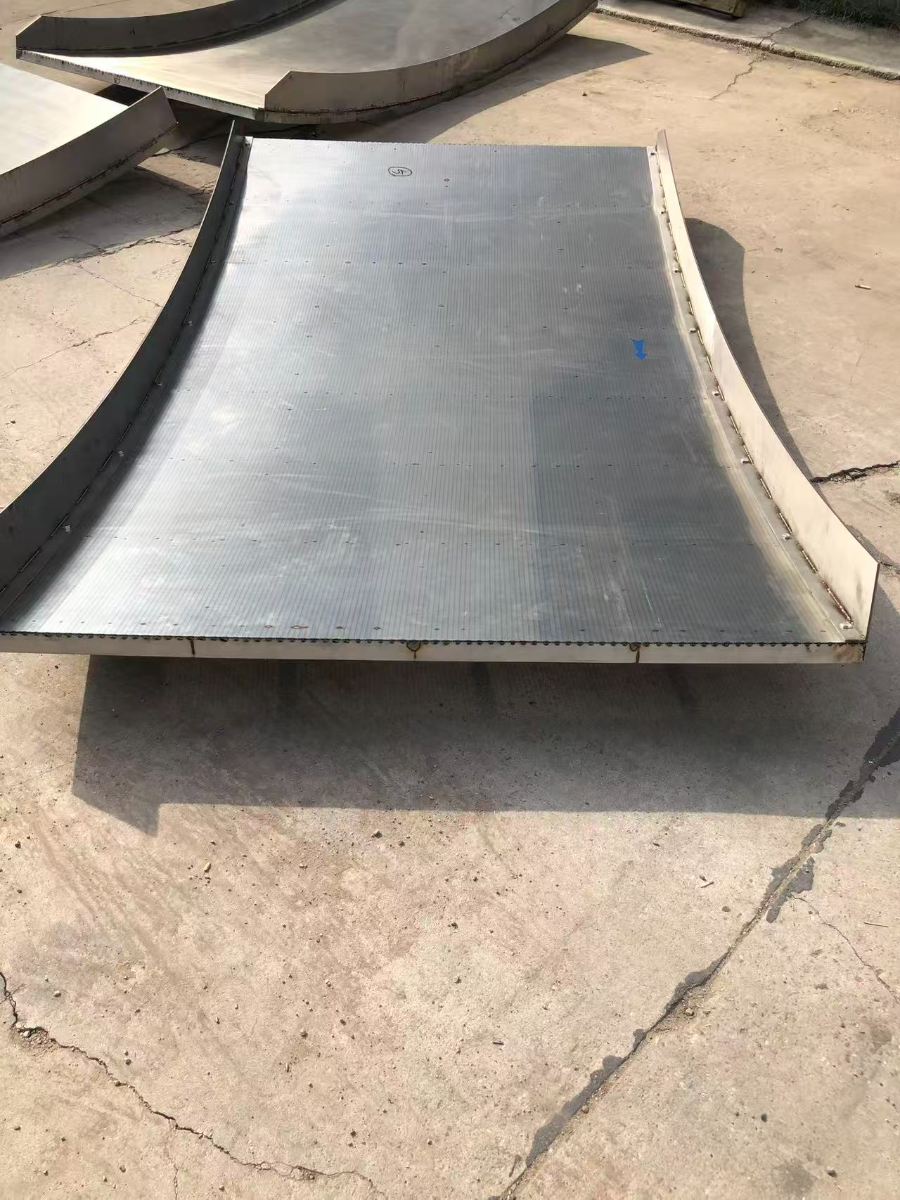
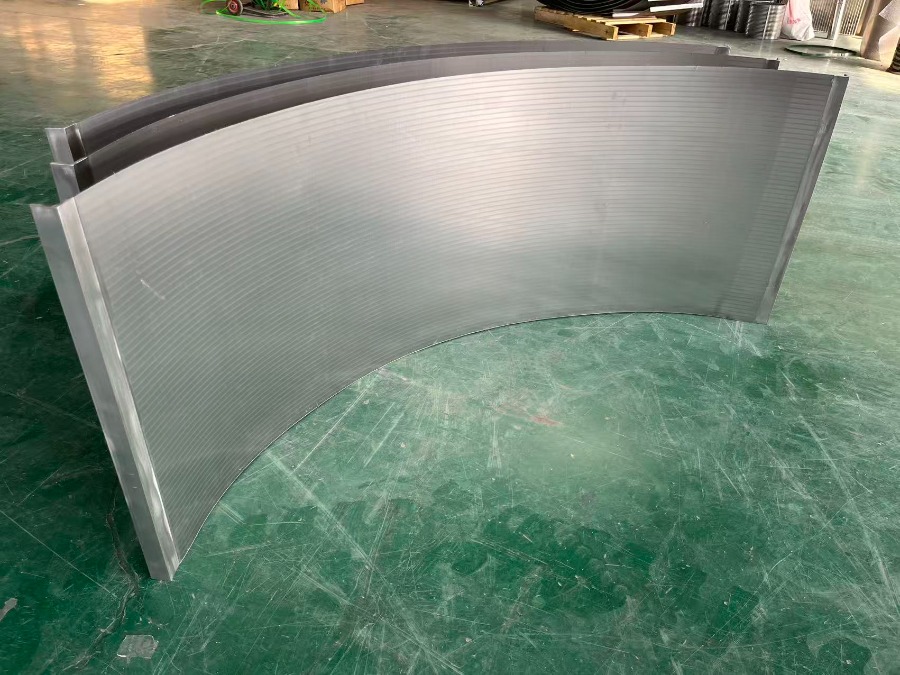
A sieve bend screen relies on the speed of the incoming feed. It does not use a shaking deck. The slurry flows in at an angle. Then, it moves along the curved wedge wire face. Soon, the mixture hits a series of thin slots. Water and tiny pieces fall through the gaps as undersize. Meanwhile, the bigger chunks travel down toward the bottom edge.
This curved shape is very important. It keeps the working angle steady across the whole screen. Separation does not just happen at one flat spot. Furthermore, a continuous sieve bend screen surface offers a very smooth path. Because of this, the flowing mixture finds fewer bumps. Therefore, sticky clay and heavy materials will not build up easily.
Ultimately, you get a very quick early separation step. This action lowers the amount of water and fine dirt going to your thickener, dewatering screen, or pump. The real benefit comes from using the feed energy well. You should never treat this equipment like a basic mesh panel. Inside a mineral slurry separation circuit, this brief step offers another bonus. It helps keep the material density stable for the next machine in line.
What controls the cut point in mineral processing
Several different factors work together to set the actual cut point. The slot width is the most obvious detail. However, other things matter just as much. These include feed pressure, slurry thickness, and particle shape. The screen radius and the width of the working area are also vital. All these details control how long the particles touch the gaps.
Feed conditions shape the result
A watery flow moves very fast. It will push more fine dust through the gaps. On the other hand, a thick flow creates a heavy layer on top. This heavy layer holds back more pieces, but it slows down the water drainage. Plant workers must test the equipment under steady flow and solid levels. Otherwise, they might confuse a simple feed change with a real drop in screen performance.
Slot choice balances recovery and flow
The best slot size hits your separation goal perfectly. At the same time, it leaves plenty of open space for the water to escape. A tiny gap makes the sorting process much sharper. However, it increases the chance of plugging if you have sticky clay or clumped dirt. Conversely, a bigger gap boosts your total flow rate. The downside is that it might let too many valuable solids fall into the undersize pile.
| Variable | Main effect | Useful observation |
|---|---|---|
| Slot opening | Cut point and fine dirt passage | Check undersize density and lost solids |
| Screen width | Open flow space | Look for a smooth liquid layer across the front |
| Radius and angle | Touch time and flow speed | Watch the output spread along the curve |
| Solids thickness | Fluid layer depth and water drainage | Note the density at the input box |
Why pre-dewatering changes the downstream circuit
Early water removal is highly effective. It pulls out loose liquid before the flow reaches sensitive downstream machines. Some machines struggle with too much volume or extra water. A cleaner and thicker flow lowers the fluid stress on your thickener. Consequently, it makes the following classification step much simpler to manage.
This exact situation is where a strong screening in mineral processing surface proves its worth. BTOSLOT builds tough, welded stainless steel wedge wire screens. These items feature precise slots and very firm supports. Because of this strong design, you can match the panel directly to your specific mineral task. You do not have to rely on a basic mesh size alone.
You must always judge the screen by looking at the entire plant circuit. Sometimes, the undersize flow holds too much good mineral. If this happens, do not change the slot size right away. Instead, try fixing the feed spread or the fluid thickness first. On the other hand, the oversize chunks might stay too wet. In that case, you need to check the holding time and the bottom exit setup. They are just as important as the gap size.
Checks that make a sieve bend predictable
Starting up a new system is quite simple if you test early. You should collect your first samples from the main feed and both exit points. By comparing these test cups, you learn a lot. The results will show if a pressure change actually helped the sorting process. Sometimes, a pressure shift just forces more dust into the bottom stream without real benefit.
The input box needs to share the slurry evenly across the whole working width. You must avoid any empty corners. A tight, fast spray of liquid will overwhelm just one side of the curve. This creates a messy, wet line down the metal. As a result, the equipment might look too small for the job, even if the total surface area is perfectly fine.
Washing schedules must depend on the actual dirt, not a strict calendar. Flows packed with sticky clay usually need a quick wash between worker shifts. Conversely, a clean heavy-media flow is much easier to maintain. For those lighter tasks, you only need to look at the gaps and the bottom exit edge from time to time.
Capacity is a flow question, not a width claim
Buying a wider unit does not always give you more working capacity. Good slurry screen manufacturer projects look at capacity as a fluid flow issue. Your actual output only goes up when the extra metal space gets a smooth, steady liquid layer. Furthermore, the gaps must stay clear under the heavy weight of the rocks and dirt.
A smart test records several things at once. You should write down the feed speed, solid thickness, pressure, and wetness. Do not forget to track the lost bits in the bottom flow. These combined numbers reveal the truth. They tell you if pushing more volume actually helps your plant. Sometimes, extra volume just pushes unwanted water and dust into a different trouble spot.
Signs that the screen is overloaded
A heavy, messy wall of liquid builds up near the top input edge.
The bottom exit edge holds a soggy, thick row of mud and rocks.
The bottom liquid thickness jumps wildly when you turn up the pump speed.
The practical takeaway
A sieve bend screen sorts mineral slurry through a smart design. It combines an angled liquid feed with a curved, continuous-slot face. Your most important daily task is finding the right balance. You must match the gap size, liquid layer stability, and the water load heading to the next machine. After making changes, always check your work. Use real recovery numbers and wetness tests from your active plant circuit.
If you require any help, please reach out to BTOSLOT. Simply share your feed details and your final sorting goals. Our team will verify the best gap size and frame build for your exact daily application.
FAQ
Can a sieve bend screen handle abrasive mineral slurry?
Yes, it certainly can. However, the wire shape, support spacing, and stainless steel type must fit the harsh conditions. Keep in mind that the fluid thickness and rock shapes still matter. They will dictate how fast the metal parts wear down over time.
What is the role of screen radius?
The curve radius alters the touching angle. It also changes the total distance the mixture travels over the open gaps. You must think about this curve alongside your fluid pressure and overall flow rate. Never look at the curve size all by itself.
How is sieve bend screen capacity evaluated?
You can judge the total capacity by checking multiple details at once. Look closely at the input speed, fluid thickness, and gap size. You also need to measure the metal width and pipe pressure. Finally, inspect the overall quality of both the top and bottom output flows.
Does a smaller slot always improve classification?
No, it does not. A tiny gap might make the sorting cut very sharp. Sadly, it can also choke the fluid flow and cause severe blockages. The perfect gap size does two things well. It saves your good minerals and keeps the water moving smoothly.
Where does a sieve bend fit in a mineral circuit?
This equipment works perfectly right before dewatering, thickening, or media recovery stages. It also fits nicely ahead of other sorting steps. Pulling out loose water and large rocks early on is very helpful. It makes all the following plant operations much easier to run.
Article récent
Produits connexes
Produits les plus vendus
écran amidon
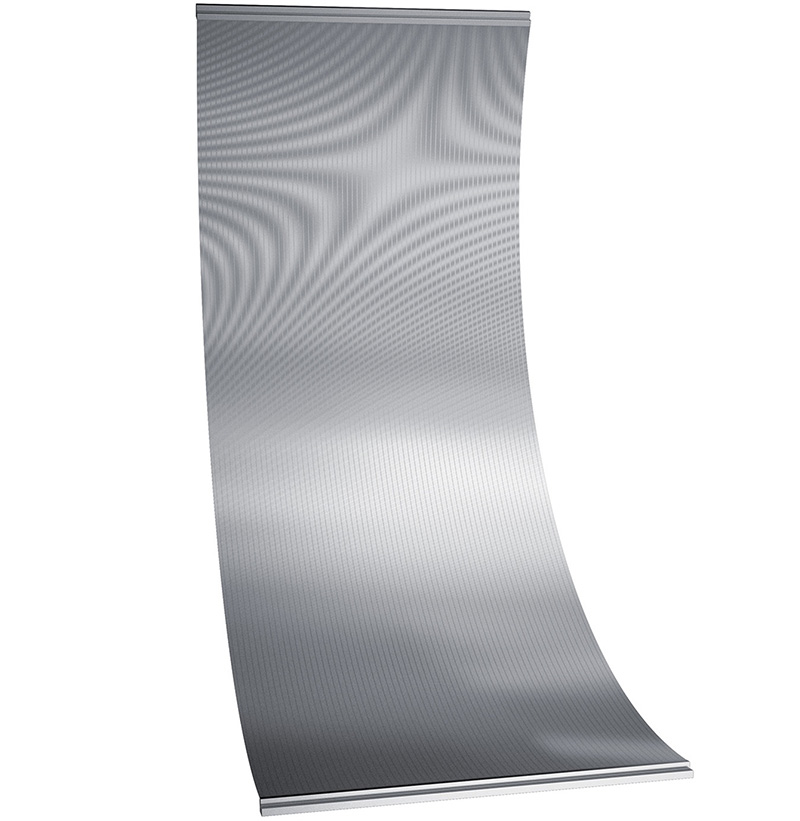
Le Wedge Wire Starch Curved Screen est un dispositif de criblage courbé spécialement conçu pour l'industrie de l'amidon. Il dispose d'une surface d'écran en forme d'arc faite de fils en acier inoxydable en profil V soudés avec précision, utilisant la force centrifuge ou la gravité pour réaliser une déshydratation rapide et la classification de la boue d'amidon. Sa structure courbe prolonge le temps de rétention des boues, améliorant l'efficacité de la séparation solide-liquide. Il convient pour l'extraction d'amidon, le raffinage et les processus de récupération de sous-produits pour les amidons tels que la pomme de terre, le maïs et le manioc. Caractérisé par un criblage efficace, une résistance à l'usure et à l'obstruction et une maintenance facile, cet équipement est un dispositif de séparation solide-liquide clé dans le traitement moderne de l'amidon.
tambour rotatif
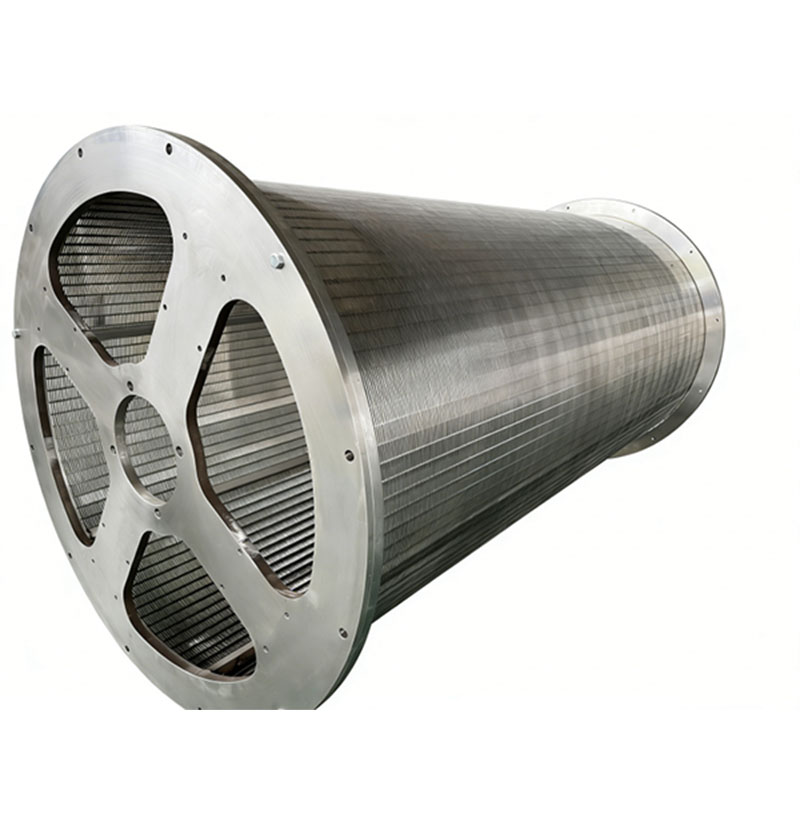
L'écran de tambour rotatif en acier inoxydable (également connu sous le nom de filtre de tambour rotatif ou micro-écran) est un dispositif de séparation solide-liquide frontal fonctionnant en continu et automatiquement. Son élément central est un grand tambour cylindrique installé horizontalement ou en légère inclinaison. Toute la surface circonférentielle du tambour est recouverte d'un écran en acier inoxydable (écran Johnson). Les eaux usées à traiter s'écoulent dans une extrémité du tambour. Sous la gravité, le filtrat passe à travers les fentes de fil de coin, tandis que la matière solide en suspension (telles que les fibres, les cheveux, les morceaux de plastique et les particules fines) est retenue sur la surface interne du tambour. Au fur et à mesure que le tambour tourne lentement, les débris retenus sont soulevés vers le haut, où ils sont rincés par l'eau pulvérisée dans un trou de collecte, permettant ainsi un processus continu de filtration automatique et d'élimination des résidus.
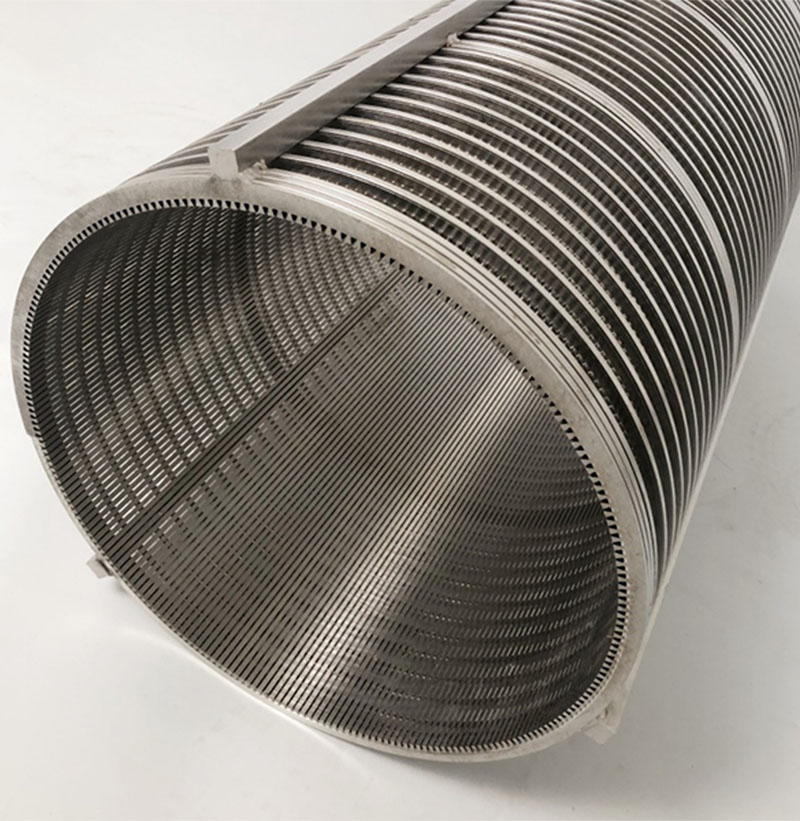
Panier d'écran pour séparateur de presse à vis
Le panier d'écran en fil de coin en acier inoxydable, communément connu sous le nom de "écran en V", "panier d'écran de presse" ou "cylindre d'écran", est un composant central des séparateurs solide-liquide de presse à vis. Il est installé à l'intérieur de la presse à spirale, encerclant l'arbre à vis rotatif. Le principe de fonctionnement est le suivant: la boue brute à forte teneur en humidité est poussée dans le panier d'écran par l'arbre à vis. Sous l'action de compression et de transport des vols en spirale, le liquide (filtrat) est forcé à travers les fentes précises et continues du panier d'écran, tandis que le matériau solide (gâteau de fumier) est retenu à l'intérieur et continue d'être comprimé et déshydraté au fur et à mesure qu'il avance. Enfin, les solides déshydratés sont déchargés de la sortie, permettant une séparation solide-liquide.
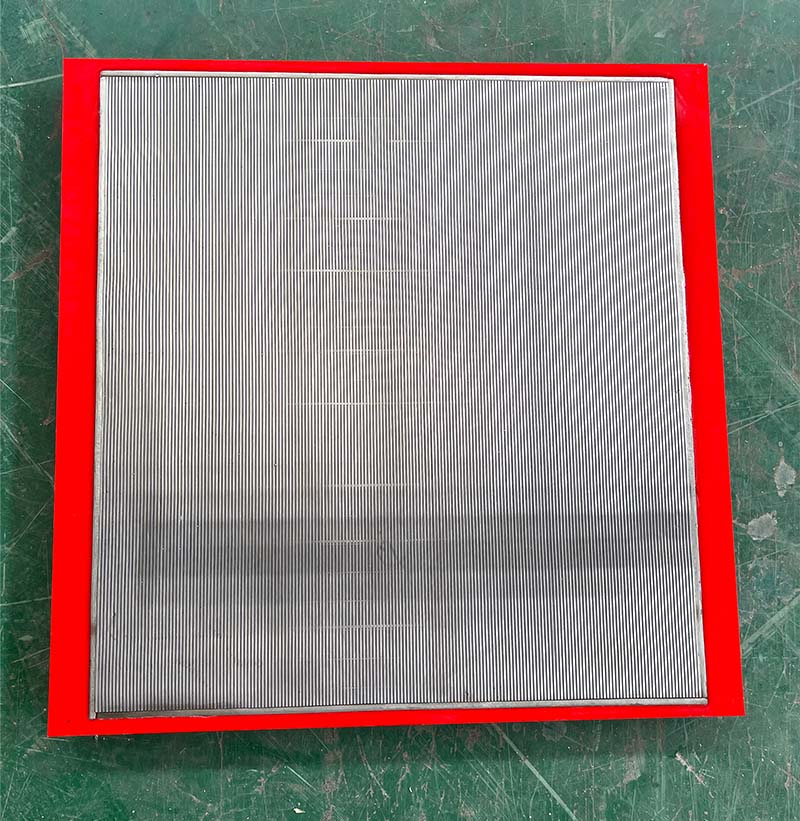
Ecran vibrant de fil de coin
Un écran vibrant en fil de coin en acier inoxydable est un dispositif de séparation solide-liquide comportant une surface d'écran réalisée par soudage précis de fils en acier inoxydable en forme de V, intégré à un système de vibration haute fréquence. Avec des fentes uniformes, une résistance à l'usure et une résistance à la corrosion, il convient aux opérations de filtrage humide et de déshydratation. Le mécanisme de vibration permet une dispersion rapide du matériau et un tamissage efficace tout en empêchant efficacement l'obstruction de l'écran. Largement utilisé dans des industries telles que l'exploitation minière, la métallurgie, la transformation des aliments et la protection de l'environnement, il est particulièrement adapté pour manipuler des particules fines, des matériaux à haute viscosité ou facilement agglomérables, offrant des avantages tels que la précision de criblage élevée, une grande capacité de traitement et une longue durée de vie.
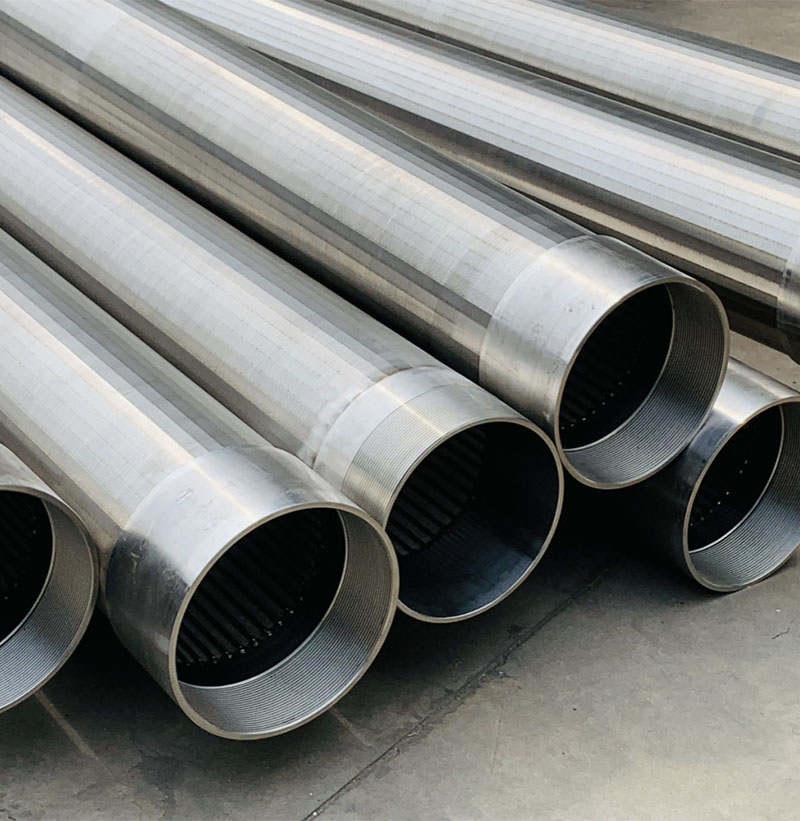
Écran de puits d'eau de fil de coin
Les écrans de puits d'eau profonde Johnson, également appelés écrans de fente continue ou écrans d'enveloppement de fil, ont été développés à l'origine pour résoudre les problèmes de contrôle du sable dans les formations de sable fine graine et uniforme. Ces conditions géologiques sont couramment rencontrées dans les aquifères souterrains profonds, où les tuyaux perforés conventionnels souffrent souvent d'obstruction, de production excessive de sable et de réduction de l'efficacité des puits.
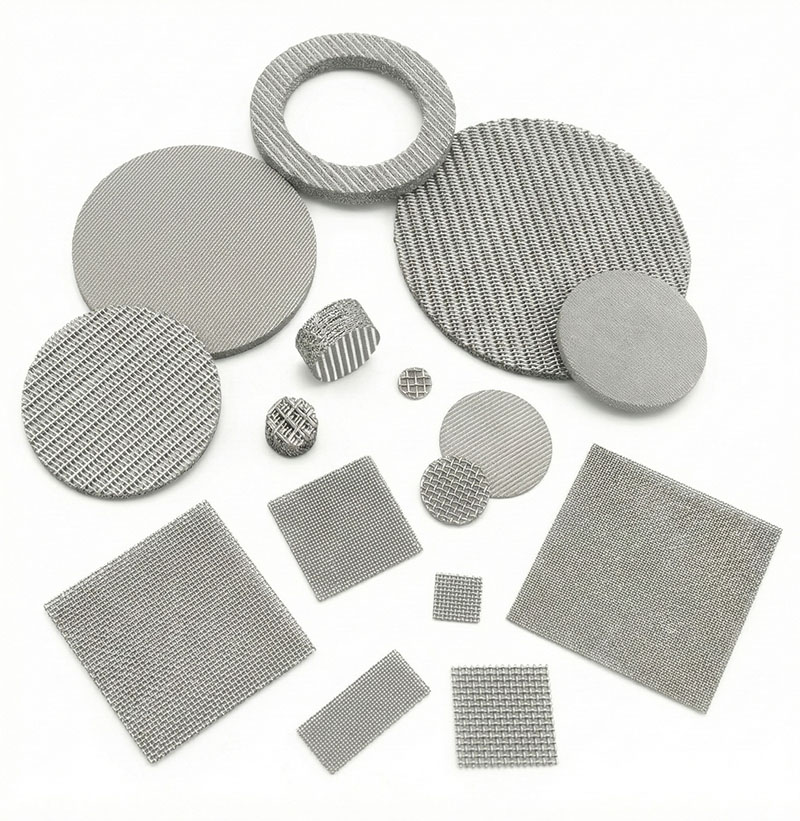
Plaque et disque en maille fritté
Les plaques et disques de maillage fritté sont des composants de filtration de haute précision fabriqués en liant plusieurs couches de maillage en acier inoxydable à travers un processus de frittage sous vide spécialisé. Contrairement au maillage traditionnel qui repose uniquement sur le tissage mécanique, ces plaques sont fusionnées à chaque point de contact, transformant des fils individuels en une tôle porouse rigide et intégrée.Ces plaques peuvent être personnalisées en différentes formes, le plus souvent des disques circulaires, pour s'adapter à des équipements industriels spécifiques. Ils offrent un équilibre idéal entre une perméabilité élevée, une intégrité structurelle extrême et des taux de filtration précis. Étant donné qu'ils sont entièrement en métal (généralement 304 ou 316L), ils fournissent une solution de filtration "permanente" qui peut résister aux températures élevées et aux produits chimiques corrosifs tout en restant entièrement nettoyables et réutilisables.