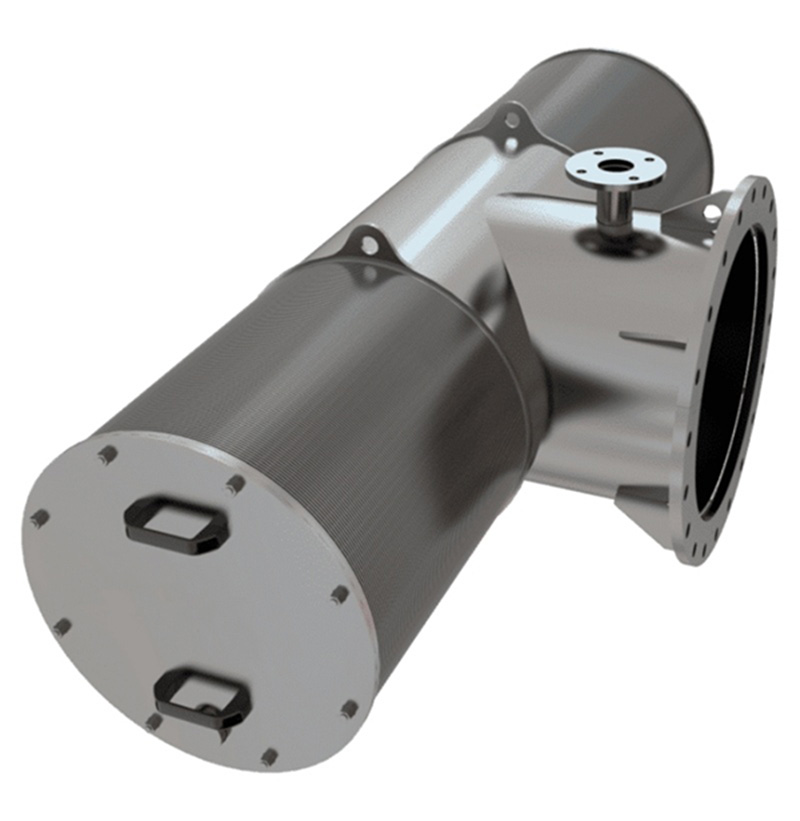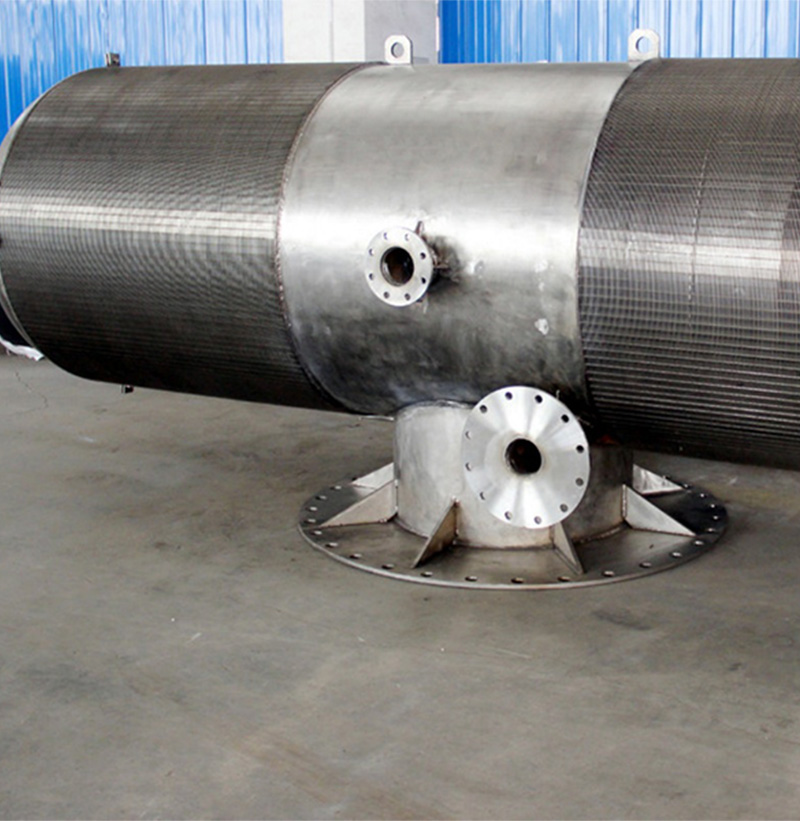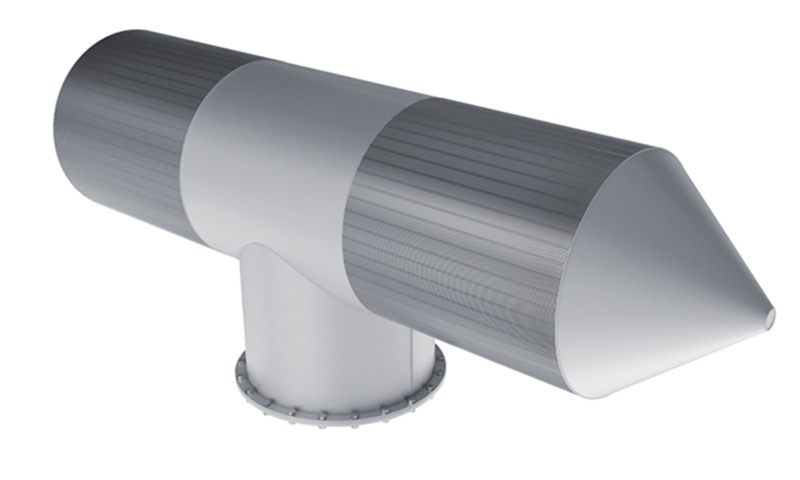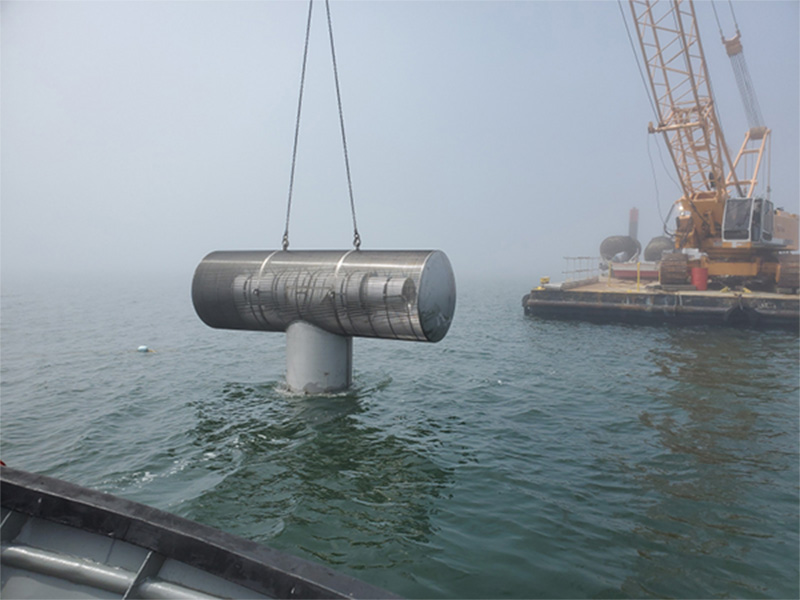
Intake Screen

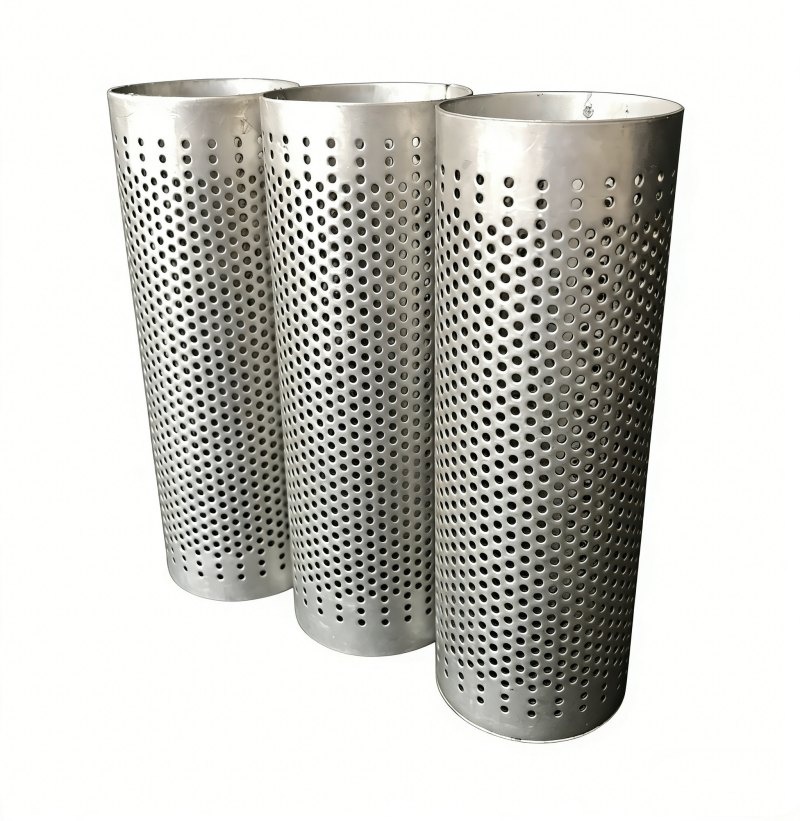
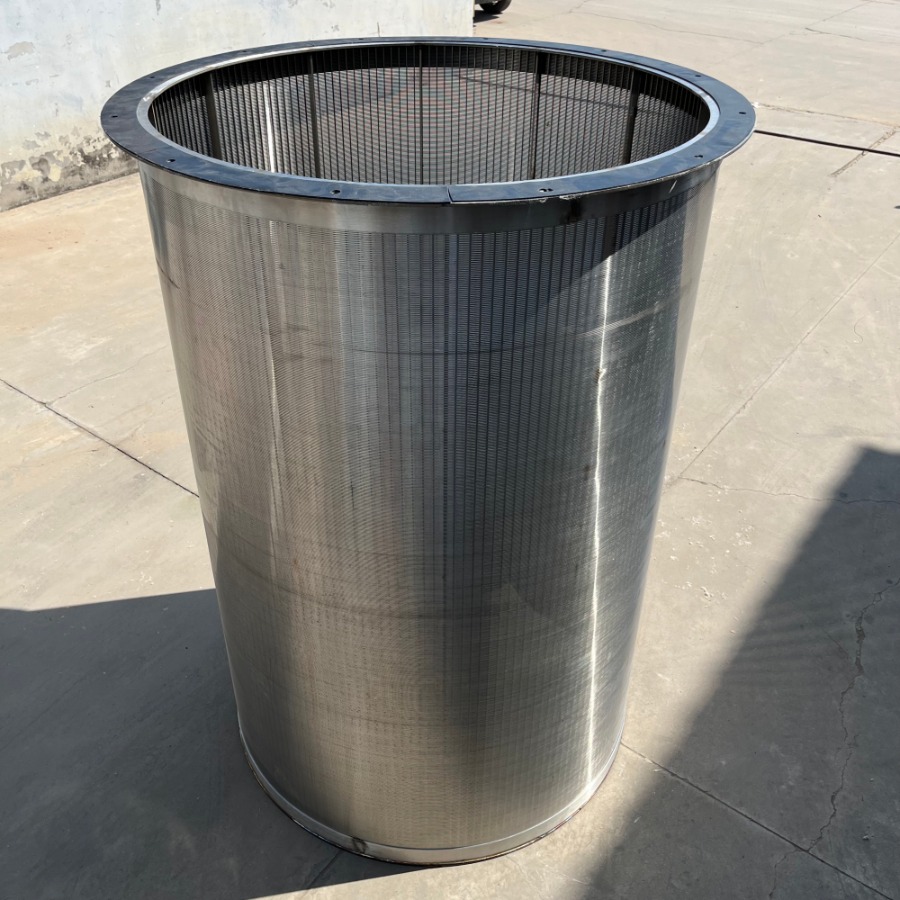
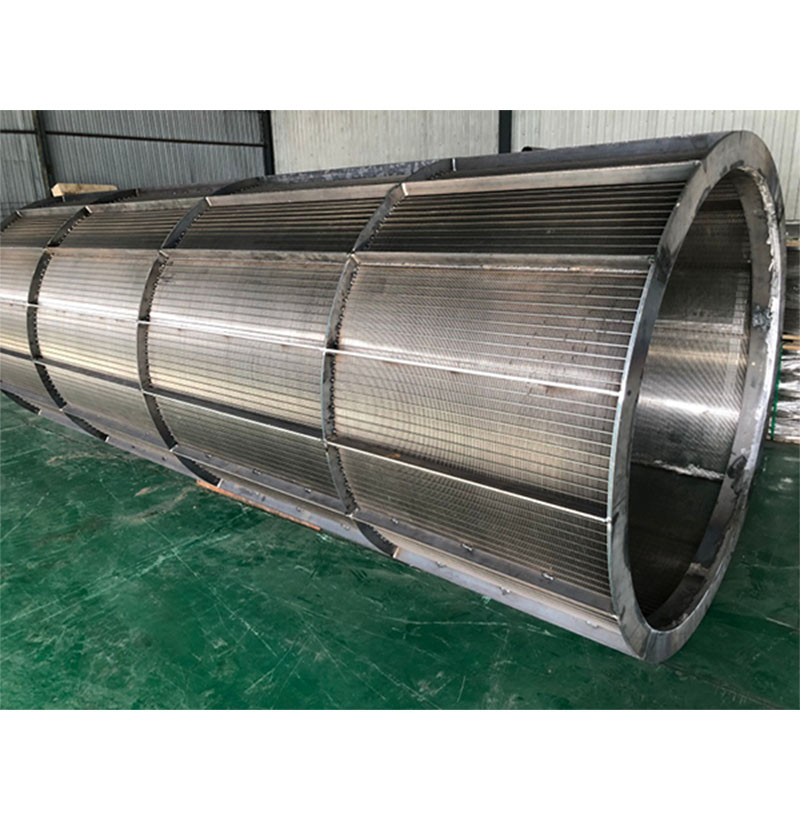
The stainless steel wedge wire slot tube (axial internal wire type, inside-out filtration) is the core precision filtering element in self-cleaning filters (e.g., brush/suction type filters). Its structural feature is that the wedge wires are arranged parallel along the axial direction of the tube and welded (different from traditional circumferential winding), forming precise longitudinal filtration slots. During operation, the liquid to be filtered flows from inside the tube and, driven by pressure, passes from inside to outside through the wedge-shaped slots. Impurities are trapped on the inner wall of the tube, while clean liquid collects and flows out from the exterior.
  • Product details image

  • Product Details Description

  • Intake Screen

    Intake Screen2
  • Application scenarios

    Intake Screen3

Product Features and Advantages

High Precision and Strong Stability: The axially parallel wedge wire structure provides high dimensional stability, preventing slot deformation under pressure fluctuations and ensuring long-term stable filtration accuracy (commonly 25-500 microns).


Efficient Self-Cleaning and Anti-Clogging: Designed specifically for self-cleaning. Internal scraping components (brushes or suction nozzles) can smoothly and completely clean the entire inner surface along the axial direction, with no dead zones, ensuring thorough residue removal and nearly 100% regeneration efficiency.


High Flow Rate and Low Pressure Drop: The short and straight longitudinal flow path, combined with the high open area of the wedge wires, significantly reduces fluid resistance, making it suitable for high-flow filtration.


Exceptional Mechanical Strength: Full circumferential welding of axial wires and support rings creates a robust structure that withstands frequent mechanical scraping and high-pressure backwashing impacts, with no risk of loosening.


Modularity and Long Service Life: Standard modular lengths (e.g., 500mm, 1000mm) facilitate easy replacement and combination. The all-stainless steel construction resists corrosion and wear.


Product Parameters

Parameter Typical Specifications
Material 304/316L Stainless Steel (standard), Duplex Steel (highly corrosive environments)
Filtration Rating 25μm, 50μm, 100μm, 200μm, 500μm (customizable to user requirements)
Tube Outer Diameter φ50mm, φ60mm, φ80mm, φ100mm, etc. (compatible with standard filter housings)
Standard Length 500mm, 1000mm, 1500mm (custom lengths available)
Slot Structure Axially parallel wedge wires, continuous longitudinal slots


Summary

This axial internal wire wedge wire slot tube is the technical core enabling efficient and reliable filtration in self-cleaning filters. Its unique axial structure perfectly aligns with the self-cleaning logic of “inside-out filtration + axial scraping,” ensuring high precision while addressing the shortcomings of traditional filter elements, such as incomplete cleaning and susceptibility to damage. It is particularly suitable for harsh operating conditions with high contamination loads and the need for continuous operation, serving as a critical component for achieving fully automated, low-maintenance filtration.

OUR PRODUCTS

Best-selling Products
Starch Screen

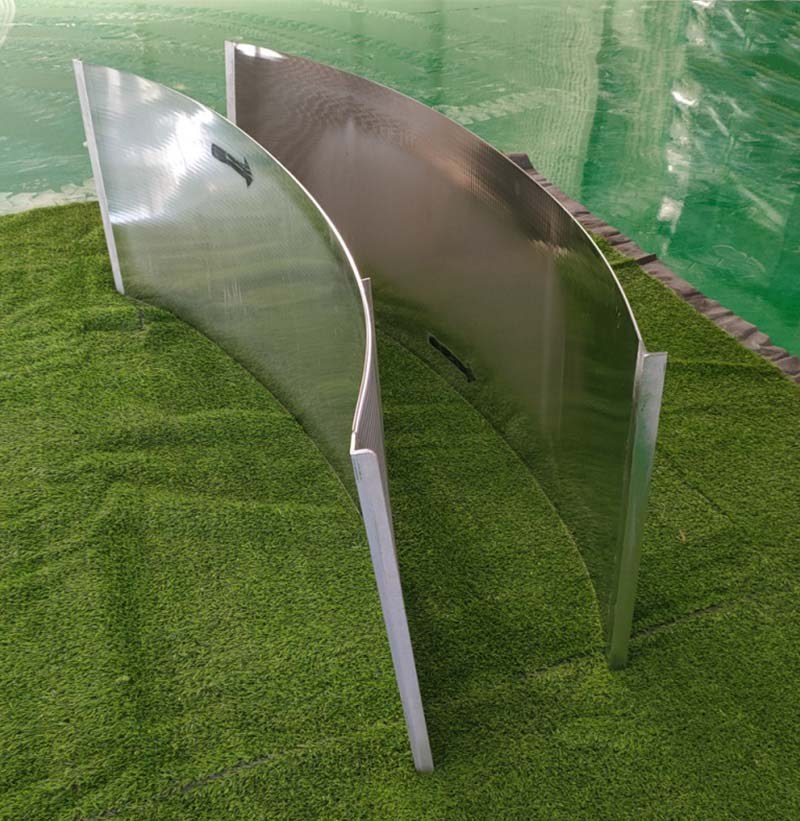
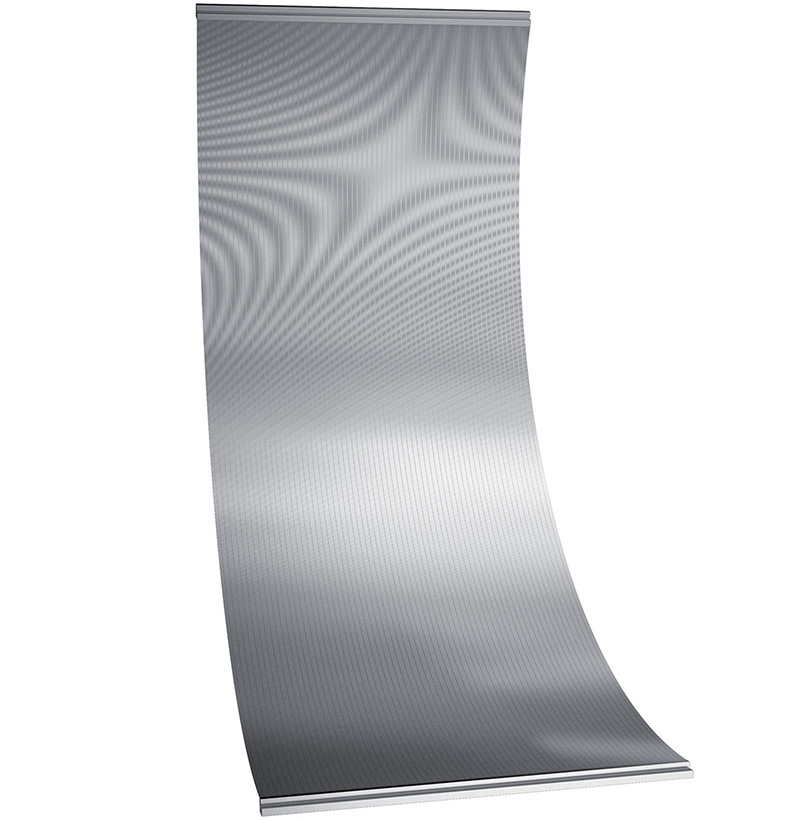
The Wedge Wire Starch Curved Screen is a curved screening device specifically designed for the starch industry. It features an arc-shaped screen surface made of precisely welded V-profile stainless steel wires, utilizing centrifugal force or gravity to achieve rapid dewatering and classification of starch slurry. Its curved structure prolongs slurry retention time, improving solid-liquid separation efficiency. It is suitable for starch extraction, refining, and byproduct recovery processes for starches such as potato, corn, and cassava. Characterized by efficient screening, wear and clogging resistance, and easy maintenance, this equipment is a key solid-liquid separation device in modern starch processing.
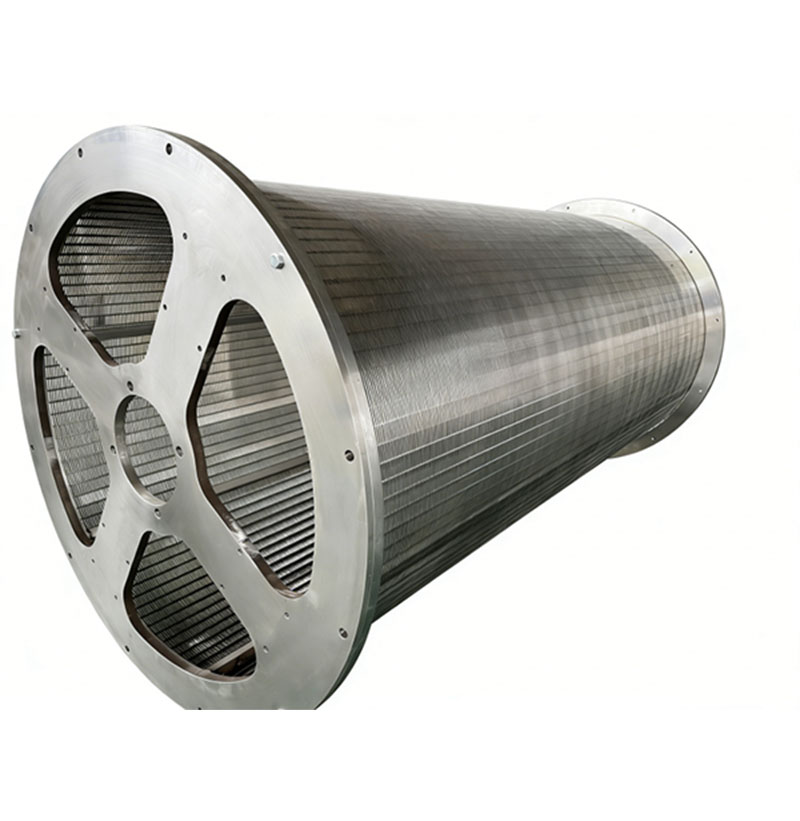
Rotary Drum

The Stainless Steel Wedge Wire Rotary Drum Screen (also known as a Rotary Drum Strainer or Micro-Screen) is a continuously and automatically operating front-end solid-liquid separation device. Its core component is a large cylindrical drum installed horizontally or at a slight incline. The entire circumferential surface of the drum is covered with a stainless steel wedge wire screen (Johnson screen). The wastewater to be treated flows into one end of the drum. Under gravity, the filtrate passes through the wedge wire slots, while solid suspended matter (such as fibers, hair, plastic pieces, and fine particles) is retained on the inner surface of the drum. As the drum rotates slowly, the retained debris is lifted to the top, where it is flushed by spray water into a collection trough, achieving a continuous process of automatic screening, filtration, and residue removal
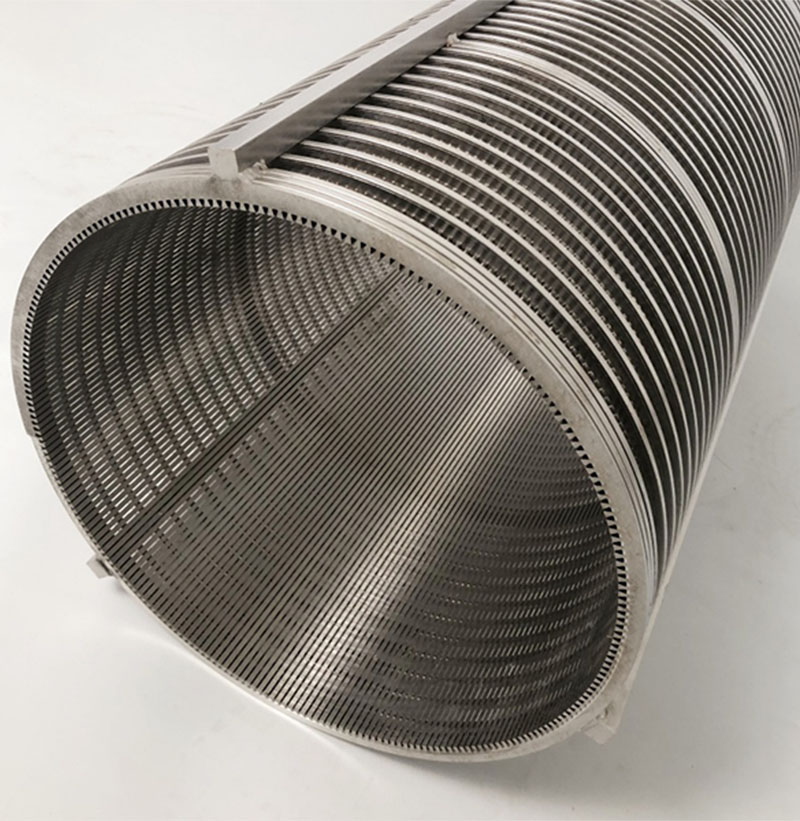
Screen Basket for Screw Press Separator

The stainless steel wedge wire screen basket, commonly known as the "V-wire screen," "press screen basket," or "screen cylinder," is a core component of screw press solid-liquid separators. It is installed inside the spiral press, enclosing the rotating screw shaft. The working principle is as follows: raw slurry with high moisture content is pushed into the screen basket by the screw shaft. Under the squeezing and conveying action of the spiral flights, the liquid (filtrate) is forced out through the precise, continuous slots of the screen basket, while the solid material (manure cake) is retained inside and continues to be compressed and dewatered as it moves forward. Finally, the dewatered solids are discharged from the outlet, achieving solid-liquid separation.
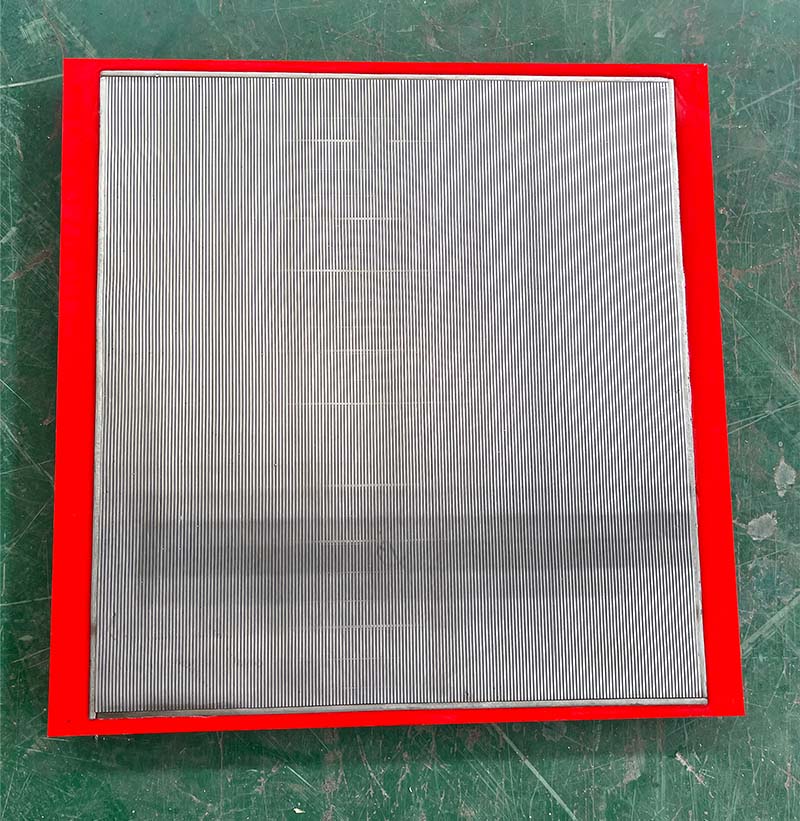
Wedge Wire Vibrating Screen

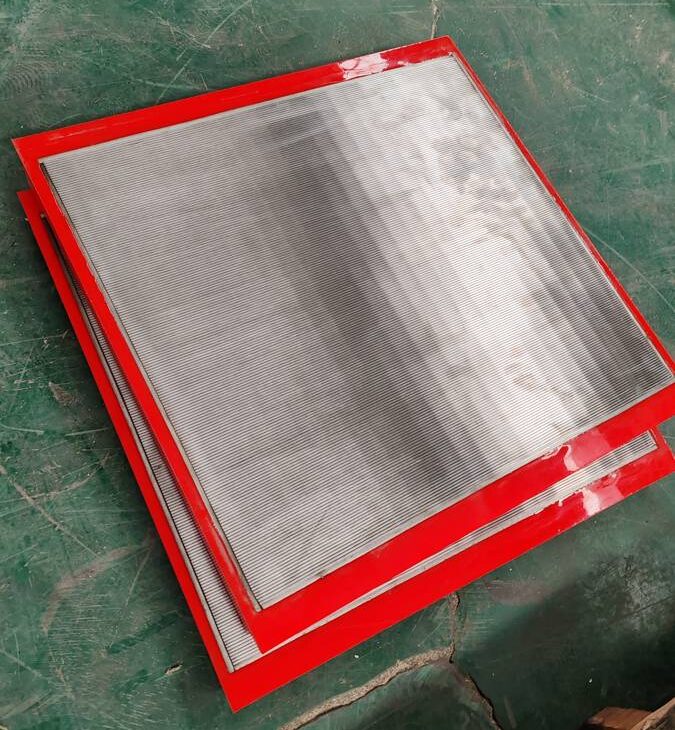
A stainless steel wedge wire vibrating screen is a solid-liquid separation device featuring a screen surface made by precisely welding V-shaped stainless steel wires, integrated with a high-frequency vibration system. With uniform slots, wear resistance, and corrosion resistance, it is suitable for wet screening and dewatering operations. The vibration mechanism enables rapid material dispersion and efficient sieving while effectively preventing screen clogging. Widely used in industries such as mining, metallurgy, food processing, and environmental protection, it is particularly suitable for handling fine particles, high-viscosity, or easily agglomerated materials, offering advantages such as high screening accuracy, large processing capacity, and long service life.
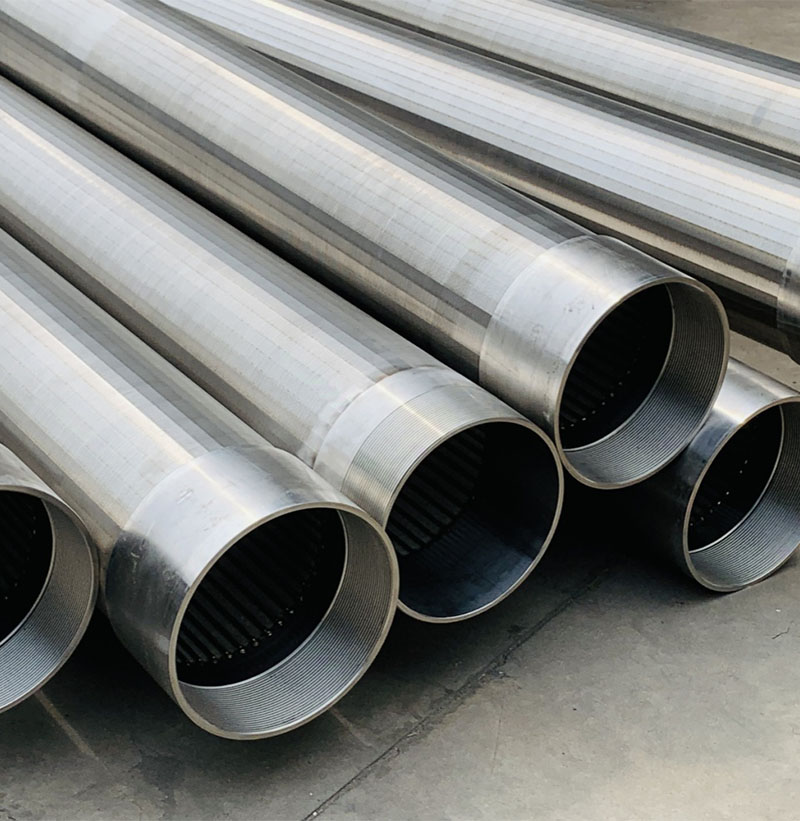
Wedge Wire Water Well Screen

Johnson Deep Water Well Screens, also referred to as continuous slot screens or wire wrap screens, were originally developed to solve sand control challenges in fine-grained and uniform sand formations. These geological conditions are commonly encountered in deep groundwater aquifers, where conventional perforated pipes often suffer from clogging, excessive sand production, and reduced well efficiency.
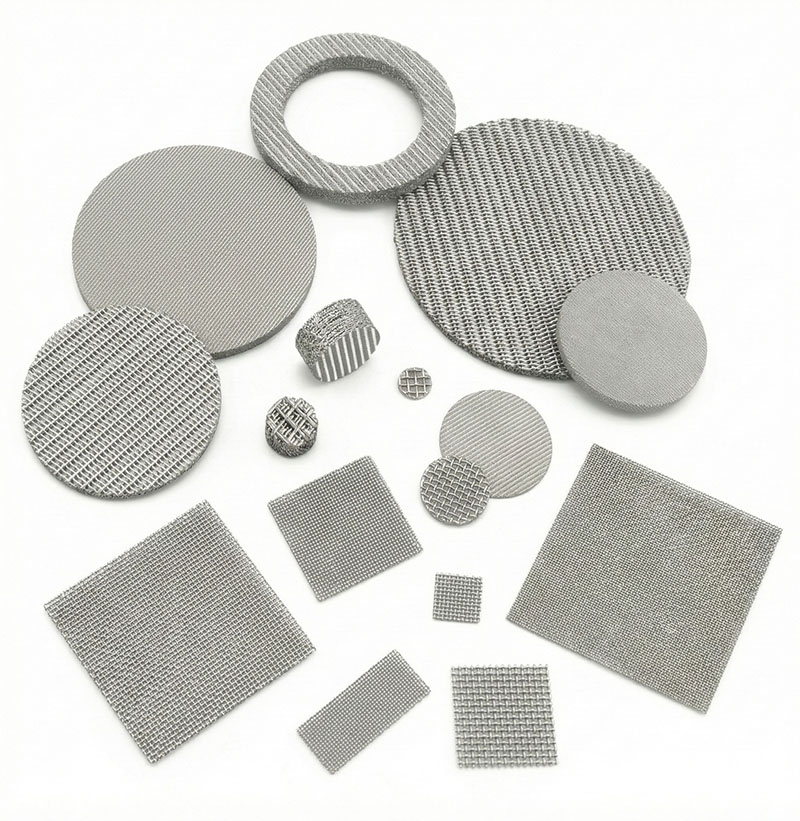
Sintered Mesh Plate and Disc

Sintered Mesh Plates and Discs are high-precision filtration components fabricated by bonding multiple layers of stainless steel wire mesh through a specialized vacuum sintering process. Unlike traditional mesh that relies on mechanical weaving alone, these plates are fused at every contact point, transforming individual wires into a rigid, integrated porous metal sheet. These plates can be customized into various shapes, most commonly circular discs, to fit specific industrial equipment. They offer an ideal balance of high permeability, extreme structural integrity, and precise filtration ratings. Because they are made entirely of metal (typically 304 or 316L), they provide a "permanent" filtration solution that can withstand high temperatures and corrosive chemicals while remaining fully cleanable and reusable.
OUR LATEST

Our Latest Blog & News
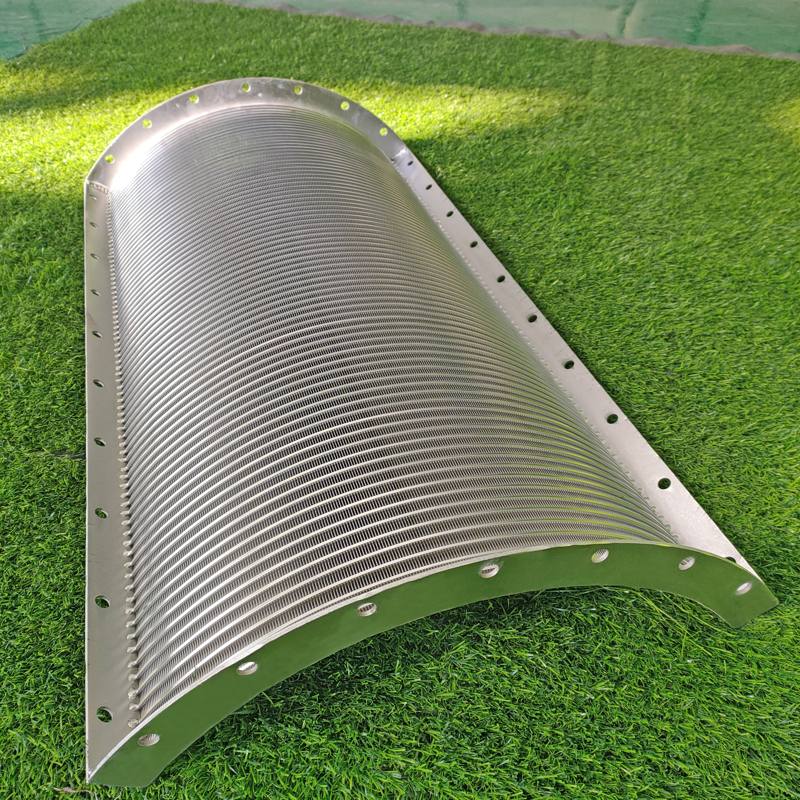
How to Select a Precision Stainless Steel Well Screen
  • 23,July

How to Select a Precision Stainless Steel Well Screen

Precision filtration stainless steel well screen solutions help improve sand control, flow stability, corrosion resistance, and long-term water well performance.
Why Wedge Wire Screen Mesh Size Matters in Filtration
  • 16,July

Why Wedge Wire Screen Mesh Size Matters in Filtration

Explore interstage screen solutions with precise wedge wire screen mesh size, durable stainless steel wedge wire screen design, and customized filtration performance for industrial applications.
How Does a Wedge Wire Interstage Screen Improve Intake
  • 9,July

How Does a Wedge Wire Interstage Screen Improve Intake?

Flexible mobile whiteboard solutions support offices, classrooms, and training spaces with stable movement, practical writing surfaces, and adaptable collaboration layouts.
How Does Wedge Wire Interstage Screen Mesh Work
  • 2,July

How Does Wedge Wire Interstage Screen Mesh Work?

BTOSLOT wedge wire interstage screen supports carbon retention, slurry flow, and anti-clogging performance for stable CIL/CIP gold processing operations.
How to Prevent Build-Up in Wedge Wire Interstage Screen Systems
  • 26,June

How to Prevent Build-Up in Wedge Wire Interstage Screen Systems

In modern gold hydrometallurgy circuits, the stability of solid-liquid separation between leaching tanks directly affects recovery efficiency and operating continuity. BTOSLOT has been involved in the engineering and supply of wedge wire interstage screen solutions for CIP and CIL systems where carbon transfer reliability is critical. In these processes, even minor fouling in a Carbon Transfer Screen can lead to uneven slurry flow, carbon loss, or reduced adsorption efficiency. The wedge wire interstage screen is designed as a precision interstage barrier that separates activated carbon from slurry while allowing smooth hydraulic transfer. Built from stainless steel wedge wire, the system ensures consistent slot geometry and high structural integrity under continuous abrasion. However, in real operating environments, carbon build-up and flow blockage remain persistent challenges, especially when slurry composition fluctuates or maintenance cycles are extended. Understanding why these issues occur and how engineering design mitigates them is essential for maintaining stable performance in large-scale CIP/CIL operations. Why does carbon build-up occur in Carbon Transfer Screen systems Carbon build-up inside a carbon transfer screen is not a single-factor problem but the result of interacting hydraulic and material conditions. In CIP and CIL circuits, activated carbon moves counter-current to slurry flow, and any imbalance in tank agitation or carbon loading can cause localized accumulation near the wedge wire surface. The wedge wire interstage screen operates under continuous exposure to fine ore particles and activated carbon fragments. Over time, micro fines may settle into low-flow zones, especially where turbulence decreases near tank walls. These particles gradually form a dense layer that restricts permeability. When this layer thickens, the hydraulic resistance increases, and slurry bypass begins to occur. Another common reason is mismatch between carbon particle size distribution and slot opening precision. Even though the stainless steel wedge wire is manufactured with high accuracy, process deviation in carbon sizing can increase the probability of partial retention inside the screen structure. In long operating cycles, this leads to progressive fouling that reduces effective open area. What causes flow blockage in the stainless steel wedge wire designs Flow blockage in wedge wire interstage screen systems is usually linked to both mechanical and chemical accumulation mechanisms. In gold leaching environments, slurry contains not only ore particles but also fine silicates and organic residues. These materials tend to adhere to the surface of the Carbon Transfer Screen when flow velocity drops below a critical threshold. The wedge-shaped slot geometry of the stainless steel wedge wire is designed to minimize particle embedding, yet under high solid concentration, bridging can still occur at the slot entrance. Once bridging starts, it promotes secondary deposition, accelerating blockage formation. Temperature and chemical conditions in leaching tanks also influence scaling behavior. In some CIP circuits, dissolved minerals can crystallize on metal surfaces, narrowing effective flow channels. This reduces the hydraulic permeability of the wedge wire interstage screen and increases the pressure differential across tanks, which further intensifies fouling. How wedge wire interstage screen design improves flow stability The structural principle of the wedge wire interstage screen is based on continuous V-shaped slot geometry, which ensures that particles cannot easily become trapped within the opening. Unlike woven mesh, the stainless steel wedge wire provides a self-supporting profile that maintains uniform slot spacing even under mechanical stress. To better understand performance differences, the following comparison outlines key structural characteristics commonly observed in Carbon Transfer Screen applications. Key Performance Factor wedge wire interstage screen Anti-Clogging Slot Geometry The stainless steel wedge wire V-shaped slot prevents particle embedding, reducing carbon fines accumulation that leads to build-up Hydraulic Flow Stability Inside-out flow design ensures stable slurry passage between CIP/CIL tanks, preventing stagnant zones where blockage starts Carbon Retention Accuracy 0.6–1.2 mm precision slot matches activated carbon size, preventing carbon leakage while avoiding over-retention and surface fouling In industrial CIP/CIL systems, the wedge wire interstage screen is preferred because it maintains a balance between hydraulic efficiency and mechanical durability. The smooth internal surface of the stainless steel wedge wire reduces friction points where carbon fines could accumulate, while the continuous slot design ensures that backwashing flows can effectively restore permeability. Field applications documented in gold processing plants show that properly designed Carbon Transfer Screen systems significantly reduce carbon leakage between tanks, supporting more stable adsorption cycles and improving overall circuit efficiency . Operational practices to reduce fouling Even with optimized design, operational control plays a decisive role in preventing blockage. In CIP/CIL plants, maintaining stable slurry velocity across the wedge wire interstage screen is essential. When flow becomes uneven, sedimentation zones form and accelerate deposition on the screen surface. Backwashing is another critical operational factor. Periodic reverse flow helps dislodge fine carbon particles before they compact into a dense layer. The effectiveness of this process depends on maintaining sufficient pressure differential without damaging the stainless steel wedge wire structure. Tank-level balance also influences performance. If carbon transfer between stages is not synchronized, overloading may occur at specific interstage screens, increasing localized stress on the Carbon Transfer Screen and reducing effective filtration area. Material selection and maintenance in Carbon Transfer Screen systems Material selection determines long-term stability in wedge wire interstage screen applications. Stainless steel grades such as 304 and 316L are commonly used due to their corrosion resistance in cyanide-rich environments. In high-abrasion circuits, duplex stainless steel provides additional mechanical strength. The surface quality of the stainless steel wedge wire directly affects fouling tendency. A smoother surface reduces adhesion points for fine particles and improves cleaning efficiency during backwash cycles. Over time, even minor wear can alter slot geometry, which is why periodic inspection is essential. Maintenance strategies in Carbon Transfer Screen systems are typically based on hydraulic performance indicators such as pressure drop increase or flow imbalance between tanks. Early detection of performance deviation allows operators to intervene before severe blockage develops. Conclusion The wedge wire interstage screen plays a central role in maintaining continuous and efficient gold leaching operations. Its performance is not only determined by structural design but also by how well it interacts with slurry dynamics and operational control strategies. When properly engineered using the stainless steel wedge wire, the system achieves a stable balance between carbon retention and slurry passage. In CIP and CIL processes, the reliability of a Carbon Transfer Screen directly influences gold recovery consistency and operational cost efficiency. Understanding the mechanisms behind build-up and blockage provides a practical foundation for improving long-term plant performance and reducing unplanned downtime. FAQ What is a wedge wire interstage screen in BTOSLOT Carbon Transfer Screen systems? It is a precision cylindrical separation device used in CIP/CIL circuits to separate activated carbon from slurry while ensuring controlled transfer between leaching tanks. Why does a BTOSLOT wedge wire interstage screen reduce carbon loss? Its V-shaped slot design minimizes carbon particle abrasion and prevents fine carbon from passing through the Carbon Transfer Screen structure. Can the stainless steel wedge wire be customized for different particle sizes in BTOSLOT systems? Yes, slot precision can be adjusted to match carbon size distribution, ensuring optimal retention and minimizing leakage.  
How to Choose a Wedge Wire Interstage Screen for System Efficiency
  • 18,June

How to Choose a Wedge Wire Interstage Screen for System Efficiency

Selecting the right wedge wire interstage screen improves CIP and CIL system efficiency, ensuring stable carbon separation, reduced blockage risk, and consistent long-term industrial filtration performance.
SERVICES

Services

Water Treatment

Water Treatment Industry

Stainless Steel Wedge Wire Screens for Water Treatment
Petrochemical Industry

Petrochemical Industry

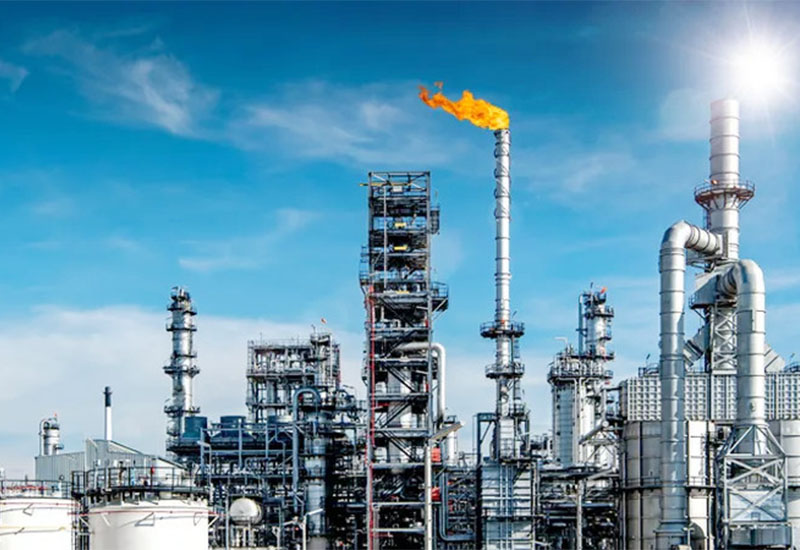
Reactor Screens & Filter Elements for Petrochemical Applications
Food & Beverage

Food & Starch Processing Industry

Specialized Dewatering Sieve Bend Screens for Food Applications
Manure Dewatering

Manure Dewatering Industry

Stainless Steel Wedge Wire Screens for Manure Solid-Liquid Separation

Leave A Message


    Products
    Contacts
    WhatsApp
    Email