
Sobre nós
Seu fabricante especializado de telas Wedge Wire;
Seu parceiro confiável e fonte de inovação
Obter uma quota livre
-
Casa

-
Blog
-
Blog Industrial
- Por que os filtros de aço inoxidável da Johnson Screens são o padrão para filtração industrial?
Por que os filtros de aço inoxidável da Johnson Screens são o padrão para filtração industrial?
-
 autor
autor - 14,Maio
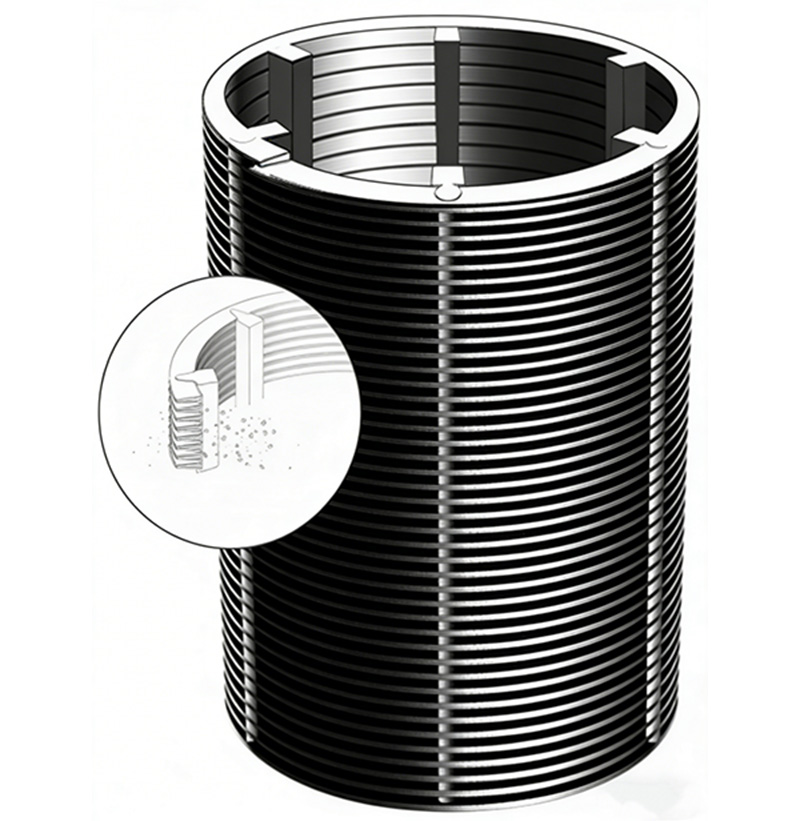
No exigente setor de processamento industrial, a filtração atua como um fator-chave para a produtividade. Um pequeno problema em um sistema de filtragem de poços profundos ou em uma linha de produção química pode causar grandes interrupções, resultando em custos que rapidamente chegam a dezenas de milhares de dólares em apenas algumas horas. Métodos comuns de filtração, como telas de arame ou chapas metálicas perfuradas, muitas vezes se mostram inadequados diante de alta pressão, líquidos agressivos ou cargas sólidas significativas. Isso explica por que a tecnologia de aço inoxidável da Johnson Screens se destaca como a escolha confiável em todo o mundo. fabricante de telas Johnson, Ao substituir as telas metálicas obsoletas por telas de arame em cunha cuidadosamente fabricadas, as empresas obtêm um nível de confiabilidade e vida útil que antes era difícil de imaginar.
Qual é o segredo por trás do design em V dos filtros de arame da Johnson?
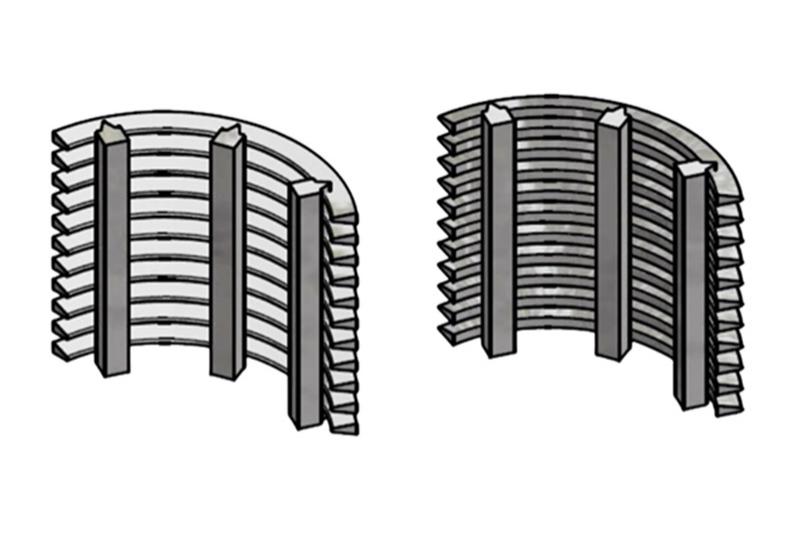
Os excelentes resultados obtidos com uma tela de arame Johnson provêm do seu perfil de arame em forma de V, uma característica distintiva. Ao contrário das telas de malha comuns, onde detritos podem facilmente ficar presos entre os arames que se cruzam, a configuração em V produz um formato de "funil". A abertura permanece mais estreita no ponto de entrada do líquido e se alarga consideravelmente no lado de saída.
Este formato específico proporciona uma forte resistência ao entupimento, o que se mostra vital para operações estáveis. Quando uma peça passa pela largura inicial da fenda, ela se move suavemente pelo espaço em expansão, evitando ficar presa. Como resultado, isso cria um processo de limpeza natural que mantém o fluxo constante por longos períodos. Na BTOSLOT, nossos métodos de produção garantem que essas dimensões de fenda permaneçam dentro de limites rigorosos, variando de 20 mícrons a alguns milímetros de largura. Isso proporciona a precisão necessária para as necessidades de filtração industrial mais exigentes.
Por que a tecnologia de filtragem de águas subterrâneas e poços da Johnson tem uma vida útil maior do que os tubos tradicionais?
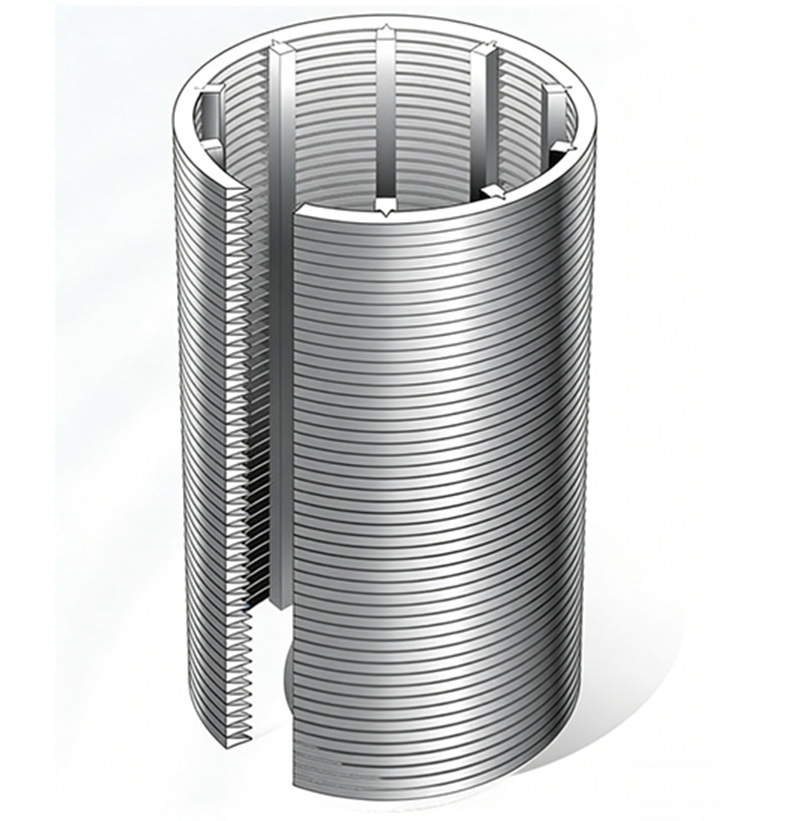
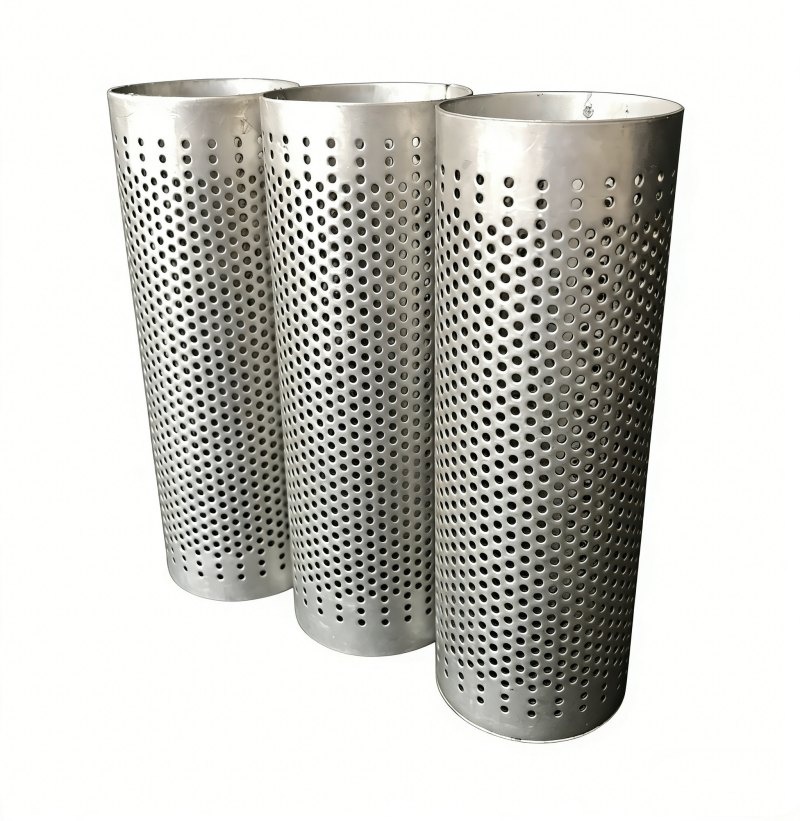
Para tarefas de bombeamento de água em grande escala, a venda por grosso da tela de fios, Os sistemas de filtragem de águas subterrâneas e poços da Johnson oferecem uma clara vantagem em termos de construção e fluxo de água em comparação com tubos perfurados convencionais. A principal diferença reside no design de ranhuras contínuas. Um tubo perfurado pode oferecer apenas de 5% a 15% de espaço aberto, enquanto uma tela de arame em cunha sólida pode oferecer até 50% de espaço aberto.
| Parâmetro técnico | Tubo perfurado tradicional | Telas Johnson Wedge Wire |
| Percentage de Área Aberta | 5% – 15% | 30% – 50% |
| Velocidade do fluxo | Alto (Aumenta o entupimento) | Baixo (minimiza a escalabilidade) |
| Consistência de Slots | Irregular / Perfurado | Soldagem de precisão (±0,05 mm) |
| Capacidade de controle da areia | Ruim (Alta ingestão de areia) | Superior (Bloqueio com Fio em V) |
| Integridade Estrutural | Moderado | Hastes de suporte internas altas |
Esse maior espaço aberto reduz a velocidade de entrada da água, o que, por sua vez, diminui o acúmulo e os depósitos na tela filtrante. Além disso, o gerenciamento eficaz da areia proporcionado pelas telas Johnson para águas subterrâneas e poços impede que grãos grossos cheguem às peças da bomba. Portanto, isso prolonga a vida útil do sistema de poços e reduz os custos com reparos dispendiosos da bomba.
Como a escolha do aço inoxidável impacta o retorno do investimento (ROI) da filtração a longo prazo?
A escolha da classe correta de aço inoxidável para os filtros Johnson é fundamental para maximizar o retorno do investimento ao longo do tempo. O material precisa ser perfeitamente adequado às condições químicas e térmicas do ambiente de instalação. O aço inoxidável 304 é ideal para o tratamento de água da rede pública, mas processos com efluentes ricos em cloreto ou descarte de água salgada exigem o uso de aço inoxidável 316L ou Duplex 2205 para evitar corrosão por pites e corrosão oculta.
A resistência ao calor é outra área em que o aço inoxidável se destaca. Em unidades de refino de petróleo ou operações de recuperação de combustível, a temperatura pode chegar a 300 °C. Os filtros de tela metálica da Johnson mantêm sua forma e precisão de ranhura nessas condições extremas, enquanto filtros de plástico ou mistos se deteriorariam. Como essas opções duráveis de aço inoxidável eliminam o uso de itens descartáveis, como sacos ou cartuchos de filtro, elas reduzem drasticamente os custos operacionais anuais e as despesas com o descarte de resíduos.
Onde a tela de arame de Johnson é mais crítica?
A flexibilidade da tela de arame Johnson a torna uma peça fundamental em diversas áreas onde a precisão e a limpeza são de extrema importância.
- Petroquímica e Energia: Em hidroprocessamento e reforma catalítica, essas telas retêm as camadas de catalisador. Elas garantem uma distribuição uniforme do fluxo, impedindo a fuga de partículas de catalisador, que são caras.
- Alimentos e Bebidas: Na fabricação de cerveja, no manuseio de açúcar e na extração de amido, a estrutura lisa, sem pontos ocultos, impede a aderência de matéria orgânica. Isso atende às rigorosas normas de higiene da FDA e evita o acúmulo de germes.
- Tratamento de água: Além do uso em águas subterrâneas, essas telas protegem as delicadas camadas de Osmose Reversa (OR) filtrando minúsculas partículas em suspensão. Elas também impedem a perda de resina em sistemas de troca iônica.
Em um caso prático registrado em nossos arquivos, uma empresa de manuseio de amido passou a utilizar nossos recipientes personalizados com tela em cunha. Eles observaram uma redução de 40% na necessidade de limpeza, graças à melhor qualidade da superfície e à uniformidade das ranhuras.
Como escolher a tela Johnson ideal para o seu projeto específico?
Escolher o melhor Johnson Screen Tube A configuração de sistemas de aço inoxidável exige um sólido conhecimento do movimento de líquidos e das características dos sólidos. Para sólidos duros e pontiagudos, defina a largura da fenda com base no D85 da dispersão das partículas. Já para bioaglomerados macios e com formas variáveis, sugerimos uma fenda com 50% a 70% do tamanho desejado das partículas para retê-las adequadamente.
A comprovação do material é igualmente importante. Na BTOSLOT, fornecemos Certificados de Teste de Material (CTM) completos para confirmar que a qualidade do metal é adequada às condições adversas do seu local de trabalho. Além disso, considere as necessidades de resistência. Se você precisa de uma chapa plana para um classificador vibratório, um tambor cilíndrico para um filtro rotativo ou um recipiente cônico para um separador rotativo, os espaçamentos internos das hastes devem ser projetados para suportar as variações de pressão e vibrações exatas do seu equipamento.
Conclusão
A aquisição de produtos de aço inoxidável da Johnson Screens vai além de uma simples compra; representa uma decisão inteligente para um trabalho industrial estável e eficaz. Com o fluxo de água inteligente da tecnologia para águas subterrâneas e poços da Johnson Screens e a construção cuidadosa do layout da tela de arame da Johnson, os usuários podem desfrutar de custos de manutenção reduzidos, melhor desempenho e durabilidade superior dos equipamentos. A Anping Baitong Wire Mesh Products Co., Ltd. (BTOSLOT) oferece mais de 15 anos de experiência em fabricação certificada pela ISO 9001 para cada projeto. Isso significa que seus problemas de filtração serão resolvidos com engenharia precisa e materiais de alta qualidade. Para iniciar uma avaliação de filtração personalizada ou uma consulta com um especialista, entre em contato com nossa equipe como o primeiro passo para melhorar a produtividade da sua instalação.
Perguntas frequentes
Como posso obter um orçamento preciso para uma tela de arame Johnson?
Para um orçamento preciso, precisamos dos seguintes detalhes essenciais: a liga metálica necessária (como 304 ou 316L), o tamanho da ranhura (em mm ou mícrons), as dimensões da tela (largura e altura) e o caminho do fluxo (FOTI ou FITO). Na BTOSLOT, geralmente enviamos um plano técnico completo e a discriminação de custos em até 24 horas após recebermos essas especificações.
Qual é o prazo de entrega típico para encomendas personalizadas de telas Johnson em aço inoxidável?
Os prazos de entrega dependem dos detalhes e da quantidade do pedido. Telas redondas básicas ou chapas planas geralmente levam de 2 a 3 semanas para serem produzidas. Para grandes projetos com telas Johnson, instalações de água subterrânea e poços, ou peças especiais para reatores, os prazos podem se estender para 4 a 6 semanas. Nosso foco é em soluções rápidas para paradas programadas, visando minimizar os atrasos para nossos clientes.
Como faço para limpar e manter uma tela de arame Johnson para evitar que ela fique obstruída?
A estrutura em V resiste ao entupimento por si só, mas para uso com materiais espessos ou pegajosos, recomendamos a lavagem reversa regular ou a limpeza por ondas sonoras. Como os filtros Johnson de aço inoxidável são resistentes ao desgaste, suportam jatos de água fortes e produtos de limpeza comuns sem a necessidade de ajustes, ao contrário das telas trançadas que se deformam facilmente.
A tecnologia de filtros de água subterrânea e poços da Johnson pode ser personalizada para ambientes de águas profundas ou de alta pressão?
Sim. Projetamos hastes internas extra-resistentes e fios superiores mais largos para trabalhos em poços profundos. Nossos filtros Johnson filtram águas subterrâneas e os poços são inspecionados para garantir altas forças de compressão em camadas de água profundas. Isso impede que o filtro se dobre sob o peso do solo ou a força da bomba.
Quais são as certificações de qualidade que acompanham os produtos de tela metálica Johnson da BTOSLOT?
Fabricamos todos os nossos produtos sob rigorosos controles de qualidade ISO9001:2015. Cada entrega de telas de arame Johnson inclui um resumo da verificação da fábrica, certificados de teste de metais (MTC) para o aço inoxidável e um relatório de verificação das dimensões da abertura. Esses documentos confirmam que o produto atende aos seus objetivos específicos de filtração.
Recent Post
Produtos relacionados
Produtos de melhor venda
Pantalla Starch
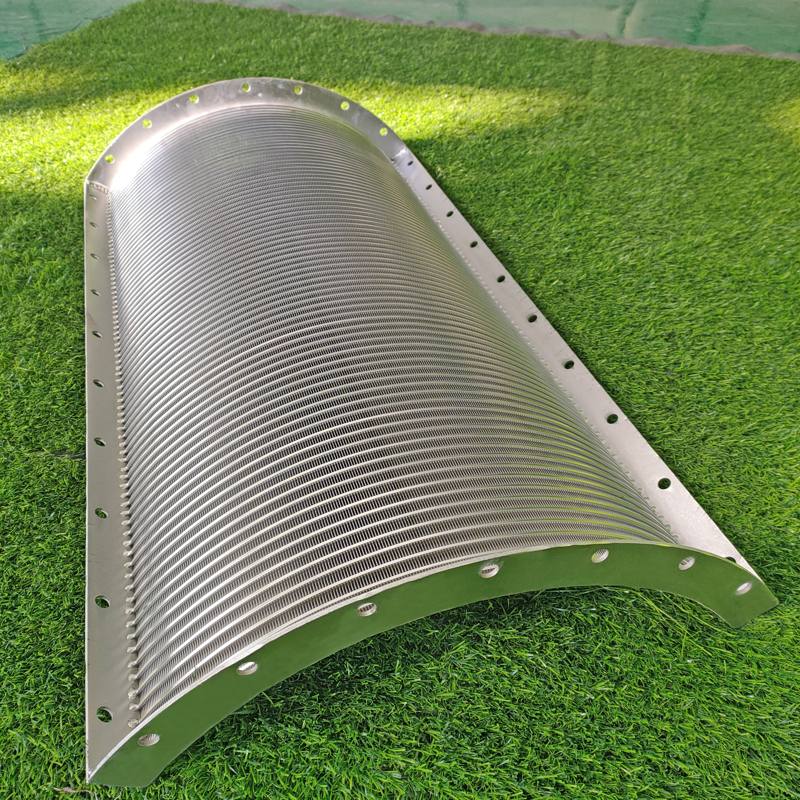
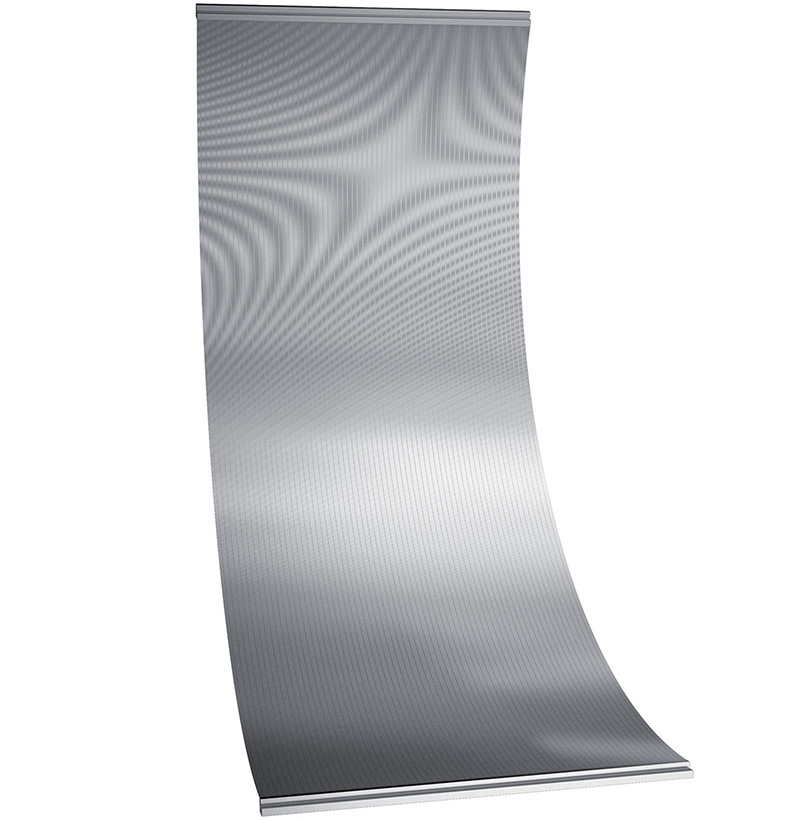
A Wedge Wire Starch Curved Screen é um dispositivo de rastreamento curvo especificamente projetado para a indústria do amido. Ela apresenta uma superfície de tela em forma de arco feita de fios de aço inoxidável de perfil V, bem suavizados, utilizando força centrífuga ou gravidade para alcançar deságua rápida e classificação de molho de amido. Sua estrutura curva prolonga o tempo de retenção de esgoto, melhorando a eficiência de separação sólida-líquida. É adequado para extração de amido, refinação e processos de recuperação de subprodutos para amidos como batata, milho e cassava. Caracterizado por um rastreio eficiente, resistência ao uso e bloqueio, e manutenção fácil, este equipamento é um dispositivo de separação sólido-líquido chave no processo moderno de amido.
Drum Rotar
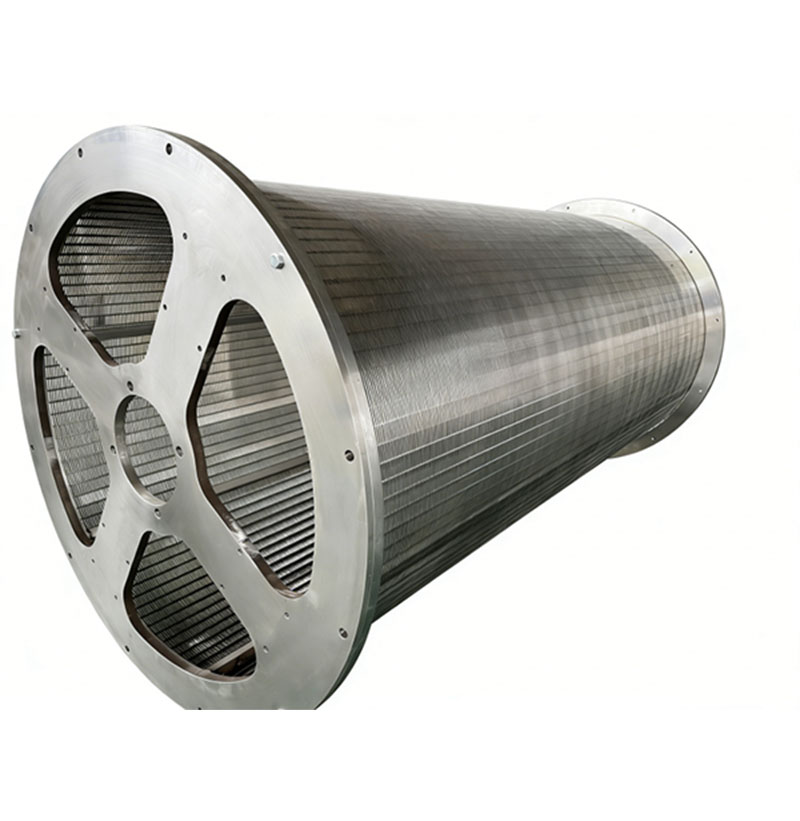
A tela rotatória de tubo de fio de ferro inoxidável Wedge Wire (também conhecida como um estrangeiro rotatório de tubo ou micro-tela) é um dispositivo de separação sólido-líquido de fronte que funciona continuamente e automaticamente. Seu componente central é um grande tambor cilindrico instalado horizontalmente ou em uma ligeira inclinação. A superfície circunferencial inteira do tambor está coberta com uma tela de fio de fio de a ço inoxidável (tela Johnson). A água residual a ser tratada flui para um extremo do tambor. Sob a gravidade, o filtrado passa através dos intervalos de fio de corda, enquanto matéria sólida suspensa (como fibras, cabelo, peças plásticas e partículas finas) é mantida na superfície interior do tambor. À medida que o tambor gira lentamente, os resíduos retirados são levantados para o topo, onde são lavados por água pulverizada em um tronco de coleta, atingindo um processo contínuo de rastreamento automático, filtração e remoção de resíduos
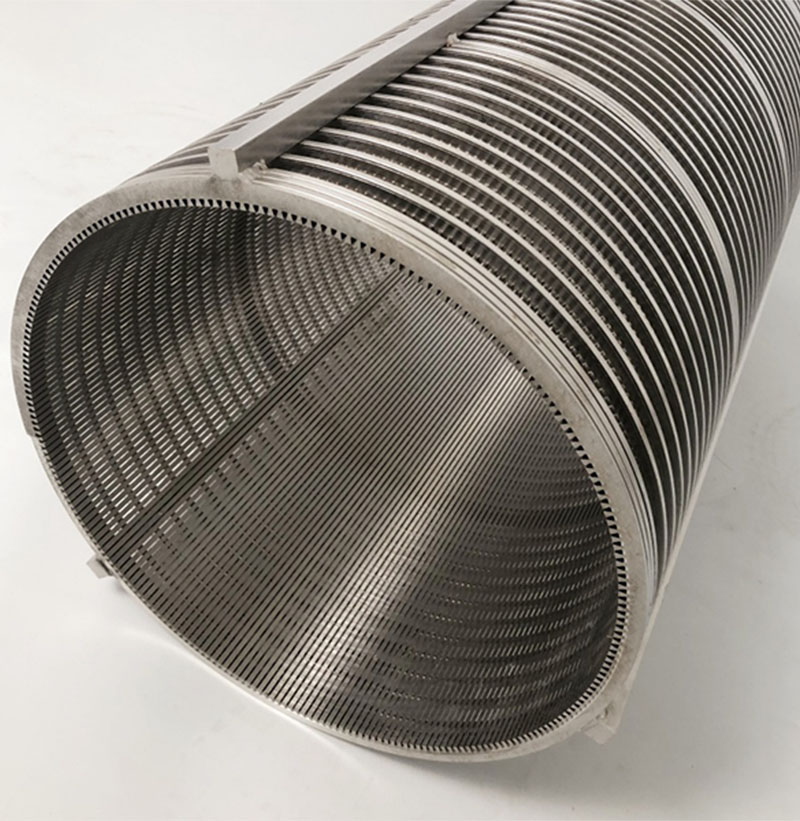
Basquete de Pantalla para Separador de Impressão de Pantalla
O cesto de tela de fio de a ço inoxidável, comumente conhecido como "tela de fio V", "cesto de tela de pulsação" ou "cilindro de tela", é um componente central de separadores de fio de pulsação sólido-líquido. - Está instalado dentro da imprensa espiral, encerrando o barro rotante. O princípio de funcionamento é o seguinte: a chuva bruta com alto conteúdo de umidade é empurrada no cesto da tela pelo barro de screw. Sob a ação de apertação e de transmissão dos voos espirais, o líquido (filtrado) é forçado a sair através dos slots precisos e contínuos do cesto da tela, enquanto o material sólido (bolo de manteiga) é mantido dentro e continua a ser comprimido e desmatado enquanto se move em frente. Finalmente, os sólidos deshidratados são descarregados da saída, atingindo separação sólida-líquida.
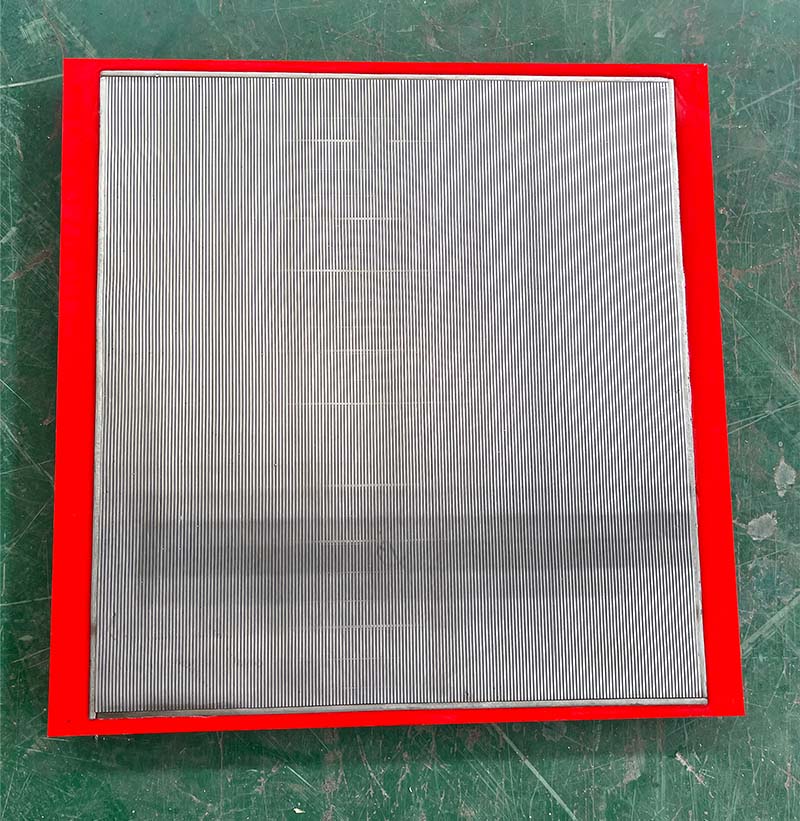
Wedge Wire Vibrating Screen
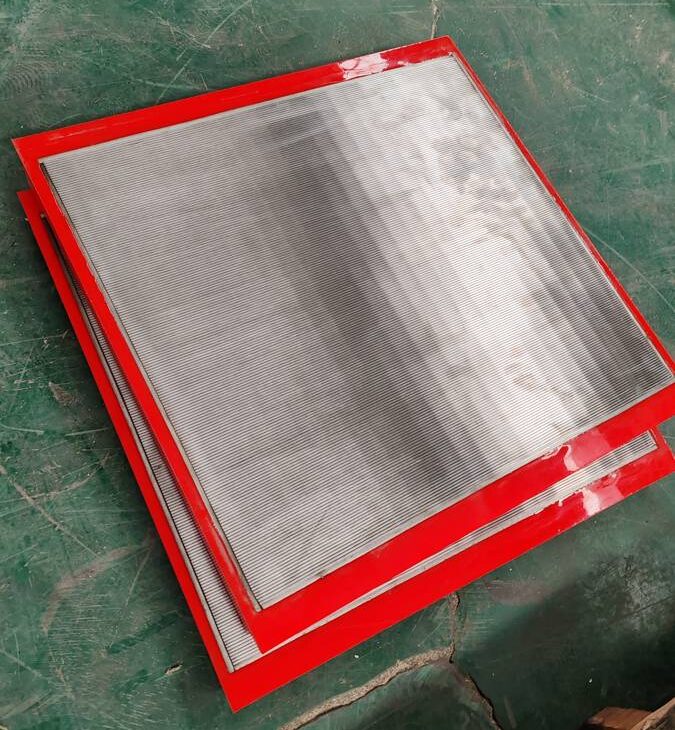
Uma tela de vibração de fios de a ço inoxidável é um dispositivo de separação sólido-líquido com uma superfície de tela feita precisamente soldando fios de aço inoxidável em forma V, integrado com um sistema de vibração de alta frequência. Com slots uniformes, resistência ao uso e resistência à corrosão, é adequado para operações de rastreamento húmido e desmatamento. O mecanismo de vibração permite uma rápida dispersão de materiais e uma assediação eficiente, evitando efetivamente o bloqueio da tela. Uma grande utilização em indústrias como mineração, metalurgia, processamento de alimentos e proteção ambiental, é particularmente adequada para manejar partículas finas, alta viscosidade ou materiais facilmente aglomerados, oferecendo vantagens como alta precisão de rastreamento, grande capacidade de processamento e longa vida de serviço.
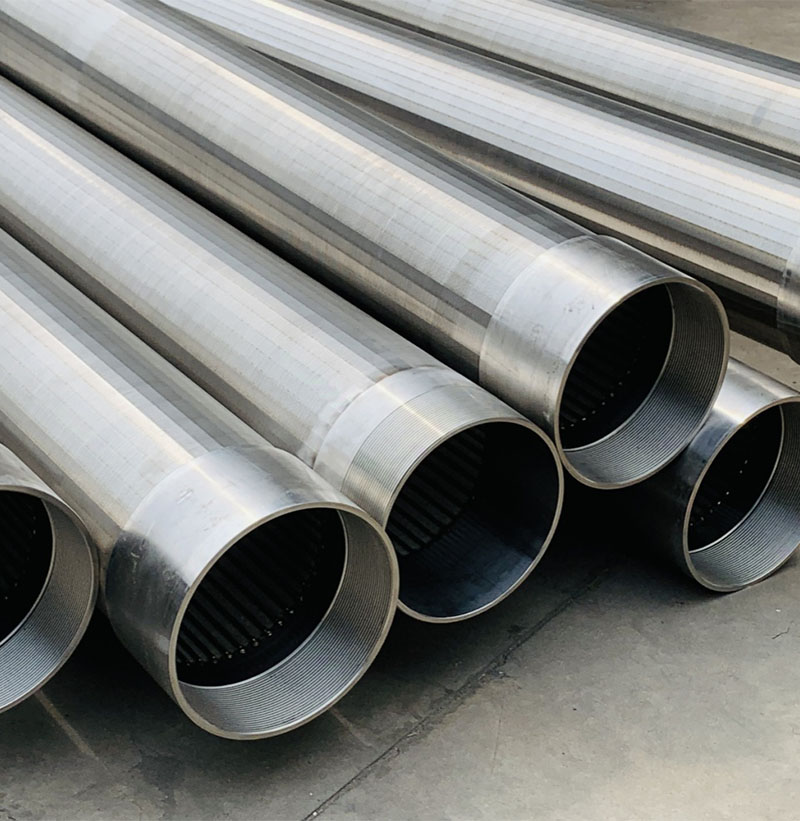
Wedge Wire Water Well Screen
Johnson Deep Water Well Screens, também chamadas de telas de slot contínuas ou telas de envolvimento de fios, foram originalmente desenvolvidos para resolver desafios de controle de areia em formações de areia finas e uniformes. Essas condições geológicas são comumente encontradas em aquíferos de água subterrânea profunda, onde tubos perforados convencionais frequentemente sofrem de obstruções, produção excessiva de areia e redução da eficiência do poço.
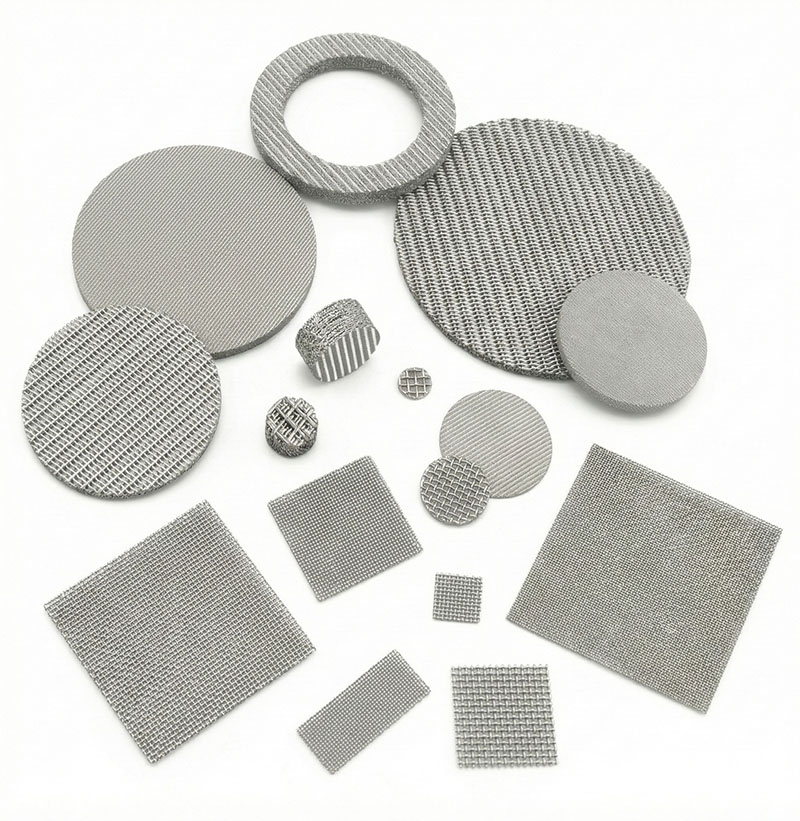
Plata e Disco de Malha Sintered
Platas e discos de malha sinteradas são componentes de filtração de alta precisão fabricados ligando múltiplas camadas de malha de fio de a ço inoxidável através de um processo de sinterização de vácuo especializado. Ao contrário das malhas tradicionais que dependem apenas de tecido mecânico, essas placas são fusionadas em todos os pontos de contato, transformando fios individuais em uma folha metal rígida e integrada porosa.Essas placas podem ser personalizadas em várias formas, mais comunmente discos circulares, para encaixar equipamentos industriais específicos. Eles oferecem um equilíbrio ideal de alta permeabilidade, integridade estrutural extrema e notações de filtração precisas. Porque são feitos inteiramente de metal (tipicamente 304 ou 316L), eles fornecem uma solução de filtração "permanente" que pode resistir a altas temperaturas e substâncias químicas corrosivas enquanto permanecem completamente limpas e reutilizables.