
Sobre nós
Seu fabricante especializado de telas Wedge Wire;
Seu parceiro confiável e fonte de inovação
Obter uma quota livre
-
Casa

-
Blog
-
Blog Industrial
- Como as soluções industriais de peneiramento entre estágios aumentam as taxas de recuperação de minerais?

Como as soluções industriais de peneiramento entre estágios aumentam as taxas de recuperação de minerais?
-
 autor
autor - 15,Junho
 autor
autor 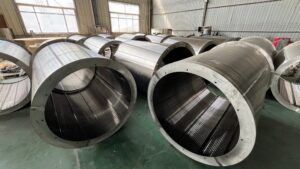
Introdução
Em plantas de processamento de ouro que utilizam circuitos de Carbono em Polpa (CIP) ou Carbono em Lixiviação (CIL), um fator importante que muitas vezes passa despercebido e reduz os lucros é o vazamento de carvão ativado para os rejeitos. Cada grama de carbono que escapa carrega consigo metais valiosos. É aí que entram em ação soluções industriais de peneiramento intermediário bem projetadas. Elas mudam a forma como as mineradoras separam o carbono da lama, protegendo, ao mesmo tempo, os lucros totais.
Os métodos tradicionais de peneiramento, como placas perfuradas ou telas trançadas, têm dificuldade em atender às necessidades específicas de separação entre estágios, razão pela qual os operadores recorrem cada vez mais a soluções especializadas. fornecedores de telas de arame em cunha Para alternativas mais confiáveis. A natureza fibrosa dos cavacos de madeira na polpa cria problemas. A textura áspera do carvão ativado granular agrava ainda mais a situação. As constantes variações de pressão tornam o processo ainda mais difícil para os componentes de filtragem comuns. Os operadores lidam com entupimentos frequentes, perdas de carbono e paradas inesperadas que interrompem os planos de produção.
O que torna o design de fio em cunha superior para a retenção de carbono?
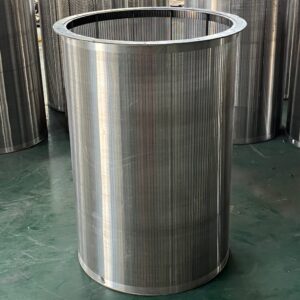
A tela de arame em cunha difere das demais devido ao seu formato básico. Fendas com lados retos tendem a reter partículas. O perfil em forma de V, por sua vez, promove uma ação de autoliberação. A fenda se estreita na superfície de filtração e se alarga na parte interna. Qualquer partícula que passe pela superfície não encontra obstáculos adicionais. Isso impede o efeito de cunha que causa problemas nas telas tradicionais.
Para partículas de carvão ativado com tamanho entre 1,0 e 3,35 milímetros, recomenda-se uma ranhura adequada entre 0,6 e 1,2 milímetros. tela de arame de precisão Proporciona retenção quase completa. O processo de design de telas de precisão personalizadas começa com uma análise minuciosa da distribuição granulométrica do carbono do cliente. O carbono fino, com menos de 0,6 milímetros, comporta-se de uma maneira. O carbono grosso comporta-se de outra. A escolha da ranhura deve adequar-se às características exatas do material.
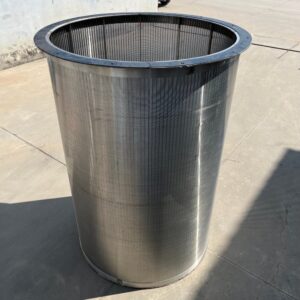
A resistência estrutural provém da soldagem por resistência. Cada fio perfilado é unido a hastes de suporte sem qualquer material de enchimento. Isso forma um cilindro sólido, capaz de suportar o estresse mecânico dos agitadores rotativos e a pressão hidráulica da lama que flui entre os tanques. A ausência de soldas que possam trincar e a falta de malha que possa se soltar tornam essas telas ideais para operação ininterrupta 24 horas por dia, 7 dias por semana.
Como o processo de fabricação de telas de precisão afeta o desempenho
Muitos problemas com telas não decorrem de erros de projeto, mas sim de irregularidades na fabricação. O processo de fabricação de telas de precisão exige supervisão rigorosa em cada etapa. A verificação das matérias-primas confirma se o aço inoxidável corresponde à especificação exigida. Para uso padrão, pode ser o aço inoxidável 304. Para uso geral, pode ser o 316L, quando a presença de cloretos na água do processo aumenta os riscos de corrosão.
A tensão de enrolamento precisa permanecer completamente uniforme. Se a máquina que enrola os fios perfilados nas hastes de suporte alterar a tensão, mesmo que minimamente, a largura das ranhuras variará ao longo do comprimento da tela. Uma tela que apresenta 0,8 milímetros na parte superior pode estreitar para 0,6 milímetros na parte inferior. Isso cria uma queda de pressão desigual.
A etapa de soldagem exige configurações elétricas precisas. Cada ponto de solda deve unir-se completamente, sem queimar o fio do perfil ou deixar espaços vazios. Empresas de fabricação de telas de precisão de boa reputação realizam verificações de qualidade contínuas durante a produção. Elas utilizam sistemas de medição óptica para confirmar as dimensões das ranhuras a cada poucos centímetros.
Após a soldagem, as telas geralmente recebem um processo de passivação. Essa etapa química restaura a resistência à corrosão, removendo traços de ferro da superfície que poderiam causar ferrugem em condições agressivas de lama. Algumas aplicações exigem eletropolimento, que torna a superfície ainda mais lisa e reduz a quantidade de material aderente que se fixa à tela.
Quais os benefícios de desempenho das telas intermediárias para a economia da fábrica?
Os benefícios de desempenho das telas intermediárias vão muito além da simples retenção de partículas. Quando o carbono permanece no local correto dentro do circuito de adsorção, a recuperação de ouro aumenta diretamente. Um aumento de apenas um ponto percentual na recuperação em uma planta de médio porte representa uma receita extra considerável a cada ano.
Menos tempo de inatividade para manutenção oferece outra vantagem fundamental. As telas tradicionais que entopem com partículas finas de carbono ou fibras de madeira precisam ser removidas regularmente para limpeza ou substituição. tela intermediária de arame em cunha Resiste a esse bloqueio. Suas ranhuras em forma de V se limpam automaticamente durante o funcionamento normal. A superfície interna lisa permite que raspadores ou sistemas de retrolavagem removam o material acumulado de forma eficaz.
O desgaste do carbono diminui consideravelmente com a escolha correta da tela. Quando as partículas de carbono se atritam contra bordas afiadas ou ficam presas em ranhuras de tamanhos variados, elas criam partículas finas. Essas partículas finas de carbono carregam o ouro e também contaminam as etapas posteriores do processo. A superfície lisa do fio reduz esse contato áspero, mantendo o carbono em boas condições por vários ciclos de adsorção.
Uma vida útil mais longa impacta diretamente os orçamentos operacionais. Uma tela de placa perfurada pode precisar ser substituída a cada poucos meses. Já uma tela de arame em cunha de qualidade costuma durar anos. A construção totalmente soldada elimina fios soltos que poderiam entrar no fluxo do processo e danificar bombas ou válvulas.
Por que a seleção adequada do slot e a escolha do material não podem ser comprometidas
A escolha do tamanho correto da peneira requer conhecimento do carvão ativado específico em uso. A maioria das fábricas trabalha com carvão que passou por vários ciclos de eluição e regeneração. Isso significa que as partículas não são perfeitamente redondas ou homogêneas. Um projeto de peneira de precisão personalizado leva em consideração essa variação. Ele define ranhuras que retêm as menores partículas que provavelmente aparecerão. Ao mesmo tempo, permite um fluxo suficiente da suspensão.
A vazão também precisa influenciar a escolha do tamanho das aberturas. Uma tela com aberturas muito estreitas produz uma queda de pressão maior, o que pode reduzir a capacidade de produção geral. O melhor projeto equilibra a eficiência de retenção com a capacidade hidráulica. Os engenheiros calculam a porcentagem de área aberta e a queda de pressão esperada, baseando seus cálculos na viscosidade da lama, na concentração de sólidos e na altura manométrica disponível da bomba.
A escolha do material torna-se importante quando as condições do processo se tornam severas. Os cloretos presentes na água atacam o aço inoxidável padrão. Isso ocorre principalmente em minas costeiras ou que utilizam água salina. Aços duplex, como o 2205 ou o superduplex, oferecem melhor resistência à corrosão sob tensão por cloretos. Para ambientes altamente corrosivos, ligas com alto teor de níquel, como o Hastelloy, oferecem a maior proteção. Elas têm um custo inicial mais elevado.
A BTOSLOT forneceu telas de arame em cunha para instalações que enfrentam esses mesmos problemas. Em uma instalação que processa minério com alto teor de cloreto, a mudança do aço inoxidável 304 para o 316L aumentou a vida útil da tela de três meses para mais de dois anos. Isso eliminou paradas não planejadas e reduziu significativamente os custos de substituição.
Como avaliar a capacidade do fornecedor para componentes críticos de filtração
A parceria com um fabricante que conhece tanto a tecnologia de peneiramento quanto a aplicação específica de processamento mineral agrega valor real. Informe-se sobre as certificações de qualidade. A ISO 9001 demonstra uma gestão de qualidade organizada. Solicite os certificados de teste de materiais. Eles confirmam a composição da liga para cada lote de produção.
Fale sobre os métodos de teste utilizados. Eles examinam cada tela antes do envio? Quais tolerâncias mantêm nas dimensões das ranhuras? Fornecedores confiáveis compartilharão relatórios de inspeção. Eles também podem sugerir opções de testes não destrutivos para aplicações importantes.
Considere a capacidade de suporte técnico deles. As melhores soluções industriais de peneiramento entre estágios vêm de fornecedores que dedicam tempo para estudar as condições exatas do seu processo. Eles recomendam especificações adequadas em vez de simplesmente aceitar pedidos de tamanhos padrão. Esse método conjunto evita incompatibilidades que causam resultados insatisfatórios.
Conclusão
A peneira intercalar com fio em cunha é uma tecnologia comprovada. Ela lida diretamente com as principais dificuldades de retenção de carbono no processamento de ouro. A geometria adequada das ranhuras, combinada com a fabricação de precisão, e a seleção de materiais que se adequam às condições do processo, ajudam as mineradoras a atingir taxas de recuperação mais altas, além de reduzir o tempo de inatividade e os custos operacionais. Os teores de minério continuam caindo em todo o mundo. Cada melhoria na eficiência é importante. Investir em soluções de peneiramento bem construídas traz retornos que se refletem diretamente no relatório de produção.
Perguntas frequentes
Que garantia a BTOSLOT oferece para soluções industriais de telas intermediárias?
A BTOSLOT oferece garantia total. Ela cobre defeitos de fabricação em materiais e mão de obra por doze meses a partir da data de envio. Esta garantia não cobre o desgaste normal decorrente de condições de serviço abrasivas ou corrosivas. Mesmo assim, a empresa fornece recomendações sobre a vida útil esperada, com base na experiência em aplicações similares.
Como posso obter um orçamento para um projeto personalizado de tela de precisão para meu circuito CIP?
Para solicitar um orçamento, envie os detalhes do seu processo. Isso inclui as dimensões do tanque, a vazão desejada, o tipo e a faixa de tamanho do carvão, as características da pasta e quaisquer problemas de corrosão. Os engenheiros da BTOSLOT analisam esses dados e geralmente fornecem estimativas de preço e prazo de entrega em dois a três dias úteis.
Qual o tamanho de ranhura que devo especificar para reter 1,0 milímetro de carbono?
Para partículas de carvão ativado com tamanho nominal de 1,0 milímetro, uma largura de fenda entre 0,4 e 0,6 milímetros geralmente proporciona uma retenção confiável. Isso evita uma queda de pressão excessiva. A escolha final depende da uniformidade do seu suprimento de carvão. Também é preciso considerar se ocorre quebra de partículas durante a regeneração.
Os serviços de fabricação de telas de precisão podem produzir telas para dimensões de tanques não padronizadas?
Sim. O processo de fabricação suporta diâmetros personalizados de 800 a 2000 milímetros. Também permite comprimentos personalizados, conforme necessário. As configurações de flanges, os métodos de conexão e as posições dos anéis de reforço podem ser ajustados para se adequarem aos layouts de tanques existentes. Nenhuma alteração em seu equipamento é necessária.
Como faço para limpar uma tela de arame em cunha que acumulou incrustações de cálcio?
Incrustações de cálcio ou depósitos minerais reagem à lavagem com ácido fraco. Use soluções adequadas para aço inoxidável. Ácido cítrico ou fosfórico em concentrações moderadas geralmente são suficientes. Não use ácido clorídrico, pois ele pode danificar a camada passiva. Após a limpeza, enxágue completamente. Em seguida, aplique a neutralização adequada. Isso restaurará a condição ideal de funcionamento da tela.
Recent Post
Produtos relacionados
Produtos de melhor venda
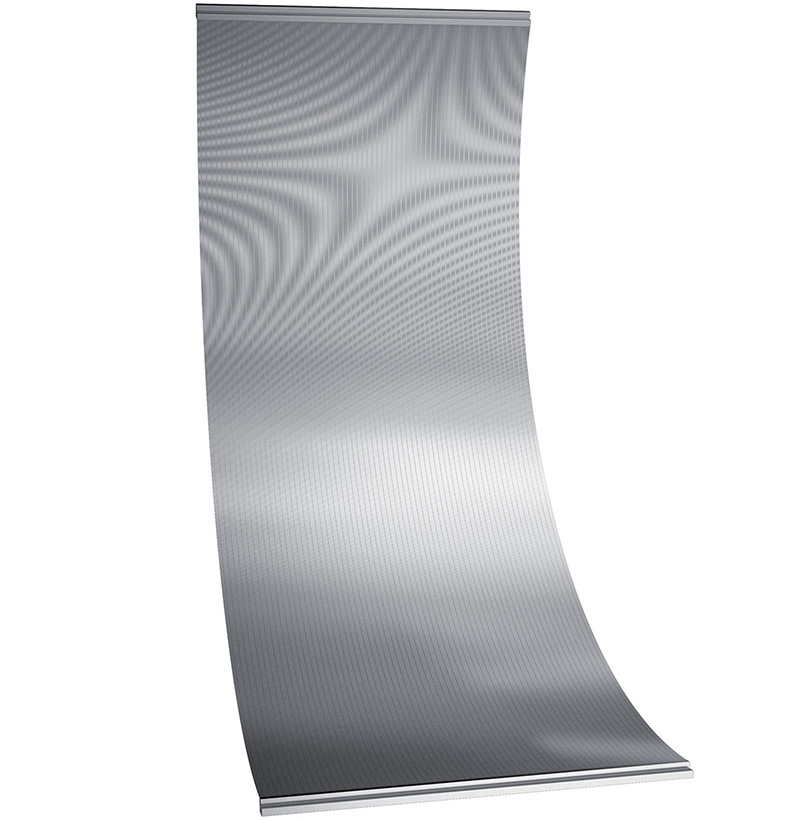
Pantalla Starch
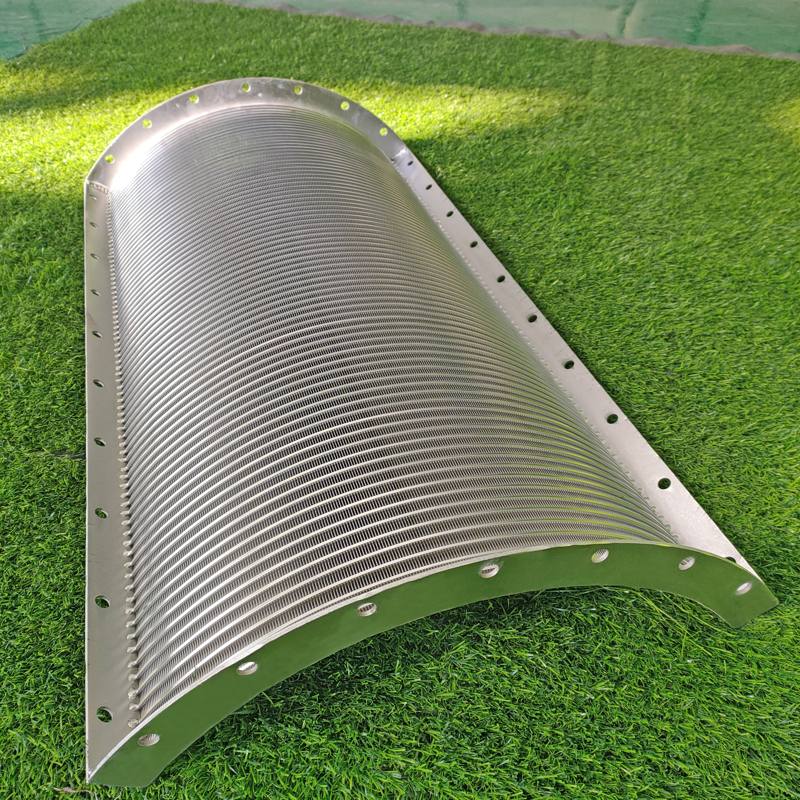
A Wedge Wire Starch Curved Screen é um dispositivo de rastreamento curvo especificamente projetado para a indústria do amido. Ela apresenta uma superfície de tela em forma de arco feita de fios de aço inoxidável de perfil V, bem suavizados, utilizando força centrífuga ou gravidade para alcançar deságua rápida e classificação de molho de amido. Sua estrutura curva prolonga o tempo de retenção de esgoto, melhorando a eficiência de separação sólida-líquida. É adequado para extração de amido, refinação e processos de recuperação de subprodutos para amidos como batata, milho e cassava. Caracterizado por um rastreio eficiente, resistência ao uso e bloqueio, e manutenção fácil, este equipamento é um dispositivo de separação sólido-líquido chave no processo moderno de amido.
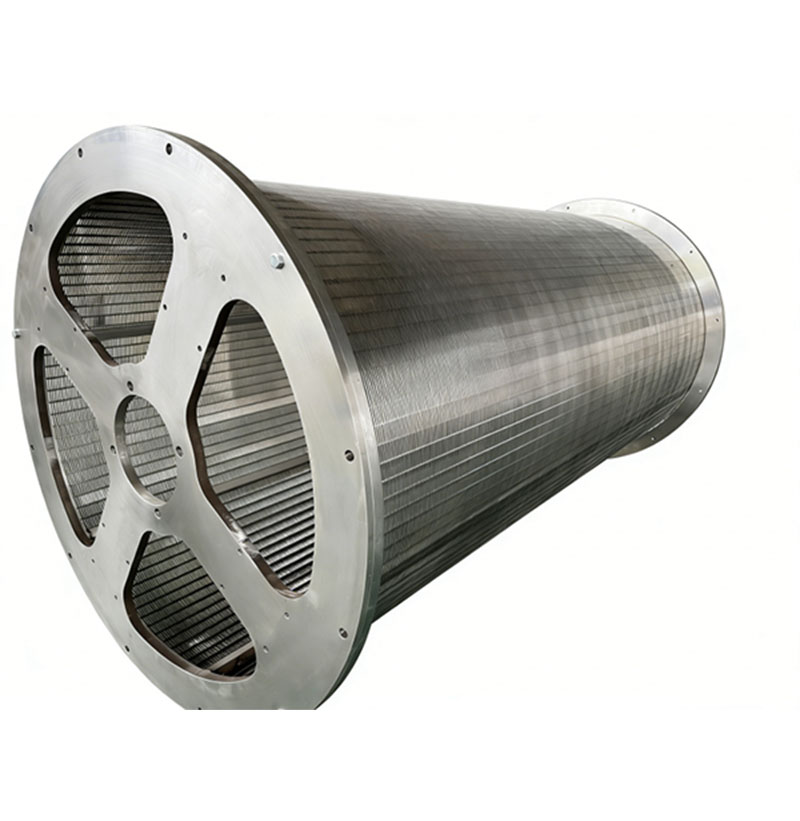
Drum Rotar
A tela rotatória de tubo de fio de ferro inoxidável Wedge Wire (também conhecida como um estrangeiro rotatório de tubo ou micro-tela) é um dispositivo de separação sólido-líquido de fronte que funciona continuamente e automaticamente. Seu componente central é um grande tambor cilindrico instalado horizontalmente ou em uma ligeira inclinação. A superfície circunferencial inteira do tambor está coberta com uma tela de fio de fio de a ço inoxidável (tela Johnson). A água residual a ser tratada flui para um extremo do tambor. Sob a gravidade, o filtrado passa através dos intervalos de fio de corda, enquanto matéria sólida suspensa (como fibras, cabelo, peças plásticas e partículas finas) é mantida na superfície interior do tambor. À medida que o tambor gira lentamente, os resíduos retirados são levantados para o topo, onde são lavados por água pulverizada em um tronco de coleta, atingindo um processo contínuo de rastreamento automático, filtração e remoção de resíduos
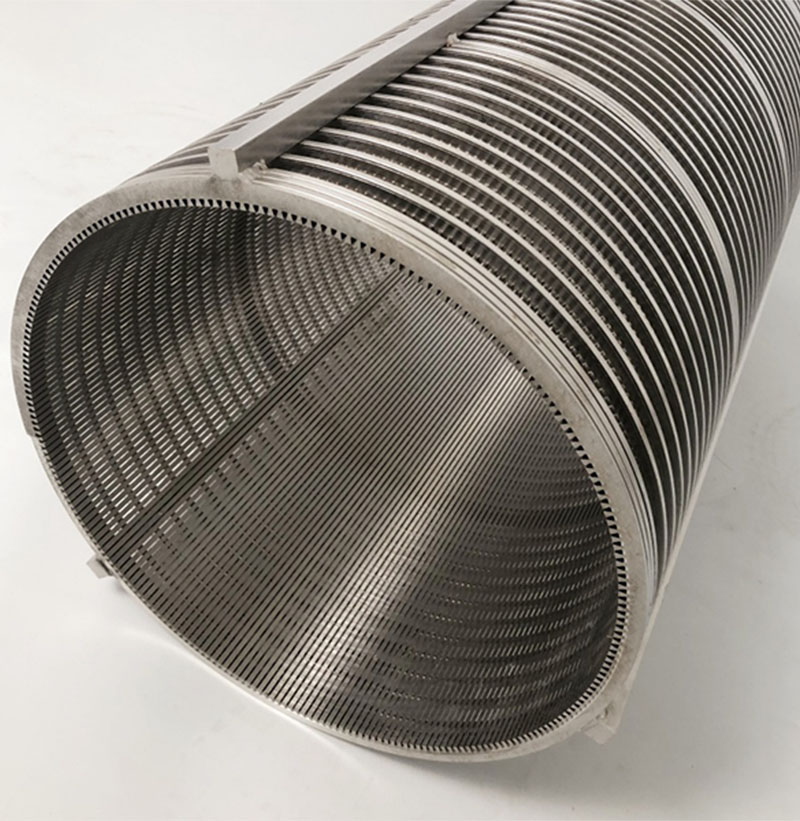
Basquete de Pantalla para Separador de Impressão de Pantalla
O cesto de tela de fio de a ço inoxidável, comumente conhecido como "tela de fio V", "cesto de tela de pulsação" ou "cilindro de tela", é um componente central de separadores de fio de pulsação sólido-líquido. - Está instalado dentro da imprensa espiral, encerrando o barro rotante. O princípio de funcionamento é o seguinte: a chuva bruta com alto conteúdo de umidade é empurrada no cesto da tela pelo barro de screw. Sob a ação de apertação e de transmissão dos voos espirais, o líquido (filtrado) é forçado a sair através dos slots precisos e contínuos do cesto da tela, enquanto o material sólido (bolo de manteiga) é mantido dentro e continua a ser comprimido e desmatado enquanto se move em frente. Finalmente, os sólidos deshidratados são descarregados da saída, atingindo separação sólida-líquida.
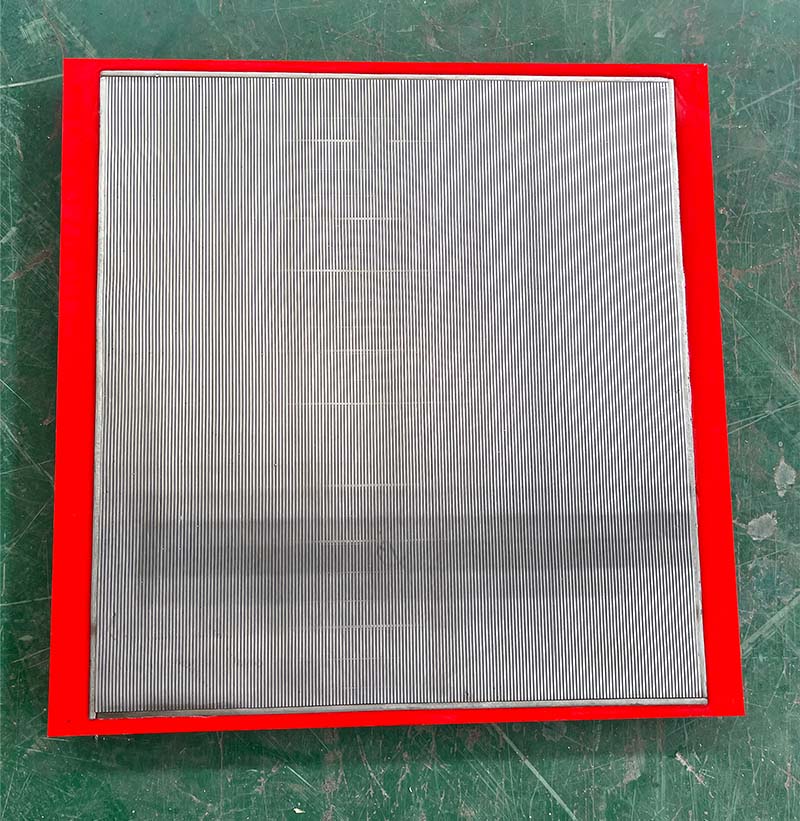
Wedge Wire Vibrating Screen
Uma tela de vibração de fios de a ço inoxidável é um dispositivo de separação sólido-líquido com uma superfície de tela feita precisamente soldando fios de aço inoxidável em forma V, integrado com um sistema de vibração de alta frequência. Com slots uniformes, resistência ao uso e resistência à corrosão, é adequado para operações de rastreamento húmido e desmatamento. O mecanismo de vibração permite uma rápida dispersão de materiais e uma assediação eficiente, evitando efetivamente o bloqueio da tela. Uma grande utilização em indústrias como mineração, metalurgia, processamento de alimentos e proteção ambiental, é particularmente adequada para manejar partículas finas, alta viscosidade ou materiais facilmente aglomerados, oferecendo vantagens como alta precisão de rastreamento, grande capacidade de processamento e longa vida de serviço.
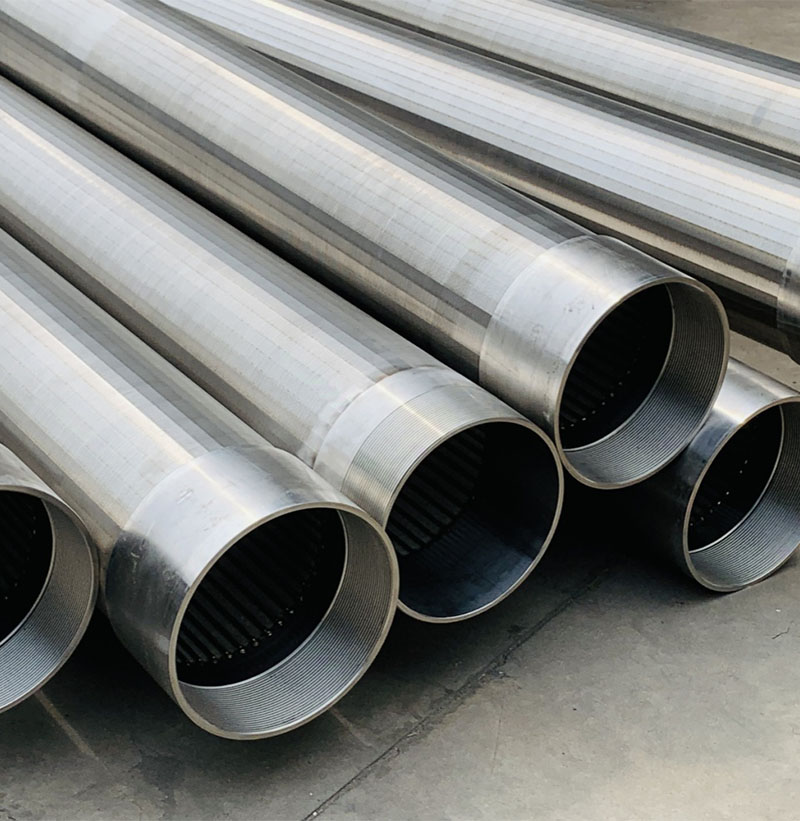
Wedge Wire Water Well Screen
Johnson Deep Water Well Screens, também chamadas de telas de slot contínuas ou telas de envolvimento de fios, foram originalmente desenvolvidos para resolver desafios de controle de areia em formações de areia finas e uniformes. Essas condições geológicas são comumente encontradas em aquíferos de água subterrânea profunda, onde tubos perforados convencionais frequentemente sofrem de obstruções, produção excessiva de areia e redução da eficiência do poço.
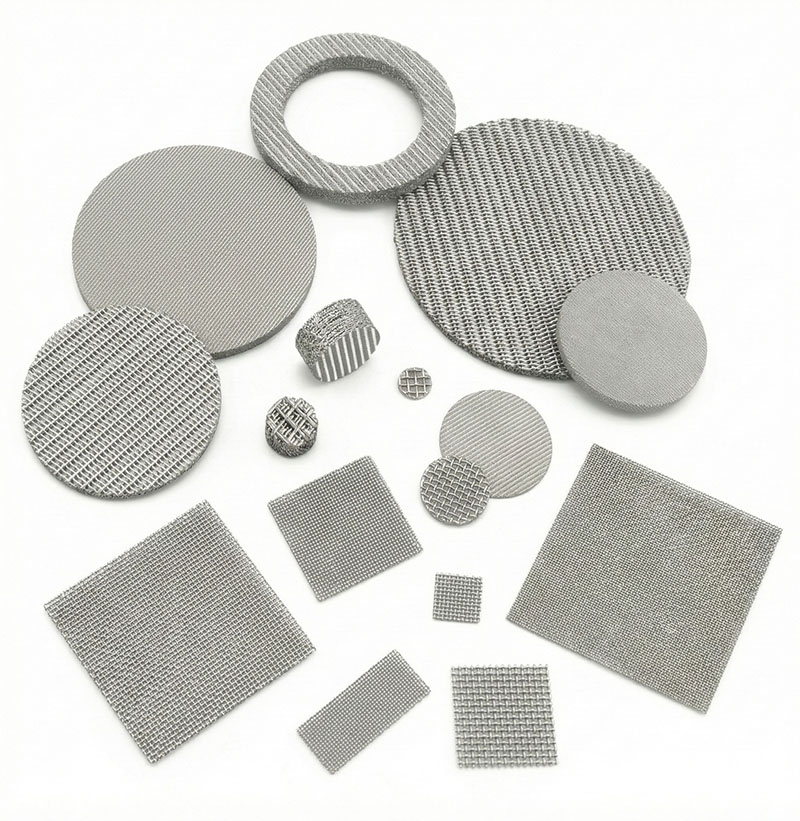
Plata e Disco de Malha Sintered
Platas e discos de malha sinteradas são componentes de filtração de alta precisão fabricados ligando múltiplas camadas de malha de fio de a ço inoxidável através de um processo de sinterização de vácuo especializado. Ao contrário das malhas tradicionais que dependem apenas de tecido mecânico, essas placas são fusionadas em todos os pontos de contato, transformando fios individuais em uma folha metal rígida e integrada porosa.Essas placas podem ser personalizadas em várias formas, mais comunmente discos circulares, para encaixar equipamentos industriais específicos. Eles oferecem um equilíbrio ideal de alta permeabilidade, integridade estrutural extrema e notações de filtração precisas. Porque são feitos inteiramente de metal (tipicamente 304 ou 316L), eles fornecem uma solução de filtração "permanente" que pode resistir a altas temperaturas e substâncias químicas corrosivas enquanto permanecem completamente limpas e reutilizables.