
À propos de nous
Votre fabricant expert d'écrans de fil de coin;
Votre partenaire fiable et source d’innovation
Obtenez un devis gratuit
-
Accueil

-
Blog
-
Blog de l'industrie
- Pourquoi les écrans en acier inoxydable de Johnson Screens sont la référence en matière de filtration industrielle
Pourquoi les écrans en acier inoxydable de Johnson Screens sont la référence en matière de filtration industrielle
-
 auteur
 - 14,mai
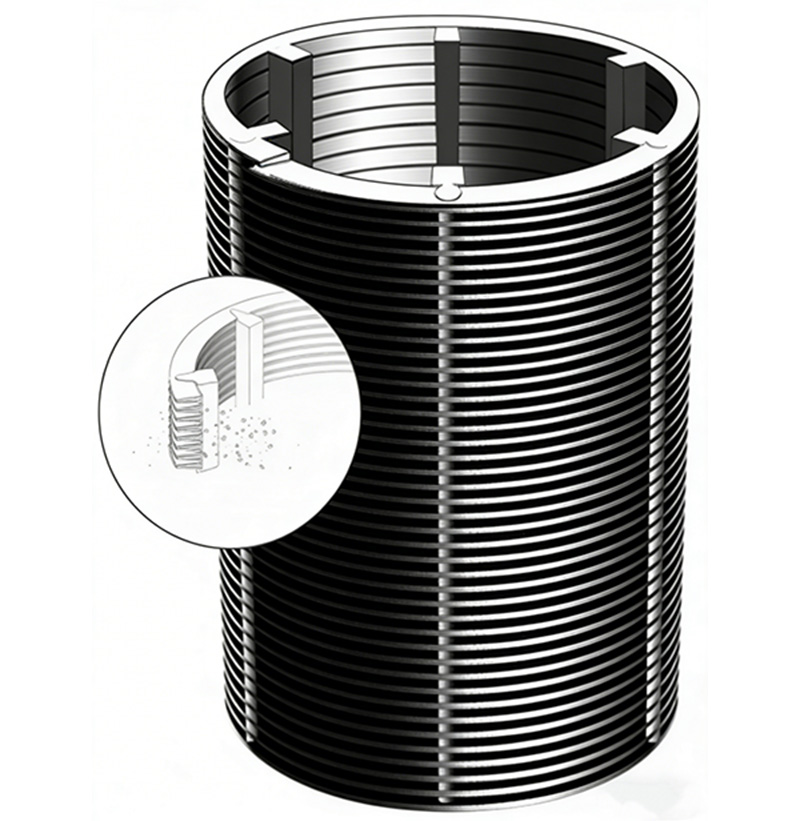
Dans le secteur exigeant des procédés industriels, la filtration est un facteur clé de productivité. Un problème mineur dans une installation de forage en profondeur ou une ligne de production chimique peut entraîner des interruptions majeures et des coûts qui grimpent rapidement à plusieurs dizaines de milliers de dollars en quelques heures seulement. Les méthodes de filtration classiques, comme les toiles métalliques tissées ou les plaques métalliques perforées, se révèlent souvent inadaptées face à une forte pression, des liquides agressifs ou une charge importante de solides. C'est pourquoi la technologie en acier inoxydable de Johnson Screens s'impose comme la référence mondiale en matière de fiabilité. fabricant d'écrans Johnson, En remplaçant les grillages obsolètes par des fils à fente soigneusement conçus, les entreprises bénéficient d'un niveau de fiabilité et d'une durée de vie autrefois difficiles à imaginer.
Quel est le secret de la conception en V des grillages Johnson ?
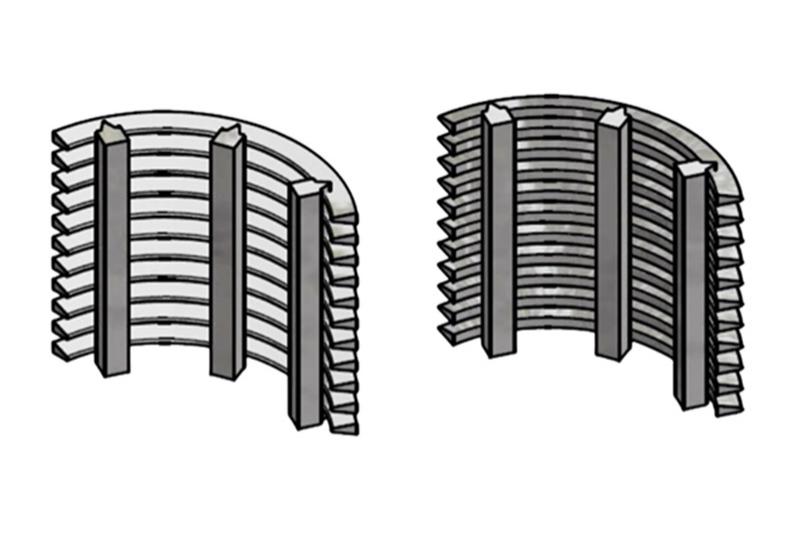
Les performances exceptionnelles d'un tamis Johnson proviennent de son profil en V caractéristique. Contrairement aux tamis classiques, où les particules peuvent facilement se loger entre les fils, le tamis en V forme un entonnoir. L'espacement est minimal à l'entrée du liquide et s'élargit sensiblement à la sortie.
Cette forme particulière offre une excellente résistance au colmatage, un atout essentiel pour un fonctionnement stable. Lorsqu'une pièce passe par la fente initiale, elle se déplace en douceur dans l'espace qui s'élargit, évitant ainsi tout blocage. Ce processus de nettoyage naturel assure un débit constant et durable. Chez BTOSLOT, nos méthodes de production garantissent des dimensions de fente extrêmement précises, allant de 20 microns à quelques millimètres. Nous offrons ainsi la précision requise pour les applications de filtration industrielle les plus exigeantes.
Pourquoi la technologie des filtres Johnson pour les eaux souterraines et les puits a-t-elle une durée de vie supérieure à celle des canalisations traditionnelles ?
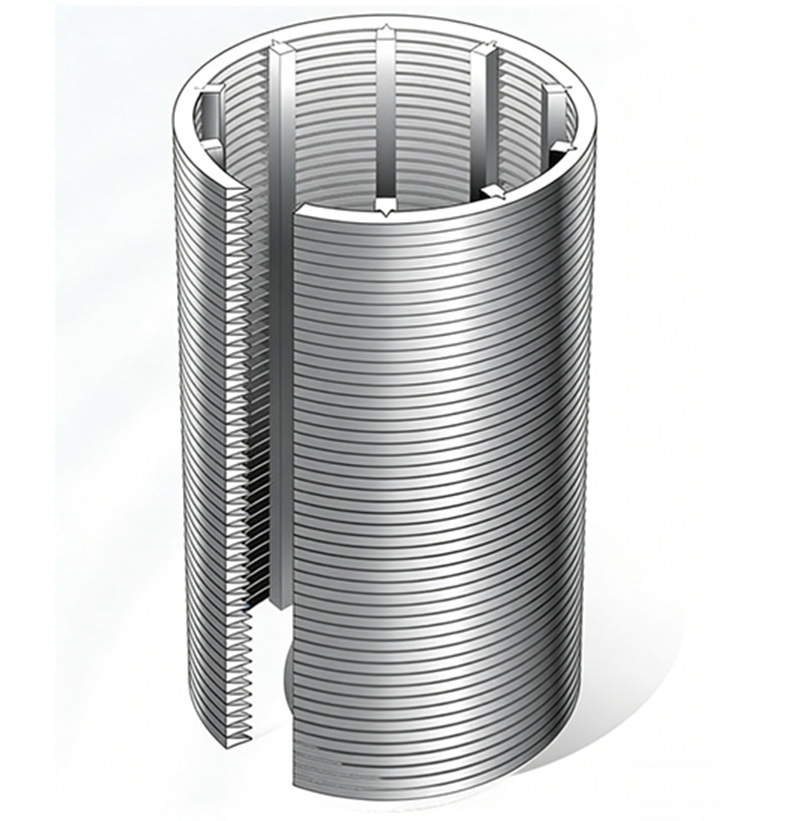
Pour les travaux de pompage d'eau à grande échelle, clin fil écran en gros, Les systèmes de filtration Johnson pour eaux souterraines et puits offrent un avantage certain en termes de construction et de débit par rapport aux tuyaux forés classiques. La principale différence réside dans la conception à fentes continues. Un tuyau foré ne présente qu'une ouverture de 5 à 15 %, tandis qu'une crépine à fentes continues peut offrir jusqu'à 50 % d'ouverture.
| Paramètre technique | tuyau perforé traditionnel | Fil de fer à coin Johnson Screens |
| Pourcentage de zone ouverte | 5% – 15% | 30% – 50% |
| Vitesse d'écoulement | Élevé (augmente le risque d'obstruction) | Faible (Minimise la mise à l'échelle) |
| Cohérence des emplacements | Irrégulier / Percé | Soudé avec précision (±0,05 mm) |
| Capacité de contrôle du sable | Mauvais (forte absorption de sable) | Supérieur (blocage par fil en V) |
| Intégrité structurelle | Modéré | Haut (Tiges de support internes) |
Cet espace plus important réduit la vitesse d'entrée de l'eau, limitant ainsi l'accumulation de dépôts sur la crépine. De plus, la gestion efficace du sable assurée par les crépines Johnson pour les eaux souterraines et les puits empêche les particules grossières d'atteindre les pièces de la pompe. Par conséquent, la durée de vie du système de puits est prolongée et les réparations coûteuses de la pompe sont réduites.
Quel est l'impact du choix de l'acier inoxydable sur le retour sur investissement à long terme de la filtration ?
Choisir la nuance d'acier inoxydable appropriée pour les écrans Johnson Screens est essentiel pour optimiser la rentabilité à long terme. Le matériau doit être parfaitement adapté aux conditions chimiques et thermiques du site d'utilisation. L'acier inoxydable 304 convient parfaitement au traitement de l'eau de ville, mais les procédés impliquant des déchets riches en chlorures ou l'élimination d'eau salée nécessitent l'utilisation d'acier inoxydable 316L ou Duplex 2205 afin d'éviter la corrosion par piqûres et la corrosion cachée.
La résistance à la chaleur est un autre atout majeur de l'acier inoxydable. Dans les unités de raffinage du pétrole ou les opérations de récupération de carburant, la température peut atteindre 300 °C. Les filtres à tamis métallique Johnson conservent leur forme et la précision de leurs fentes même dans ces conditions extrêmes, contrairement aux filtres en plastique ou mixtes qui se dégraderaient. Grâce à leur durabilité, ces filtres en acier inoxydable éliminent le recours à des consommables tels que les sacs ou cartouches filtrantes, réduisant ainsi considérablement les coûts d'exploitation annuels et les frais de traitement des déchets.
Où le grillage Johnson est-il le plus important ?
La flexibilité du tamis métallique Johnson en fait un élément essentiel dans divers domaines où la précision et la propreté sont primordiales.
- Pétrochimie et énergie : En hydrotraitement et en reformage catalytique, ces tamis retiennent les couches de catalyseur. Ils assurent une répartition uniforme du flux tout en empêchant la fuite de particules de catalyseur coûteuses.
- Agroalimentaire : Lors de la fabrication de la bière, de la manipulation du sucre et de l’étirage de l’amidon, sa conception lisse, sans recoins, empêche les matières organiques d’adhérer. Ce procédé répond aux normes d’hygiène strictes de la FDA et prévient la prolifération des germes.
- Traitement de l'eau : Outre leur utilisation pour les eaux souterraines, ces filtres protègent les couches fragiles d'osmose inverse en retenant les fines particules en suspension. Ils limitent également la perte de résine dans les systèmes d'échange d'ions.
Dans un cas concret tiré de nos archives, une entreprise de transformation d'amidon est passée à nos conteneurs à fentes sur mesure. Elle a constaté une réduction de 40 % des besoins de nettoyage, grâce à une meilleure qualité de surface et à une uniformité accrue des fentes.
Comment choisir le bon écran Johnson pour votre projet spécifique ?
Choisir le meilleur tube écran Johnson Pour une configuration optimale de l'acier inoxydable, il est essentiel de bien comprendre le mouvement des liquides et les caractéristiques des solides. Pour les solides durs et pointus, réglez la largeur de la fente en fonction du D85 de la dispersion des particules. En revanche, pour les agrégats biologiques mous et de forme variable, nous recommandons une fente dont la largeur représente 50 % à 70 % de la taille cible des particules afin de les retenir correctement.
La qualité des matériaux est tout aussi importante. Chez BTOSLOT, nous fournissons des certificats d'essais de matériaux (CEM) complets pour confirmer que la nuance de métal convient aux conditions difficiles de votre site. Pensez également aux exigences de résistance. Si vous souhaitez une tôle plate pour un trieur vibrant, un tambour rond pour un filtre rotatif ou un conteneur conique pour une centrifugeuse, l'espacement des tiges internes doit être dimensionné pour supporter les variations de pression et les vibrations spécifiques à votre équipement.
Conclusion
L'acquisition de produits en acier inoxydable Johnson Screens représente bien plus qu'un simple achat : c'est un choix judicieux pour une production industrielle stable et performante. Grâce à la gestion optimisée du flux d'eau des systèmes de filtration d'eau souterraine et de puits Johnson Screens et à la conception soignée de leurs toiles filtrantes, les utilisateurs bénéficient de coûts de maintenance réduits, d'une productivité accrue et d'une durabilité exceptionnelle. Anping Baitong Wire Mesh Products Co., Ltd. (BTOSLOT) met à votre service plus de 15 ans d'expertise certifiée ISO 9001. Vos problèmes de filtration sont ainsi résolus grâce à une ingénierie de pointe et des matériaux de haute qualité. Pour un audit de filtration personnalisé ou une consultation avec nos experts, contactez notre équipe : c'est la première étape pour améliorer la productivité de votre site.
FAQ
Comment obtenir un devis précis pour une moustiquaire métallique Johnson ?
Pour vous fournir un devis précis, nous avons besoin des informations suivantes : la nuance d’acier requise (par exemple, 304 ou 316L), la taille de la fente (en mm ou en microns), les dimensions de l’écran (largeur et hauteur) et le type de flux (FOTI ou FITO). Chez BTOSLOT, nous vous envoyons généralement un devis détaillé et un devis dans les 24 heures suivant la réception de ces informations.
Quel est le délai de livraison habituel pour les commandes de tamis Johnson en acier inoxydable sur mesure ?
Les délais de livraison dépendent des détails et du montant de la commande. Les tamis ronds ou les plaques plates de base sont généralement livrés sous 2 à 3 semaines. Pour les projets importants incluant des tamis Johnson, des installations pour les eaux souterraines et les puits, ou des pièces spéciales pour réacteurs, les délais peuvent atteindre 4 à 6 semaines. Nous privilégions les interventions rapides pour les arrêts techniques afin de minimiser les retards pour nos clients.
Comment nettoyer et entretenir un tamis métallique Johnson pour éviter l'encrassement ?
La structure en V empêche naturellement le colmatage, mais pour les usages avec des matériaux épais ou collants, nous recommandons un rinçage à contre-courant régulier ou un nettoyage par ultrasons. Comme les tamis Johnson Screens en acier inoxydable résistent bien à l'usure, ils supportent les jets d'eau puissants et les nettoyants courants sans qu'il soit nécessaire de changer les fentes, contrairement aux tamis tissés qui se déforment facilement.
La technologie de filtration des eaux souterraines et des puits de Johnson peut-elle être personnalisée pour les environnements marins profonds ou à haute pression ?
Oui. Nous concevons des tiges internes renforcées et des fils supérieurs plus larges pour les forages profonds. Nos crépines Johnson filtrent les eaux souterraines et la construction des puits est vérifiée afin de résister aux fortes contraintes d'écrasement dans les couches d'eau profondes. Cela empêche la crépine de se plier sous le poids du sol ou la traction de la pompe.
Quelles certifications de qualité accompagnent les produits de grillage métallique Johnson de BTOSLOT ?
Tous nos produits sont fabriqués selon les normes de qualité ISO 9001:2015. Chaque livraison de tamis Johnson est accompagnée d'un rapport de contrôle de l'usine, de certificats de conformité des métaux (MTC) pour l'acier inoxydable et d'un rapport de vérification des dimensions des mailles. Ces documents attestent que le produit répond précisément à vos objectifs de filtration.
Article récent
Produits connexes
Produits les plus vendus
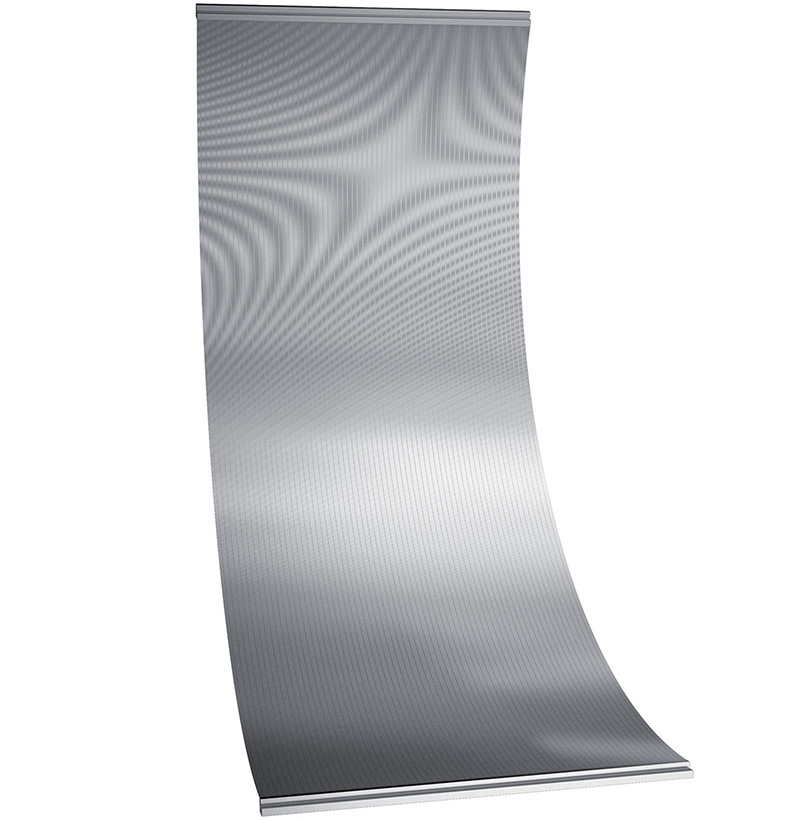
écran amidon
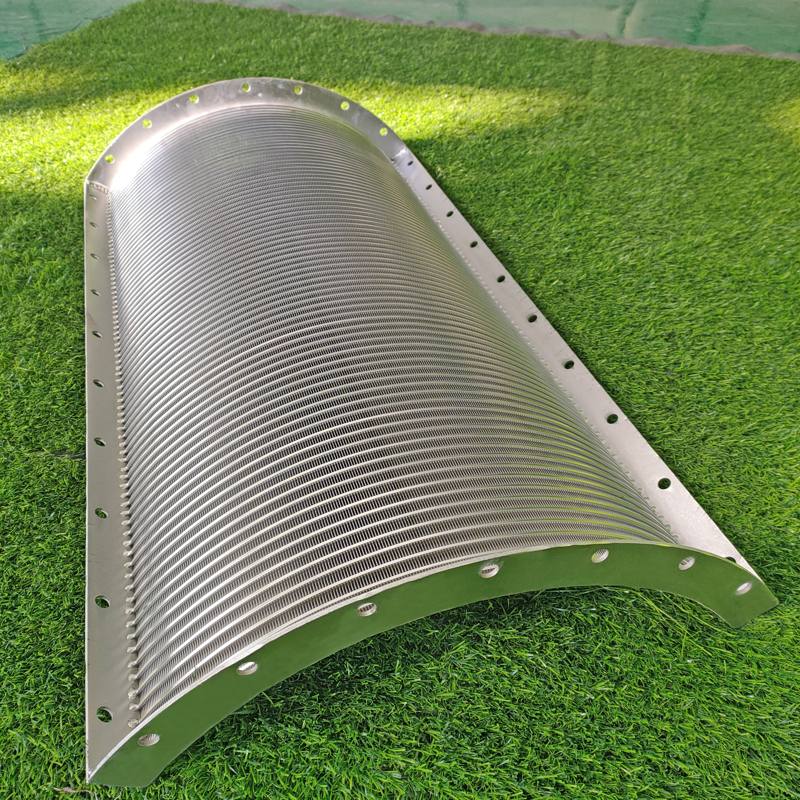
Le Wedge Wire Starch Curved Screen est un dispositif de criblage courbé spécialement conçu pour l'industrie de l'amidon. Il dispose d'une surface d'écran en forme d'arc faite de fils en acier inoxydable en profil V soudés avec précision, utilisant la force centrifuge ou la gravité pour réaliser une déshydratation rapide et la classification de la boue d'amidon. Sa structure courbe prolonge le temps de rétention des boues, améliorant l'efficacité de la séparation solide-liquide. Il convient pour l'extraction d'amidon, le raffinage et les processus de récupération de sous-produits pour les amidons tels que la pomme de terre, le maïs et le manioc. Caractérisé par un criblage efficace, une résistance à l'usure et à l'obstruction et une maintenance facile, cet équipement est un dispositif de séparation solide-liquide clé dans le traitement moderne de l'amidon.
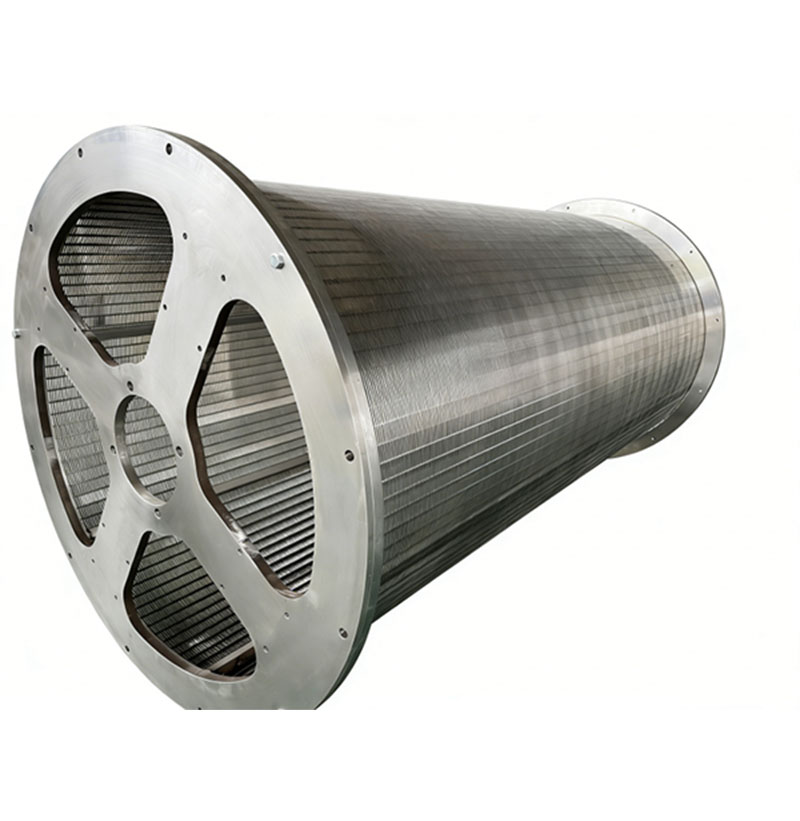
tambour rotatif
L'écran de tambour rotatif en acier inoxydable (également connu sous le nom de filtre de tambour rotatif ou micro-écran) est un dispositif de séparation solide-liquide frontal fonctionnant en continu et automatiquement. Son élément central est un grand tambour cylindrique installé horizontalement ou en légère inclinaison. Toute la surface circonférentielle du tambour est recouverte d'un écran en acier inoxydable (écran Johnson). Les eaux usées à traiter s'écoulent dans une extrémité du tambour. Sous la gravité, le filtrat passe à travers les fentes de fil de coin, tandis que la matière solide en suspension (telles que les fibres, les cheveux, les morceaux de plastique et les particules fines) est retenue sur la surface interne du tambour. Au fur et à mesure que le tambour tourne lentement, les débris retenus sont soulevés vers le haut, où ils sont rincés par l'eau pulvérisée dans un trou de collecte, permettant ainsi un processus continu de filtration automatique et d'élimination des résidus.
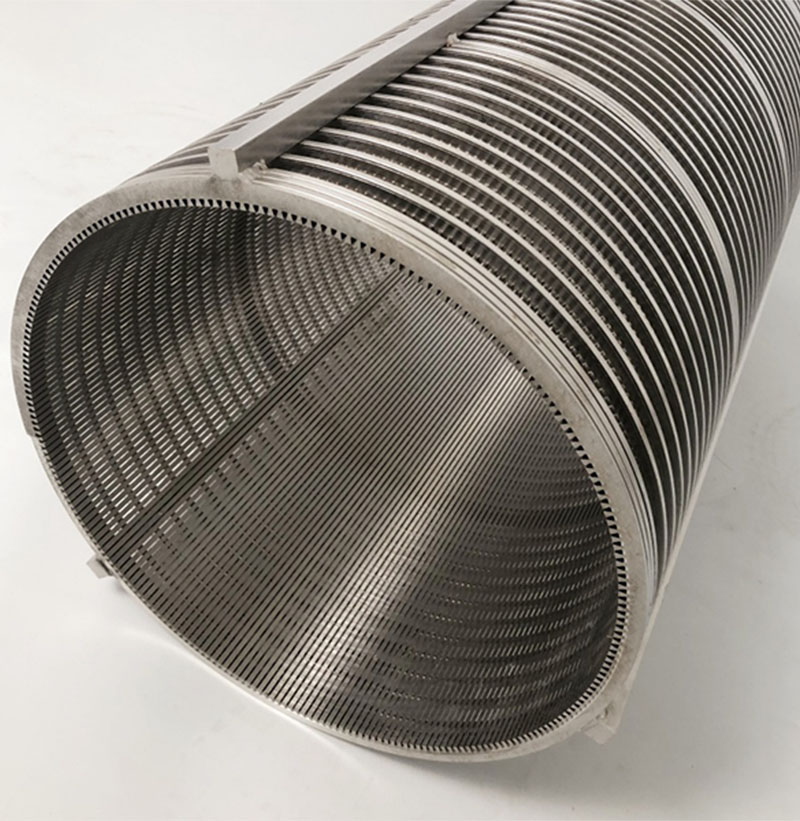
Panier d'écran pour séparateur de presse à vis
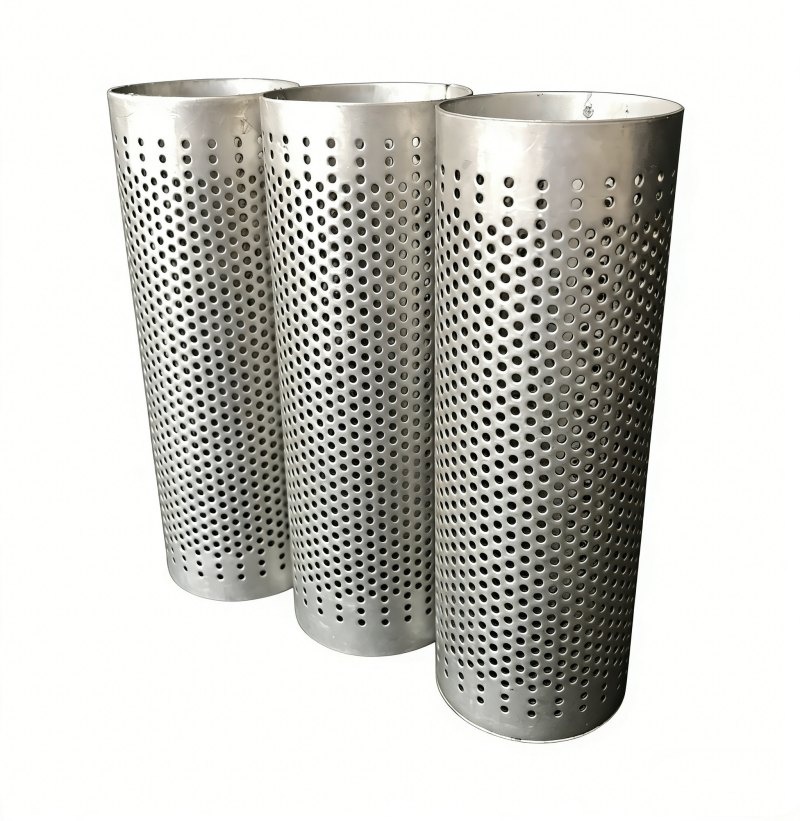
Le panier d'écran en fil de coin en acier inoxydable, communément connu sous le nom de "écran en V", "panier d'écran de presse" ou "cylindre d'écran", est un composant central des séparateurs solide-liquide de presse à vis. Il est installé à l'intérieur de la presse à spirale, encerclant l'arbre à vis rotatif. Le principe de fonctionnement est le suivant: la boue brute à forte teneur en humidité est poussée dans le panier d'écran par l'arbre à vis. Sous l'action de compression et de transport des vols en spirale, le liquide (filtrat) est forcé à travers les fentes précises et continues du panier d'écran, tandis que le matériau solide (gâteau de fumier) est retenu à l'intérieur et continue d'être comprimé et déshydraté au fur et à mesure qu'il avance. Enfin, les solides déshydratés sont déchargés de la sortie, permettant une séparation solide-liquide.
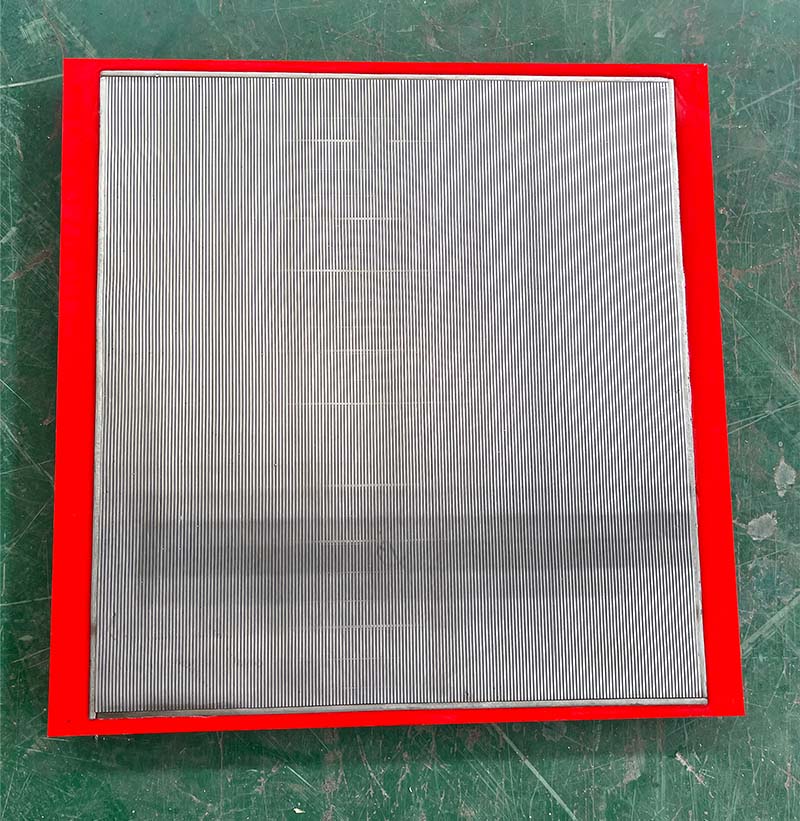
Ecran vibrant de fil de coin
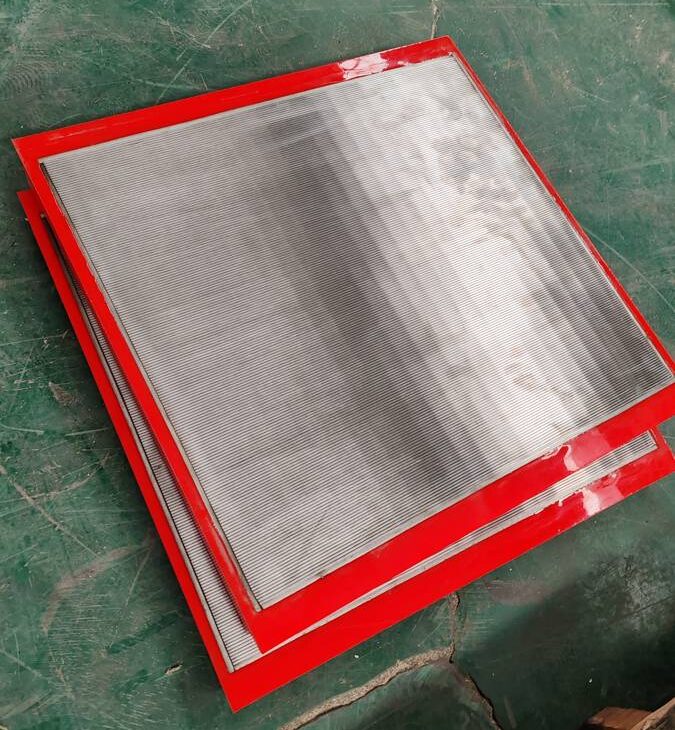
Un écran vibrant en fil de coin en acier inoxydable est un dispositif de séparation solide-liquide comportant une surface d'écran réalisée par soudage précis de fils en acier inoxydable en forme de V, intégré à un système de vibration haute fréquence. Avec des fentes uniformes, une résistance à l'usure et une résistance à la corrosion, il convient aux opérations de filtrage humide et de déshydratation. Le mécanisme de vibration permet une dispersion rapide du matériau et un tamissage efficace tout en empêchant efficacement l'obstruction de l'écran. Largement utilisé dans des industries telles que l'exploitation minière, la métallurgie, la transformation des aliments et la protection de l'environnement, il est particulièrement adapté pour manipuler des particules fines, des matériaux à haute viscosité ou facilement agglomérables, offrant des avantages tels que la précision de criblage élevée, une grande capacité de traitement et une longue durée de vie.
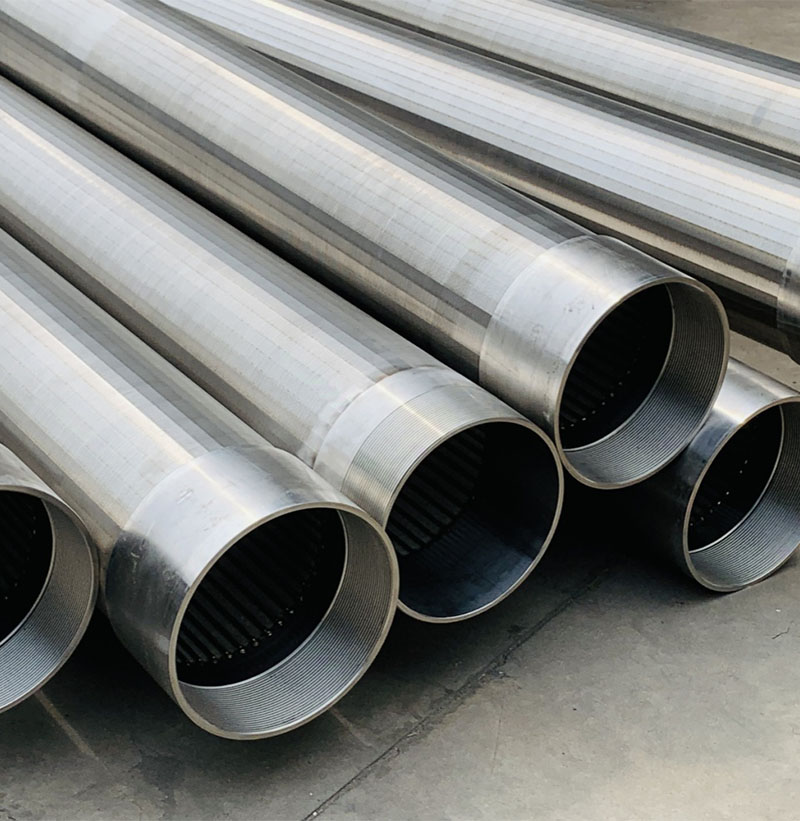
Écran de puits d'eau de fil de coin
Les écrans de puits d'eau profonde Johnson, également appelés écrans de fente continue ou écrans d'enveloppement de fil, ont été développés à l'origine pour résoudre les problèmes de contrôle du sable dans les formations de sable fine graine et uniforme. Ces conditions géologiques sont couramment rencontrées dans les aquifères souterrains profonds, où les tuyaux perforés conventionnels souffrent souvent d'obstruction, de production excessive de sable et de réduction de l'efficacité des puits.
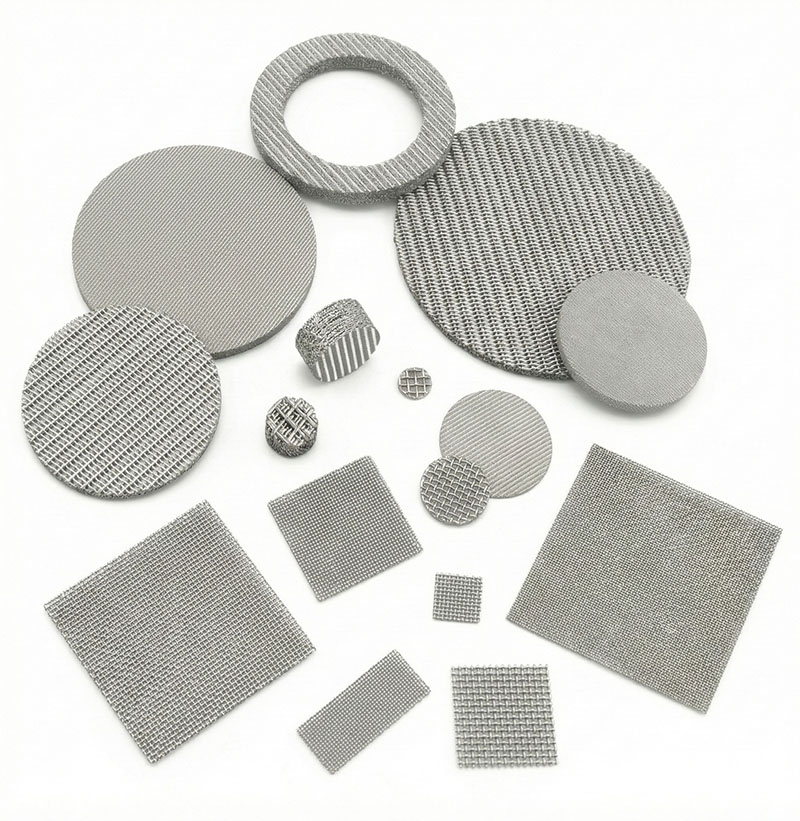
Plaque et disque en maille fritté
Les plaques et disques de maillage fritté sont des composants de filtration de haute précision fabriqués en liant plusieurs couches de maillage en acier inoxydable à travers un processus de frittage sous vide spécialisé. Contrairement au maillage traditionnel qui repose uniquement sur le tissage mécanique, ces plaques sont fusionnées à chaque point de contact, transformant des fils individuels en une tôle porouse rigide et intégrée.Ces plaques peuvent être personnalisées en différentes formes, le plus souvent des disques circulaires, pour s'adapter à des équipements industriels spécifiques. Ils offrent un équilibre idéal entre une perméabilité élevée, une intégrité structurelle extrême et des taux de filtration précis. Étant donné qu'ils sont entièrement en métal (généralement 304 ou 316L), ils fournissent une solution de filtration "permanente" qui peut résister aux températures élevées et aux produits chimiques corrosifs tout en restant entièrement nettoyables et réutilisables.