
О нас
Ваш эксперт производитель клиновых проводных экранов;
Ваш надежный партнер и источник инноваций
Получите бесплатную котировку
-
Главная

-
Блог
-
Блог промышленности
- How Centrifuge Screen Baskets Dewater High-Solids Mineral Slurry

How Centrifuge Screen Baskets Dewater High-Solids Mineral Slurry
-
 автор
автор - 10,Сентябрь
 автор
автор 
High-solids mineral slurry can overwhelm a dewatering stage when free liquid, abrasive particles, and a heavy solids load arrive together. A centrifuge screen basket creates a controlled drainage surface inside the rotating machine, so liquid leaves quickly while the valuable solids remain in the transport path. The practical question is how the basket geometry and slot design work together without sacrificing recovery or service life.
What the basket changes inside a centrifuge
A centrifuge basket turns rotational force into a pressure difference across the screen surface. The feed forms a moving solids layer against the basket, and liquid is driven through continuous slots while cake travels toward discharge. This helps when gravity drainage leaves slurry liquid that would dilute the next process step. A correctly fitted centrifuge basket keeps drainage open, while a conical screen guides the cake.
A wedge wire screen basket uses profile wires welded to support rods, producing smooth openings. Its V-shaped passage is narrow at the surface and wider behind it, reducing deep wedging and helping filtrate flow stay stable.
How high-solids slurry moves across the screen
Feed distribution determines whether screen area is used evenly. A concentrated underflow entering one side can create a thick local cake, higher differential pressure, and faster wear even when average flow looks acceptable.
A well-matched conical screen gives solids a progressive path. Centrifugal force presses liquid outward through the slots, while cone angle and rotation move retained cake toward the outlet. The opening cone gives liquid more opportunities to escape before discharge. This conical screen also needs balance at machine speed.
This is where a conical wedge wire screen can be useful in a mineral circuit: the continuous slot surface supports drainage along the whole travel path, rather than forcing liquid through a small set of isolated holes. The result is a more predictable handoff to thickening, filtration, or tailings handling.
The design variables that control dewatering
Slot and geometry decisions
Slot opening is not a direct copy of nominal particle size. Angular grains can pass diagonally, while flaky particles can bridge a slot. A pilot sample and full particle-size distribution are more reliable than one sieve result.
Consider these variables as a group:
*Slot width: balances filtrate clarity, solids recovery, and blinding risk.
*Open area: increases drainage potential, but must be supported by adequate wire and rod strength.
*Cone angle: changes residence time, cake movement, and the useful screening area.
*Material and wear allowance: 304/316 stainless steel suits many duties; duplex or a wear coating may be justified for severe abrasion.
*Interface and support: flange, clamp, or custom mounting must keep the basket concentric at operating speed.
| Condition | What it does to the basket | Design response |
| High clay or slimy fines | Builds a low-permeability cake and raises pressure drop | Allow cleaning access, review slot width, and avoid overloading the feed zone |
| Coarse, angular ore | Accelerates impact and slot-edge wear | Use a wear-resistant grade or coating and verify support spacing |
| Variable cyclone underflow | Creates uneven cake thickness and fluctuating filtrate quality | Improve feed distribution and monitor torque, vibration, and pressure |
| Very fine target cut | Improves retention but can reduce throughput | Confirm the real PSD with a pilot test before fixing the opening |

Why anti-clogging matters more at high solids
High solids make a small loss of open area expensive. As fines cover the surface, more force is needed to push liquid through. The V-shaped slot reduces particle locking, while the smooth face helps a scraper, rinse, or backwash release the cake.
Cleaning should follow operating signals rather than a fixed calendar. Rising differential pressure, lower filtrate flow, higher torque, or changed filtrate solids can indicate surface loading. Confirm cleaning pressure and chemical compatibility before setting a routine.
A practical selection conversation with a centrifuge basket supplier should include feed density, PSD, temperature, chemistry, target moisture, expected throughput, rotation speed, and the available cleaning method. Those inputs let the supplier check slot tolerance, cone geometry, weld pattern, and mounting loads as one operating system.
Where the basket fits in a mineral circuit
Cyclone underflow is a natural application because it already arrives concentrated and needs rapid liquid removal before storage, transport, or a downstream polishing step. The basket can also support tailings thickening, media recovery, and selected classification duties when the retained solids and filtrate quality are defined clearly.
BTOSLOT can translate those operating inputs into a custom conical assembly, including 304/316 stainless steel or duplex options, slot ranges from 0.1 to 5 mm, cone angles from 10 to 60 degrees, and flange, thread, or clamp interfaces. These are configurable design ranges, not a universal performance guarantee; final dimensions should be confirmed against the machine and slurry test results.
A focused way to specify the basket
Specification details that prevent surprises
A useful specification starts with the separation outcome. State target solids recovery and filtrate clarity, then add feed conditions, speed, centrifugal load, cleaning method, and failure consequence. This keeps nominal slot size from becoming the only criterion.
Before release, ask for a drawing showing screening direction, support arrangement, weld details, and interface dimensions. Check finished-basket dimensions when concentricity or balance is tight, and agree how abrasive wear will be monitored.
The operating takeaway
A centrifuge screen basket dewaters high-solids mineral slurry by combining centrifugal force, a progressively supported screen surface, and slots sized for the real particle population. The best result is not simply the driest cake; it is a stable balance of liquid removal, solids retention, cleanability, and wear. Define that balance with representative slurry data, then match the cone and screen to the machine rather than selecting a basket from a generic capacity claim.
For background on wedge wire construction and related mining screens, see BTOSLOT’s screening in mineral processing resources. A short operating data sheet is enough for a first design review; the final basket should follow a drawing and application check.

Часто задаваемые вопросы
Can a conical basket handle cyclone underflow directly?
It can, when the underflow density, particle size, chemistry, and flow are within the centrifuge design envelope. Feed distribution and wear protection are critical because cyclone underflow can be both concentrated and abrasive.
Does a finer slot always produce a drier cake?
No. A finer slot may improve retention but can blind sooner and raise pressure drop. Cake permeability, residence time, and the liquid viscosity often matter as much as the nominal opening.
Which stainless steel is suitable for mineral slurry?
304 or 316 stainless steel covers many general duties. Chloride exposure, abrasion, temperature, and cleaning chemistry may justify duplex steel or a wear-resistant surface; material selection should follow the actual slurry.
How can operators tell that the basket is loading up?
Watch for a sustained rise in differential pressure or torque, lower filtrate flow, higher filtrate solids, or an unusual vibration pattern. These signals should trigger an equipment-specific inspection and cleaning check.
What information is needed to size a basket?
Provide feed rate, solids concentration, PSD, density, viscosity, target moisture, allowable solids loss, rotation speed, available envelope, mounting details, and the planned cleaning method. Representative samples improve the slot and cone-angle decision.
Последний пост
Связанные продукты
Лучшие Продукты
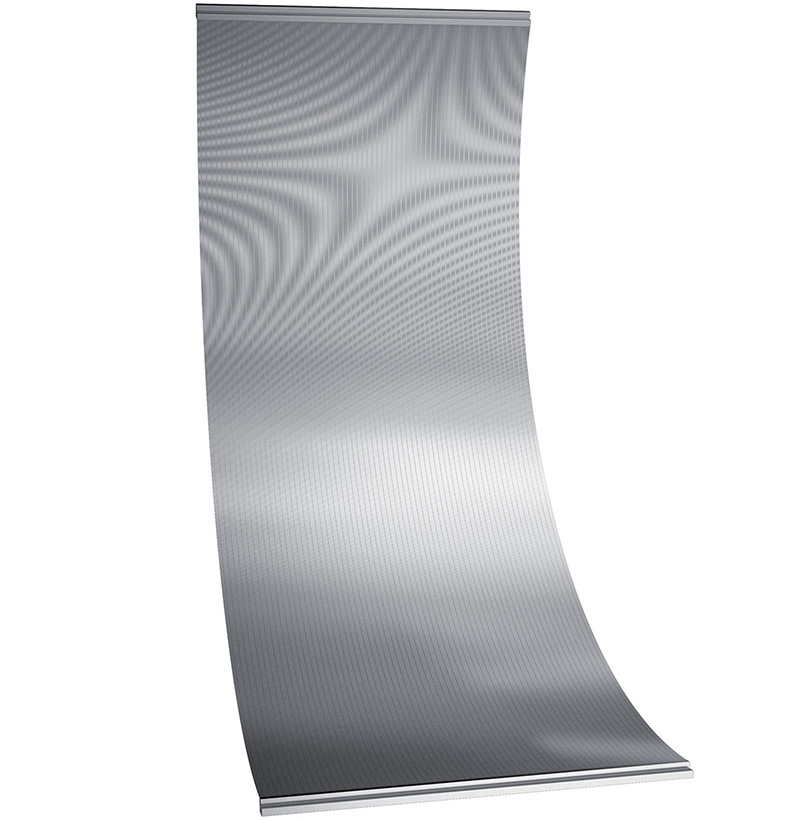
Экран крахмала
Клиновый проволочный крихмальный экран - это изогнутое скрининговое устройство, специально разработанное для крахмальной промышленности. Он имеет дуговидную поверхность экрана, изготовленную из точно сваренных V-профильных проводов из нержавеющей стали, используя центробежную силу или гравитацию для достижения быстрого обезводнения и классификации крахмальной шламы. Его изогнутая структура продлевает время удержания шламы, улучшая эффективность разделения твердой и жидкой. Он подходит для экстракции крахмала, переработки и процессов восстановления побочных продуктов для крахмала, такого как картофель, кукуруза и манака. Характеризуясь эффективным скринингом, устойчивостью к износу и засорению и простотой обслуживания, это оборудование является ключевым устройством разделения твердого и жидкого в современной обработке крахмала.
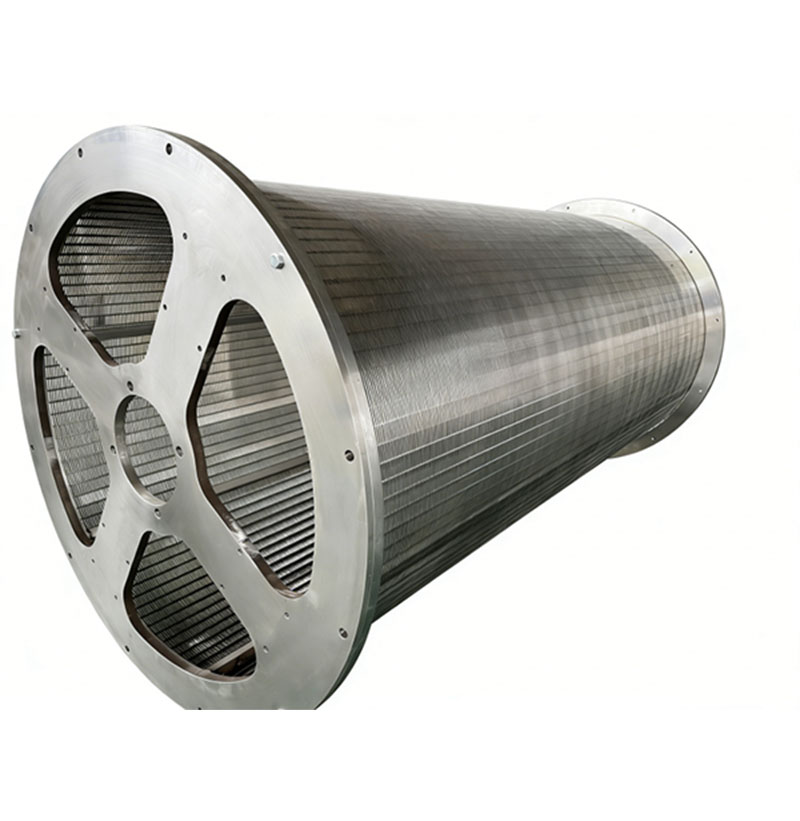
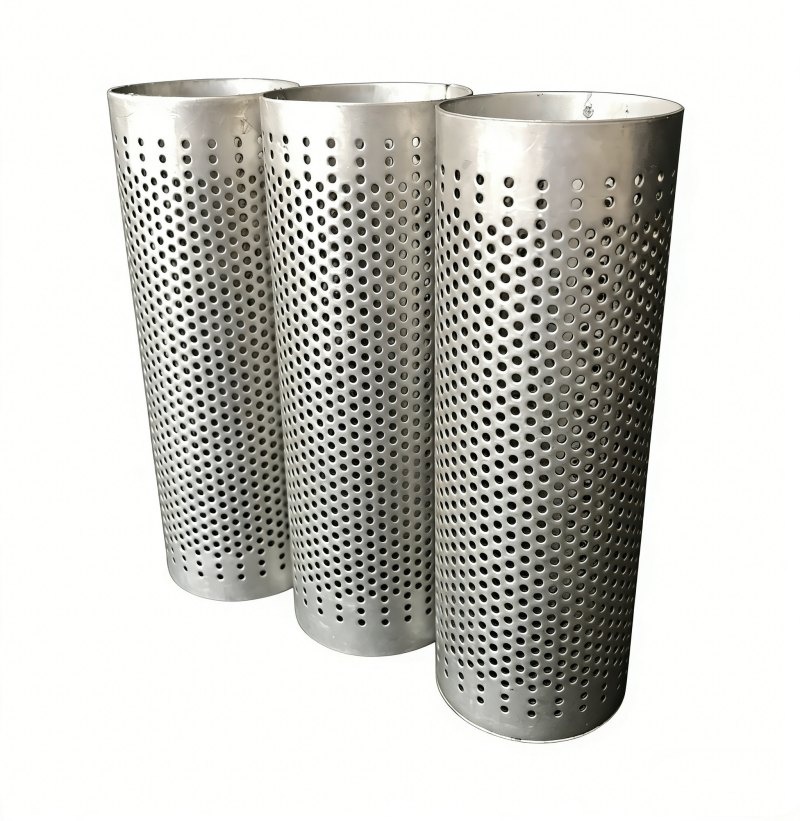
Ротарный барабан
Ротарный барабанный экран из нержавеющей стали (также известный как ротационный барабанный фильтр или микроэкран) - это непрерывно и автоматически работающее переднее устройство разделения твердой и жидкой. Его основной компонентом является большой цилиндрический барабан, установленный горизонтально или с небольшим наклоном. Вся окружность барабана покрыта клиновой проволочной экраном из нержавеющей стали (экран Джонсона). Сточные воды, подлежащие очистке, поступают в один конец барабана. Под гравитацией фильтрат проходит через клиновые слои провода, в то время как твердое подвешенное вещество (например, волокна, волосы, пластиковые куски и мелкие частицы) удерживается на внутренней поверхности барабана. По мере того как барабан медленно вращается, удерживаемый мусор поднимается сверху, где он промывается распылительной водой в сборную воду, обеспечивая непрерывный процесс автоматического скрининга, фильтрации и удаления остатков
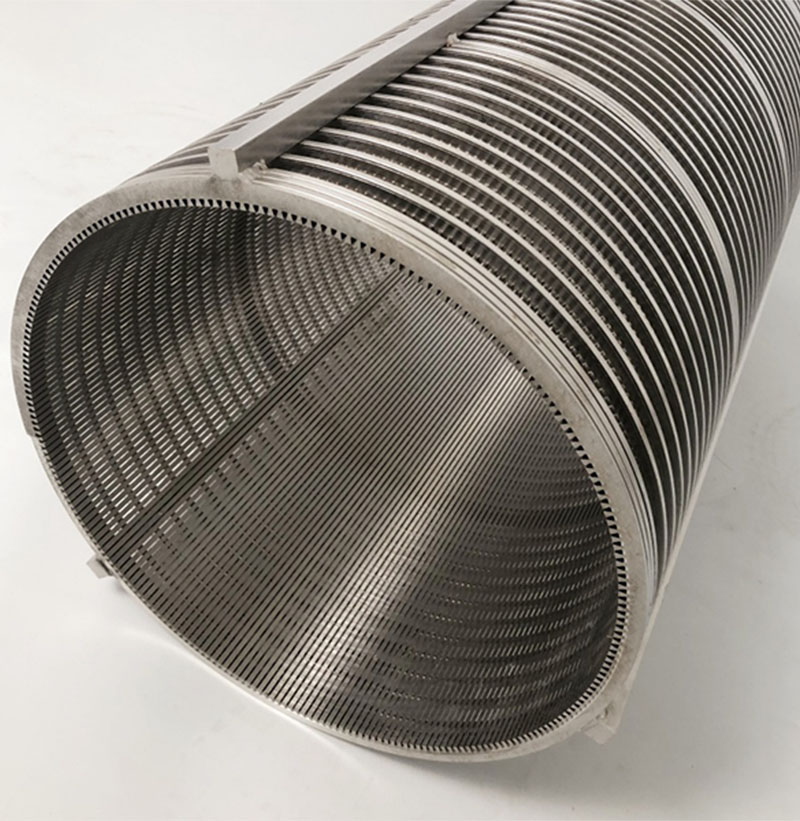
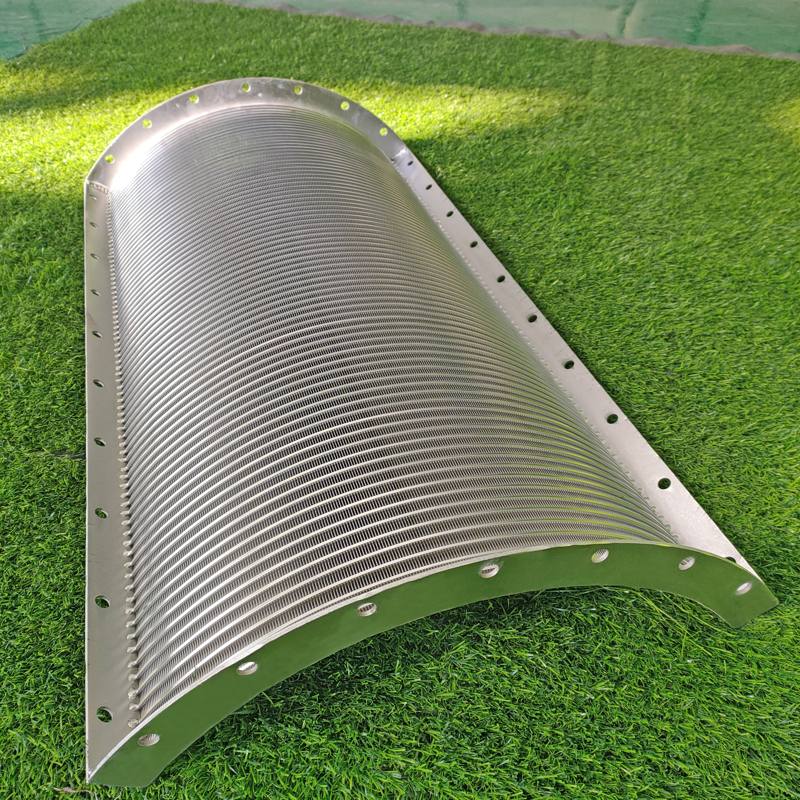
Корзина экрана для винтового сепаратора пресса
Корзина экрана из нержавеющей стали, обычно известная как "V-проволочный экран", "корзина экрана пресса" или "цилиндр экрана", является основным компонентом винтовых сепараторов твердого и жидкого пресса. Он устанавливается внутри спирального пресса, охватывающего вращающийся винтовый вал. Принцип работы заключается в следующем: сырый шлам с высоким содержанием влаги толкается в корзину экрана винтовым валом. Под давлением и транспортировкой спиральных полетов жидкость (фильтрат) вытесняется через точные непрерывные щелины экранной корзины, в то время как твердый материал (торт с гноем) удерживается внутри и продолжает сжаться и обезводняться, когда он движется вперед. Наконец, обезводненные твердые вещества выбрасываются из выхода, достигая отделения твердой и жидкой.
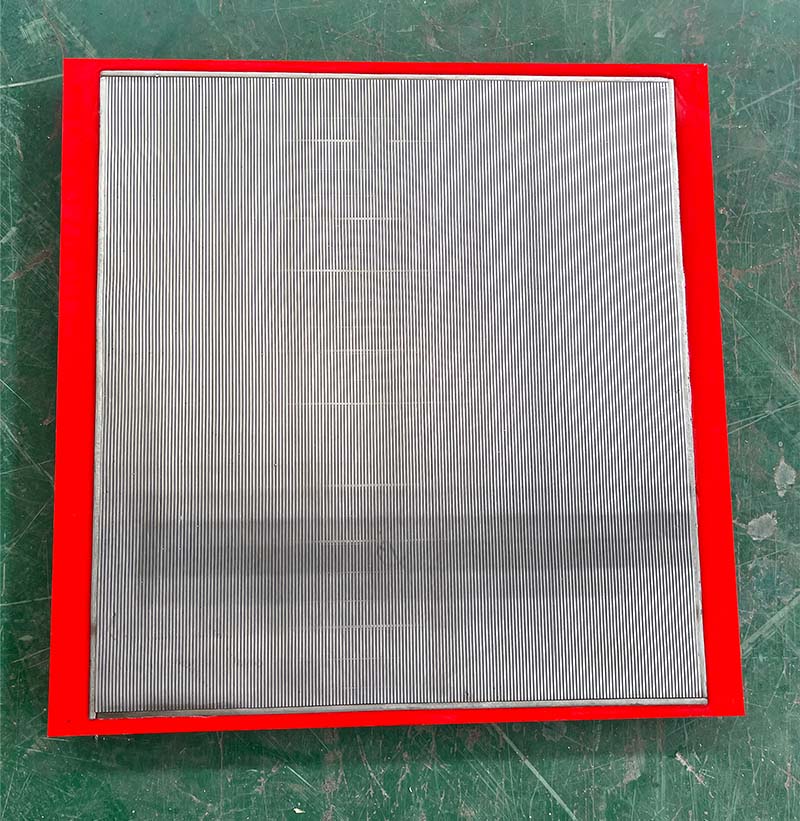
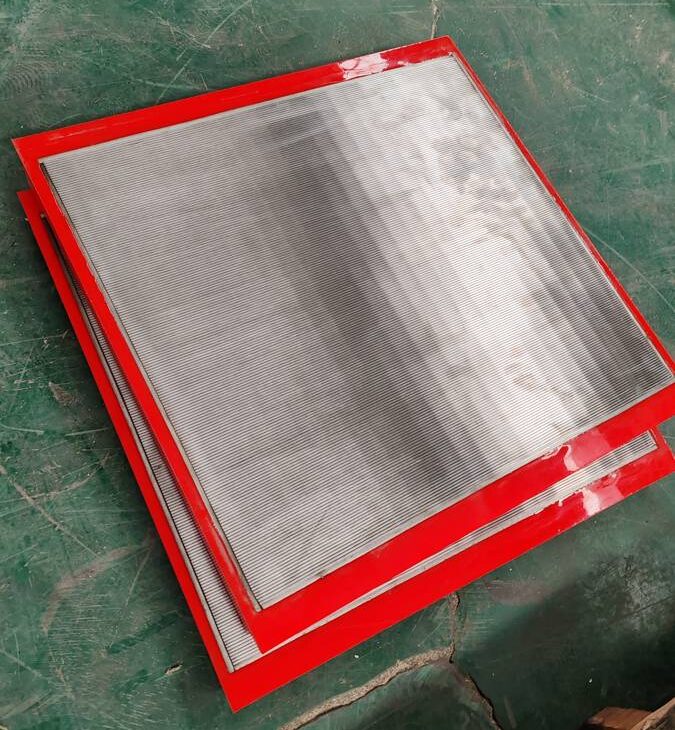
Клиновая провода вибрирующий экран
Вибрационный экран из нержавеющей стали - это устройство разделения твердой и жидкой железы с поверхностью экрана, сделанной путем точной сварки V-образных проводов из нержавеющей стали, интегрированных в систему высокочастотной вибрации. С равномерными слотами, износостойкостью и коррозионной стойкостью он подходит для мокрого скрининга и обезводнения. Вибрационный механизм позволяет быстро рассеивать материал и эффективно ситить, эффективно предотвращая забор экрана. Широко используется в таких отраслях промышленности, как горнодобывающая промышленность, металлургия, пищевая переработка и защита окружающей среды, он особенно подходит для обработки тонких частиц, высоковязких или легко агломерируемых материалов, предлагая такие преимущества, как высокая точность скрининга, большая мощность обработки и длительный срок службы.
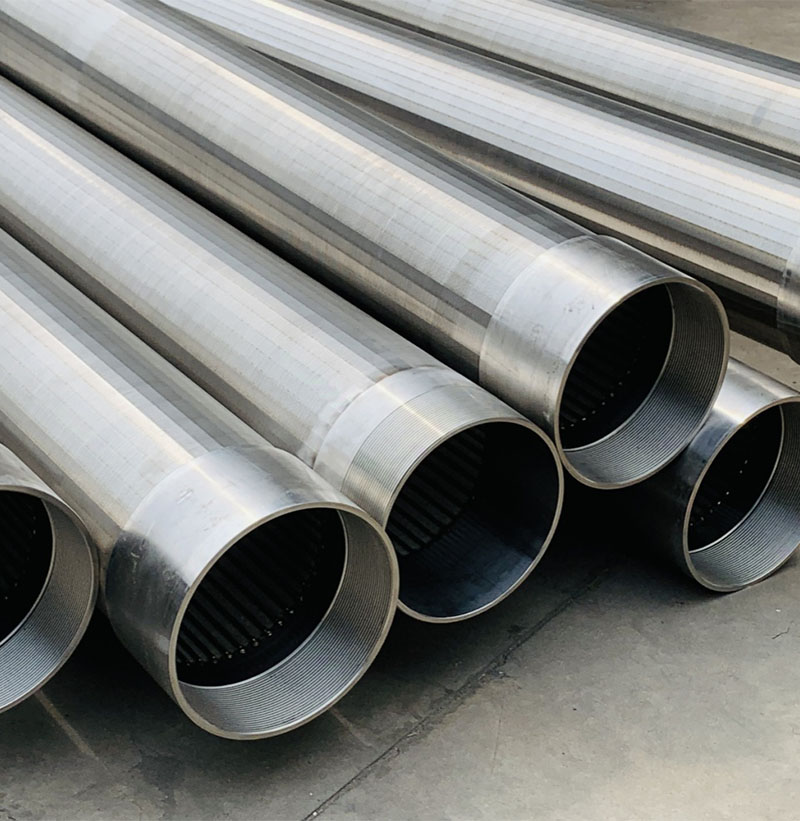
Клиновая провода экран воды
Johnson Deep Water Well Screens, также известные как непрерывные слотовые экраны или проволочные обмоточные экраны, изначально были разработаны для решения проблем контроля песка в мелкозернистых и равномерных песчаных образованиях. Эти геологические условия обычно встречаются в глубоких подземных водоносных горизонтах, где обычные перфорированные трубы часто страдают от забора, чрезмерного производства песка и снижения эффективности скважин.
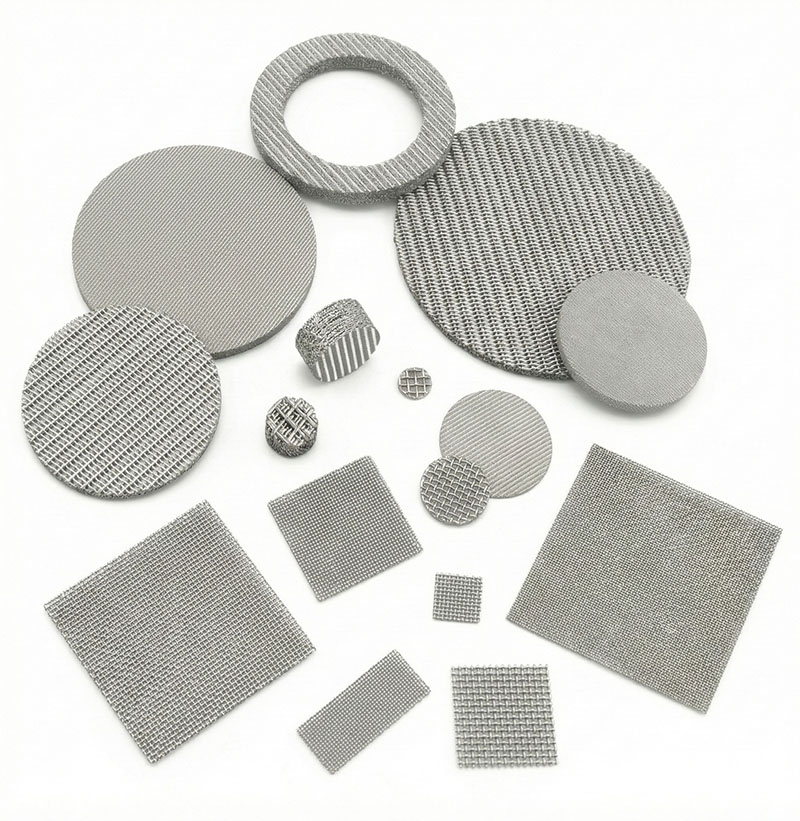
Печеная сетка пластина и диск
Печеные сетчатые пластины и диски являются высокоточными компонентами фильтрации, изготовленными путем соединения нескольких слоев проволочной сетки из нержавеющей стали через специализированный вакуумный процесс спечения. В отличие от традиционной сетки, которая полагается только на механическое плетение, эти пластины сливаются в каждой точке контакта, превращая отдельные проводы в жесткий, интегрированный пористый металлический лист.Эти пластины могут быть настроены на различные формы, чаще всего круглые диски, чтобы соответствовать конкретному промышленному оборудованию. Они предлагают идеальный баланс высокой проницаемости, крайней конструктивной целостности и точных показателей фильтрации. Поскольку они изготовлены полностью из металла (обычно 304 или 316L), они обеспечивают «постоянный» фильтрационный раствор, который может выдерживать высокие температуры и коррозионные химические вещества, оставаясь полностью чистимым и повторно используемым.