
О нас
Ваш эксперт производитель клиновых проводных экранов;
Ваш надежный партнер и источник инноваций
Получите бесплатную котировку
-
Главная

-
Блог
-
Блог промышленности
- Sieve Bend Screen Capacity in Mineral Slurry Applications
Sieve Bend Screen Capacity in Mineral Slurry Applications
-
 автор
автор - 17,Сентябрь
A slurry line can deliver more flow while leaving its discharged solids wetter. For mineral processing teams, that is the difficulty with sieve bend screen capacity: the useful limit depends on the separation achieved, as well as the feed accepted. Understanding how slurry crosses the curved panel helps explain why two screens with similar dimensions can perform differently.
Capacity depends on the separation duty
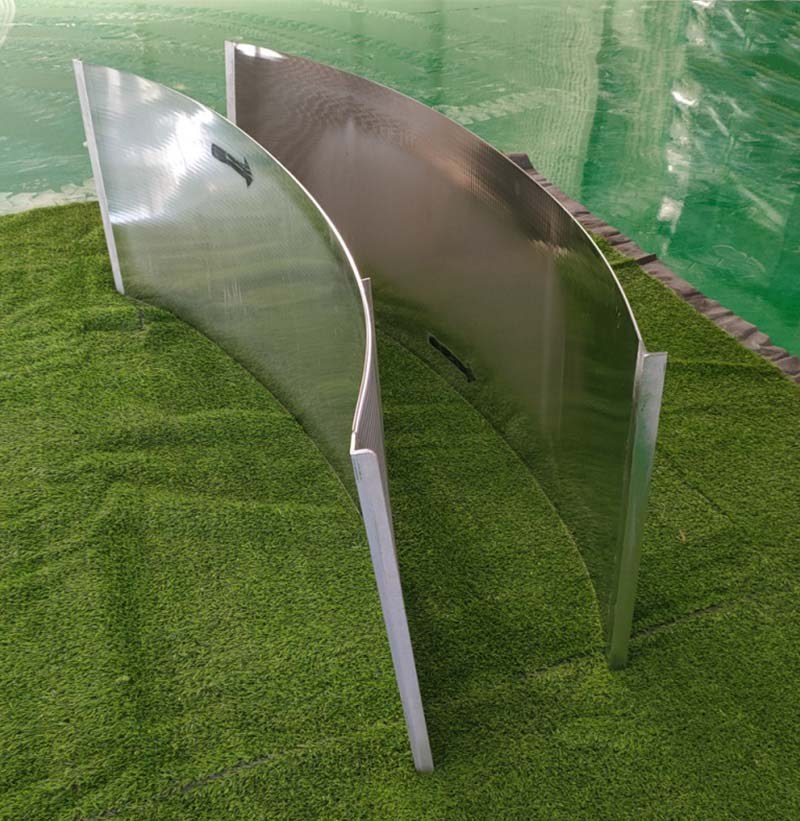
A sieve bend screen removes liquid and some fine particles as slurry travels across its curved surface. Coarser material continues toward the discharge. In tailings pre-dewatering, the useful result is less water accompanying retained solids. In classification, the size distribution of both outgoing streams matters. These duties can produce different capacity limits on the same panel.
Capacity figures need a clear measurement basis. A slurry flow in cubic metres per hour includes liquid and solids; dry tonnes per hour measures only solids. A rating per metre of screen width also differs from the total flow through an assembly. Comparing these figures without their units and feed conditions can create a misleading impression of spare capacity.
Feed distribution controls the width doing the work
The separation mechanism depends on slurry arriving tangentially and spreading across the upper screen. Flow crosses the profile wires and slots, allowing successive wire edges to remove layers of liquid and undersize material. The feed box therefore influences how much of the screen can contribute to separation.
Uneven feeding concentrates the load into a smaller working width. A heavy stream down the centre can coexist with lightly loaded edges. Increasing the total feed in that condition intensifies local loading before the full panel is effectively used. Checking the distribution across the entry lip is a useful first response when discharge becomes unexpectedly wet.
Feed velocity belongs in the same assessment as distribution. A different feed head or gate setting changes how slurry reaches the arc, so a capacity figure established under one inlet condition cannot automatically describe another. A wider replacement panel needs an inlet arrangement that spreads the additional flow across that width.

Solids concentration changes the load behind the flow
Equal slurry volumes can carry very different solids loads. As an illustrative calculation, 100 cubic metres per hour at a measured slurry density of 1.2 tonnes per cubic metre and 20% solids by mass contains 24 dry tonnes per hour. The calculation is volume flow multiplied by slurry density and solids mass fraction; these values are assumptions, not a screen rating.
Particle size distribution also affects the separation that remains achievable at a given feed rate. A stream rich in fine particles behaves differently from a coarser feed, even when both have the same solids percentage. Clay content and slurry flow behaviour deserve attention when operating results change after a change in ore feed.
Dilution changes both sides of the capacity problem. Adding water reduces the solids concentration but increases the liquid volume that must be handled. It should therefore be judged against the measured separation result and downstream water load. A lower solids percentage alone does not establish that the circuit can accept more dry tonnes.

Slots and the curved surface set different limits
Он клиновидная проволочная сетка provides continuous openings between supported profile wires. Slot width and wire width together influence the available drainage area. Opening the slots can increase drainage, but it also changes which particles pass through. A capacity improvement that sends valuable retained material into the undersize stream may undermine the purpose of the screen.
The curved path adds another design variable. Radius and wrap angle determine the developed arc length, while the screen width determines how broadly the feed can spread. Longer arcs can be relevant to feeds with a high solids content. Width, length and slot opening therefore need to be considered together, rather than reduced to one overall panel area.
Mineral slurry duties require the curved geometry to suit the intended classification or dewatering result. BTOSLOT offers stainless steel sieve bends for tailings dewatering, cyclone underflow classification and slurry thickening, with customizable slots. This makes the curved screen a relevant component to assess against the actual feed and separation objective.
A useful capacity check follows both outlet streams
An operating trial establishes sieve bend screen capacity more meaningfully when feed and separation are recorded together. At each stable feed condition, compare the water carried with retained solids and the particles reporting to the undersize. Increasing throughput is useful only while those results remain acceptable for the process.
Screen condition must remain part of that comparison. Deposits can obscure drainage openings, while wear changes the working wire edges. Comparing a clean panel with a worn or partly blinded panel can make a feed change appear responsible for a loss that has another cause. Record panel condition before interpreting the trial.
A representative trial should include the feed variation the plant actually encounters. Keep separate records for materially different solids concentrations or ore conditions instead of averaging them into one reassuring number. The resulting operating range is more useful than a peak flow observed briefly under favourable conditions.
The operating window matters more than peak flow
Useful capacity is the flow a sieve bend can process while preserving its intended separation. Even feeding makes the width available; slurry characteristics determine the load; slots and curvature govern how that load separates. Evaluate those conditions together, then confirm the operating range from both discharge streams before increasing plant throughput.
Часто задаваемые вопросы
What is the capacity of a sieve bend screen?
There is no single capacity for all sieve bends. The applicable figure depends on width, slot opening, wire profile, feed conditions and the required separation. Confirm whether a stated rate refers to slurry volume, dry solids or flow per unit width.
Does doubling screen width double capacity?
Additional width provides more parallel screening surface, but proportional capacity requires comparable loading and effective feed distribution. A narrow inlet stream can leave much of the extra width underused.
Can wider slots increase throughput?
Wider slots can improve drainage, but they also affect particle passage. Check the undersize and retained product before treating increased flow as a process improvement.
Why does capacity fall when the ore feed changes?
Changes in solids concentration, particle sizes and flow behaviour can alter separation at the same volumetric feed rate. Check these alongside feed distribution and panel condition.
Does a static sieve bend need a motor?
The static screen has no driven screening motion; it uses the incoming slurry’s energy and gravity. Pumps or other equipment supplying the feed can still consume power, so the complete circuit is not necessarily energy-free.
Последний пост

Связанные продукты
Лучшие Продукты
Экран крахмала
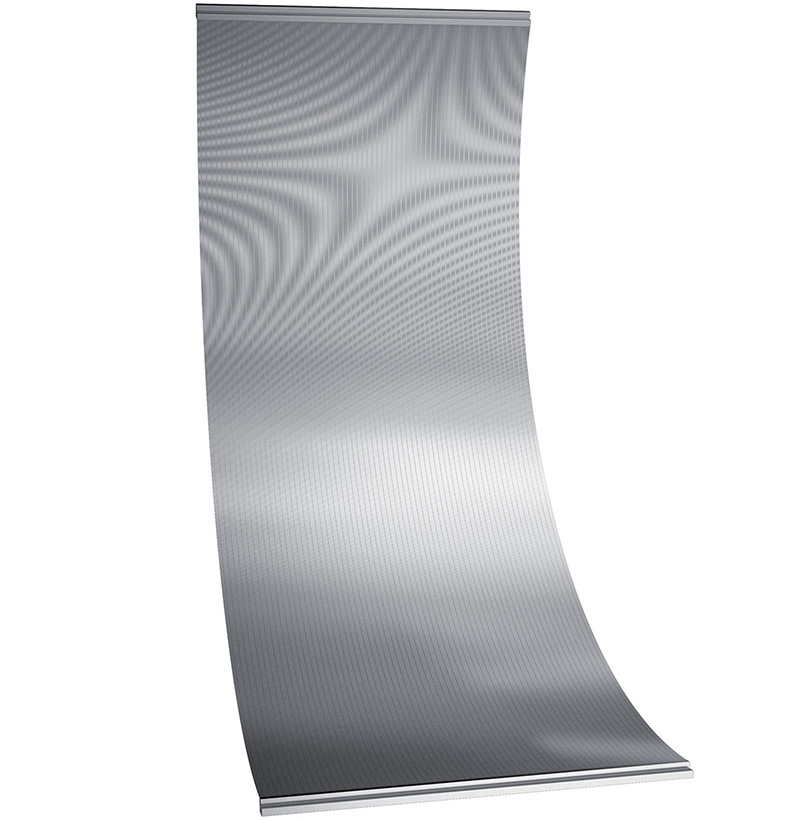
Клиновый проволочный крихмальный экран - это изогнутое скрининговое устройство, специально разработанное для крахмальной промышленности. Он имеет дуговидную поверхность экрана, изготовленную из точно сваренных V-профильных проводов из нержавеющей стали, используя центробежную силу или гравитацию для достижения быстрого обезводнения и классификации крахмальной шламы. Его изогнутая структура продлевает время удержания шламы, улучшая эффективность разделения твердой и жидкой. Он подходит для экстракции крахмала, переработки и процессов восстановления побочных продуктов для крахмала, такого как картофель, кукуруза и манака. Характеризуясь эффективным скринингом, устойчивостью к износу и засорению и простотой обслуживания, это оборудование является ключевым устройством разделения твердого и жидкого в современной обработке крахмала.
Ротарный барабан
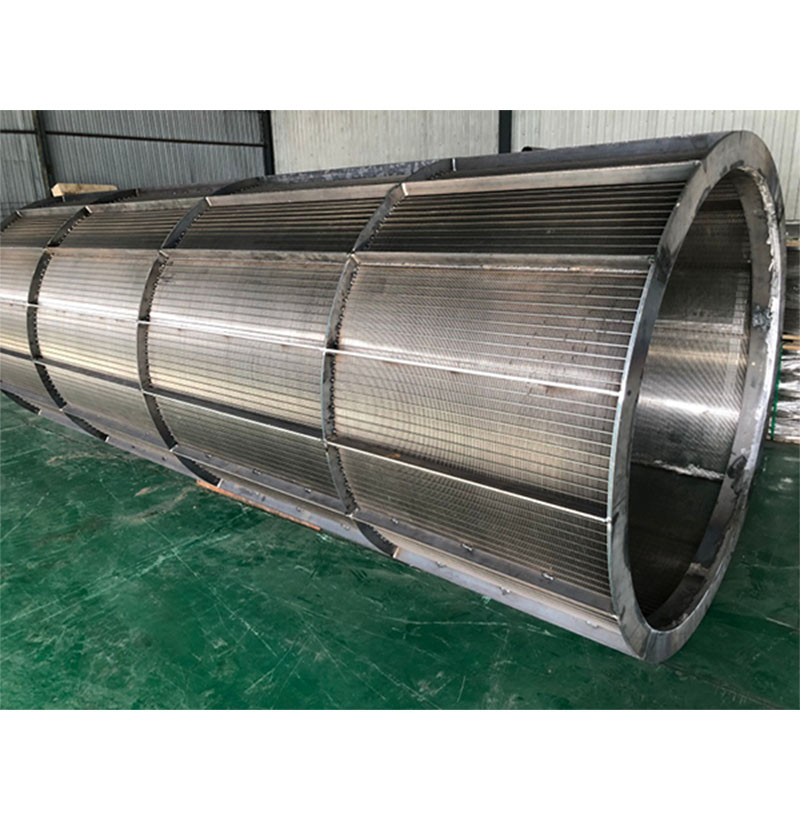
Ротарный барабанный экран из нержавеющей стали (также известный как ротационный барабанный фильтр или микроэкран) - это непрерывно и автоматически работающее переднее устройство разделения твердой и жидкой. Его основной компонентом является большой цилиндрический барабан, установленный горизонтально или с небольшим наклоном. Вся окружность барабана покрыта клиновой проволочной экраном из нержавеющей стали (экран Джонсона). Сточные воды, подлежащие очистке, поступают в один конец барабана. Под гравитацией фильтрат проходит через клиновые слои провода, в то время как твердое подвешенное вещество (например, волокна, волосы, пластиковые куски и мелкие частицы) удерживается на внутренней поверхности барабана. По мере того как барабан медленно вращается, удерживаемый мусор поднимается сверху, где он промывается распылительной водой в сборную воду, обеспечивая непрерывный процесс автоматического скрининга, фильтрации и удаления остатков
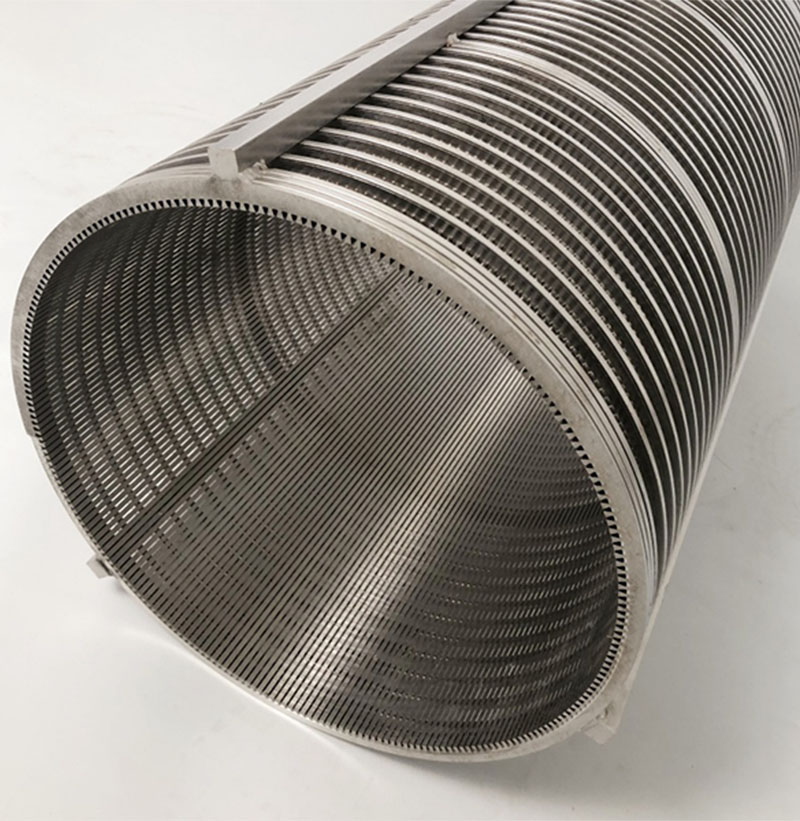
Корзина экрана для винтового сепаратора пресса
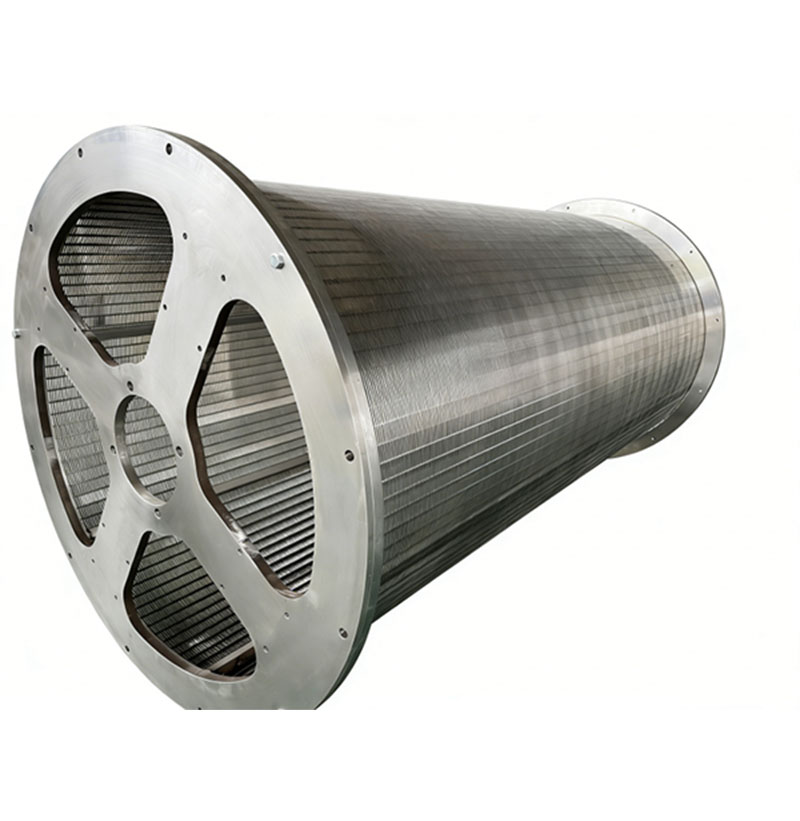
Корзина экрана из нержавеющей стали, обычно известная как "V-проволочный экран", "корзина экрана пресса" или "цилиндр экрана", является основным компонентом винтовых сепараторов твердого и жидкого пресса. Он устанавливается внутри спирального пресса, охватывающего вращающийся винтовый вал. Принцип работы заключается в следующем: сырый шлам с высоким содержанием влаги толкается в корзину экрана винтовым валом. Под давлением и транспортировкой спиральных полетов жидкость (фильтрат) вытесняется через точные непрерывные щелины экранной корзины, в то время как твердый материал (торт с гноем) удерживается внутри и продолжает сжаться и обезводняться, когда он движется вперед. Наконец, обезводненные твердые вещества выбрасываются из выхода, достигая отделения твердой и жидкой.
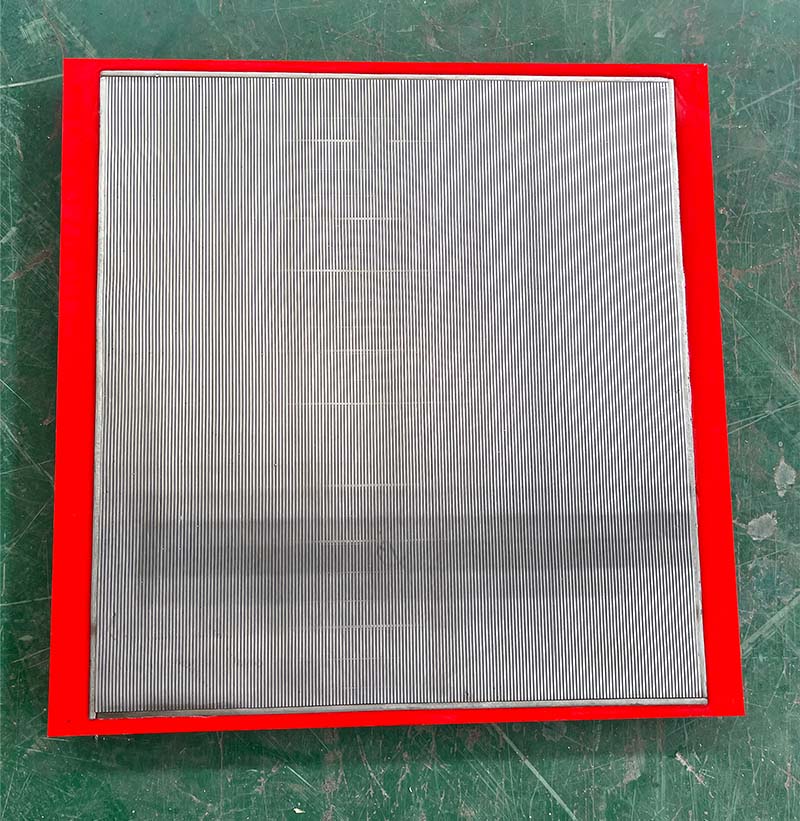
Клиновая провода вибрирующий экран
Вибрационный экран из нержавеющей стали - это устройство разделения твердой и жидкой железы с поверхностью экрана, сделанной путем точной сварки V-образных проводов из нержавеющей стали, интегрированных в систему высокочастотной вибрации. С равномерными слотами, износостойкостью и коррозионной стойкостью он подходит для мокрого скрининга и обезводнения. Вибрационный механизм позволяет быстро рассеивать материал и эффективно ситить, эффективно предотвращая забор экрана. Широко используется в таких отраслях промышленности, как горнодобывающая промышленность, металлургия, пищевая переработка и защита окружающей среды, он особенно подходит для обработки тонких частиц, высоковязких или легко агломерируемых материалов, предлагая такие преимущества, как высокая точность скрининга, большая мощность обработки и длительный срок службы.
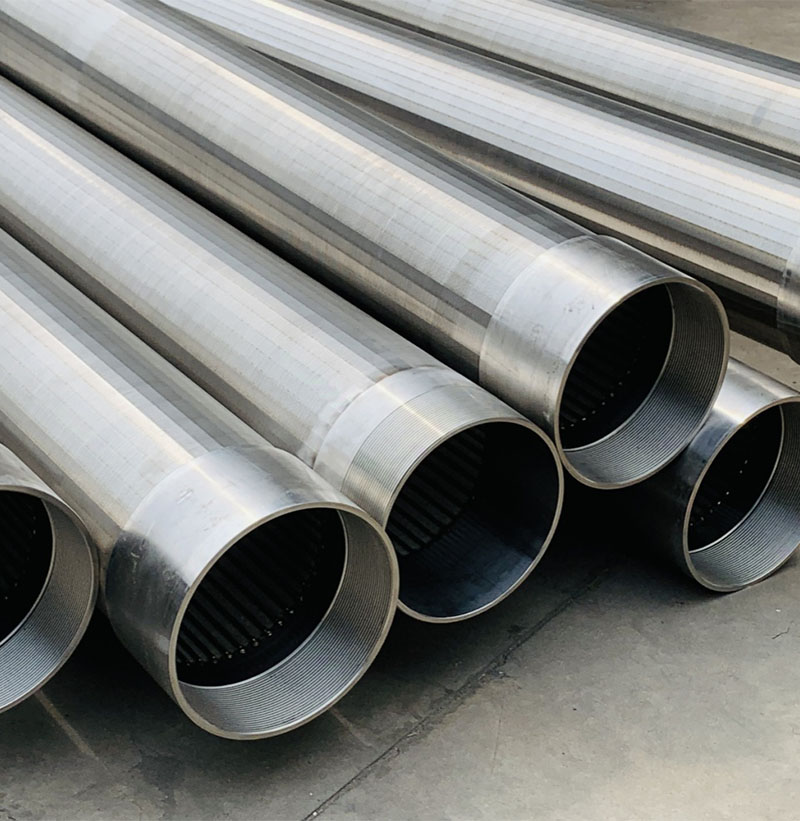
Клиновая провода экран воды
Johnson Deep Water Well Screens, также известные как непрерывные слотовые экраны или проволочные обмоточные экраны, изначально были разработаны для решения проблем контроля песка в мелкозернистых и равномерных песчаных образованиях. Эти геологические условия обычно встречаются в глубоких подземных водоносных горизонтах, где обычные перфорированные трубы часто страдают от забора, чрезмерного производства песка и снижения эффективности скважин.
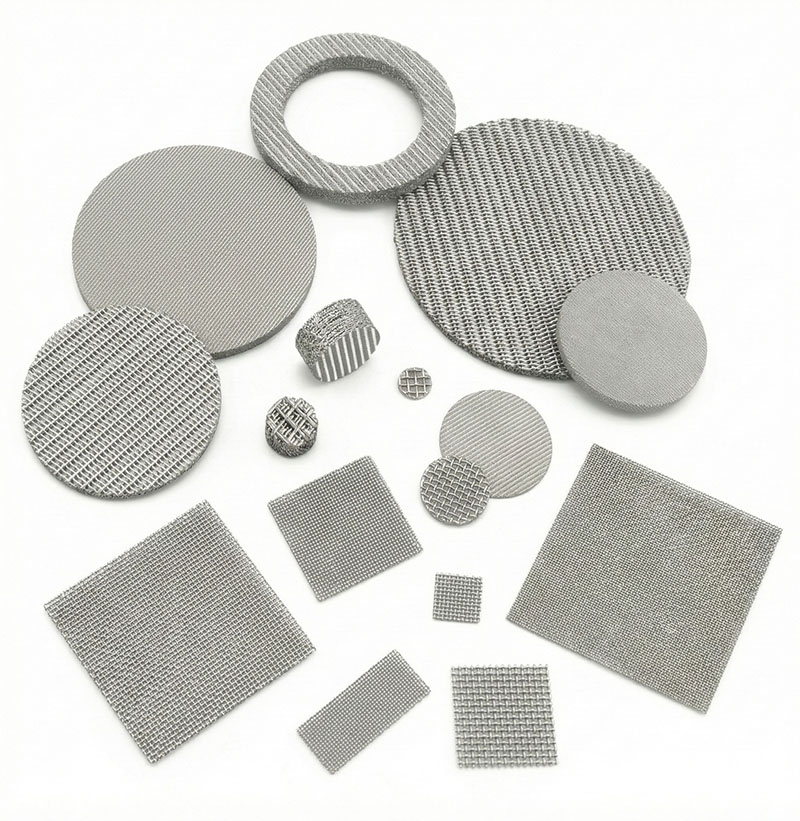
Печеная сетка пластина и диск
Печеные сетчатые пластины и диски являются высокоточными компонентами фильтрации, изготовленными путем соединения нескольких слоев проволочной сетки из нержавеющей стали через специализированный вакуумный процесс спечения. В отличие от традиционной сетки, которая полагается только на механическое плетение, эти пластины сливаются в каждой точке контакта, превращая отдельные проводы в жесткий, интегрированный пористый металлический лист.Эти пластины могут быть настроены на различные формы, чаще всего круглые диски, чтобы соответствовать конкретному промышленному оборудованию. Они предлагают идеальный баланс высокой проницаемости, крайней конструктивной целостности и точных показателей фильтрации. Поскольку они изготовлены полностью из металла (обычно 304 или 316L), они обеспечивают «постоянный» фильтрационный раствор, который может выдерживать высокие температуры и коррозионные химические вещества, оставаясь полностью чистимым и повторно используемым.