
О нас
Ваш эксперт производитель клиновых проводных экранов;
Ваш надежный партнер и источник инноваций
Получите бесплатную котировку
-
Главная

-
Блог
-
Блог промышленности
- Как промышленные решения для промежуточного просеивания повышают коэффициенты извлечения минералов?

Как промышленные решения для промежуточного просеивания повышают коэффициенты извлечения минералов?
-
 автор
автор - 15,Июнь
 автор
автор 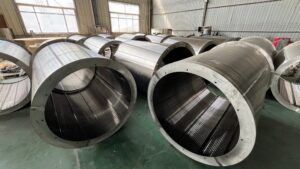
Введение
На золотоперерабатывающих заводах, использующих схемы «уголь в пульпе» или «уголь в выщелачивании», часто упускается из виду один скрытый фактор, снижающий прибыль. Активированный уголь просачивается в отходы обогащения. Каждый грамм угля, попавший в отходы, уносит с собой ценные металлы. Именно здесь на помощь приходят хорошо разработанные промышленные решения для межступенчатого просеивания. Они меняют способ отделения угля от пульпы и одновременно защищают общую прибыль.
Традиционные методы просеивания, такие как перфорированные пластины или тканая сетка, не справляются со специфическими требованиями межступенчатого разделения, поэтому операторы все чаще обращаются к специализированным методам. поставщики клиновидных проволочных сеток Для более надежных альтернатив. Волокнистая структура древесной щепы в целлюлозе создает проблемы. Шероховатая текстура гранулированного активированного угля добавляет проблем. Постоянные перепады давления еще больше усложняют ситуацию для обычных фильтрующих элементов. Операторы сталкиваются с повторяющимися засорами. Они видят потери угля. Они также сталкиваются с неожиданными остановками, которые нарушают производственные планы.
Что делает клиновидную проволочную конструкцию превосходной для удержания углерода?
Клиновидная проволочная сетка отличается от других своей основной формой. Щели с прямыми стенками, как правило, задерживают частицы внутри. V-образный профиль, напротив, обеспечивает самопроизвольное высвобождение. Щель сужается у фильтрующей поверхности и расширяется внутри. Все, что проходит за поверхность, не сталкивается с дополнительными препятствиями. Это предотвращает заклинивание, которое создает проблемы для традиционных сеток.
Для частиц активированного угля размером от 1,0 до 3,35 миллиметров правильно подобранный зазор находится в диапазоне от 0,6 до 1,2 миллиметра. прецизионный проволочный экран обеспечивает практически полное удержание. Процесс проектирования прецизионного сита начинается с тщательного изучения распределения размеров частиц углерода у заказчика. Мелкий углерод размером менее 0,6 миллиметра ведет себя одним образом. Крупный углерод ведет себя иначе. Выбор щели должен точно соответствовать характеристикам материала.
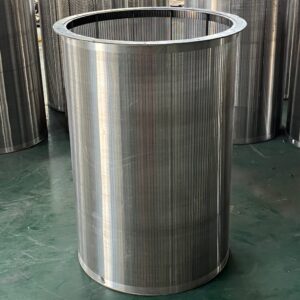
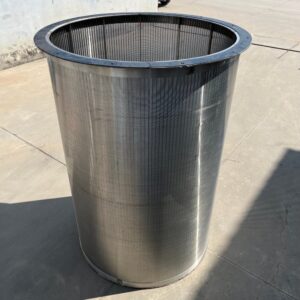
Прочность конструкции обеспечивается контактной сваркой. Каждая проволока профиля соединяется с опорными стержнями без использования каких-либо присадочных материалов. Это образует цельный цилиндр. Он выдерживает механические нагрузки от вращающихся мешалок. Он также справляется с гидравлическим давлением пульпы, протекающей между резервуарами. Отсутствие сварных швов, которые могут треснуть, и отсутствие сетки, которая может ослабнуть, делают эти сита подходящими для круглосуточной работы.
Как процесс изготовления прецизионных сит влияет на производительность
Многие проблемы с ситами возникают не из-за ошибок проектирования, а из-за неравномерности производства. Процесс высокоточного изготовления сит требует строгого контроля на каждом этапе. Проверки сырья подтверждают соответствие нержавеющей стали требуемой марке. Это может быть 304 для стандартного использования, или 316L, если хлориды в технологической воде увеличивают риск коррозии.
Натяжение при намотке должно оставаться абсолютно равномерным. Если машина, наматывающая профильные проволоки на опорные стержни, изменяет натяжение даже на небольшую величину, ширина щелей будет меняться по длине сита. Сито, показывающее 0,8 миллиметра сверху, может сузиться до 0,6 миллиметра снизу. Это создает неравномерное падение давления.
Этап сварки требует точных электрических настроек. Каждая точка сварки должна полностью соединиться, не перегревая проволоку профиля и не оставляя зазоров. Авторитетные компании по производству прецизионных сит проводят постоянный контроль качества в процессе производства. Они используют оптические измерительные системы для подтверждения размеров пазов каждые несколько сантиметров.
После сварки сетки обычно подвергаются пассивации. Этот химический этап восстанавливает коррозионную стойкость. Он удаляет с поверхности следы железа, которые могут начать ржаветь в агрессивных средах. В некоторых случаях требуется электрополировка. Этот этап делает поверхность еще более гладкой. Он уменьшает количество липкого материала, прилипающего к сетке.
Какие преимущества в производительности межступенчатых сит для экономики предприятия дают улучшения?
Очевидные преимущества межступенчатой фильтрации выходят далеко за рамки простого удержания частиц. Когда углерод остается в нужном месте внутри адсорбционной цепи, извлечение золота напрямую возрастает. Увеличение извлечения всего на один процентный пункт на предприятии среднего размера означает существенный дополнительный доход каждый год.
Сокращение времени простоя на техническое обслуживание — еще одно важное преимущество. Традиционные сита, забивающиеся угольной пылью или древесными волокнами, требуют регулярного демонтажа для очистки или замены. клиновидная проволока, межступенчатый экран Предотвращает засорение. Его V-образные пазы самоочищаются во время нормальной работы. Гладкая внутренняя поверхность позволяет скребкам или системам обратной промывки эффективно удалять накопившиеся отложения.
При правильном выборе сита износ углеродного волокна заметно снижается. Когда частицы углерода трутся об острые края или застревают в щелях различного размера, они образуют мелкую фракцию. Эта мелкая фракция уносит золото и загрязняет последующие этапы процесса. Гладкая поверхность проволоки уменьшает этот шероховатый контакт и поддерживает углеродное волокно в хорошем состоянии на протяжении многих циклов адсорбции.
Увеличение срока службы напрямую влияет на операционные расходы. Перфорированная пластинчатая сетка может потребовать замены каждые несколько месяцев. Качественная клиновидная проволочная сетка часто служит годами. Цельносварная конструкция исключает попадание незакрепленных проволок в технологический поток и повреждение насосов или клапанов.
Почему правильный выбор пазов и материалов недопустимы.
Для выбора правильного размера щелей необходимо знать характеристики используемого активированного угля. Большинство установок работают с углем, прошедшим несколько циклов элюирования и регенерации. Это означает, что частицы не идеально круглые и не однородные. Специальная конструкция прецизионного сита учитывает это различие. Она устанавливает щели, которые задерживают мельчайшие частицы, которые могут появиться. В то же время она обеспечивает достаточный поток пульпы.
Расход также должен влиять на выбор размера щелей. Сетка с очень узкими щелями приводит к большему падению давления. Это может снизить общую производительность. Наилучшая конструкция обеспечивает баланс между эффективностью удержания и гидравлической пропускной способностью. Инженеры рассчитывают процент открытой площади и ожидаемое падение давления. Расчеты основаны на вязкости суспензии, содержании твердых частиц и доступном напоре насоса.
Выбор материала становится важным, когда условия технологического процесса становятся жесткими. Хлориды в воде разрушают обычную нержавеющую сталь. Это особенно часто происходит в прибрежных шахтах или шахтах, использующих соленую воду. Дуплексные марки, такие как 2205 или супердуплекс, обеспечивают лучшую устойчивость к коррозионному растрескиванию под воздействием хлоридов. Для очень агрессивных сред наибольшую защиту обеспечивают высоконикелевые сплавы, такие как Hastelloy. Однако их начальная стоимость выше.
Компания BTOSLOT поставляла клиновидные проволочные сита предприятиям, сталкивающимся с аналогичными проблемами. В одной из установок, перерабатывающих руду с высоким содержанием хлоридов, замена нержавеющей стали 304 на 316L увеличила срок службы сит с трех месяцев до более чем двух лет. Это позволило исключить незапланированные простои. Кроме того, это значительно сократило затраты на замену.
Как оценить возможности поставщика критически важных фильтрационных компонентов
Сотрудничество с производителем, который разбирается как в технологиях просеивания, так и в специфике переработки полезных ископаемых, создает реальную ценность. Узнайте об их сертификатах качества. Сертификат ISO 9001 свидетельствует об организованной системе управления качеством. Запросите сертификаты испытаний материалов. Они подтверждают состав сплавов для каждой производственной партии.
Расскажите об их методах тестирования. Проверяют ли они каждый экран перед отправкой? Какие допуски они соблюдают в отношении размеров пазов? Надежные поставщики предоставят отчеты о проверке. Они также могут предложить варианты неразрушающего контроля для важных применений.
Подумайте об их возможностях в области инженерной поддержки. Лучшие решения для промышленных межступенчатых сит предлагаются поставщиками, которые уделяют время изучению конкретных условий вашего технологического процесса. Они рекомендуют подходящие технические характеристики, а не просто принимают заказы на стандартные размеры. Такой метод позволяет избежать несоответствий, приводящих к неудовлетворительным результатам.
Вывод
Промежуточный грохот с клиновидной проволокой — это проверенная технология. Он напрямую решает основные проблемы удержания углерода при переработке золота. Правильная геометрия щелей в сочетании с высокоточным изготовлением. Выбор материала соответствует условиям процесса. Вместе эти элементы помогают горнодобывающим компаниям достигать более высоких показателей извлечения. Они также сокращают время простоя и снижают эксплуатационные расходы. Содержание руды продолжает снижаться по всему миру. Каждое повышение эффективности имеет значение. Инвестиции в правильно разработанные решения для грохота приносят отдачу, которая сразу же отражается в отчете о производстве.
Часто задаваемые вопросы
Какую гарантию предоставляет компания BTOSLOT на промышленные межступенчатые экранирующие решения?
Компания BTOSLOT предоставляет полную гарантию. Она распространяется на производственные дефекты материалов и качества изготовления в течение двенадцати месяцев с момента отгрузки. Эта гарантия не распространяется на естественный износ, вызванный абразивными или коррозионными условиями эксплуатации. Тем не менее, компания дает рекомендации по ожидаемому сроку службы, основываясь на опыте применения в аналогичных условиях.
Как я могу получить расценки на разработку прецизионного сита на заказ для моей системы CIP?
Для запроса коммерческого предложения необходимо предоставить подробную информацию о вашем технологическом процессе. Это включает в себя размеры резервуара, желаемый расход, тип и диапазон размеров активированного угля, характеристики суспензии, а также любые проблемы, связанные с коррозией. Инженеры BTOSLOT изучают эти данные. Обычно они предоставляют информацию о ценах и сроках поставки в течение двух-трех рабочих дней.
Какой размер паза следует указать для крепления углеродного волокна толщиной 1,0 миллиметр?
Для частиц активированного угля номинальным размером 1,0 миллиметра обычно обеспечивается надежная фиксация частиц шириной щели от 0,4 до 0,6 миллиметра. Это позволяет избежать чрезмерного падения давления. Окончательный выбор зависит от равномерности подачи угля. Также учитывается, происходит ли разрушение частиц во время регенерации.
Могут ли компании, предоставляющие услуги по изготовлению высокоточных сит, производить сита для резервуаров нестандартных размеров?
Да. Производственный процесс позволяет изготавливать изделия нестандартных диаметров от 800 до 2000 миллиметров. Также возможна изготовление изделий нестандартной длины по мере необходимости. Конструкция фланцев, способы соединения и положение усиливающих колец могут быть скорректированы в соответствии с существующей компоновкой резервуаров. Никаких изменений в вашем оборудовании не требуется.
Как очистить сетку с клиновидной проволокой, на которой скопился известковый налет?
Накипь или минеральные отложения реагируют на слабую кислотную промывку. Используйте растворы, подходящие для нержавеющей стали. Обычно достаточно лимонной или фосфорной кислоты умеренной концентрации. Не используйте соляную кислоту. Она может повредить пассивный слой. После очистки тщательно промойте. Затем нанесите соответствующую нейтрализацию. Это восстановит полную работоспособность экрана.
Последний пост
Связанные продукты
Лучшие Продукты
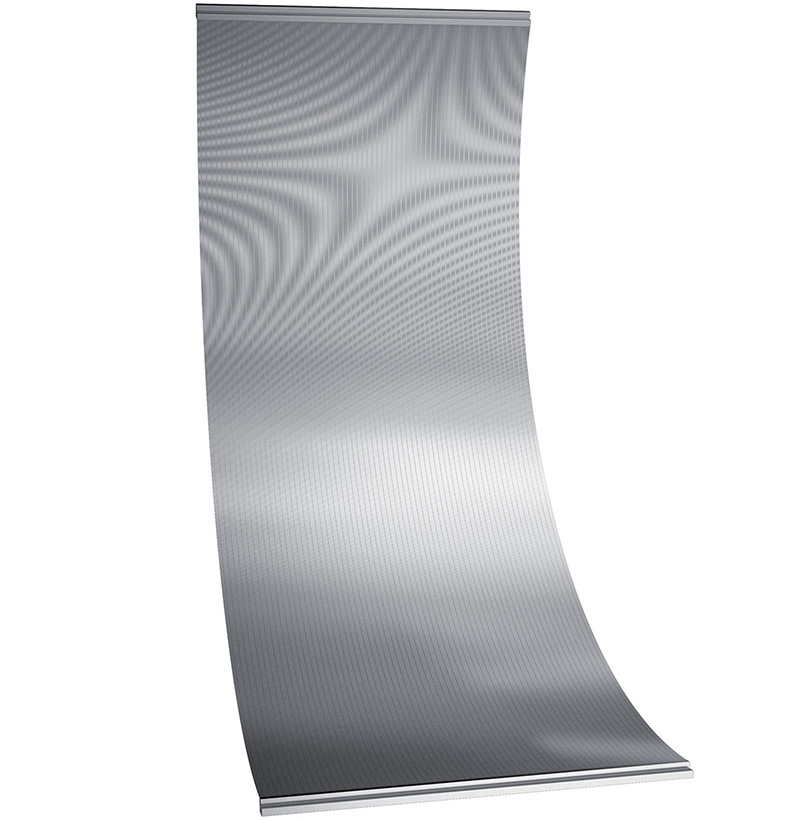
Экран крахмала
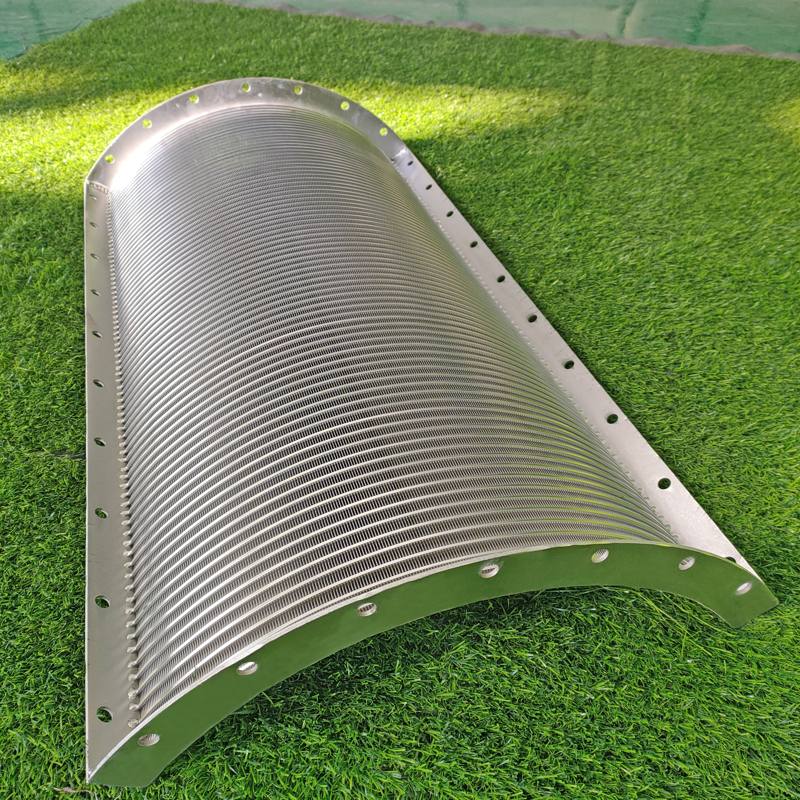
Клиновый проволочный крихмальный экран - это изогнутое скрининговое устройство, специально разработанное для крахмальной промышленности. Он имеет дуговидную поверхность экрана, изготовленную из точно сваренных V-профильных проводов из нержавеющей стали, используя центробежную силу или гравитацию для достижения быстрого обезводнения и классификации крахмальной шламы. Его изогнутая структура продлевает время удержания шламы, улучшая эффективность разделения твердой и жидкой. Он подходит для экстракции крахмала, переработки и процессов восстановления побочных продуктов для крахмала, такого как картофель, кукуруза и манака. Характеризуясь эффективным скринингом, устойчивостью к износу и засорению и простотой обслуживания, это оборудование является ключевым устройством разделения твердого и жидкого в современной обработке крахмала.
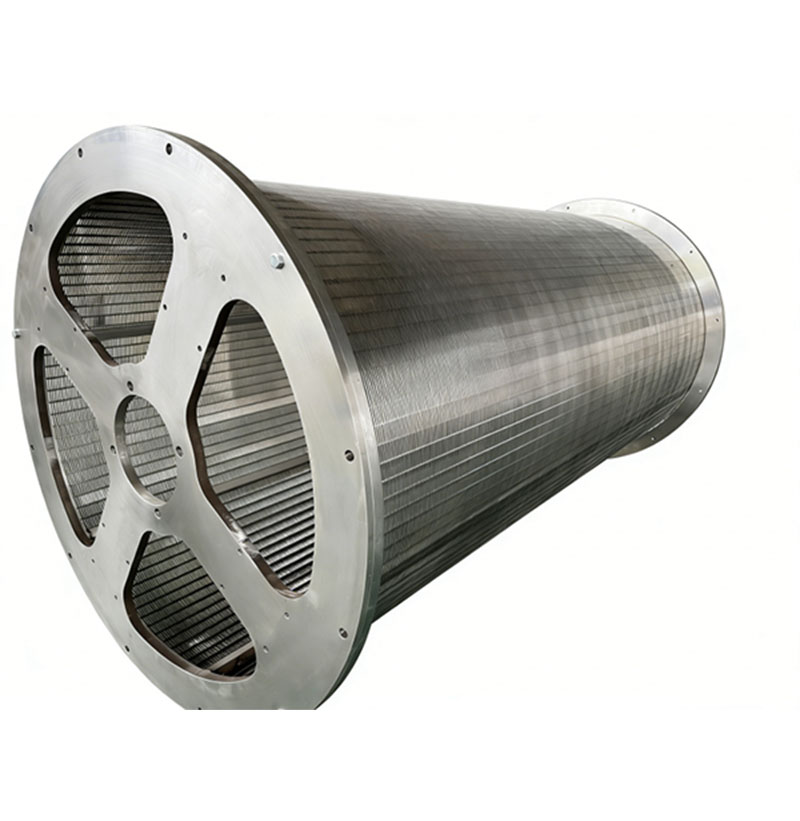
Ротарный барабан
Ротарный барабанный экран из нержавеющей стали (также известный как ротационный барабанный фильтр или микроэкран) - это непрерывно и автоматически работающее переднее устройство разделения твердой и жидкой. Его основной компонентом является большой цилиндрический барабан, установленный горизонтально или с небольшим наклоном. Вся окружность барабана покрыта клиновой проволочной экраном из нержавеющей стали (экран Джонсона). Сточные воды, подлежащие очистке, поступают в один конец барабана. Под гравитацией фильтрат проходит через клиновые слои провода, в то время как твердое подвешенное вещество (например, волокна, волосы, пластиковые куски и мелкие частицы) удерживается на внутренней поверхности барабана. По мере того как барабан медленно вращается, удерживаемый мусор поднимается сверху, где он промывается распылительной водой в сборную воду, обеспечивая непрерывный процесс автоматического скрининга, фильтрации и удаления остатков
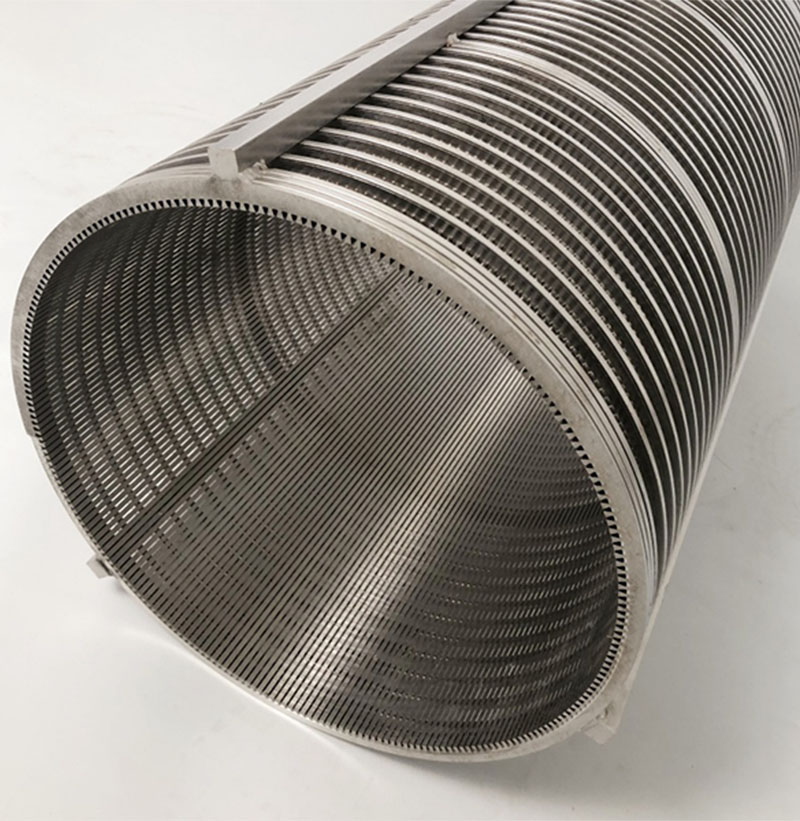
Корзина экрана для винтового сепаратора пресса
Корзина экрана из нержавеющей стали, обычно известная как "V-проволочный экран", "корзина экрана пресса" или "цилиндр экрана", является основным компонентом винтовых сепараторов твердого и жидкого пресса. Он устанавливается внутри спирального пресса, охватывающего вращающийся винтовый вал. Принцип работы заключается в следующем: сырый шлам с высоким содержанием влаги толкается в корзину экрана винтовым валом. Под давлением и транспортировкой спиральных полетов жидкость (фильтрат) вытесняется через точные непрерывные щелины экранной корзины, в то время как твердый материал (торт с гноем) удерживается внутри и продолжает сжаться и обезводняться, когда он движется вперед. Наконец, обезводненные твердые вещества выбрасываются из выхода, достигая отделения твердой и жидкой.
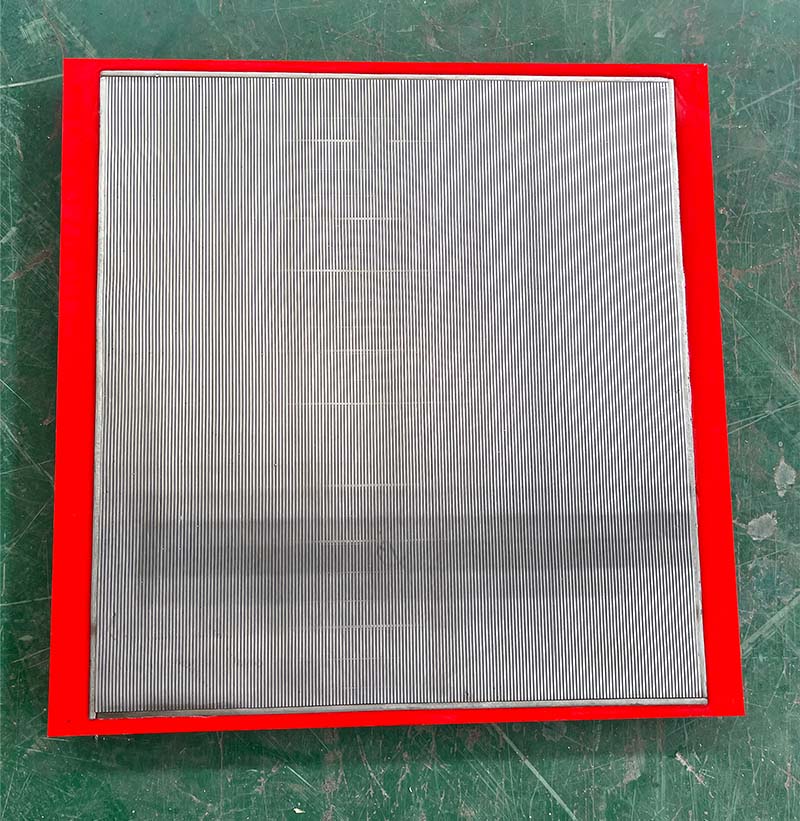
Клиновая провода вибрирующий экран
Вибрационный экран из нержавеющей стали - это устройство разделения твердой и жидкой железы с поверхностью экрана, сделанной путем точной сварки V-образных проводов из нержавеющей стали, интегрированных в систему высокочастотной вибрации. С равномерными слотами, износостойкостью и коррозионной стойкостью он подходит для мокрого скрининга и обезводнения. Вибрационный механизм позволяет быстро рассеивать материал и эффективно ситить, эффективно предотвращая забор экрана. Широко используется в таких отраслях промышленности, как горнодобывающая промышленность, металлургия, пищевая переработка и защита окружающей среды, он особенно подходит для обработки тонких частиц, высоковязких или легко агломерируемых материалов, предлагая такие преимущества, как высокая точность скрининга, большая мощность обработки и длительный срок службы.
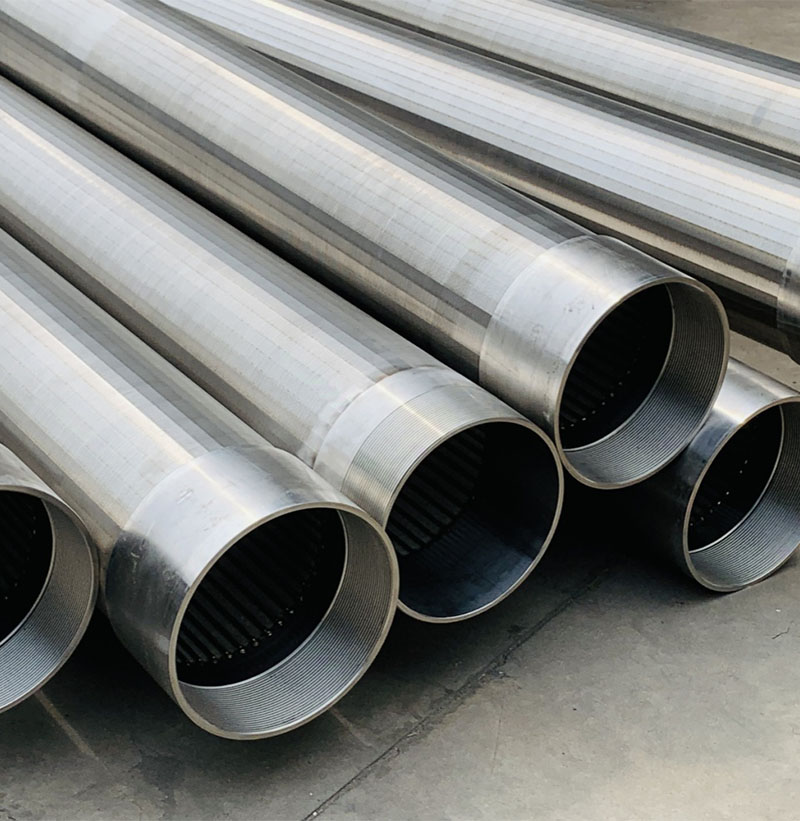
Клиновая провода экран воды
Johnson Deep Water Well Screens, также известные как непрерывные слотовые экраны или проволочные обмоточные экраны, изначально были разработаны для решения проблем контроля песка в мелкозернистых и равномерных песчаных образованиях. Эти геологические условия обычно встречаются в глубоких подземных водоносных горизонтах, где обычные перфорированные трубы часто страдают от забора, чрезмерного производства песка и снижения эффективности скважин.
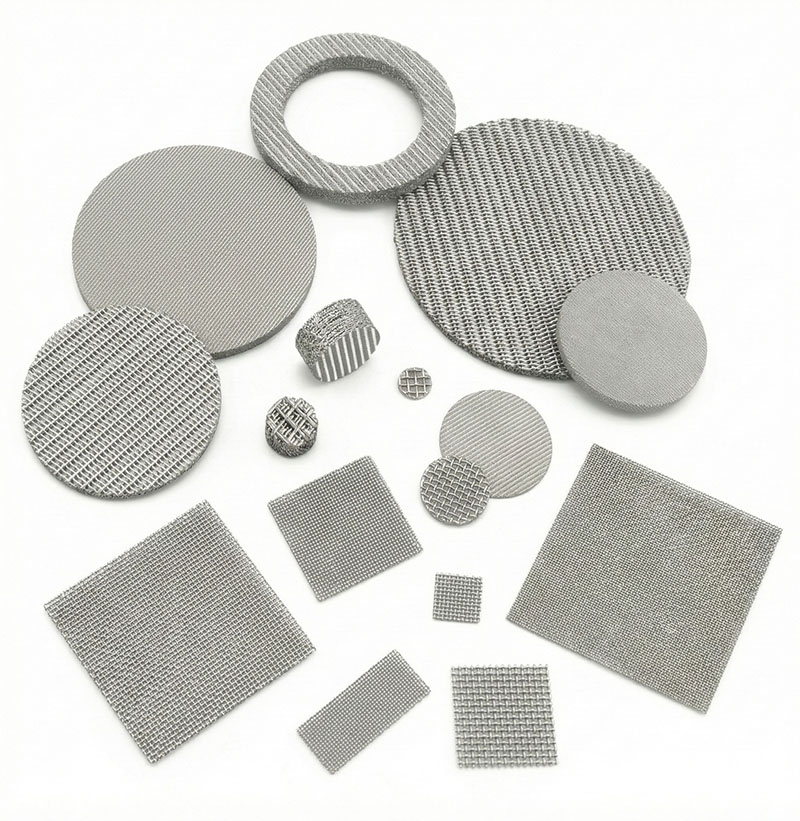
Печеная сетка пластина и диск
Печеные сетчатые пластины и диски являются высокоточными компонентами фильтрации, изготовленными путем соединения нескольких слоев проволочной сетки из нержавеющей стали через специализированный вакуумный процесс спечения. В отличие от традиционной сетки, которая полагается только на механическое плетение, эти пластины сливаются в каждой точке контакта, превращая отдельные проводы в жесткий, интегрированный пористый металлический лист.Эти пластины могут быть настроены на различные формы, чаще всего круглые диски, чтобы соответствовать конкретному промышленному оборудованию. Они предлагают идеальный баланс высокой проницаемости, крайней конструктивной целостности и точных показателей фильтрации. Поскольку они изготовлены полностью из металла (обычно 304 или 316L), они обеспечивают «постоянный» фильтрационный раствор, который может выдерживать высокие температуры и коррозионные химические вещества, оставаясь полностью чистимым и повторно используемым.