
Über uns
Ihr Experte Hersteller von Wedge Wire Screens;
Ihr zuverlässiger Partner und Innovationsquelle
Erhalten Sie ein kostenloses Angebot
-
Startseite

-
Blog
-
Branchenblog
- Wie steigern industrielle Zwischensieblösungen die Mineralgewinnungsraten?

Wie steigern industrielle Zwischensieblösungen die Mineralgewinnungsraten?
-
 Autor
Autor - 15,Juni
 Autor
Autor 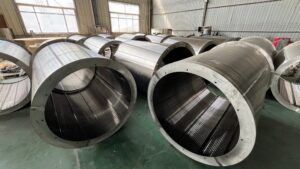
Einführung
In Goldaufbereitungsanlagen, die mit Carbon-in-Pulp- oder Carbon-in-Leach-Verfahren arbeiten, wird ein oft übersehener Faktor, der die Gewinne schmälert, häufig vernachlässigt: Aktivkohle gelangt in die Abraumhalden. Jedes Gramm Kohlenstoff, das verloren geht, birgt wertvolle Metalle in sich. Hier kommen gut konzipierte industrielle Zwischensiebsysteme ins Spiel. Sie verändern die Art und Weise, wie Bergleute Kohlenstoff von der Schlammschicht trennen, und sichern gleichzeitig die Gesamtrentabilität.
Herkömmliche Siebverfahren wie Lochbleche oder Gewebesiebe stoßen bei der Zwischenstufentrennung an ihre Grenzen, weshalb Betreiber zunehmend auf spezialisierte Verfahren zurückgreifen. Lieferanten von Keildrahtsieben Für zuverlässigere Alternativen werden Alternativen benötigt. Die faserige Struktur von Holzspänen im Zellstoff bereitet Probleme. Die raue Textur von körniger Aktivkohle verschärft die Schwierigkeiten zusätzlich. Ständige Druckschwankungen erschweren die Situation für herkömmliche Filterkomponenten. Die Bediener haben mit wiederholten Verstopfungen und Kohlenstoffverlusten zu kämpfen. Zudem müssen sie mit unerwarteten Produktionsausfällen rechnen, die die Produktionspläne durcheinanderbringen.
Warum ist die Keildrahtkonstruktion für die Kohlenstoffrückhaltung so überlegen?
Das Keildrahtsieb unterscheidet sich von anderen Sieben durch seine Grundform. Schlitze mit geraden Seiten neigen dazu, Partikel zurückzuhalten. Das V-förmige Profil hingegen bewirkt eine Selbstentriegelung. Der Schlitz verjüngt sich zur Filterfläche hin und weitet sich nach innen. Alles, was die Oberfläche passiert, stößt nicht auf zusätzliche Hindernisse. Dadurch wird die Keilwirkung verhindert, die bei herkömmlichen Sieben Probleme verursacht.
Für Aktivkohlepartikel mit einer Größe von 1,0 bis 3,35 Millimetern ist ein korrekt gewählter Schlitz zwischen 0,6 und 1,2 Millimetern auf der Präzisionsdrahtsieb Gewährleistet nahezu vollständige Rückhaltung. Die Entwicklung des kundenspezifischen Präzisionssiebs beginnt mit einer genauen Analyse der Kohlenstoffpartikelgrößenverteilung des Kunden. Feiner Kohlenstoff unter 0,6 Millimetern verhält sich anders als grober Kohlenstoff. Die Schlitzwahl muss exakt auf die Materialeigenschaften abgestimmt sein.
Die strukturelle Festigkeit wird durch Widerstandsschweißen erreicht. Jeder Profildraht wird ohne Zusatzwerkstoffe mit Stützstäben verbunden. So entsteht ein massiver Zylinder. Dieser hält der mechanischen Belastung durch rotierende Rührwerke stand und meistert zudem den hydraulischen Druck der zwischen den Tanks fließenden Suspension. Da keine Schweißnähte reißen und kein Siebgewebe sich lösen könnte, eignen sich diese Siebe ideal für den Dauerbetrieb (24/7).
Wie sich der Herstellungsprozess von Präzisionssieben auf die Leistung auswirkt
Viele Probleme mit Sieben entstehen nicht durch Konstruktionsfehler, sondern durch Fertigungsungenauigkeiten. Der Herstellungsprozess von Präzisionssieben erfordert daher in jedem Schritt eine strenge Überwachung. Die Prüfung der Rohmaterialien stellt sicher, dass der Edelstahl der geforderten Güteklasse entspricht. Im Standardfall ist dies beispielsweise Edelstahl 304. Bei chloridhaltigem Prozesswasser, das das Korrosionsrisiko erhöht, kann jedoch Edelstahl 316L erforderlich sein.
Die Wickelspannung muss absolut gleichmäßig sein. Verändert die Maschine, die die Profildrähte um die Stützstangen wickelt, die Spannung auch nur geringfügig, variieren die Schlitzbreiten entlang der Sieblänge. Ein Sieb, das oben 0,8 Millimeter anzeigt, kann sich unten auf 0,6 Millimeter verjüngen. Dies führt zu einem ungleichmäßigen Druckabfall.
Der Schweißvorgang erfordert exakte elektrische Einstellungen. Jede Schweißstelle muss vollständig verbunden sein, ohne dass der Profildraht durchbrennt oder Lücken entstehen. Renommierte Hersteller von Präzisionssieben führen während der Produktion kontinuierliche Qualitätskontrollen durch. Sie verwenden optische Messsysteme, um die Schlitzgrößen alle paar Zentimeter zu überprüfen.
Nach dem Schweißen werden Siebe üblicherweise passiviert. Dieser chemische Schritt stellt die Korrosionsbeständigkeit wieder her. Er entfernt Eisenreste von der Oberfläche, die unter aggressiven Schweißbedingungen zu Rost führen könnten. Für manche Anwendungen ist eine Elektropolierung erforderlich. Dieser Schritt macht die Oberfläche noch glatter und reduziert die Anhaftung von klebrigen Substanzen.
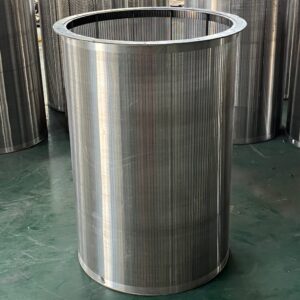
Welche Vorteile die Zwischenstufen-Siebleistung für die Wirtschaftlichkeit der Anlage bietet
Die deutlichen Vorteile der Zwischenstufen-Siebleistung gehen weit über die reine Partikelrückhaltung hinaus. Bleibt der Kohlenstoff im Adsorptionskreislauf an der richtigen Stelle, steigt die Goldausbeute direkt. Eine Steigerung der Ausbeute um einen Prozentpunkt bedeutet in einer mittelgroßen Anlage jährlich einen beachtlichen Mehrertrag.
Weniger Wartungsausfallzeiten sind ein weiterer wichtiger Vorteil. Herkömmliche Siebe, die sich mit Kohlenstoffablagerungen oder Holzfasern zusetzen, müssen regelmäßig zur Reinigung oder zum Austausch ausgebaut werden. Zwischenbühnen-Keildraht-Schirm Verhindert Verstopfungen. Die V-förmigen Schlitze reinigen sich im normalen Betrieb selbst. Die glatte Innenfläche ermöglicht es Abstreifern oder Rückspülsystemen, Ablagerungen effektiv zu entfernen.
Der Kohlenstoffabrieb lässt sich durch die richtige Wahl des Siebs deutlich reduzieren. Wenn Kohlenstoffpartikel an scharfen Kanten reiben oder sich in Schlitzen unterschiedlicher Größe verfangen, entstehen feine Partikel. Diese Kohlenstoffpartikel tragen Gold ab und verunreinigen zudem nachfolgende Prozessschritte. Die glatte Oberfläche des Siebs minimiert diesen rauen Kontakt und sorgt dafür, dass der Kohlenstoff über viele Adsorptionszyklen hinweg in gutem Zustand bleibt.
Eine längere Lebensdauer wirkt sich direkt auf die Betriebskosten aus. Ein Lochblechsieb muss unter Umständen alle paar Monate ausgetauscht werden. Ein hochwertiges Keildrahtsieb hingegen hält oft jahrelang. Die vollständig verschweißte Konstruktion verhindert, dass lose Drähte in den Prozessstrom gelangen und Pumpen oder Ventile beschädigen.
Warum bei der Auswahl der richtigen Schlitze und des passenden Materials keine Kompromisse eingegangen werden dürfen
Die Wahl der richtigen Siebschlitzgröße erfordert Kenntnisse über die Art des verwendeten Kohlenstoffs. Die meisten Anlagen arbeiten mit Kohlenstoff, der mehrere Elutions- und Regenerationszyklen durchlaufen hat. Dadurch sind die Partikel nicht perfekt rund oder gleichmäßig. Ein kundenspezifisches Präzisionssiebdesign berücksichtigt diese Variation. Es definiert Schlitze, die die kleinsten auftretenden Partikel zurückhalten und gleichzeitig einen ausreichenden Schlammdurchfluss ermöglichen.
Die Durchflussrate beeinflusst auch die Wahl der Schlitzgröße. Ein Sieb mit sehr engen Schlitzen führt zu einem höheren Druckverlust, was den Gesamtdurchsatz verringern kann. Die optimale Konstruktion bietet ein ausgewogenes Verhältnis zwischen Rückhalteeffizienz und hydraulischer Kapazität. Ingenieure berechnen den prozentualen Anteil der offenen Fläche und den zu erwartenden Druckverlust. Die Berechnungen basieren auf der Viskosität der Suspension, dem Feststoffgehalt und der verfügbaren Förderhöhe der Pumpe.
Die Materialwahl wird entscheidend, wenn die Prozessbedingungen rau werden. Chloride im Wasser greifen Standard-Edelstahl an. Dies tritt insbesondere in Küstenbergwerken oder solchen auf, die Salzwasser verwenden. Duplex-Stähle wie 2205 oder Superduplex bieten eine bessere Beständigkeit gegen Spannungsrisskorrosion durch Chloride. Für stark korrosive Umgebungen bieten hochlegierte Nickellegierungen wie Hastelloy den höchsten Schutz. Sie sind jedoch mit höheren Anschaffungskosten verbunden.
BTOSLOT hat Keildrahtsiebe an Anlagen geliefert, die mit denselben Problemen zu kämpfen haben. In einer Anlage zur Verarbeitung von chloridreichem Erz verlängerte der Wechsel von Edelstahl 304 zu 316L die Siebstandzeit von drei Monaten auf über zwei Jahre. Dadurch wurden ungeplante Ausfallzeiten vermieden und die Ersatzteilkosten erheblich gesenkt.
Wie man die Leistungsfähigkeit von Lieferanten für kritische Filtrationskomponenten bewertet
Die Zusammenarbeit mit einem Hersteller, der sowohl über fundierte Kenntnisse in der Siebtechnik als auch in der spezifischen Mineralaufbereitungsanwendung verfügt, schafft echten Mehrwert. Erkundigen Sie sich nach den Qualitätszertifizierungen. ISO 9001 belegt ein organisiertes Qualitätsmanagement. Verlangen Sie Materialprüfzeugnisse. Diese bestätigen die Legierungszusammensetzung jeder Produktionscharge.
Sprechen Sie über ihre Testmethoden. Prüfen sie jeden Bildschirm vor dem Versand? Welche Toleranzen halten sie bei den Schlitzabmessungen ein? Vertrauenswürdige Lieferanten stellen Inspektionsberichte zur Verfügung. Sie können auch zerstörungsfreie Prüfverfahren für wichtige Anwendungen vorschlagen.
Berücksichtigen Sie deren technische Unterstützung. Die besten industriellen Zwischensieblösungen stammen von Anbietern, die sich die Zeit nehmen, Ihre genauen Prozessbedingungen zu analysieren. Sie empfehlen passende Spezifikationen, anstatt einfach nur Standardgrößen zu bestellen. Diese Vorgehensweise vermeidet Fehlanpassungen, die zu unbefriedigenden Ergebnissen führen.
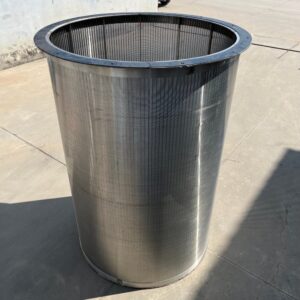
Schlussfolgerung
Das Keildraht-Zwischensieb hat sich als bewährte Technologie erwiesen. Es begegnet direkt den Hauptproblemen der Kohlenstoffrückhaltung bei der Goldgewinnung. Die optimale Schlitzgeometrie in Kombination mit präziser Fertigung und die auf die Prozessbedingungen abgestimmte Materialauswahl tragen dazu bei, dass Bergbauunternehmen höhere Ausbeuten erzielen. Zudem reduzieren sie Ausfallzeiten und senken die Betriebskosten. Weltweit sinken die Erzgehalte kontinuierlich. Jede Effizienzsteigerung zählt. Investitionen in optimal konzipierte Sieblösungen zahlen sich direkt im Produktionsbericht aus.
Häufig gestellte Fragen
Welche Garantie bietet BTOSLOT für industrielle Bühnentrennwandsysteme?
BTOSLOT gewährt eine umfassende Garantie. Diese deckt Material- und Verarbeitungsfehler für zwölf Monate ab Versanddatum ab. Normaler Verschleiß durch abrasive oder korrosive Betriebsbedingungen ist von der Garantie ausgeschlossen. Das Unternehmen gibt jedoch eine Einschätzung zur zu erwartenden Lebensdauer ab. Diese basiert auf Erfahrungen aus ähnlichen Anwendungen.
Wie erhalte ich ein Angebot für die Entwicklung eines kundenspezifischen Präzisionssiebs für meine CIP-Schaltung?
Um ein Angebot anzufordern, übermitteln Sie uns bitte Ihre Prozessdetails. Dazu gehören die Tankabmessungen, die gewünschte Durchflussrate, die Art und Korngröße des Kohlenstoffs, die Eigenschaften der Suspension sowie Informationen zu Korrosionsproblemen. Die Ingenieure von BTOSLOT analysieren diese Daten. Sie erhalten in der Regel innerhalb von zwei bis drei Werktagen ein Angebot mit Preis- und Lieferprognose.
Welche Schlitzgröße sollte ich für die Aufnahme von 1,0 Millimeter Kohlenstoff wählen?
Bei Aktivkohlepartikeln mit einem Nenndurchmesser von 1,0 Millimetern gewährleistet eine Schlitzbreite zwischen 0,4 und 0,6 Millimetern in der Regel eine zuverlässige Rückhaltung. Dadurch wird ein zu hoher Druckverlust vermieden. Die endgültige Wahl hängt von der Gleichmäßigkeit der Kohlezufuhr ab. Außerdem ist zu berücksichtigen, ob es während der Regeneration zu Partikelbruch kommt.
Können Präzisionssiebhersteller Siebe für Tanks mit nicht standardmäßigen Abmessungen produzieren?
Ja. Der Fertigungsprozess ermöglicht kundenspezifische Durchmesser von 800 bis 2000 Millimetern. Auch kundenspezifische Längen sind nach Bedarf möglich. Flanschkonfigurationen, Verbindungsmethoden und die Position der Verstärkungsringe können an bestehende Tanklayouts angepasst werden. Änderungen an Ihrer Ausrüstung sind nicht erforderlich.
Wie reinige ich ein Keildrahtsieb, das mit Kalkablagerungen bedeckt ist?
Kalkablagerungen oder Mineralrückstände reagieren auf milde Säurebehandlung. Verwenden Sie Lösungen, die für Edelstahl geeignet sind. Zitronensäure oder Phosphorsäure in mittlerer Konzentration sind in der Regel ausreichend. Verwenden Sie keine Salzsäure, da diese die Passivschicht beschädigen kann. Nach der Reinigung gründlich abspülen und anschließend neutralisieren. Dadurch wird die volle Funktionsfähigkeit des Siebs wiederhergestellt.
Letzter Beitrag
Verwandte Produkte
Bestverkaufte Produkte
Stärke Screen
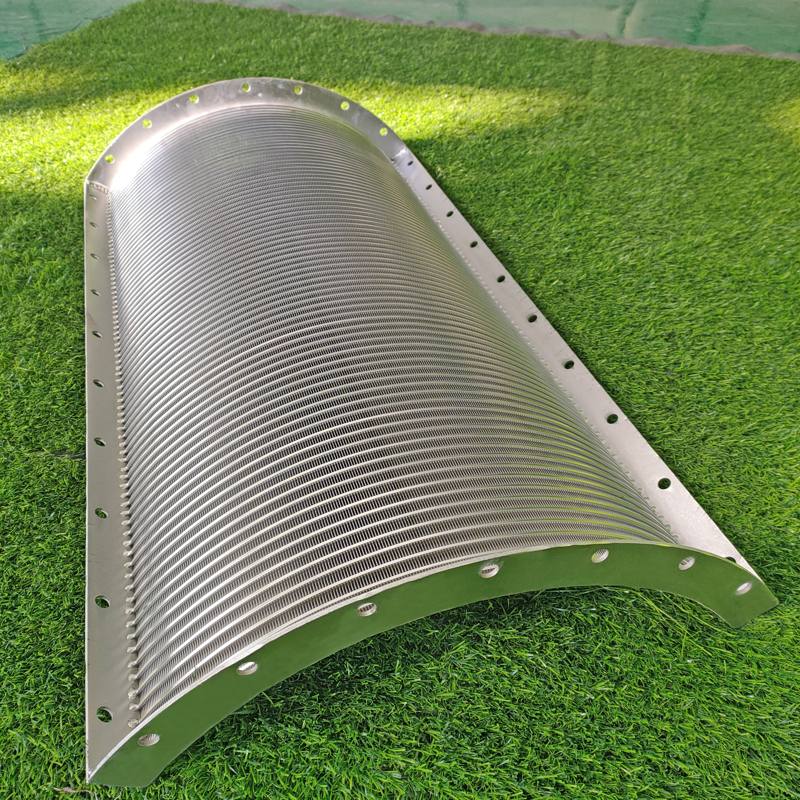
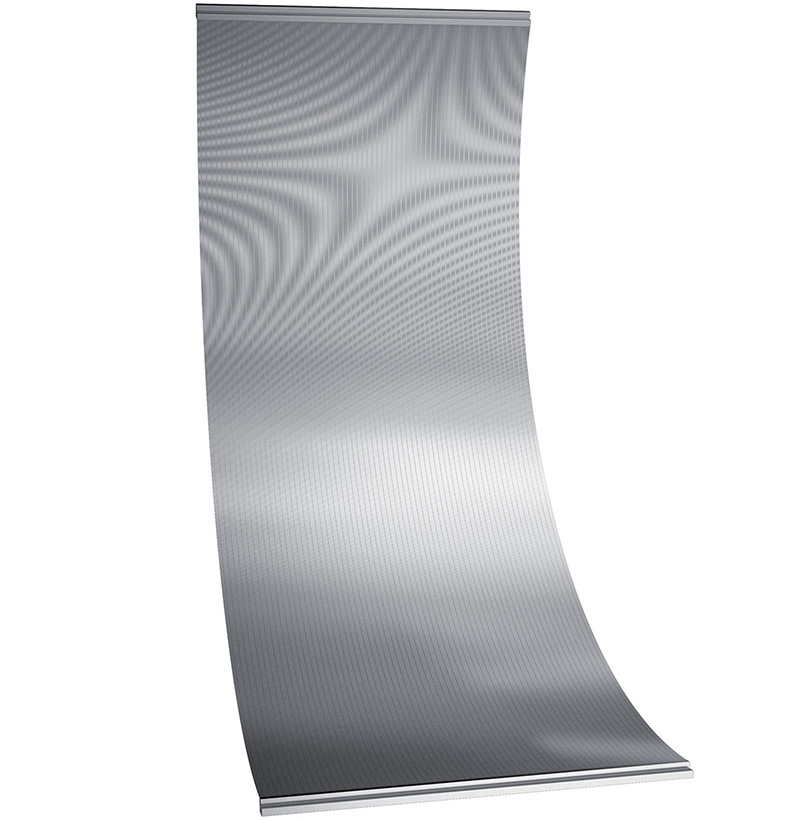
Der Wedge Wire Starch Curved Screen ist ein gekrümmtes Siebgerät, das speziell für die Stärkeindustrie entwickelt wurde. Es verfügt über eine bogenförmige Siebfläche aus präzise geschweißten V-Profil-Edelstahldrähten, die Zentrifugalkraft oder Schwerkraft nutzen, um eine schnelle Entwässerung und Klassifizierung von Stärkeslurry zu erreichen. Seine gekrümmte Struktur verlängert die Schlammretentionszeit und verbessert die Effizienz der Feststoff-Flüssigkeit-Trennung. Es eignet sich für Stärkeextraktion, Raffinierung und Nebenproduktrückgewinnungsprozesse für Stärke wie Kartoffel, Mais und Cassava. Diese Ausrüstung ist durch eine effiziente Siebung, Verschleiß- und Verstopfungsbeständigkeit und einfache Wartung gekennzeichnet und ist eine Schlüsselvorrichtung zur Feststoff-Flüssigkeit-Trennung in der modernen Stärkeverarbeitung.
Rotierende Trommel
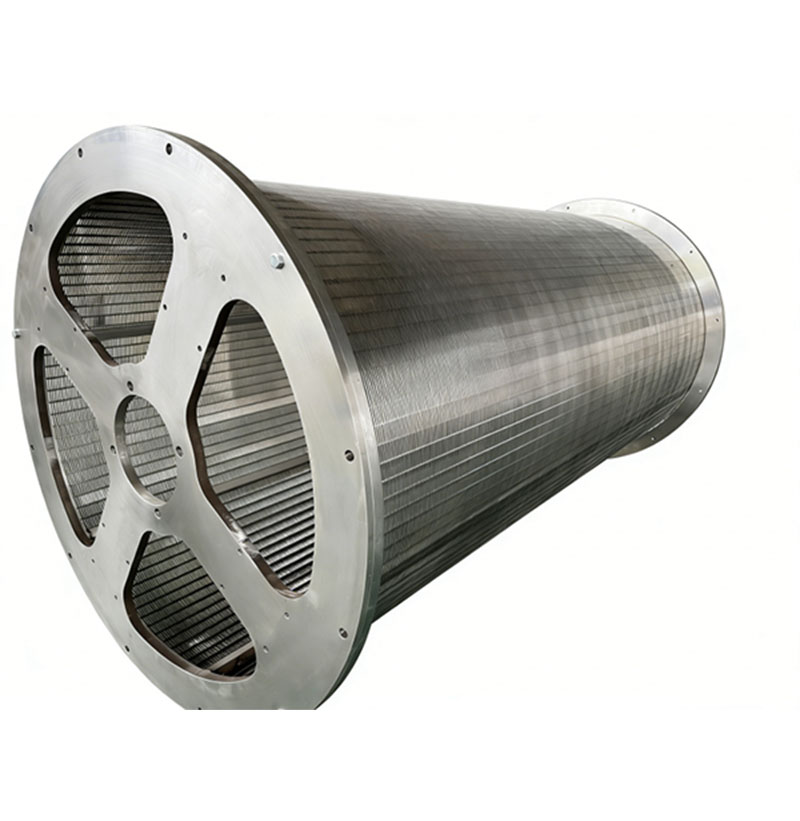
Der Edelstahl Keil Draht Rotary Drum Screen (auch bekannt als ein Rotary Drum Sieb oder Micro-Screen) ist eine kontinuierlich und automatisch arbeitende Front-End-Feststoff-Flüssigkeit-Trennvorrichtung. Sein Kernbauteil ist eine große zylindrische Trommel, die horizontal oder leicht geneigt installiert ist. Die gesamte Umfangsfläche der Trommel ist mit einem Edelstahlkeildrahtsieb (Johnson-Sieb) bedeckt. Das zu behandelnde Abwasser strömt in ein Ende der Trommel. Unter Schwerkraft passiert das Filtrat durch die Keildrahtschlitze, während feste Suspensionsstoffe (wie Fasern, Haare, Kunststoffstücke und feine Partikel) auf der Innenfläche der Trommel gehalten werden. Während sich die Trommel langsam dreht, wird der zurückgehaltene Trümmer nach oben angehoben, wo er durch Sprühwasser in eine Sammeltage gespült wird, wodurch ein kontinuierlicher Prozess der automatischen Siebung, Filtration und Rückstandsentfernung erreicht wird.
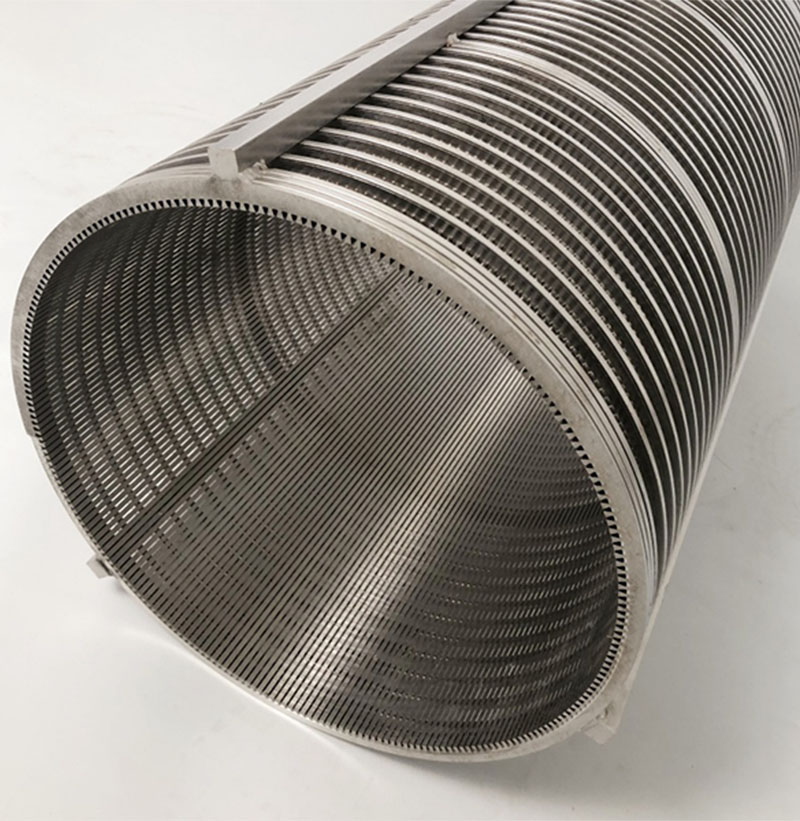
Siebkorb für Screw Press Separator
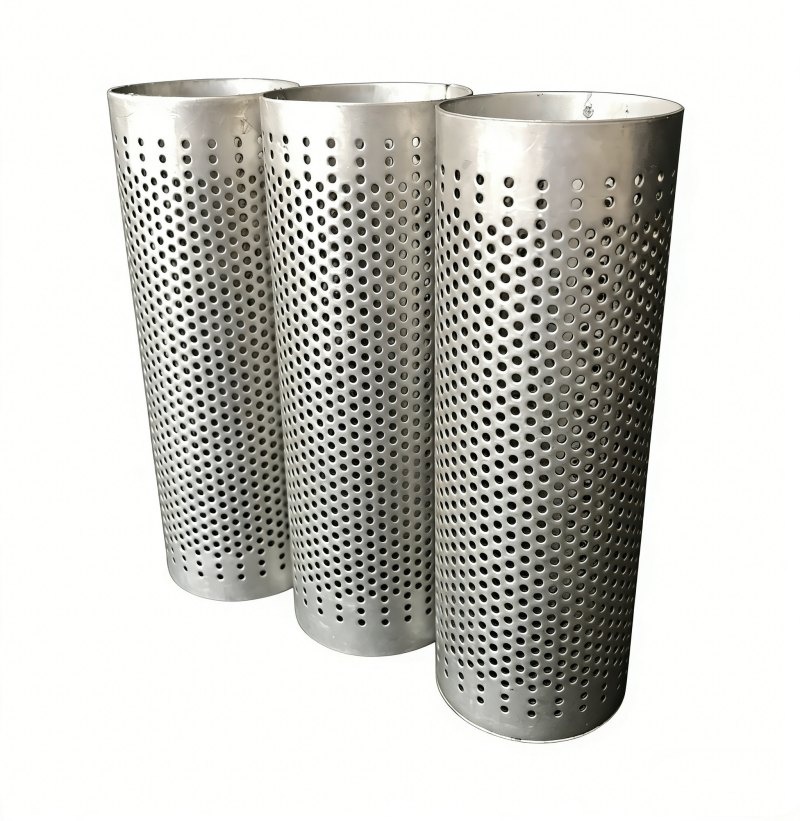
Der Edelstahl Keil Draht Sieb Korb, allgemein bekannt als der "V-Draht Sieb", "Presse Sieb Korb" oder "Sieb Zylinder", ist ein Kernkomponent der Schraubpresse Fest-Flüssigkeit-Separatoren. Es ist innerhalb der Spiralpresse installiert und umschließt die rotierende Schraubenwelle. Das Arbeitsprinzip lautet wie folgt: Rohslurry mit hohem Feuchtigkeitsgehalt wird durch die Schraubenwelle in den Siebkorb geschoben. Unter der Druck- und Förderwirkung der Spiralflüge wird die Flüssigkeit (Filtrat) durch die präzisen, kontinuierlichen Schlitze des Siebkorbs herausgedrückt, während das feste Material (Düngkuchen) im Inneren gehalten wird und weiterhin komprimiert und entwässert wird, während es sich nach vorne bewegt. Schließlich werden die entwässerten Feststoffe aus dem Auslass abgegeben, wodurch eine Feststoff-Flüssigkeit-Trennung erreicht wird.
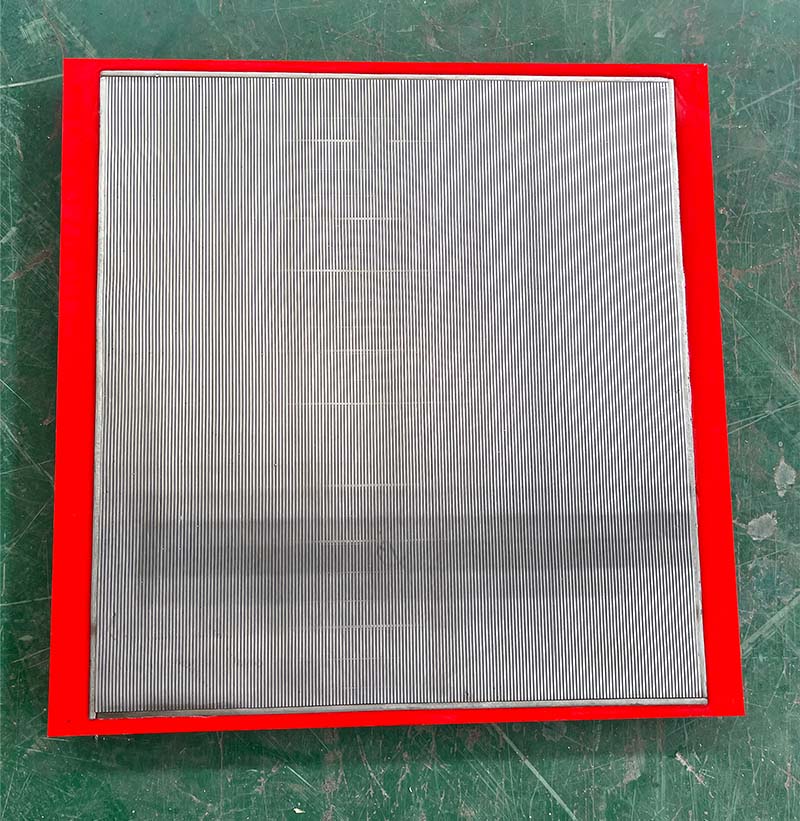
Keil Draht vibrierende Bildschirm
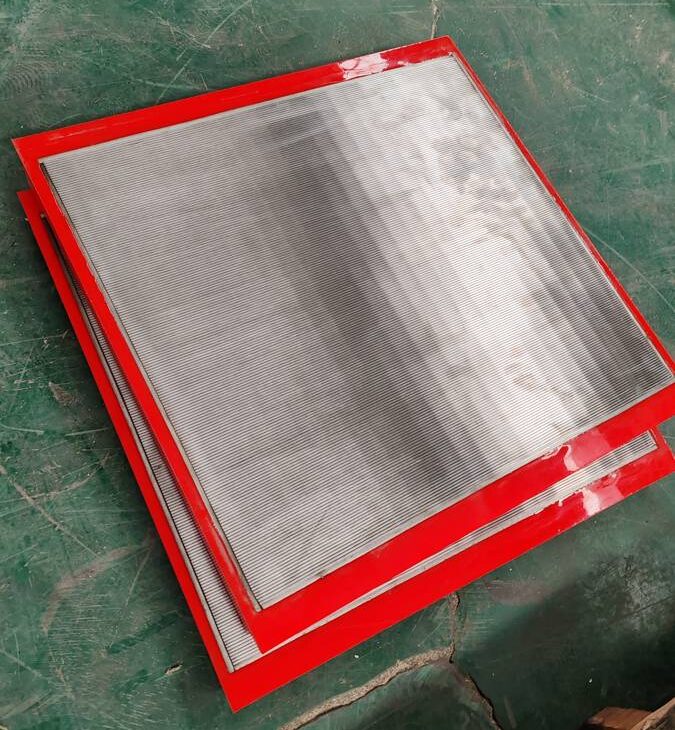
Ein Edelstahlkeildraht-Vibrationsschirm ist eine Fest-Flüssigkeit-Trennvorrichtung mit einer Siebfläche, die durch präzises Schweißen von V-förmigen Edelstahldrähten hergestellt wird, die in ein Hochfrequenzsvibrationssystem integriert ist. Mit einheitlichen Schlitzen, Verschleißbeständigkeit und Korrosionsbeständigkeit ist es für Nasssieb- und Entwässerungsvorgänge geeignet. Der Vibrationsmechanismus ermöglicht eine schnelle Materialverteilung und ein effizientes Sieben, während ein Verstopfen des Siebs effektiv verhindert wird. Weit in Industrien wie Bergbau, Metallurgie, Lebensmittelverarbeitung und Umweltschutz eingesetzt, ist es besonders geeignet für den Umgang mit feinen Partikeln, hochviskosen oder leicht agglomerierenden Materialien und bietet Vorteile wie hohe Siebgenauigkeit, große Verarbeitungskapazität und lange Lebensdauer.
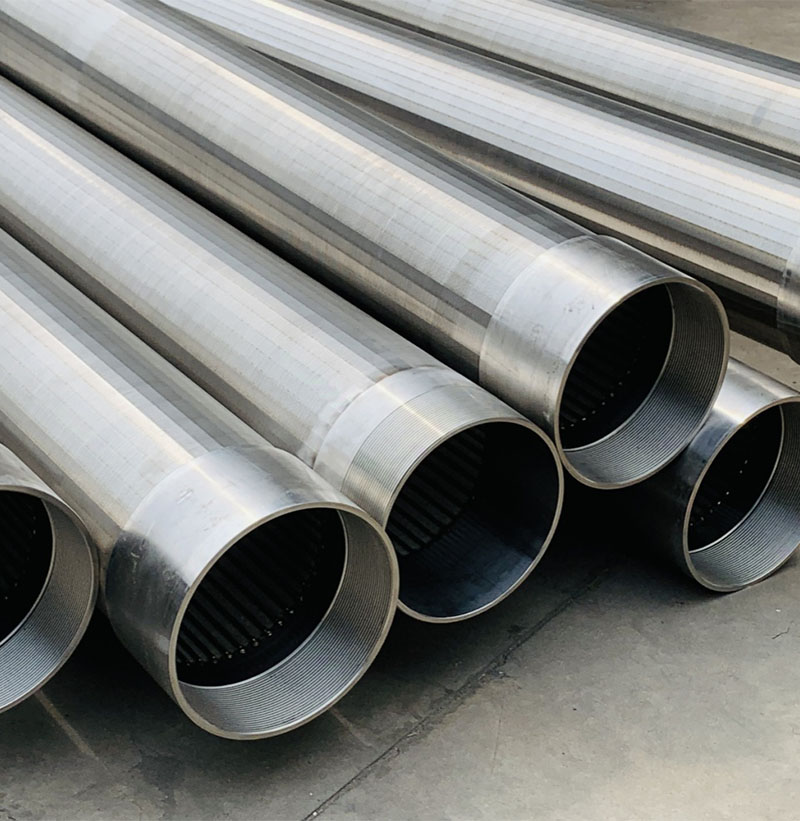
Keil Draht Wasser Brunnen Bildschirm
Johnson Deep Water Well Screens, auch als Continuous Slot Screens oder Wire Wrap Screens bezeichnet, wurden ursprünglich entwickelt, um Herausforderungen bei der Sandkontrolle in feinkörnigen und gleichmäßigen Sandformationen zu lösen. Diese geologischen Bedingungen sind häufig in tiefen Grundwasserwässern zu finden, wo herkömmliche Lochröhren oft unter Verstopfungen, übermäßiger Sandproduktion und reduzierter Brunneneffizienz leiden.
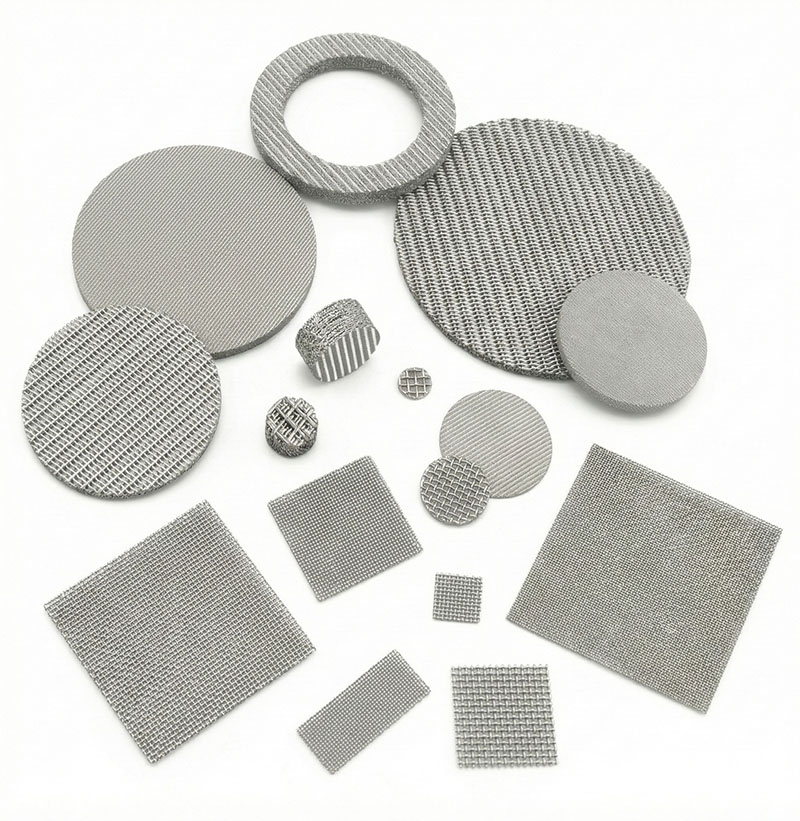
Sinterte Mesh Platte und Scheibe
Sintermaschenplatten und -scheiben sind hochpräzise Filtrationskomponenten, die durch das Verbinden mehrerer Schichten Edelstahldrahtmaschen durch einen spezialisierten Vakuumsinterprozess hergestellt werden. Im Gegensatz zu herkömmlichen Netzen, die sich allein auf mechanisches Weben verlassen, werden diese Platten an jedem Kontaktpunkt geschmolzen und verwandeln einzelne Drähte in ein starres, integriertes poröses Blech.Diese Platten können in verschiedene Formen angepasst werden, am häufigsten kreisförmige Scheiben, um spezifische Industriegeräte anzupassen. Sie bieten eine ideale Balance aus hoher Durchlässigkeit, extremer struktureller Integrität und präzisen Filtrationswerten. Da sie ausschließlich aus Metall (typischerweise 304 oder 316L) hergestellt sind, bieten sie eine "permanente" Filtrationslösung, die hohen Temperaturen und korrosiven Chemikalien standhalten kann, während sie vollständig reinigbar und wiederverwendbar bleiben.