ABOUT US
Your Expert Manufacturer of Wedge Wire Screens;
Your Reliable Partner and Source of Innovation
GET A FREE QUOTE
-
Home

-
Products
-
Wedge Wire Screen
-
Johnson Screen Tube
- Wedge Wire Lateral Assemblies
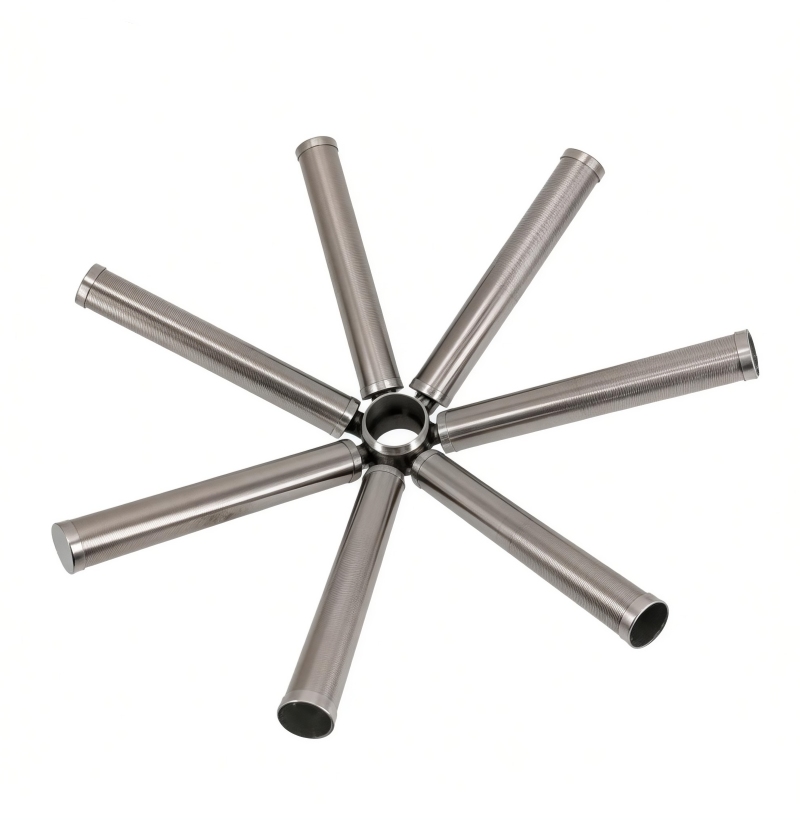
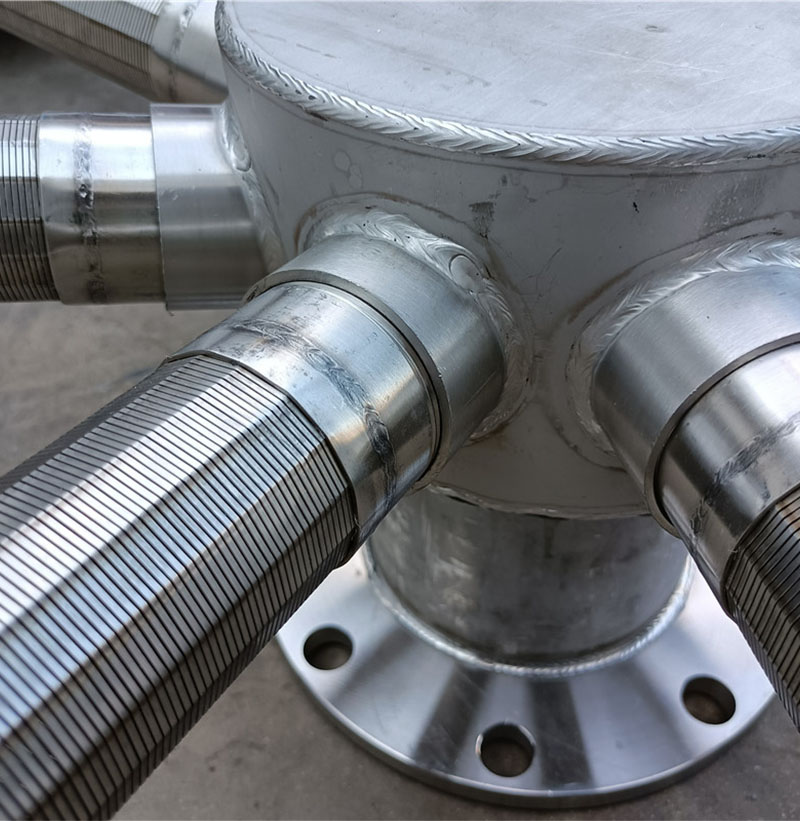
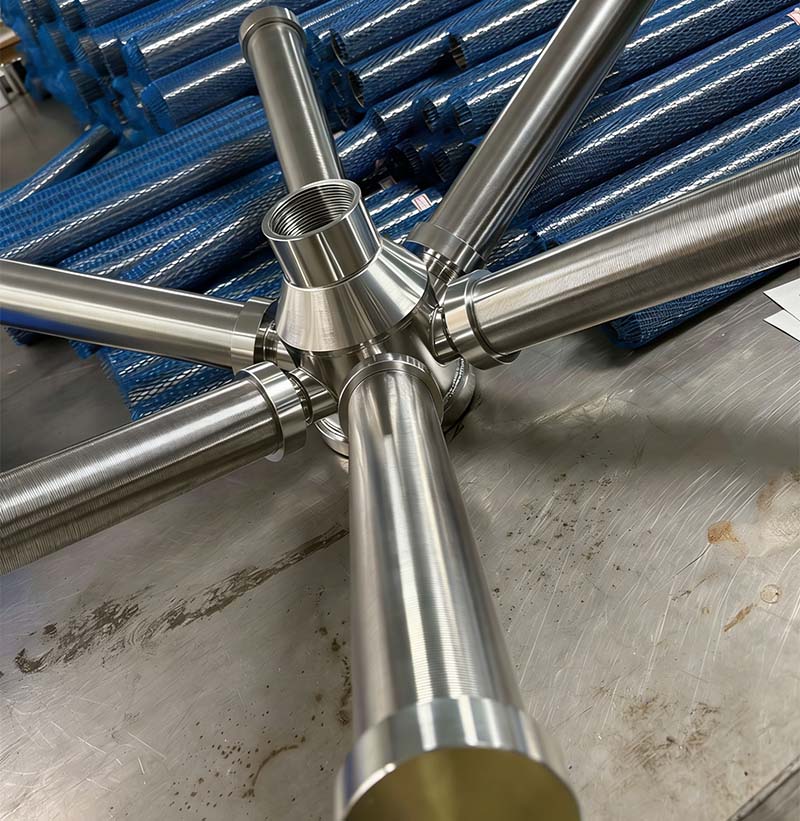
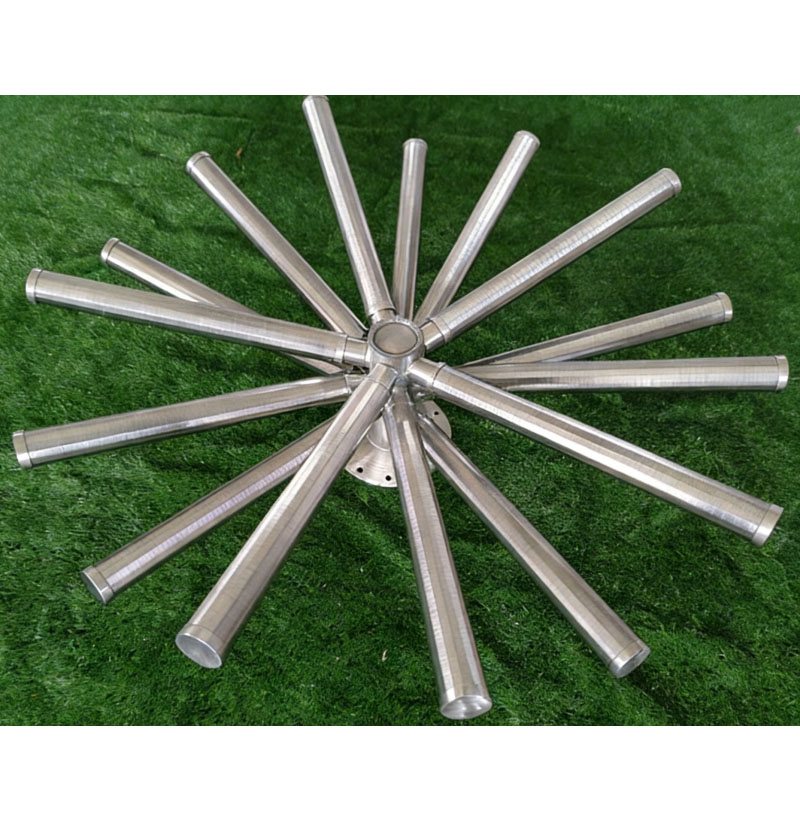
Wedge Wire Lateral Assemblies
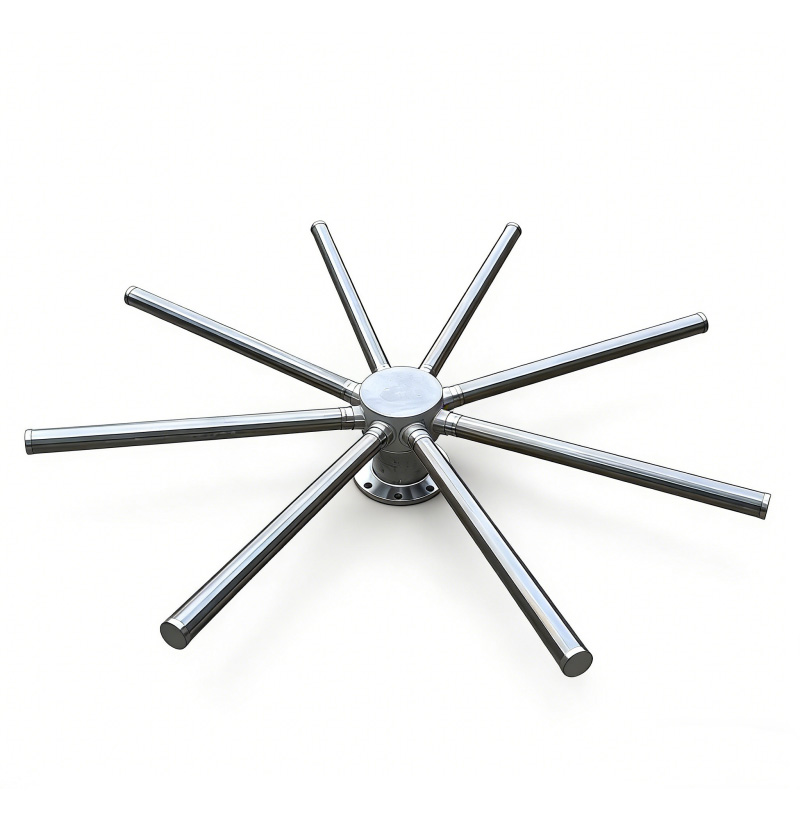
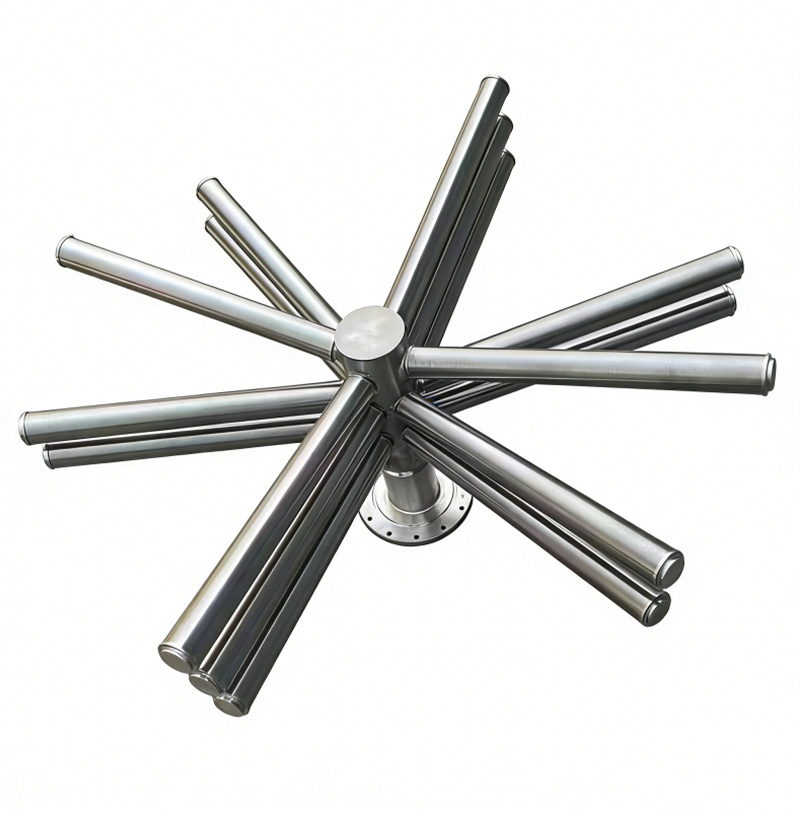
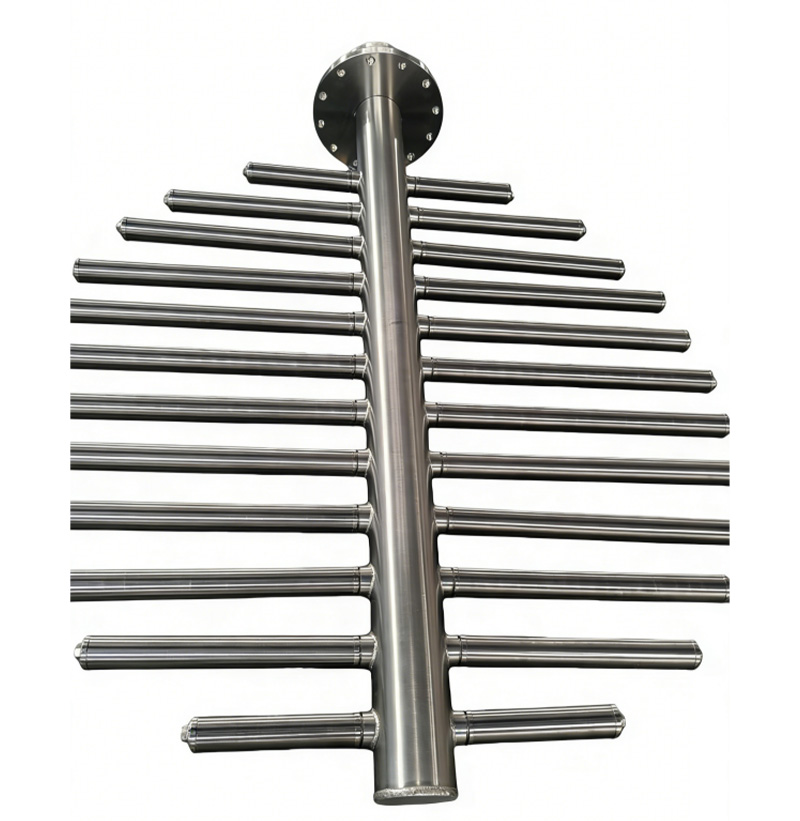
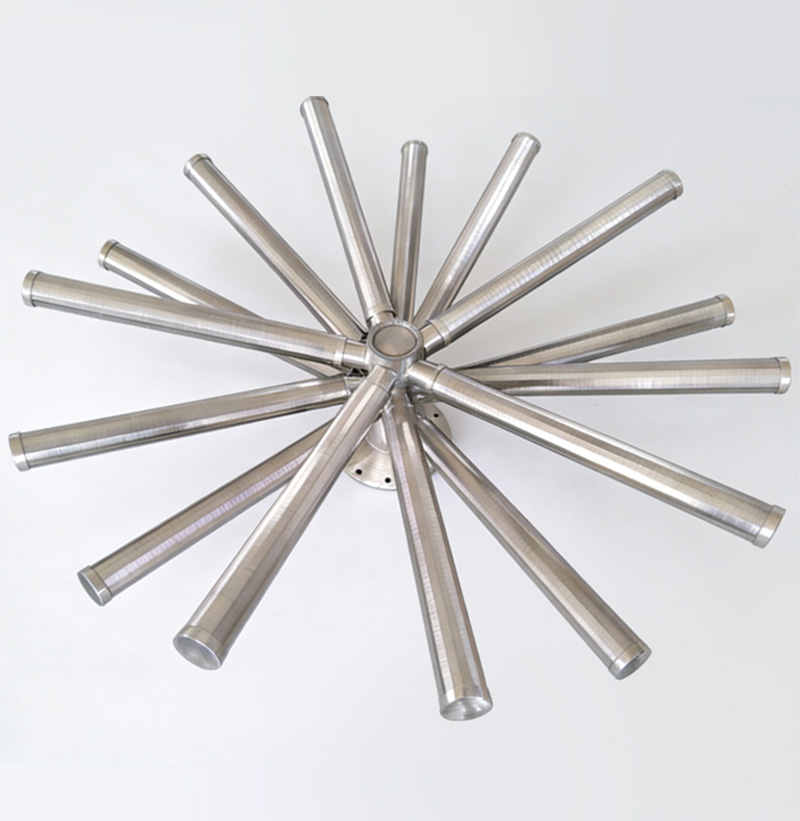
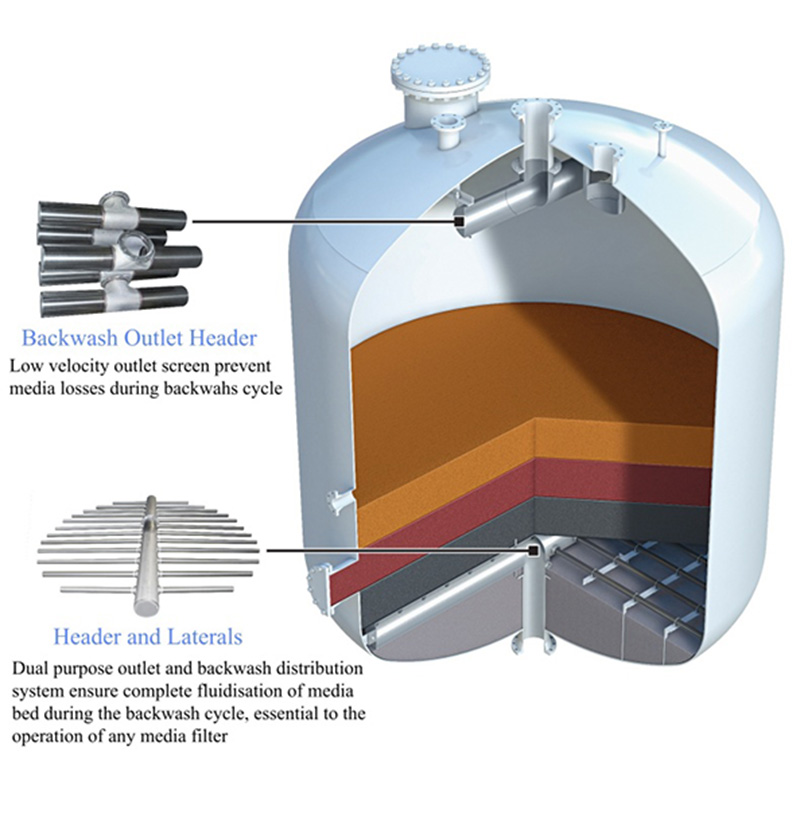
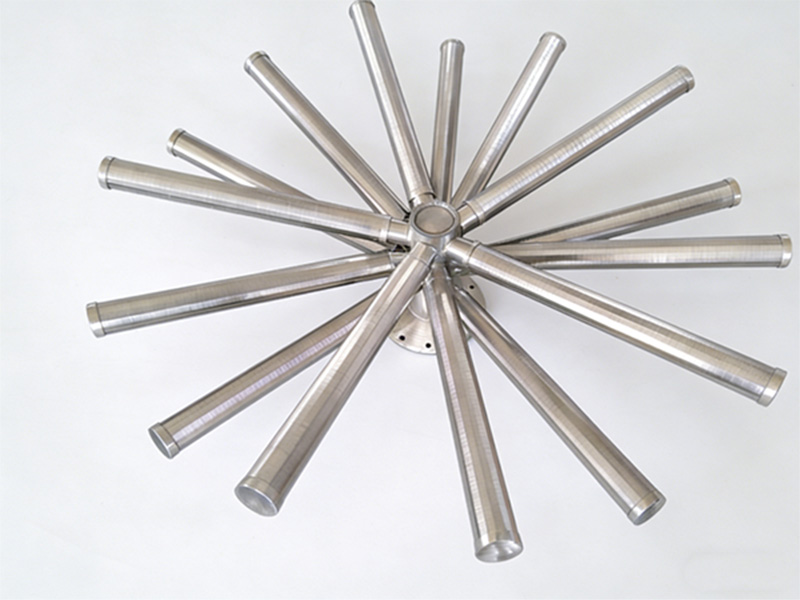
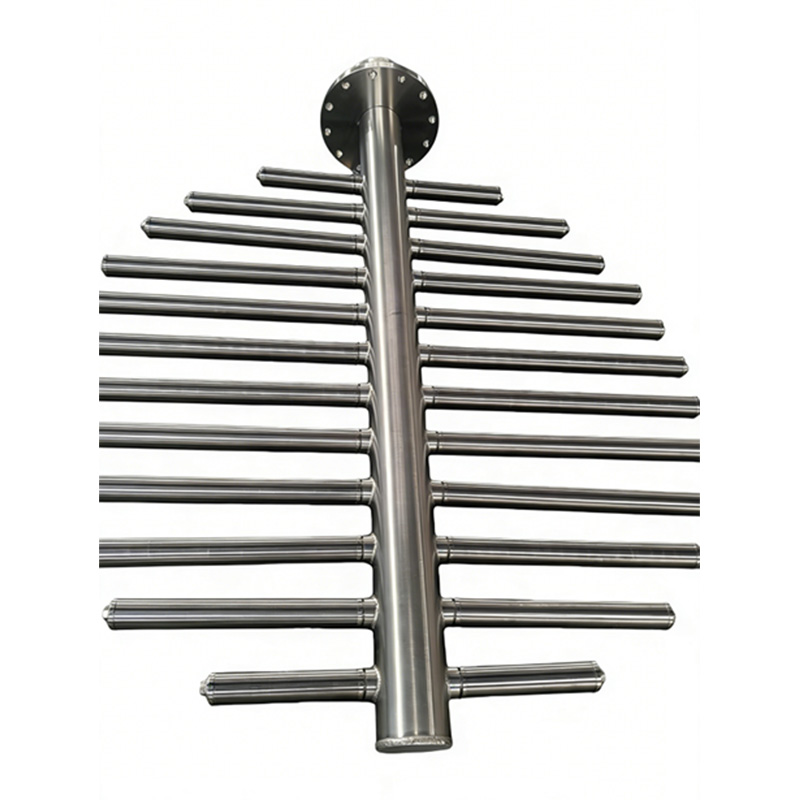
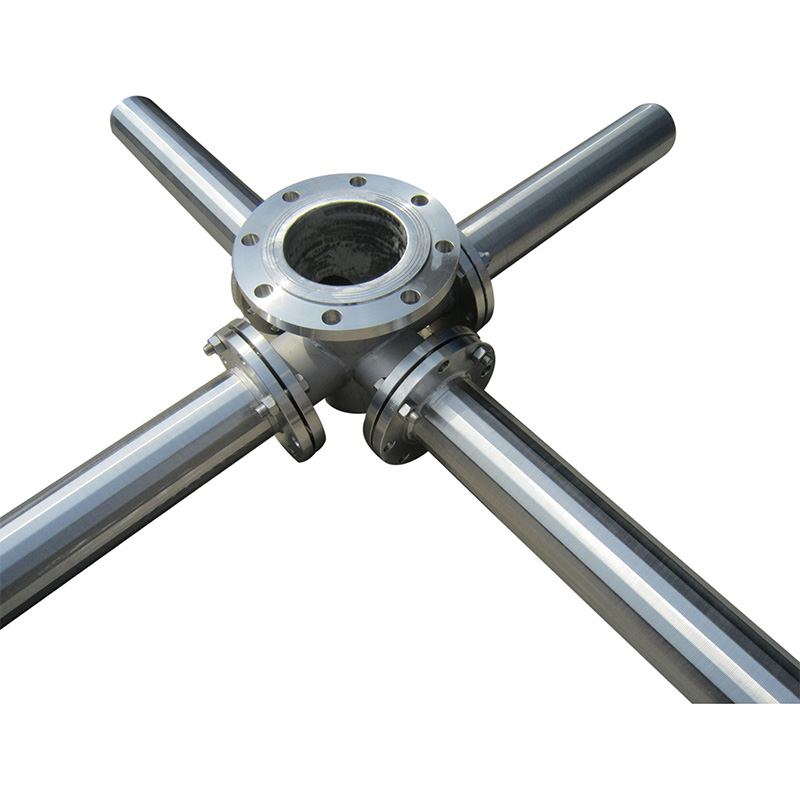
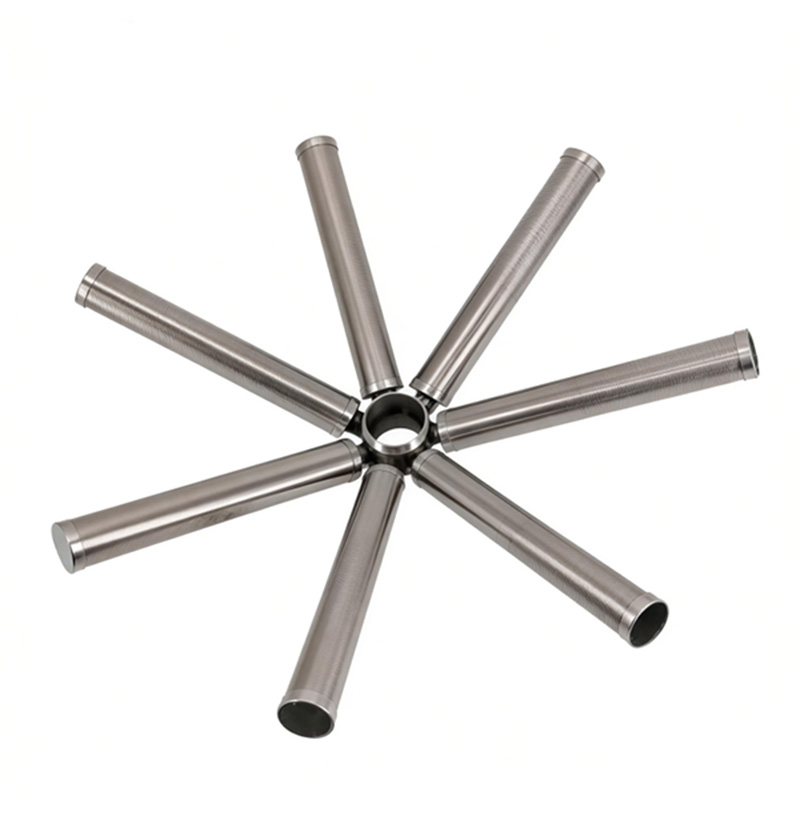
Stainless Steel Johnson Screen Laterals/Distributors are core water distribution/collection components in industrial filtration systems. They are constructed using precision-welded V-shaped wedge wire technology, consisting of a main header pipe and multiple lateral pipes (distribution arms). Their primary function is to achieve uniform distribution or collection of fluids (water, chemical solutions, or gases) across the cross-section of a vessel during processes such as filtration, backwashing, ion exchange, or biochemical reactions, while simultaneously retaining media (e.g., quartz sand, activated carbon, resin) to ensure system efficiency and stability.
-
Application

-
Branch

-
Herringbone

-
Flanged
-
Wedge Wire Lateral Assemblies

-
Lateral-System

-
Threaded
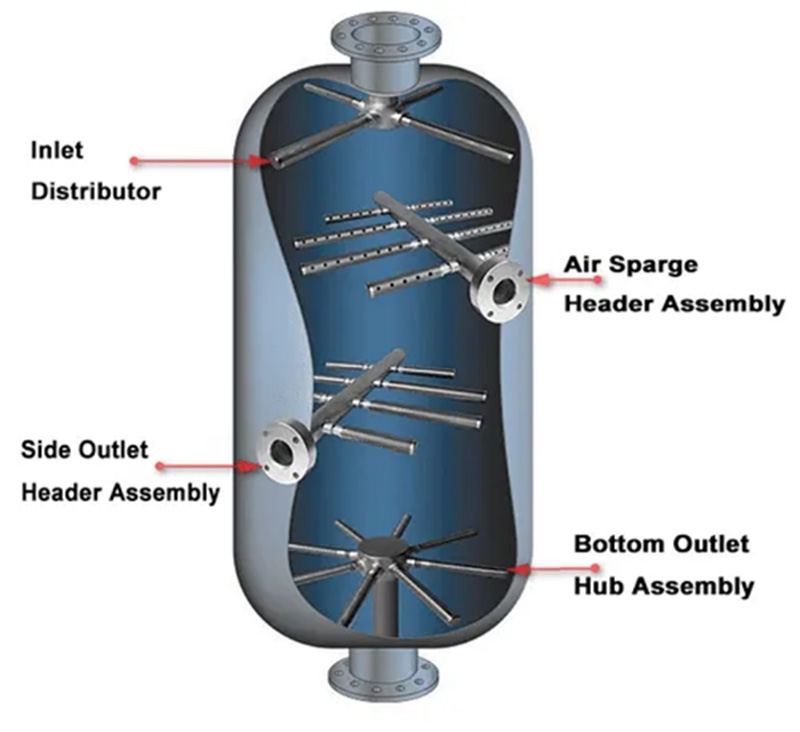
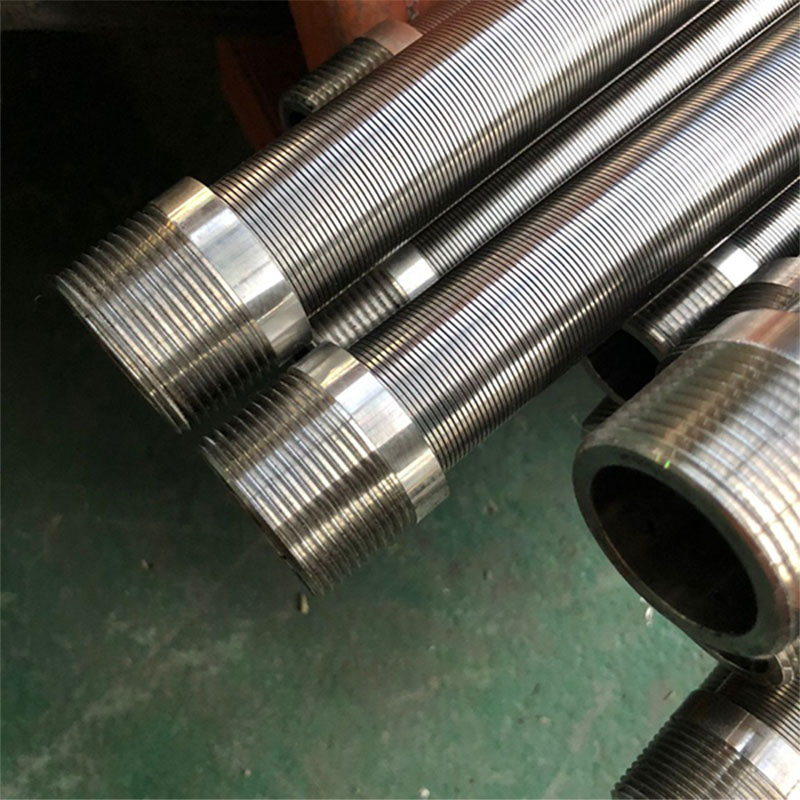
Product Features and Advantages
High-Precision Uniform Distribution/Collection
Consistent wedge-shaped slots (typically 0.2-1.0mm) combined with scientifically designed lateral spacing and layout ensure fluid distribution uniformity with ≤5% error, preventing “short-circuiting” or dead zones.
High Strength and Deformation Resistance
Fully welded stainless steel structure (304/316L) with triangular support formed by rods and V-wires, capable of withstanding high-flow impacts, media loads, and frequent backwash pressures without long-term deformation.
Anti-Clogging and Easy-Cleaning Design
The inner-narrow-outer-wide V-shaped slots prevent particle clogging; reverse-flow during backwashing efficiently cleans the slots, maintaining high flow capacity.
High Open Area and Low Pressure Drop
Open area up to 10%-40%, minimizing fluid resistance, saving energy, and enhancing system processing capacity.
Modular Customization Flexibility
Customizable number of laterals, length, slot size, and connection methods (flange/threaded/welded) based on vessel dimensions and process requirements.
Product Parameters
| Parameter | Typical Specifications |
| Material | 304, 316L Stainless Steel (Duplex Steel, Titanium optional) |
| Slot Width | 0.2mm, 0.3mm, 0.4mm, 0.5mm, 0.8mm, 1.0mm etc. |
| Header Pipe Diameter | DN50-DN500 (designed based on flow rate) |
| Lateral Layout | Branch, Ring, Herringbone arrangement; lateral spacing 100-300mm |
| Connection Method | Flange (ANSI/DIN standards), Threaded, Welded connections |
| Operating Pressure | ≤0.6MPa (standard), high-pressure versions up to 1.0-1.6MPa |
| Surface Finish | Mechanical Polishing, Electropolishing (food/pharmaceutical grade) |
Application Areas/Scenarios
Water Treatment Filtration Systems
1.Multi-Media Filters/Sand Filters: Bottom water collection and backwash distribution.
2.Activated Carbon Adsorption Tanks: Uniform water distribution to prevent channeling and improve adsorption efficiency.
3.Ion Exchangers: Ensure uniform contact between resin beds and fluids, preventing bypass flow.
Industrial Processes and Cooling Water Systems
1.Cooling Water Side-Stream Filters: Efficient collection of filtered water.
2.Pre-treatment for Membrane Systems (UF/RO): Protect membrane modules from suspended solids impact.
Environmental and Wastewater Treatment
1.Biological Aerated Filters (BAF): Function as water distribution, aeration, and collection units.
2.Water Softening Systems, Degassing Towers: Uniform distribution of liquids and gases.
Food and Pharmaceutical Industries
CIP Systems, Purified Water Distribution: Meet sanitary standards (electropolished, dead-leg-free design).
Summary
Stainless Steel Johnson Screen Laterals/Distributors address the shortcomings of traditional distributors—such as uneven distribution, clogging, and short service life—through precision fluid dynamics design and durable fully welded construction. They are critical internal components for ensuring the efficient and stable operation of filtration and reaction systems, particularly in industrial applications with stringent requirements for flow uniformity.
OUR PRODUCTS
Best-selling Products
Starch Screen
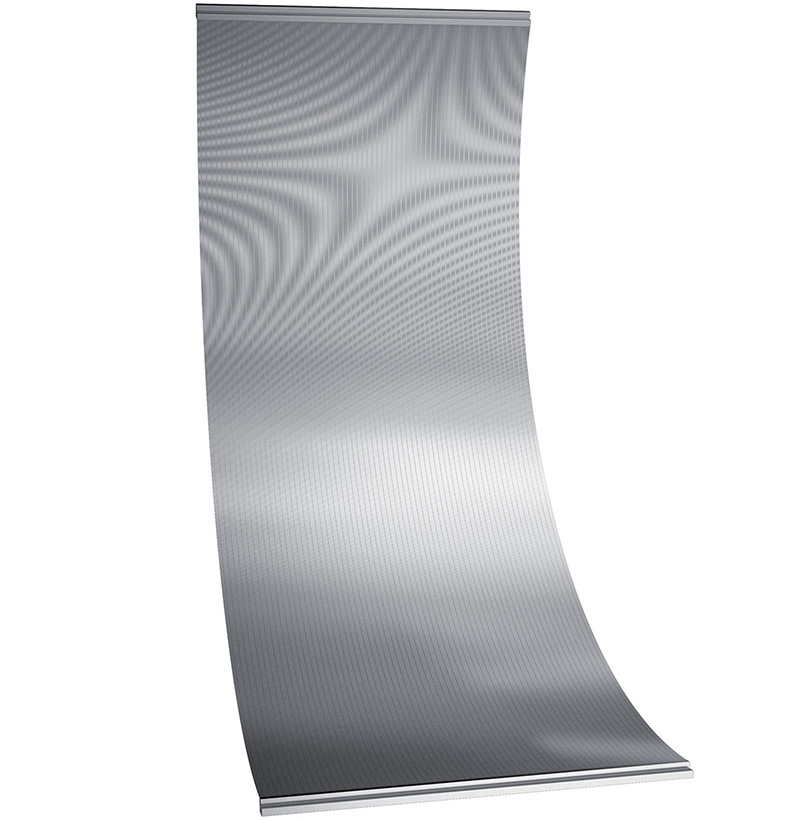
The Wedge Wire Starch Curved Screen is a curved screening device specifically designed for the starch industry. It features an arc-shaped screen surface made of precisely welded V-profile stainless steel wires, utilizing centrifugal force or gravity to achieve rapid dewatering and classification of starch slurry. Its curved structure prolongs slurry retention time, improving solid-liquid separation efficiency. It is suitable for starch extraction, refining, and byproduct recovery processes for starches such as potato, corn, and cassava. Characterized by efficient screening, wear and clogging resistance, and easy maintenance, this equipment is a key solid-liquid separation device in modern starch processing.
Rotary Drum
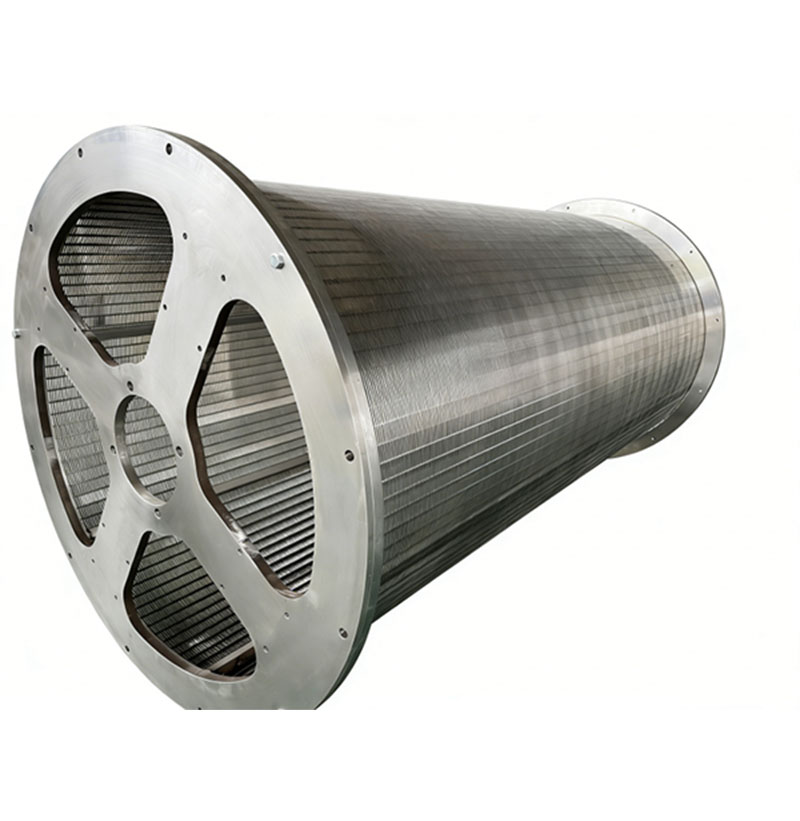
The Stainless Steel Wedge Wire Rotary Drum Screen (also known as a Rotary Drum Strainer or Micro-Screen) is a continuously and automatically operating front-end solid-liquid separation device. Its core component is a large cylindrical drum installed horizontally or at a slight incline. The entire circumferential surface of the drum is covered with a stainless steel wedge wire screen (Johnson screen). The wastewater to be treated flows into one end of the drum. Under gravity, the filtrate passes through the wedge wire slots, while solid suspended matter (such as fibers, hair, plastic pieces, and fine particles) is retained on the inner surface of the drum. As the drum rotates slowly, the retained debris is lifted to the top, where it is flushed by spray water into a collection trough, achieving a continuous process of automatic screening, filtration, and residue removal
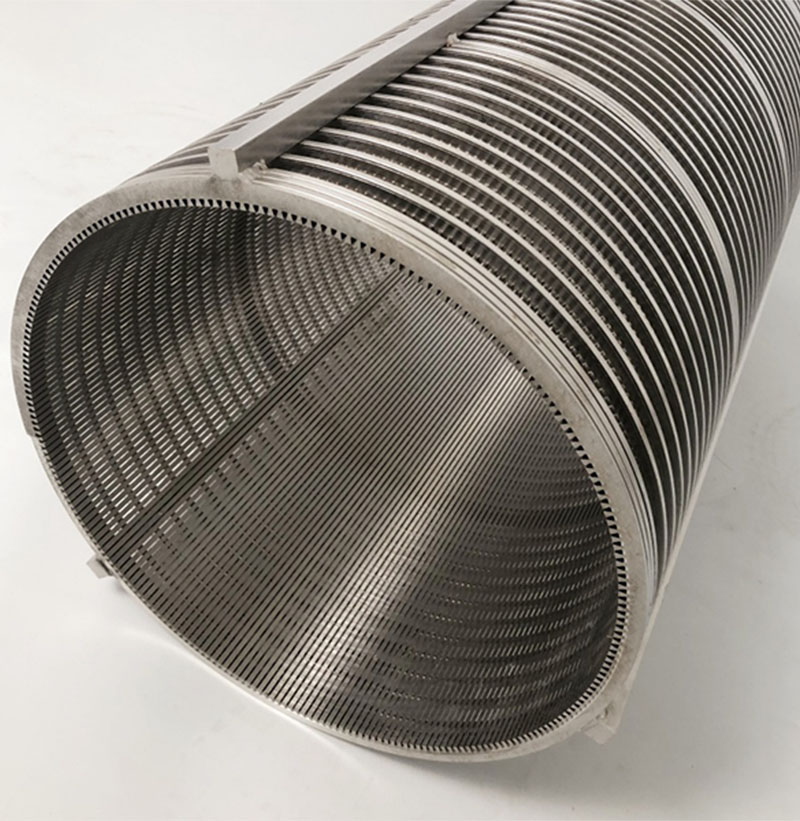
Screen Basket for Screw Press Separator
The stainless steel wedge wire screen basket, commonly known as the "V-wire screen," "press screen basket," or "screen cylinder," is a core component of screw press solid-liquid separators. It is installed inside the spiral press, enclosing the rotating screw shaft. The working principle is as follows: raw slurry with high moisture content is pushed into the screen basket by the screw shaft. Under the squeezing and conveying action of the spiral flights, the liquid (filtrate) is forced out through the precise, continuous slots of the screen basket, while the solid material (manure cake) is retained inside and continues to be compressed and dewatered as it moves forward. Finally, the dewatered solids are discharged from the outlet, achieving solid-liquid separation.
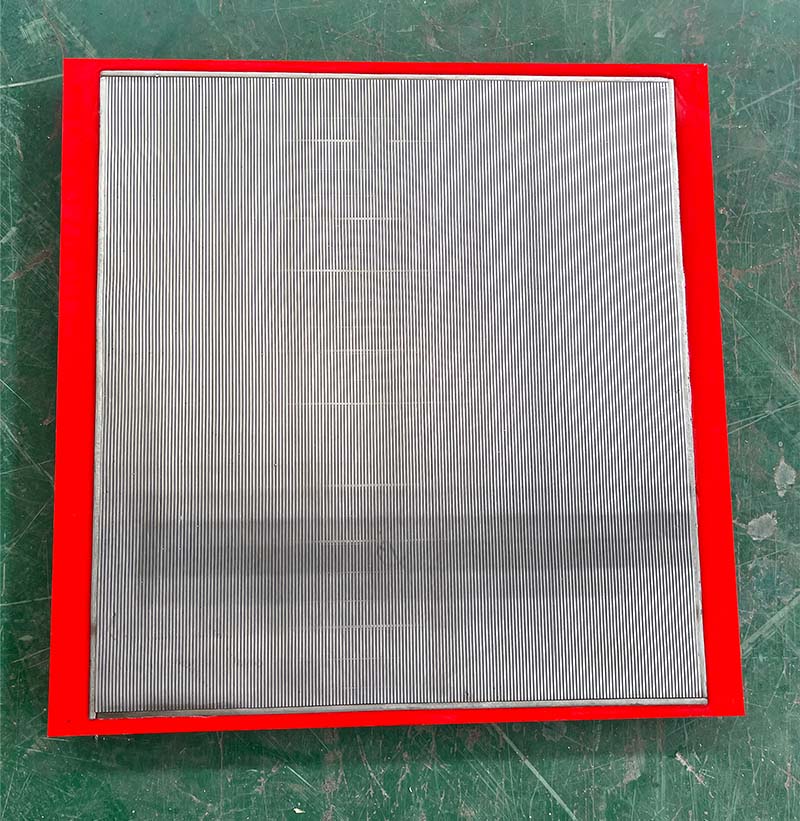
Wedge Wire Vibrating Screen
A stainless steel wedge wire vibrating screen is a solid-liquid separation device featuring a screen surface made by precisely welding V-shaped stainless steel wires, integrated with a high-frequency vibration system. With uniform slots, wear resistance, and corrosion resistance, it is suitable for wet screening and dewatering operations. The vibration mechanism enables rapid material dispersion and efficient sieving while effectively preventing screen clogging. Widely used in industries such as mining, metallurgy, food processing, and environmental protection, it is particularly suitable for handling fine particles, high-viscosity, or easily agglomerated materials, offering advantages such as high screening accuracy, large processing capacity, and long service life.
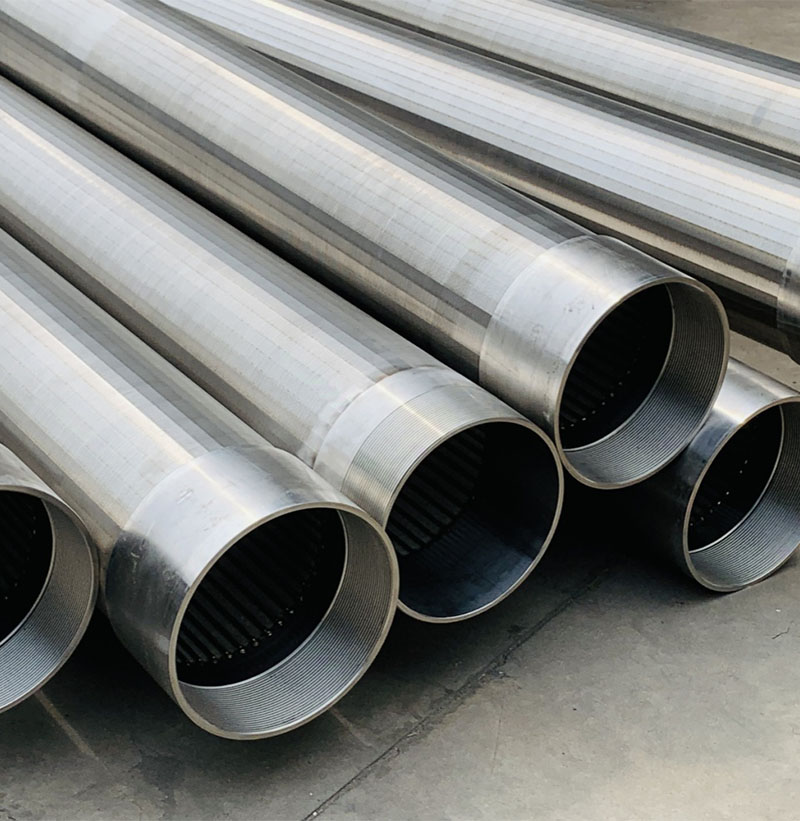
Wedge Wire Water Well Screen
Johnson Deep Water Well Screens, also referred to as continuous slot screens or wire wrap screens, were originally developed to solve sand control challenges in fine-grained and uniform sand formations. These geological conditions are commonly encountered in deep groundwater aquifers, where conventional perforated pipes often suffer from clogging, excessive sand production, and reduced well efficiency.
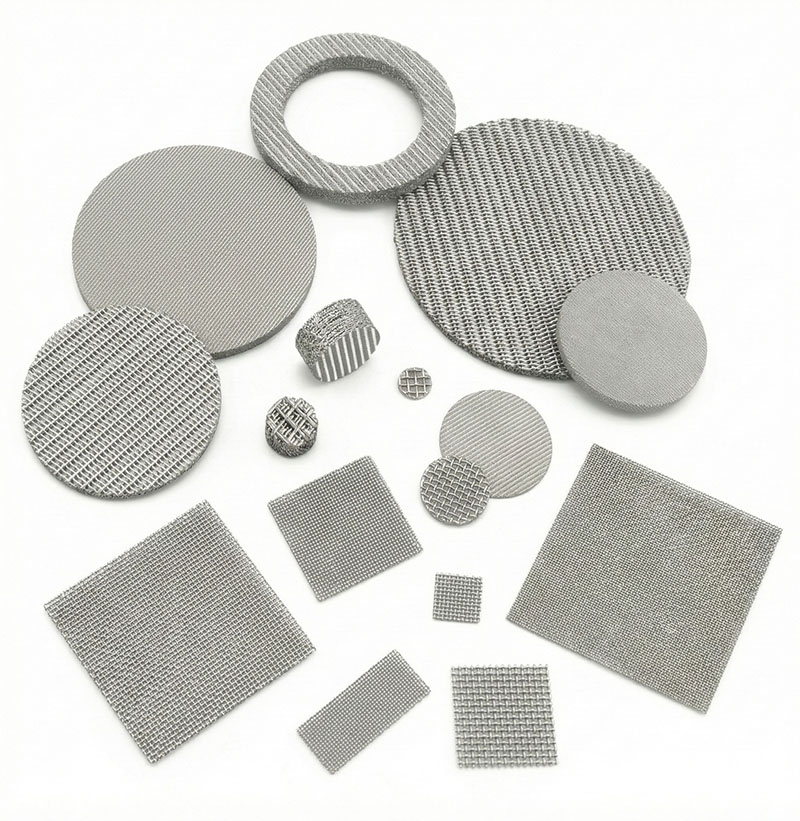
Sintered Mesh Plate and Disc
Sintered Mesh Plates and Discs are high-precision filtration components fabricated by bonding multiple layers of stainless steel wire mesh through a specialized vacuum sintering process. Unlike traditional mesh that relies on mechanical weaving alone, these plates are fused at every contact point, transforming individual wires into a rigid, integrated porous metal sheet.
These plates can be customized into various shapes, most commonly circular discs, to fit specific industrial equipment. They offer an ideal balance of high permeability, extreme structural integrity, and precise filtration ratings. Because they are made entirely of metal (typically 304 or 316L), they provide a "permanent" filtration solution that can withstand high temperatures and corrosive chemicals while remaining fully cleanable and reusable.
OUR LATEST
Our Latest Blog & News
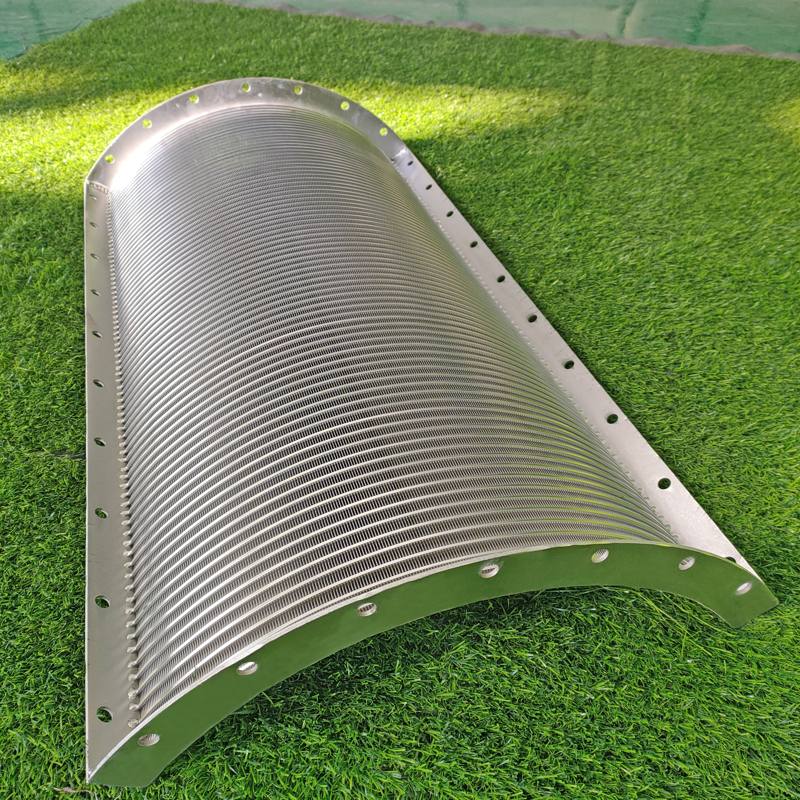
How Sieve Bend Screens Classify Mineral Slurry
See how sieve bend screens classify mineral slurry through tangential feed, curved wedge wire slots, and controlled undersize flow.
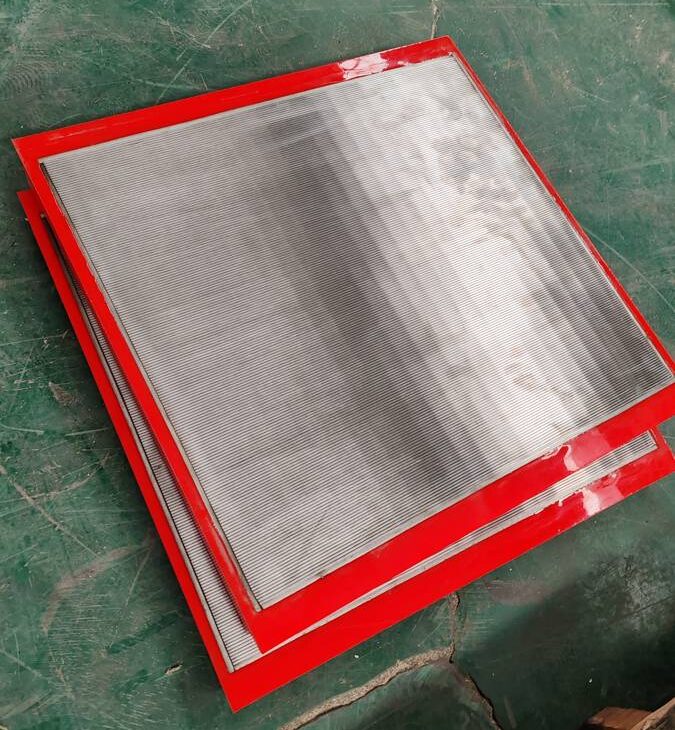
Heavy-Media Recovery With Wedge Wire Vibrating Screens
See how wedge wire vibrating screens support drain-and-rinse heavy-media recovery through controlled drainage, stable solids movement, and practical operating checks.
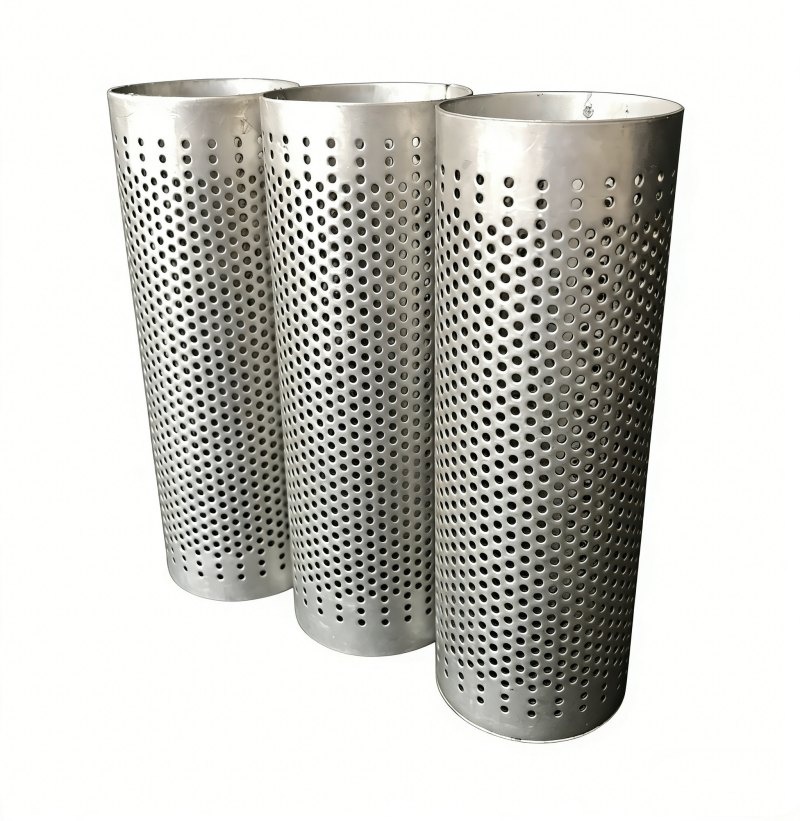
Punched Mesh vs. Wedge Wire for Industrial Filtration
Compare punched mesh and wedge wire for industrial filtration, including coarse straining, support layers, particle release, flow and cleaning.
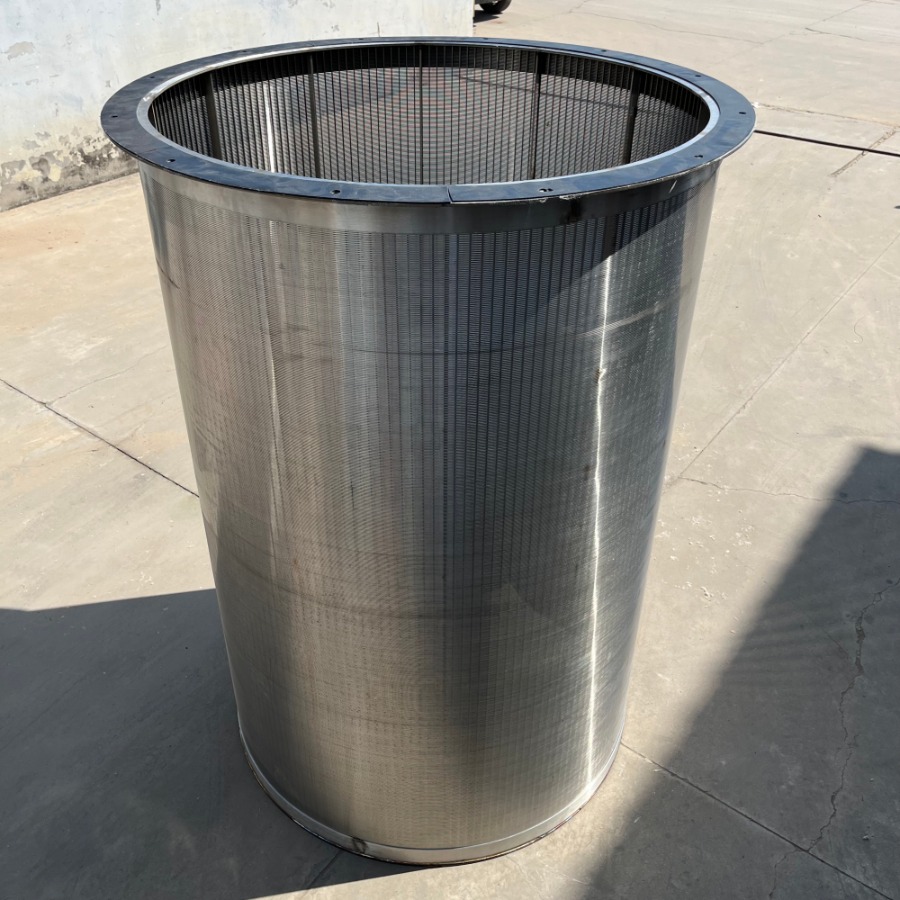
How Interstage Screens Keep Carbon in Gold Slurry Circuits
Learn how interstage screens retain activated carbon while passing gold slurry in CIP and CIL circuits, with practical checks for flow, wear, and cleaning.
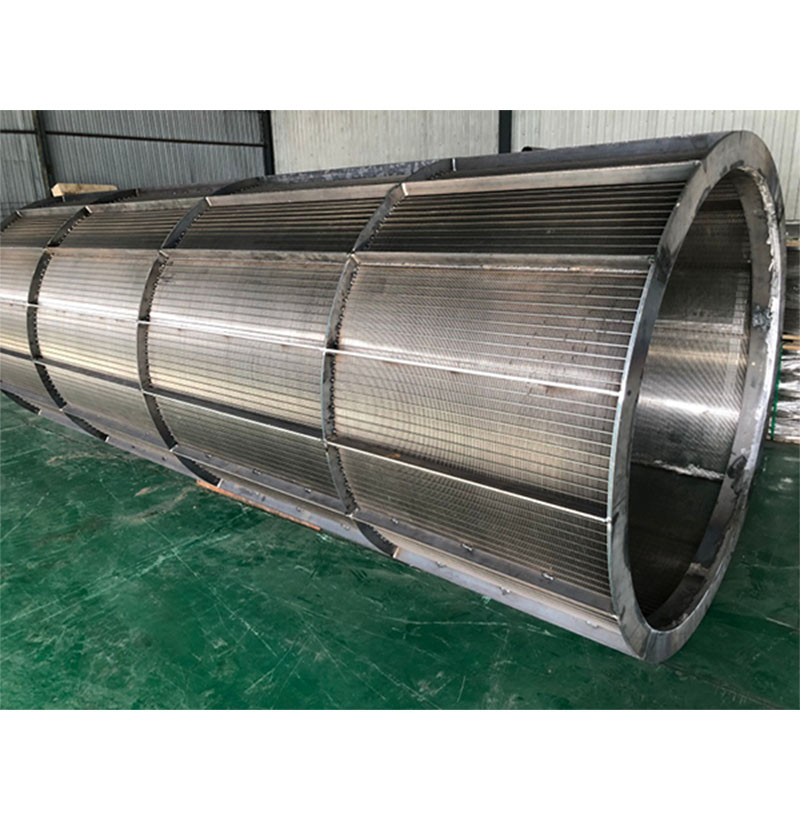
How Wedge Wire Trommel Screens Handle Wet Sticky Ore
How wedge wire trommel screens keep wet, sticky ore moving, release fines, and reduce screening blinding in mineral circuits.
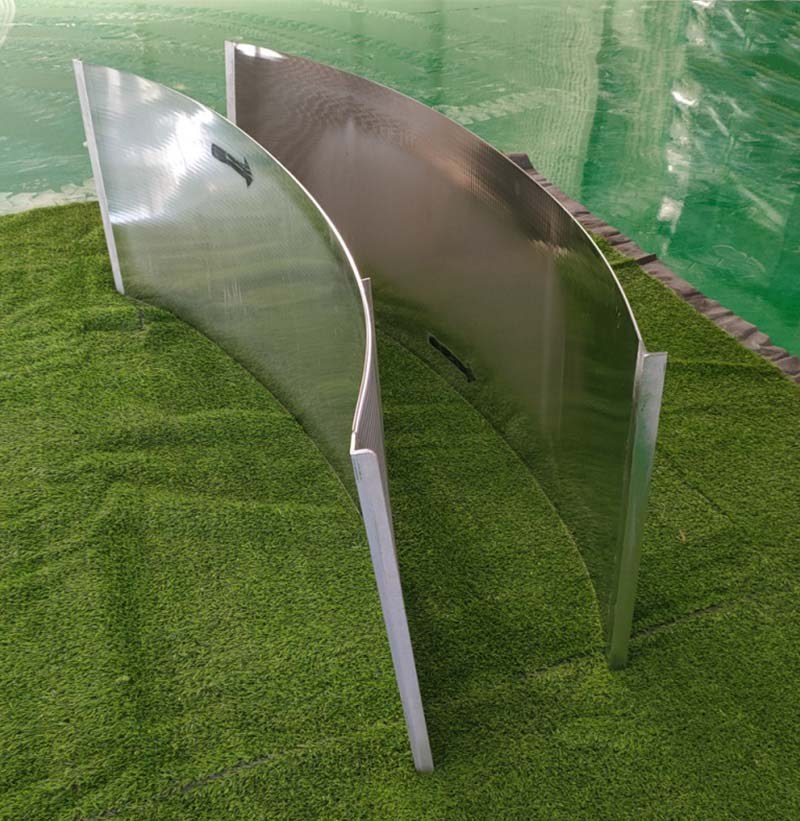
Sieve Bend Screen Capacity in Mineral Slurry Applications
Learn how feed distribution, solids concentration, slot opening and screen geometry determine useful sieve bend capacity in mineral slurry processing.