
Über uns
Ihr Experte Hersteller von Wedge Wire Screens;
Ihr zuverlässiger Partner und Innovationsquelle
Erhalten Sie ein kostenloses Angebot
-
Startseite

-
Blog
-
Branchenblog
- Sieve Bend Screen Capacity in Mineral Slurry Applications
Sieve Bend Screen Capacity in Mineral Slurry Applications
-
 Autor
Autor - 17,September
A slurry line can deliver more flow while leaving its discharged solids wetter. For mineral processing teams, that is the difficulty with sieve bend screen capacity: the useful limit depends on the separation achieved, as well as the feed accepted. Understanding how slurry crosses the curved panel helps explain why two screens with similar dimensions can perform differently.
Capacity depends on the separation duty
A sieve bend screen removes liquid and some fine particles as slurry travels across its curved surface. Coarser material continues toward the discharge. In tailings pre-dewatering, the useful result is less water accompanying retained solids. In classification, the size distribution of both outgoing streams matters. These duties can produce different capacity limits on the same panel.
Capacity figures need a clear measurement basis. A slurry flow in cubic metres per hour includes liquid and solids; dry tonnes per hour measures only solids. A rating per metre of screen width also differs from the total flow through an assembly. Comparing these figures without their units and feed conditions can create a misleading impression of spare capacity.
Feed distribution controls the width doing the work
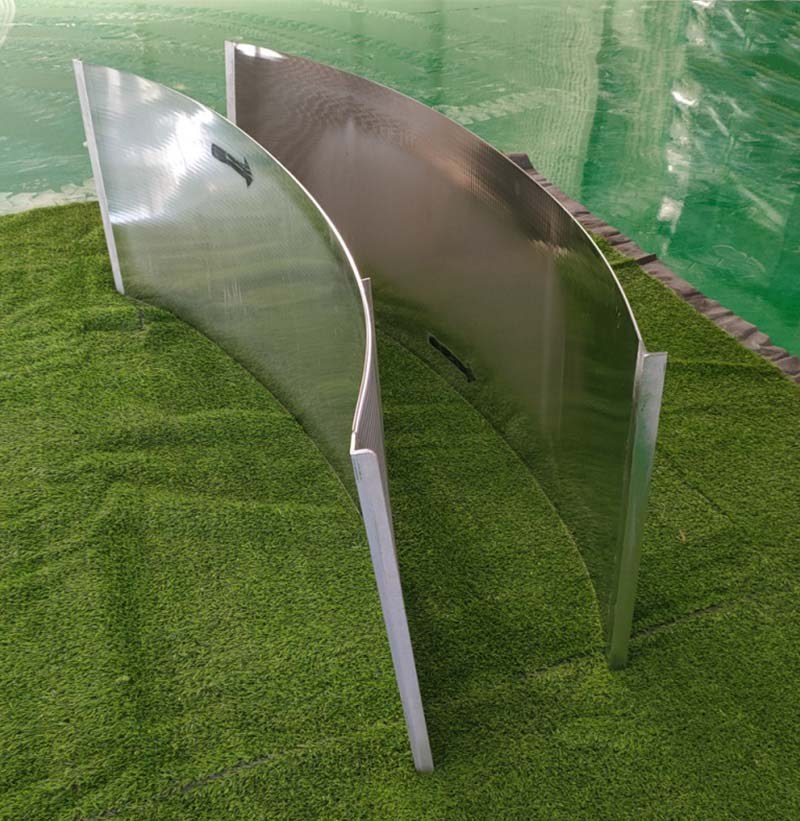
The separation mechanism depends on slurry arriving tangentially and spreading across the upper screen. Flow crosses the profile wires and slots, allowing successive wire edges to remove layers of liquid and undersize material. The feed box therefore influences how much of the screen can contribute to separation.
Uneven feeding concentrates the load into a smaller working width. A heavy stream down the centre can coexist with lightly loaded edges. Increasing the total feed in that condition intensifies local loading before the full panel is effectively used. Checking the distribution across the entry lip is a useful first response when discharge becomes unexpectedly wet.
Feed velocity belongs in the same assessment as distribution. A different feed head or gate setting changes how slurry reaches the arc, so a capacity figure established under one inlet condition cannot automatically describe another. A wider replacement panel needs an inlet arrangement that spreads the additional flow across that width.

Solids concentration changes the load behind the flow
Equal slurry volumes can carry very different solids loads. As an illustrative calculation, 100 cubic metres per hour at a measured slurry density of 1.2 tonnes per cubic metre and 20% solids by mass contains 24 dry tonnes per hour. The calculation is volume flow multiplied by slurry density and solids mass fraction; these values are assumptions, not a screen rating.
Particle size distribution also affects the separation that remains achievable at a given feed rate. A stream rich in fine particles behaves differently from a coarser feed, even when both have the same solids percentage. Clay content and slurry flow behaviour deserve attention when operating results change after a change in ore feed.
Dilution changes both sides of the capacity problem. Adding water reduces the solids concentration but increases the liquid volume that must be handled. It should therefore be judged against the measured separation result and downstream water load. A lower solids percentage alone does not establish that the circuit can accept more dry tonnes.

Slots and the curved surface set different limits
Der Keildrahtsieb provides continuous openings between supported profile wires. Slot width and wire width together influence the available drainage area. Opening the slots can increase drainage, but it also changes which particles pass through. A capacity improvement that sends valuable retained material into the undersize stream may undermine the purpose of the screen.
The curved path adds another design variable. Radius and wrap angle determine the developed arc length, while the screen width determines how broadly the feed can spread. Longer arcs can be relevant to feeds with a high solids content. Width, length and slot opening therefore need to be considered together, rather than reduced to one overall panel area.
Mineral slurry duties require the curved geometry to suit the intended classification or dewatering result. BTOSLOT offers stainless steel sieve bends for tailings dewatering, cyclone underflow classification and slurry thickening, with customizable slots. This makes the curved screen a relevant component to assess against the actual feed and separation objective.
A useful capacity check follows both outlet streams
An operating trial establishes sieve bend screen capacity more meaningfully when feed and separation are recorded together. At each stable feed condition, compare the water carried with retained solids and the particles reporting to the undersize. Increasing throughput is useful only while those results remain acceptable for the process.
Screen condition must remain part of that comparison. Deposits can obscure drainage openings, while wear changes the working wire edges. Comparing a clean panel with a worn or partly blinded panel can make a feed change appear responsible for a loss that has another cause. Record panel condition before interpreting the trial.
A representative trial should include the feed variation the plant actually encounters. Keep separate records for materially different solids concentrations or ore conditions instead of averaging them into one reassuring number. The resulting operating range is more useful than a peak flow observed briefly under favourable conditions.
The operating window matters more than peak flow
Useful capacity is the flow a sieve bend can process while preserving its intended separation. Even feeding makes the width available; slurry characteristics determine the load; slots and curvature govern how that load separates. Evaluate those conditions together, then confirm the operating range from both discharge streams before increasing plant throughput.
Häufig gestellte Fragen
What is the capacity of a sieve bend screen?
There is no single capacity for all sieve bends. The applicable figure depends on width, slot opening, wire profile, feed conditions and the required separation. Confirm whether a stated rate refers to slurry volume, dry solids or flow per unit width.
Does doubling screen width double capacity?
Additional width provides more parallel screening surface, but proportional capacity requires comparable loading and effective feed distribution. A narrow inlet stream can leave much of the extra width underused.
Can wider slots increase throughput?
Wider slots can improve drainage, but they also affect particle passage. Check the undersize and retained product before treating increased flow as a process improvement.
Why does capacity fall when the ore feed changes?
Changes in solids concentration, particle sizes and flow behaviour can alter separation at the same volumetric feed rate. Check these alongside feed distribution and panel condition.
Does a static sieve bend need a motor?
The static screen has no driven screening motion; it uses the incoming slurry’s energy and gravity. Pumps or other equipment supplying the feed can still consume power, so the complete circuit is not necessarily energy-free.
Letzter Beitrag

Verwandte Produkte
Bestverkaufte Produkte
Stärke Screen
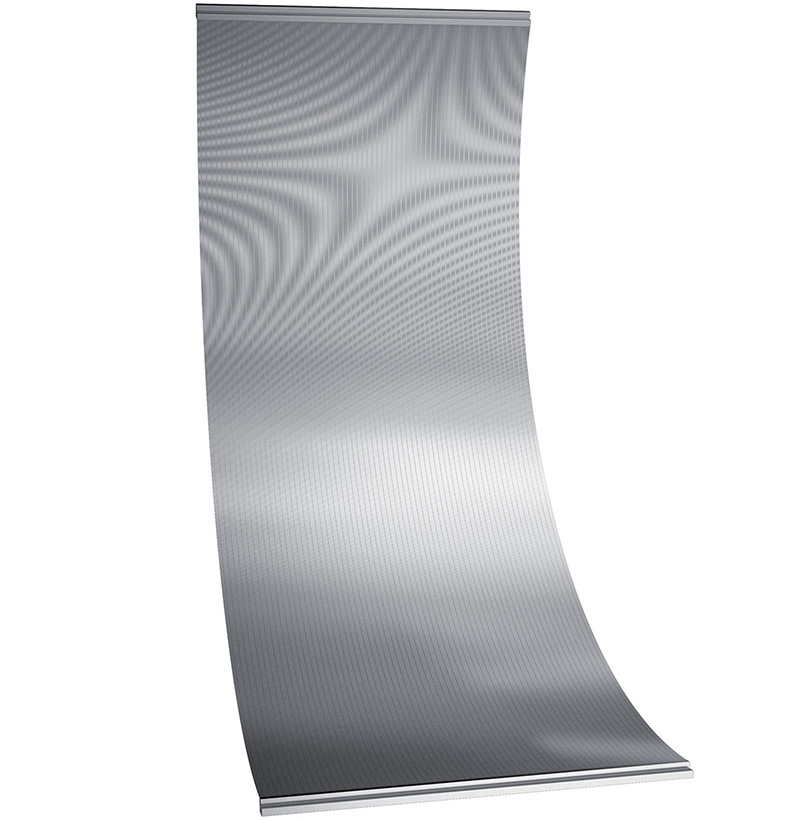
Der Wedge Wire Starch Curved Screen ist ein gekrümmtes Siebgerät, das speziell für die Stärkeindustrie entwickelt wurde. Es verfügt über eine bogenförmige Siebfläche aus präzise geschweißten V-Profil-Edelstahldrähten, die Zentrifugalkraft oder Schwerkraft nutzen, um eine schnelle Entwässerung und Klassifizierung von Stärkeslurry zu erreichen. Seine gekrümmte Struktur verlängert die Schlammretentionszeit und verbessert die Effizienz der Feststoff-Flüssigkeit-Trennung. Es eignet sich für Stärkeextraktion, Raffinierung und Nebenproduktrückgewinnungsprozesse für Stärke wie Kartoffel, Mais und Cassava. Diese Ausrüstung ist durch eine effiziente Siebung, Verschleiß- und Verstopfungsbeständigkeit und einfache Wartung gekennzeichnet und ist eine Schlüsselvorrichtung zur Feststoff-Flüssigkeit-Trennung in der modernen Stärkeverarbeitung.
Rotierende Trommel
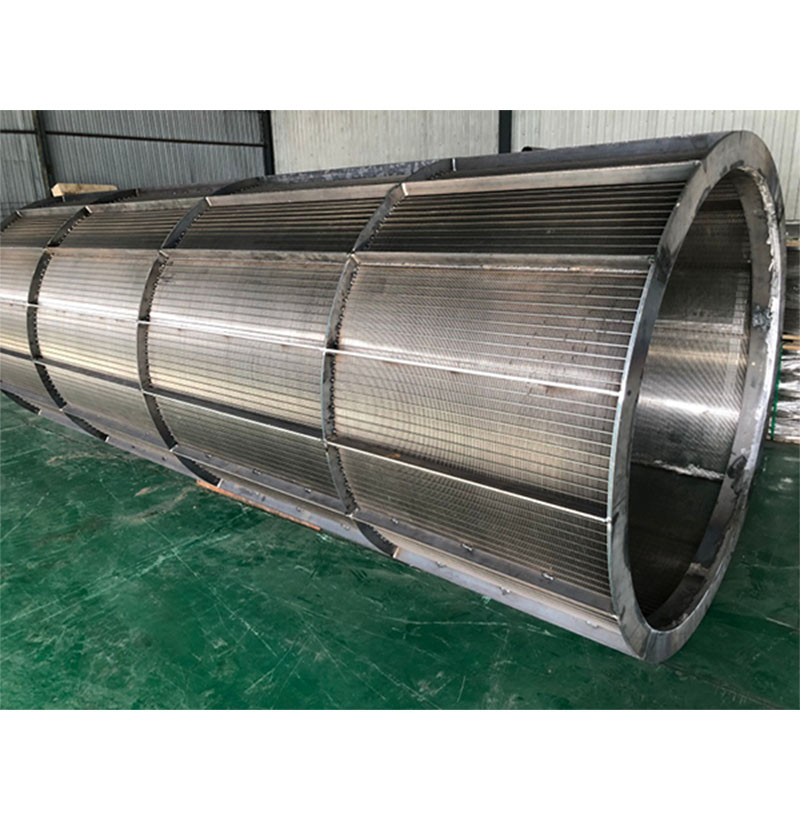
Der Edelstahl Keil Draht Rotary Drum Screen (auch bekannt als ein Rotary Drum Sieb oder Micro-Screen) ist eine kontinuierlich und automatisch arbeitende Front-End-Feststoff-Flüssigkeit-Trennvorrichtung. Sein Kernbauteil ist eine große zylindrische Trommel, die horizontal oder leicht geneigt installiert ist. Die gesamte Umfangsfläche der Trommel ist mit einem Edelstahlkeildrahtsieb (Johnson-Sieb) bedeckt. Das zu behandelnde Abwasser strömt in ein Ende der Trommel. Unter Schwerkraft passiert das Filtrat durch die Keildrahtschlitze, während feste Suspensionsstoffe (wie Fasern, Haare, Kunststoffstücke und feine Partikel) auf der Innenfläche der Trommel gehalten werden. Während sich die Trommel langsam dreht, wird der zurückgehaltene Trümmer nach oben angehoben, wo er durch Sprühwasser in eine Sammeltage gespült wird, wodurch ein kontinuierlicher Prozess der automatischen Siebung, Filtration und Rückstandsentfernung erreicht wird.
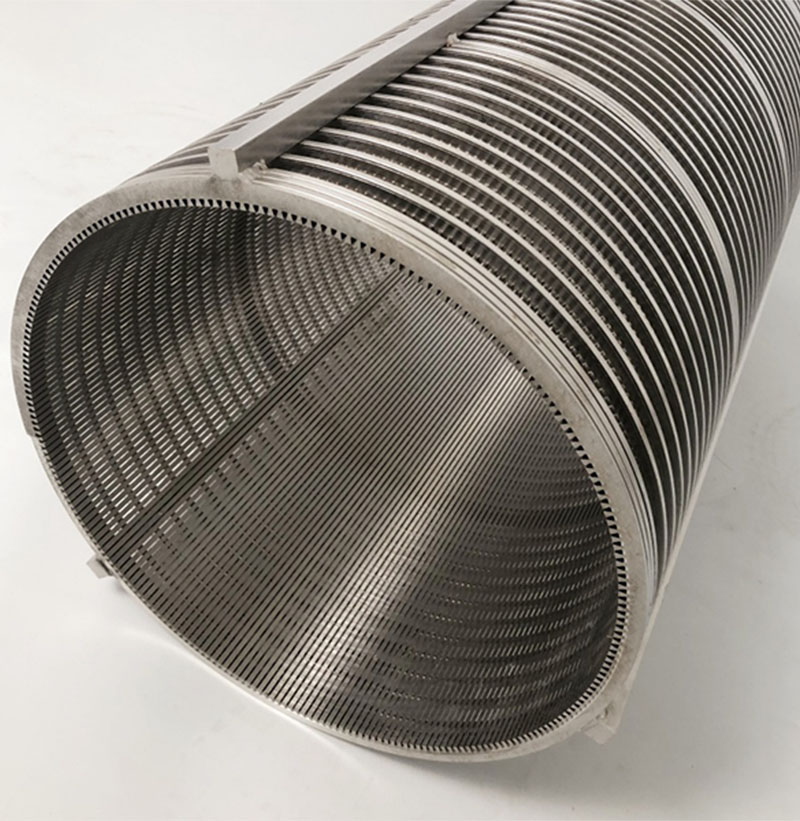
Siebkorb für Screw Press Separator
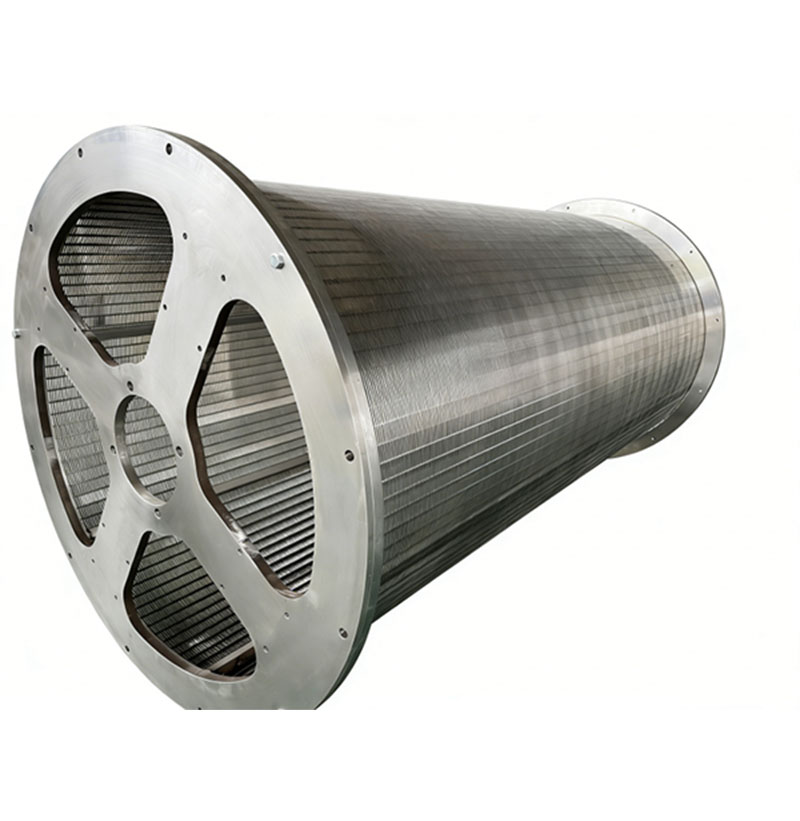
Der Edelstahl Keil Draht Sieb Korb, allgemein bekannt als der "V-Draht Sieb", "Presse Sieb Korb" oder "Sieb Zylinder", ist ein Kernkomponent der Schraubpresse Fest-Flüssigkeit-Separatoren. Es ist innerhalb der Spiralpresse installiert und umschließt die rotierende Schraubenwelle. Das Arbeitsprinzip lautet wie folgt: Rohslurry mit hohem Feuchtigkeitsgehalt wird durch die Schraubenwelle in den Siebkorb geschoben. Unter der Druck- und Förderwirkung der Spiralflüge wird die Flüssigkeit (Filtrat) durch die präzisen, kontinuierlichen Schlitze des Siebkorbs herausgedrückt, während das feste Material (Düngkuchen) im Inneren gehalten wird und weiterhin komprimiert und entwässert wird, während es sich nach vorne bewegt. Schließlich werden die entwässerten Feststoffe aus dem Auslass abgegeben, wodurch eine Feststoff-Flüssigkeit-Trennung erreicht wird.
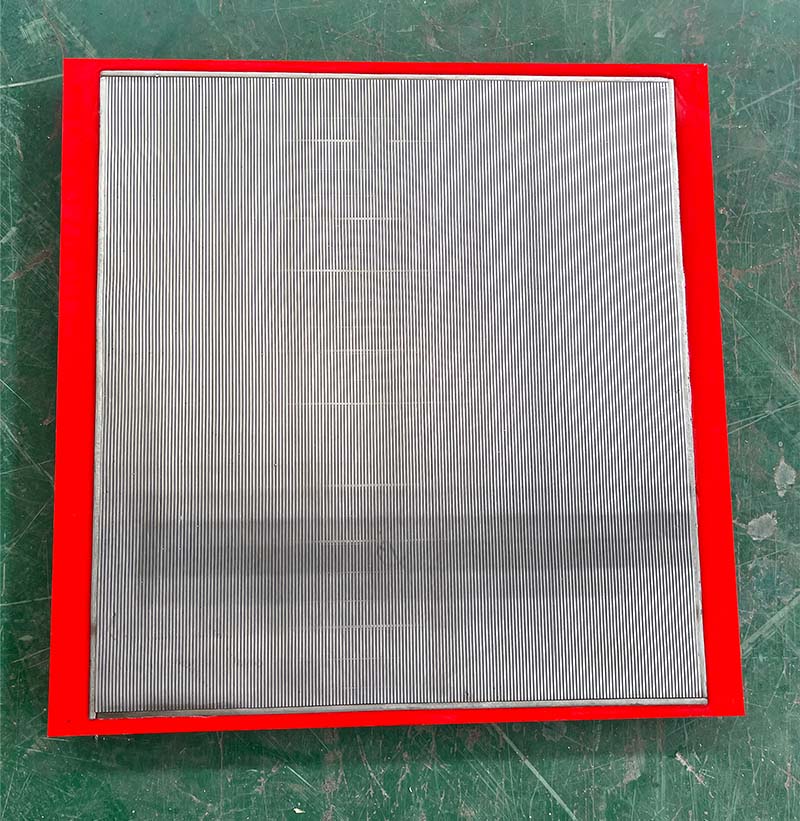
Keil Draht vibrierende Bildschirm
Ein Edelstahlkeildraht-Vibrationsschirm ist eine Fest-Flüssigkeit-Trennvorrichtung mit einer Siebfläche, die durch präzises Schweißen von V-förmigen Edelstahldrähten hergestellt wird, die in ein Hochfrequenzsvibrationssystem integriert ist. Mit einheitlichen Schlitzen, Verschleißbeständigkeit und Korrosionsbeständigkeit ist es für Nasssieb- und Entwässerungsvorgänge geeignet. Der Vibrationsmechanismus ermöglicht eine schnelle Materialverteilung und ein effizientes Sieben, während ein Verstopfen des Siebs effektiv verhindert wird. Weit in Industrien wie Bergbau, Metallurgie, Lebensmittelverarbeitung und Umweltschutz eingesetzt, ist es besonders geeignet für den Umgang mit feinen Partikeln, hochviskosen oder leicht agglomerierenden Materialien und bietet Vorteile wie hohe Siebgenauigkeit, große Verarbeitungskapazität und lange Lebensdauer.
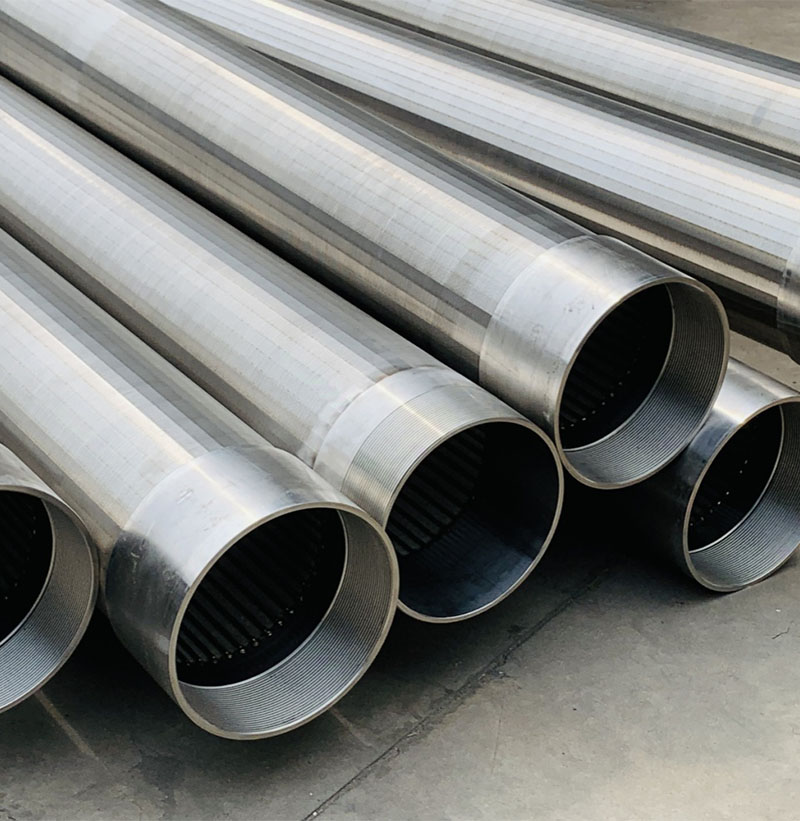
Keil Draht Wasser Brunnen Bildschirm
Johnson Deep Water Well Screens, auch als Continuous Slot Screens oder Wire Wrap Screens bezeichnet, wurden ursprünglich entwickelt, um Herausforderungen bei der Sandkontrolle in feinkörnigen und gleichmäßigen Sandformationen zu lösen. Diese geologischen Bedingungen sind häufig in tiefen Grundwasserwässern zu finden, wo herkömmliche Lochröhren oft unter Verstopfungen, übermäßiger Sandproduktion und reduzierter Brunneneffizienz leiden.
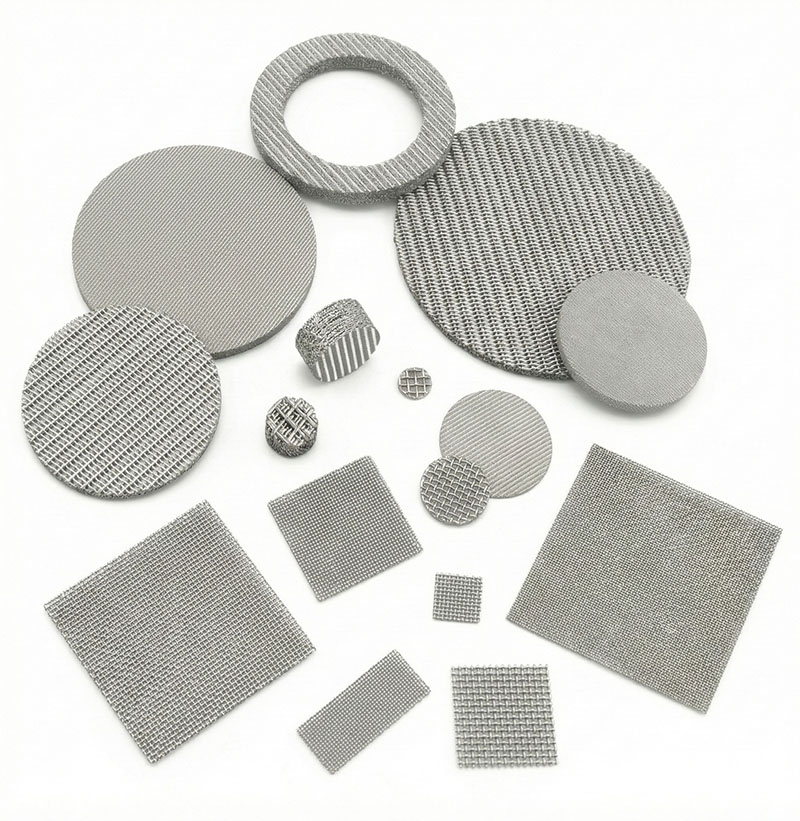
Sinterte Mesh Platte und Scheibe
Sintermaschenplatten und -scheiben sind hochpräzise Filtrationskomponenten, die durch das Verbinden mehrerer Schichten Edelstahldrahtmaschen durch einen spezialisierten Vakuumsinterprozess hergestellt werden. Im Gegensatz zu herkömmlichen Netzen, die sich allein auf mechanisches Weben verlassen, werden diese Platten an jedem Kontaktpunkt geschmolzen und verwandeln einzelne Drähte in ein starres, integriertes poröses Blech.Diese Platten können in verschiedene Formen angepasst werden, am häufigsten kreisförmige Scheiben, um spezifische Industriegeräte anzupassen. Sie bieten eine ideale Balance aus hoher Durchlässigkeit, extremer struktureller Integrität und präzisen Filtrationswerten. Da sie ausschließlich aus Metall (typischerweise 304 oder 316L) hergestellt sind, bieten sie eine "permanente" Filtrationslösung, die hohen Temperaturen und korrosiven Chemikalien standhalten kann, während sie vollständig reinigbar und wiederverwendbar bleiben.