
Über uns
Ihr Experte Hersteller von Wedge Wire Screens;
Ihr zuverlässiger Partner und Innovationsquelle
Erhalten Sie ein kostenloses Angebot
-
Startseite

-
Blog
-
Branchenblog
- How Interstage Screens Keep Carbon in Gold Slurry Circuits
How Interstage Screens Keep Carbon in Gold Slurry Circuits
-
 Autor
- 1,Oktober
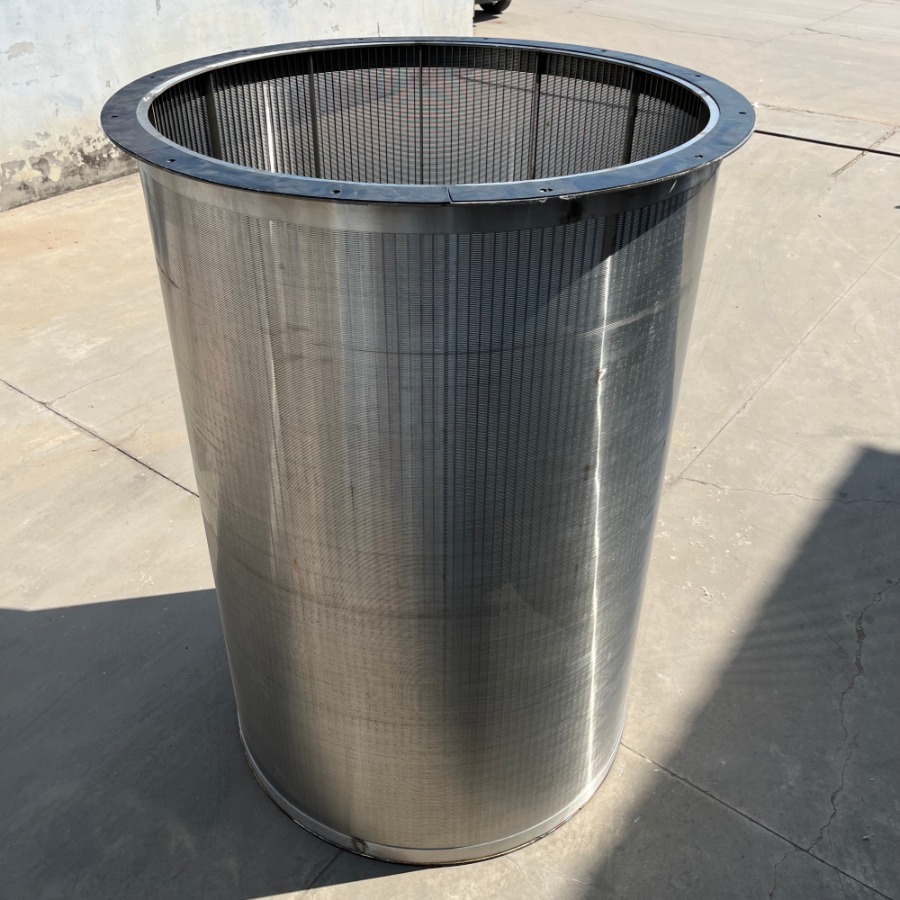
In a gold adsorption circuit, carbon must move countercurrent while the much finer slurry continues through the tanks. When that separation becomes unstable, operators do not merely lose a tidy flow pattern: carbon can be misplaced, slurry transfer can slow, and the recovery circuit becomes harder to control. An interstage screen gives that handoff a defined boundary, but its value depends on how it manages carbon, slurry, abrasion, and cleaning as one continuous duty.
The separation problem between CIL and CIP tanks
Carbon-in-leach and carbon-in-pulp circuits use a series of agitated tanks, yet the material streams have different jobs. Fine ore pulp carries the leached solution forward, while coarser activated carbon is retained and transferred in the opposite direction. The screen between stages has to preserve that distinction without becoming a choke point for the slurry.
This is why interstage screening is not simply a size-cut exercise. A nominal opening must retain the working carbon population while passing slurry at the needed rate, under agitation and with changing solids conditions. A screen that retains carbon but raises the liquid level, blinds early, or creates uneven flow still disrupts the circuit it was meant to protect.
What the screen does during a normal transfer
A cylindrical interstage screen sits at the tank transfer point so slurry passes through its surface while activated carbon stays on the intended side. This supports the countercurrent path: pulp progresses through the tank train, and carbon transfers toward the previous adsorption stage.
A well-matched Zwischenbühne therefore gives the operator two useful controls at once. It keeps the carbon inventory where the circuit expects it and provides a known path for the slurry. The correct operating outcome is stable passage of pulp with minimal unintended carbon carryover, not an isolated claim about maximum open area.
Continuous slots change how slurry meets the surface
A long opening avoids repeated edge traps
A fully welded wedge wire cylinder uses profile wires and support rods to create continuous slots. Compared with an array of isolated holes, a continuous slot gives water and fine slurry more than one short path through the surface. Its V-shaped profile also widens behind the working face, which can make near-size material less likely to lodge deeply in the opening.
That geometry does not remove the need for inspection. Fibres, oversize carbon, scale, and sticky fines can still reduce available area. The practical advantage is keeping passageways accessible under appropriate agitation, flow, and cleaning conditions.

Carbon retention depends on the whole operating window
The useful slot decision begins with the actual carbon size distribution, not with a generic opening recommendation. Carbon attrition changes the proportion of fines over time, while ore fineness and slurry rheology influence how readily pulp passes through the screen. A suitable opening must account for the smallest carbon worth retaining and the duty that the slurry imposes on the screen face.
For a carbon retention screen, the operating review should also examine agitation, carbon transfer method, pulp density, available head, and cleaning access. These factors decide whether the chosen surface remains an efficient boundary between the two streams or becomes a restriction that operators have to work around.
The conditions below illustrate why an interstage duty should be assessed as a system rather than as a screen sheet alone:
- Carbon attrition: a growing fine-carbon fraction can narrow the margin between retention and carryover.
- Abrasive pulp: fine ore continuously wears the working surface and can alter a once-consistent separation.
- Foreign material: fibres and debris can bridge openings even when the carbon itself is correctly sized.
- Variable slurry density: changing viscosity can affect throughput and the tendency for local surface loading.
| Observed condition | Likely screen effect | Useful first check |
| Higher carbon fines | More risk of unwanted carbon passage | Review current carbon size distribution and attrition trend |
| Reduced slurry transfer | Available area may be loading or blinding | Check debris, pulp density, and the cleaning routine |
| Uneven tank levels | Flow may be restricted or poorly distributed | Inspect screen condition and transfer hydraulics together |
| Fast surface wear | Slot shape and support structure can change over time | Compare wear location with slurry direction and agitation |
The fit with the tank matters as much as the surface
Flow direction and access shape maintenance
The screen assembly must suit the tank layout, transfer arrangement, and removal path. A cylindrical surface with the wrong diameter, length, mounting details, or clearances can make inspection and replacement harder than it needs to be. It can also create local flow conditions that add wear or concentrate material against a limited part of the surface.
BTOSLOT builds its interstage model as a stainless steel wedge wire cylinder for CIL and CIP tank service, with material and dimensions selected around the application. That is relevant because a Johnson-Keildrahtsieb is most useful when its slot, cylinder geometry, supports, and connections are considered together with the plant’s carbon and slurry data.
A sensible data set for the design discussion includes tank geometry, process flow, carbon size range, expected attrition, pulp density, ore abrasiveness, chemistry, transfer method, and how the screen will be cleaned or removed. These inputs help a plant distinguish a routine replacement from a geometry or operating mismatch that would repeat with the next unit.

A focused takeaway for gold slurry circuits
An interstage screen keeps activated carbon and gold slurry on their intended countercurrent paths by allowing the fine pulp stream to pass while retaining the coarser adsorption media. Stable performance comes from matching the continuous slot surface to real carbon size, slurry behavior, tank hydraulics, wear exposure, and maintenance access.
The next practical step is to compare carbon carryover, slurry transfer, and surface condition with representative process data. This shows whether the priority is a different slot, cylinder arrangement, cleaning method, or upstream change.
Häufig gestellte Fragen
What is an interstage screen in a gold plant?
It is a separation device used between adsorption stages in CIP or CIL circuits. It retains activated carbon or another granular adsorbent while allowing the finer slurry stream to continue through the process.
Can the same interstage screen work in both CIL and CIP?
Both circuits need controlled separation of carbon and slurry, but tank layout, transfer method, chemistry, and operating conditions may differ. The assembly should be matched to the specific circuit rather than assumed interchangeable.
Why is activated carbon retained instead of passing with the slurry?
The carbon carries adsorbed gold and must follow its planned countercurrent route for recovery. Letting it pass with the slurry can disturb inventory control and send valuable carbon toward downstream sections where it is not intended to go.
What usually causes an interstage screen to blind?
Foreign material, fibres, scale, sticky fines, local overloading, or an unsuitable cleaning arrangement can reduce open area. A diagnosis should check the surface condition alongside changes in slurry density, carbon condition, and tank operation.
Letzter Beitrag
Verwandte Produkte
Bestverkaufte Produkte
Stärke Screen
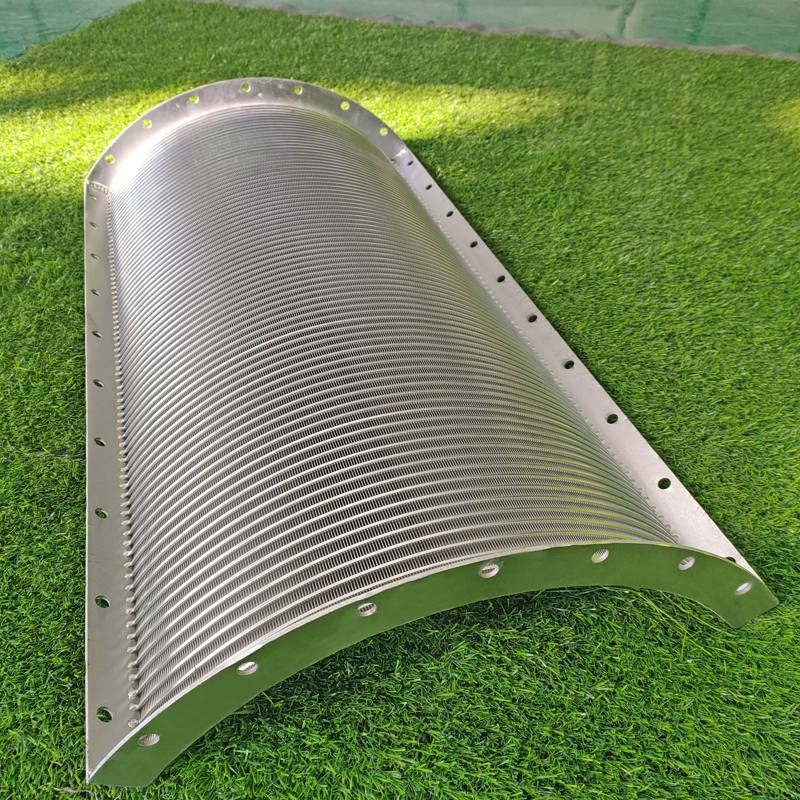
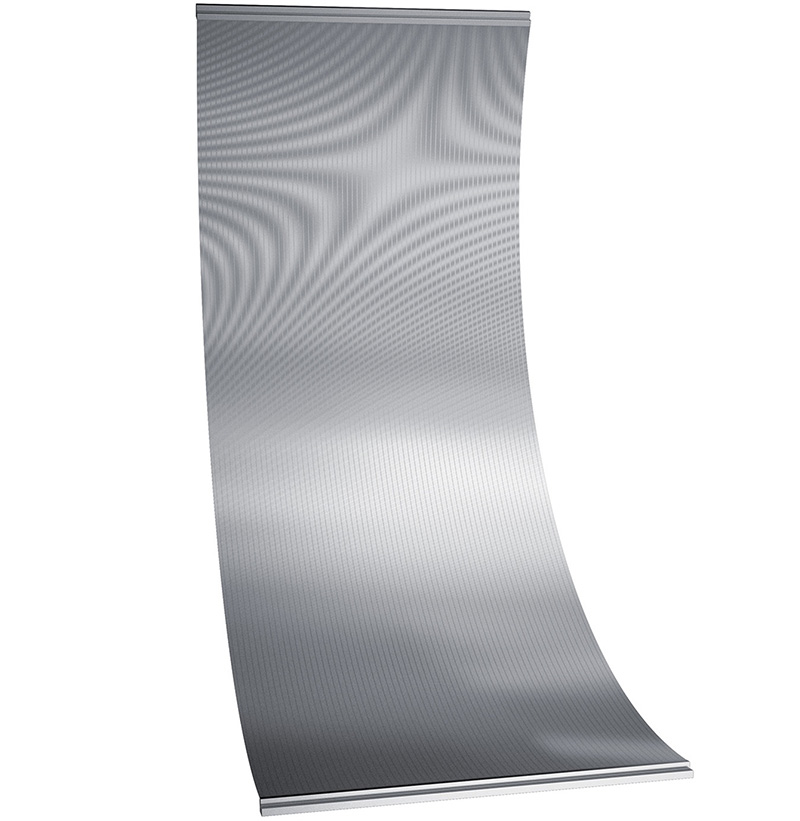
Der Wedge Wire Starch Curved Screen ist ein gekrümmtes Siebgerät, das speziell für die Stärkeindustrie entwickelt wurde. Es verfügt über eine bogenförmige Siebfläche aus präzise geschweißten V-Profil-Edelstahldrähten, die Zentrifugalkraft oder Schwerkraft nutzen, um eine schnelle Entwässerung und Klassifizierung von Stärkeslurry zu erreichen. Seine gekrümmte Struktur verlängert die Schlammretentionszeit und verbessert die Effizienz der Feststoff-Flüssigkeit-Trennung. Es eignet sich für Stärkeextraktion, Raffinierung und Nebenproduktrückgewinnungsprozesse für Stärke wie Kartoffel, Mais und Cassava. Diese Ausrüstung ist durch eine effiziente Siebung, Verschleiß- und Verstopfungsbeständigkeit und einfache Wartung gekennzeichnet und ist eine Schlüsselvorrichtung zur Feststoff-Flüssigkeit-Trennung in der modernen Stärkeverarbeitung.
Rotierende Trommel
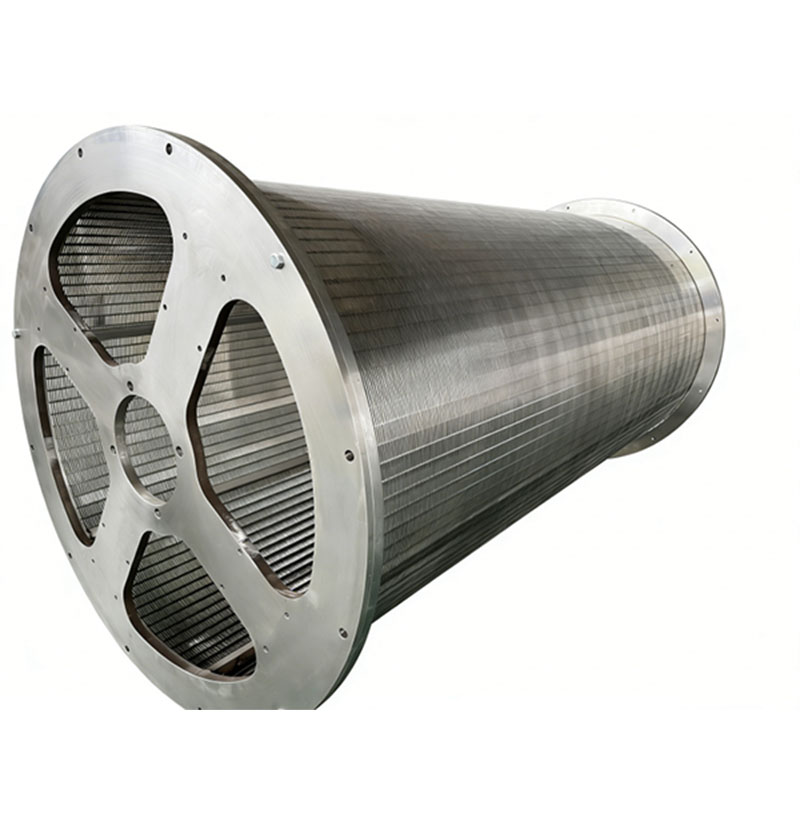
Der Edelstahl Keil Draht Rotary Drum Screen (auch bekannt als ein Rotary Drum Sieb oder Micro-Screen) ist eine kontinuierlich und automatisch arbeitende Front-End-Feststoff-Flüssigkeit-Trennvorrichtung. Sein Kernbauteil ist eine große zylindrische Trommel, die horizontal oder leicht geneigt installiert ist. Die gesamte Umfangsfläche der Trommel ist mit einem Edelstahlkeildrahtsieb (Johnson-Sieb) bedeckt. Das zu behandelnde Abwasser strömt in ein Ende der Trommel. Unter Schwerkraft passiert das Filtrat durch die Keildrahtschlitze, während feste Suspensionsstoffe (wie Fasern, Haare, Kunststoffstücke und feine Partikel) auf der Innenfläche der Trommel gehalten werden. Während sich die Trommel langsam dreht, wird der zurückgehaltene Trümmer nach oben angehoben, wo er durch Sprühwasser in eine Sammeltage gespült wird, wodurch ein kontinuierlicher Prozess der automatischen Siebung, Filtration und Rückstandsentfernung erreicht wird.
Siebkorb für Screw Press Separator
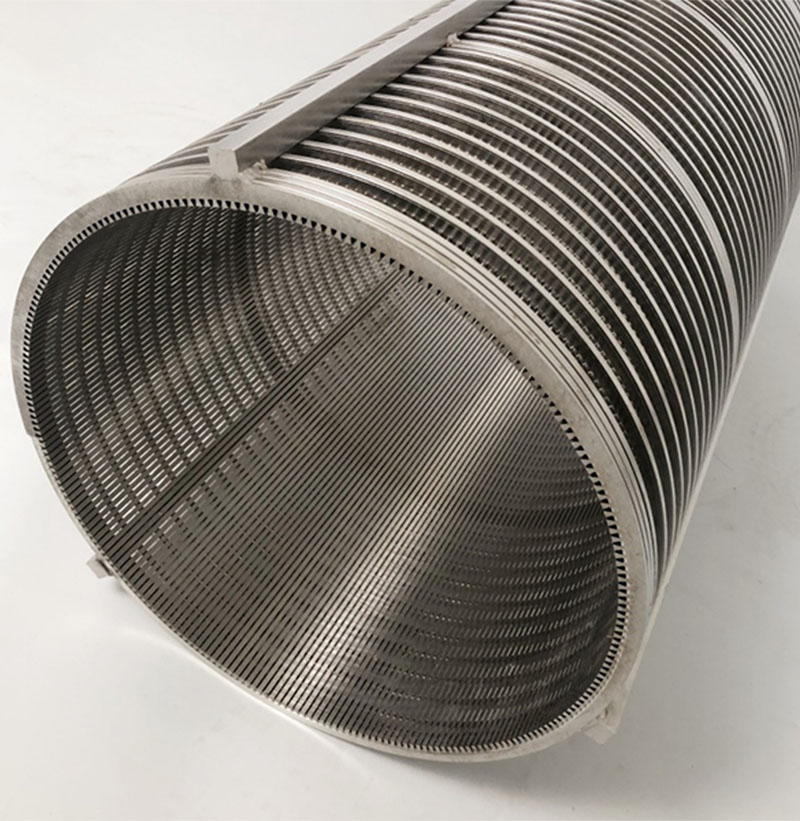
Der Edelstahl Keil Draht Sieb Korb, allgemein bekannt als der "V-Draht Sieb", "Presse Sieb Korb" oder "Sieb Zylinder", ist ein Kernkomponent der Schraubpresse Fest-Flüssigkeit-Separatoren. Es ist innerhalb der Spiralpresse installiert und umschließt die rotierende Schraubenwelle. Das Arbeitsprinzip lautet wie folgt: Rohslurry mit hohem Feuchtigkeitsgehalt wird durch die Schraubenwelle in den Siebkorb geschoben. Unter der Druck- und Förderwirkung der Spiralflüge wird die Flüssigkeit (Filtrat) durch die präzisen, kontinuierlichen Schlitze des Siebkorbs herausgedrückt, während das feste Material (Düngkuchen) im Inneren gehalten wird und weiterhin komprimiert und entwässert wird, während es sich nach vorne bewegt. Schließlich werden die entwässerten Feststoffe aus dem Auslass abgegeben, wodurch eine Feststoff-Flüssigkeit-Trennung erreicht wird.
Keil Draht vibrierende Bildschirm
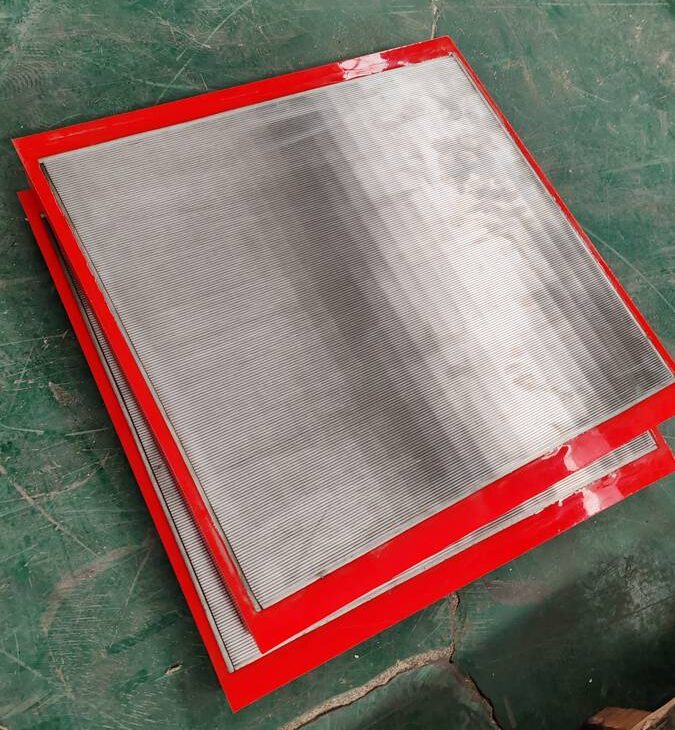
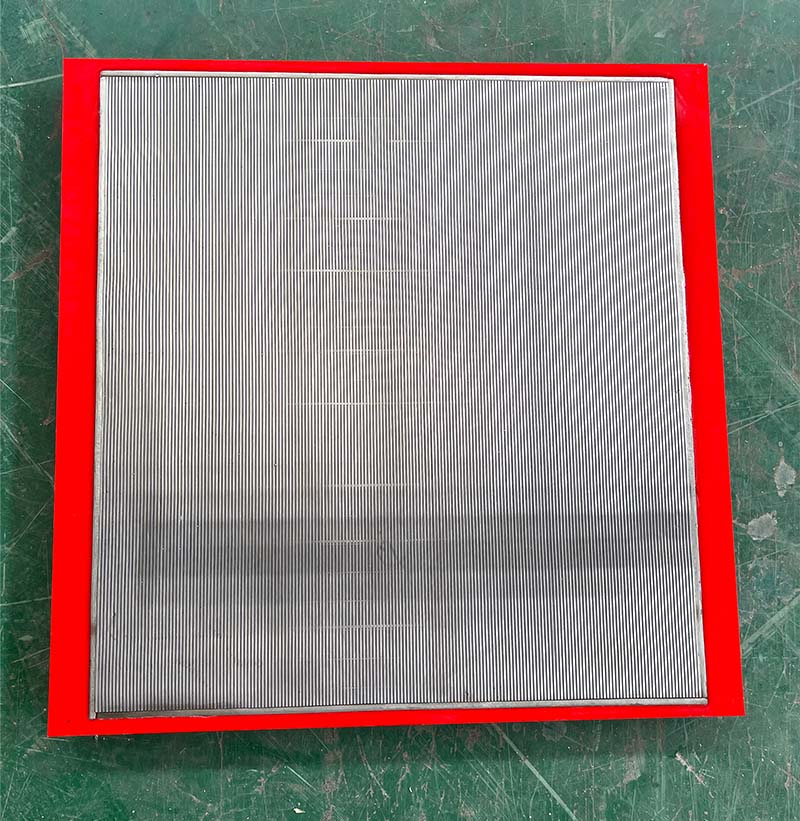
Ein Edelstahlkeildraht-Vibrationsschirm ist eine Fest-Flüssigkeit-Trennvorrichtung mit einer Siebfläche, die durch präzises Schweißen von V-förmigen Edelstahldrähten hergestellt wird, die in ein Hochfrequenzsvibrationssystem integriert ist. Mit einheitlichen Schlitzen, Verschleißbeständigkeit und Korrosionsbeständigkeit ist es für Nasssieb- und Entwässerungsvorgänge geeignet. Der Vibrationsmechanismus ermöglicht eine schnelle Materialverteilung und ein effizientes Sieben, während ein Verstopfen des Siebs effektiv verhindert wird. Weit in Industrien wie Bergbau, Metallurgie, Lebensmittelverarbeitung und Umweltschutz eingesetzt, ist es besonders geeignet für den Umgang mit feinen Partikeln, hochviskosen oder leicht agglomerierenden Materialien und bietet Vorteile wie hohe Siebgenauigkeit, große Verarbeitungskapazität und lange Lebensdauer.
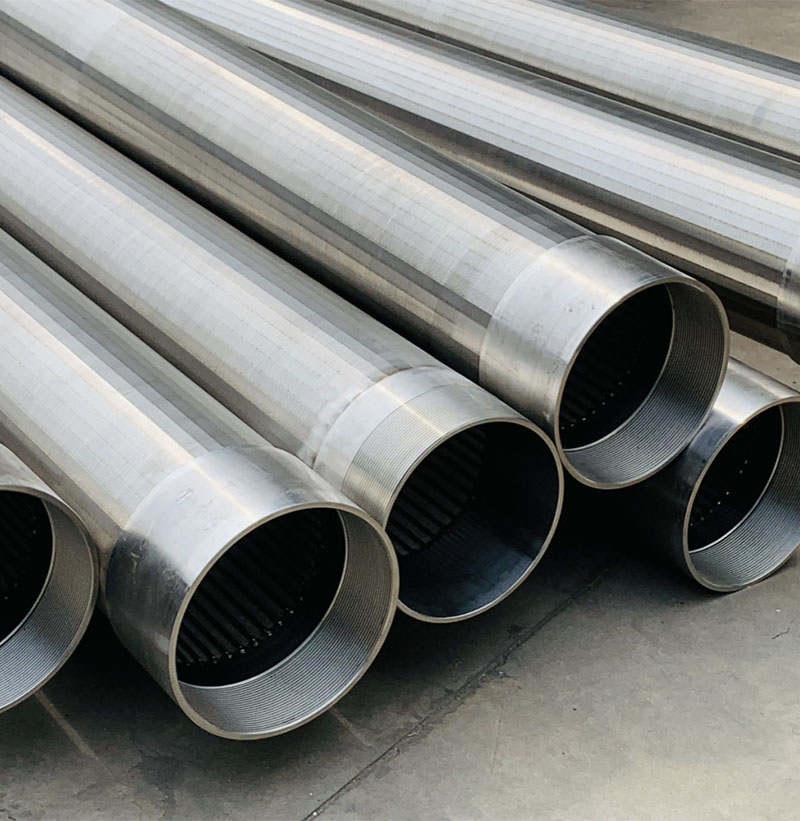
Keil Draht Wasser Brunnen Bildschirm
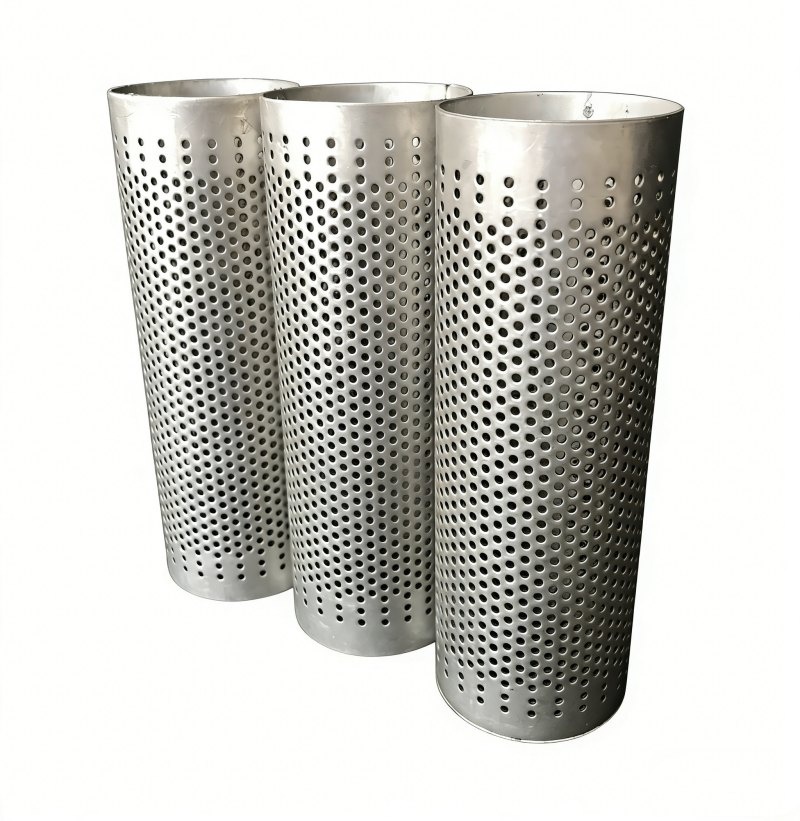
Johnson Deep Water Well Screens, auch als Continuous Slot Screens oder Wire Wrap Screens bezeichnet, wurden ursprünglich entwickelt, um Herausforderungen bei der Sandkontrolle in feinkörnigen und gleichmäßigen Sandformationen zu lösen. Diese geologischen Bedingungen sind häufig in tiefen Grundwasserwässern zu finden, wo herkömmliche Lochröhren oft unter Verstopfungen, übermäßiger Sandproduktion und reduzierter Brunneneffizienz leiden.
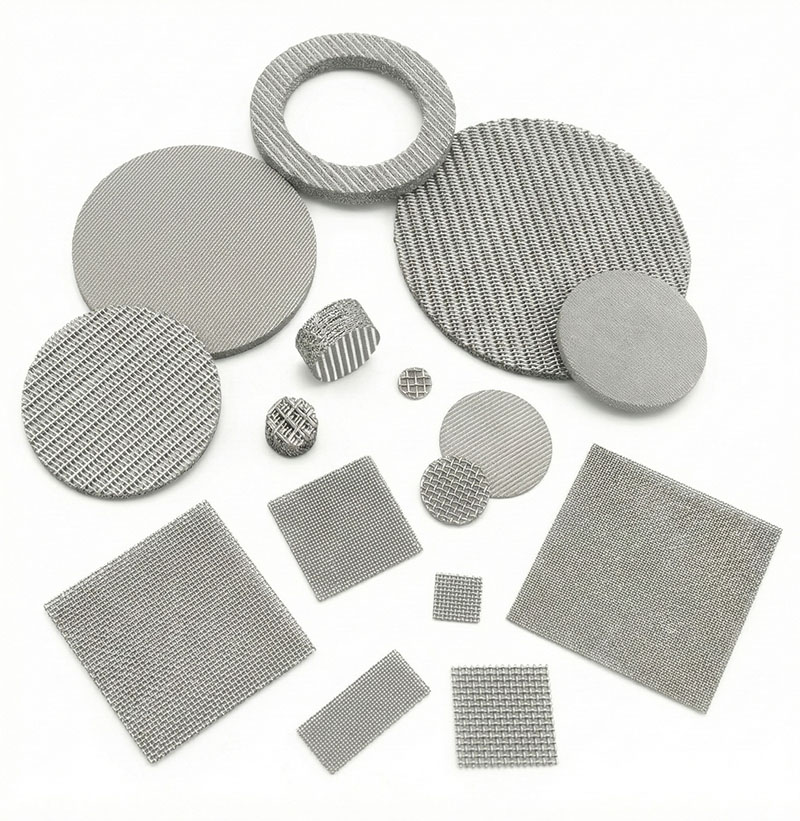
Sinterte Mesh Platte und Scheibe
Sintermaschenplatten und -scheiben sind hochpräzise Filtrationskomponenten, die durch das Verbinden mehrerer Schichten Edelstahldrahtmaschen durch einen spezialisierten Vakuumsinterprozess hergestellt werden. Im Gegensatz zu herkömmlichen Netzen, die sich allein auf mechanisches Weben verlassen, werden diese Platten an jedem Kontaktpunkt geschmolzen und verwandeln einzelne Drähte in ein starres, integriertes poröses Blech.Diese Platten können in verschiedene Formen angepasst werden, am häufigsten kreisförmige Scheiben, um spezifische Industriegeräte anzupassen. Sie bieten eine ideale Balance aus hoher Durchlässigkeit, extremer struktureller Integrität und präzisen Filtrationswerten. Da sie ausschließlich aus Metall (typischerweise 304 oder 316L) hergestellt sind, bieten sie eine "permanente" Filtrationslösung, die hohen Temperaturen und korrosiven Chemikalien standhalten kann, während sie vollständig reinigbar und wiederverwendbar bleiben.