
À propos de nous
Votre fabricant expert d'écrans de fil de coin;
Votre partenaire fiable et source d’innovation
Obtenez un devis gratuit
-
Accueil

-
Blog
-
Blog de l'industrie
- How Interstage Screens Keep Carbon in Gold Slurry Circuits
How Interstage Screens Keep Carbon in Gold Slurry Circuits
-
 auteur
- 1,octobre
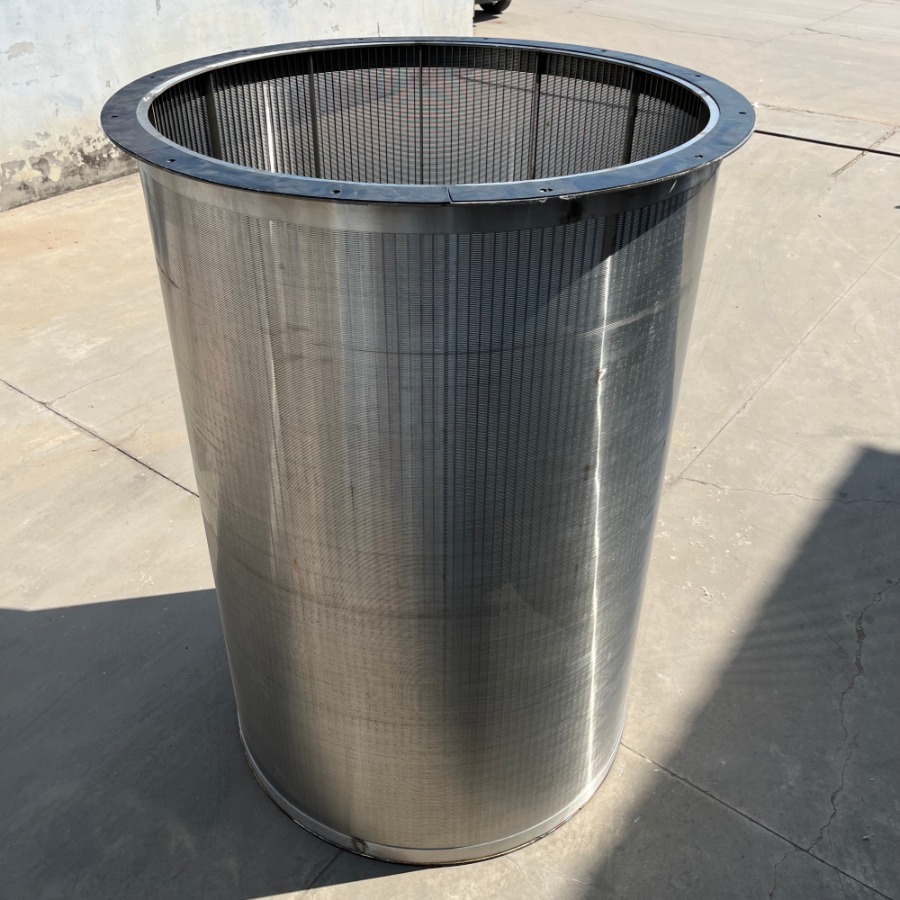
In a gold adsorption circuit, carbon must move countercurrent while the much finer slurry continues through the tanks. When that separation becomes unstable, operators do not merely lose a tidy flow pattern: carbon can be misplaced, slurry transfer can slow, and the recovery circuit becomes harder to control. An interstage screen gives that handoff a defined boundary, but its value depends on how it manages carbon, slurry, abrasion, and cleaning as one continuous duty.
The separation problem between CIL and CIP tanks
Carbon-in-leach and carbon-in-pulp circuits use a series of agitated tanks, yet the material streams have different jobs. Fine ore pulp carries the leached solution forward, while coarser activated carbon is retained and transferred in the opposite direction. The screen between stages has to preserve that distinction without becoming a choke point for the slurry.
This is why interstage screening is not simply a size-cut exercise. A nominal opening must retain the working carbon population while passing slurry at the needed rate, under agitation and with changing solids conditions. A screen that retains carbon but raises the liquid level, blinds early, or creates uneven flow still disrupts the circuit it was meant to protect.
What the screen does during a normal transfer
A cylindrical interstage screen sits at the tank transfer point so slurry passes through its surface while activated carbon stays on the intended side. This supports the countercurrent path: pulp progresses through the tank train, and carbon transfers toward the previous adsorption stage.
A well-matched écran intermédiaire therefore gives the operator two useful controls at once. It keeps the carbon inventory where the circuit expects it and provides a known path for the slurry. The correct operating outcome is stable passage of pulp with minimal unintended carbon carryover, not an isolated claim about maximum open area.
Continuous slots change how slurry meets the surface
A long opening avoids repeated edge traps
A fully welded wedge wire cylinder uses profile wires and support rods to create continuous slots. Compared with an array of isolated holes, a continuous slot gives water and fine slurry more than one short path through the surface. Its V-shaped profile also widens behind the working face, which can make near-size material less likely to lodge deeply in the opening.
That geometry does not remove the need for inspection. Fibres, oversize carbon, scale, and sticky fines can still reduce available area. The practical advantage is keeping passageways accessible under appropriate agitation, flow, and cleaning conditions.

Carbon retention depends on the whole operating window
The useful slot decision begins with the actual carbon size distribution, not with a generic opening recommendation. Carbon attrition changes the proportion of fines over time, while ore fineness and slurry rheology influence how readily pulp passes through the screen. A suitable opening must account for the smallest carbon worth retaining and the duty that the slurry imposes on the screen face.
For a carbon retention screen, the operating review should also examine agitation, carbon transfer method, pulp density, available head, and cleaning access. These factors decide whether the chosen surface remains an efficient boundary between the two streams or becomes a restriction that operators have to work around.
The conditions below illustrate why an interstage duty should be assessed as a system rather than as a screen sheet alone:
- Carbon attrition: a growing fine-carbon fraction can narrow the margin between retention and carryover.
- Abrasive pulp: fine ore continuously wears the working surface and can alter a once-consistent separation.
- Foreign material: fibres and debris can bridge openings even when the carbon itself is correctly sized.
- Variable slurry density: changing viscosity can affect throughput and the tendency for local surface loading.
| Observed condition | Likely screen effect | Useful first check |
| Higher carbon fines | More risk of unwanted carbon passage | Review current carbon size distribution and attrition trend |
| Reduced slurry transfer | Available area may be loading or blinding | Check debris, pulp density, and the cleaning routine |
| Uneven tank levels | Flow may be restricted or poorly distributed | Inspect screen condition and transfer hydraulics together |
| Fast surface wear | Slot shape and support structure can change over time | Compare wear location with slurry direction and agitation |
The fit with the tank matters as much as the surface
Flow direction and access shape maintenance
The screen assembly must suit the tank layout, transfer arrangement, and removal path. A cylindrical surface with the wrong diameter, length, mounting details, or clearances can make inspection and replacement harder than it needs to be. It can also create local flow conditions that add wear or concentrate material against a limited part of the surface.
BTOSLOT builds its interstage model as a stainless steel wedge wire cylinder for CIL and CIP tank service, with material and dimensions selected around the application. That is relevant because a tamis à coin Johnson is most useful when its slot, cylinder geometry, supports, and connections are considered together with the plant’s carbon and slurry data.
A sensible data set for the design discussion includes tank geometry, process flow, carbon size range, expected attrition, pulp density, ore abrasiveness, chemistry, transfer method, and how the screen will be cleaned or removed. These inputs help a plant distinguish a routine replacement from a geometry or operating mismatch that would repeat with the next unit.

A focused takeaway for gold slurry circuits
An interstage screen keeps activated carbon and gold slurry on their intended countercurrent paths by allowing the fine pulp stream to pass while retaining the coarser adsorption media. Stable performance comes from matching the continuous slot surface to real carbon size, slurry behavior, tank hydraulics, wear exposure, and maintenance access.
The next practical step is to compare carbon carryover, slurry transfer, and surface condition with representative process data. This shows whether the priority is a different slot, cylinder arrangement, cleaning method, or upstream change.
FAQ
What is an interstage screen in a gold plant?
It is a separation device used between adsorption stages in CIP or CIL circuits. It retains activated carbon or another granular adsorbent while allowing the finer slurry stream to continue through the process.
Can the same interstage screen work in both CIL and CIP?
Both circuits need controlled separation of carbon and slurry, but tank layout, transfer method, chemistry, and operating conditions may differ. The assembly should be matched to the specific circuit rather than assumed interchangeable.
Why is activated carbon retained instead of passing with the slurry?
The carbon carries adsorbed gold and must follow its planned countercurrent route for recovery. Letting it pass with the slurry can disturb inventory control and send valuable carbon toward downstream sections where it is not intended to go.
What usually causes an interstage screen to blind?
Foreign material, fibres, scale, sticky fines, local overloading, or an unsuitable cleaning arrangement can reduce open area. A diagnosis should check the surface condition alongside changes in slurry density, carbon condition, and tank operation.
Article récent
Produits connexes
Produits les plus vendus
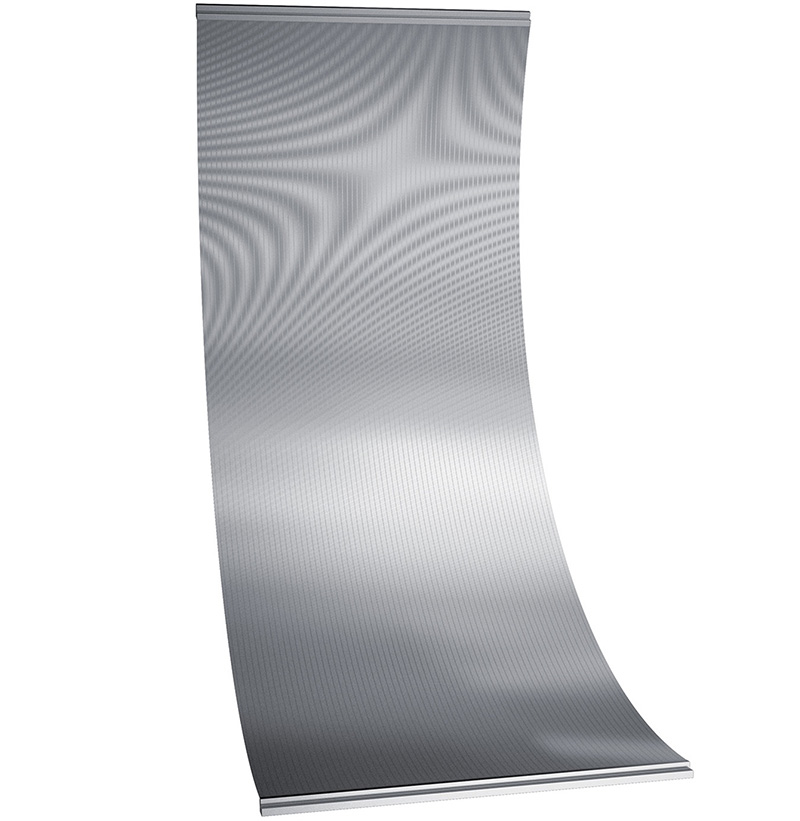
écran amidon
Le Wedge Wire Starch Curved Screen est un dispositif de criblage courbé spécialement conçu pour l'industrie de l'amidon. Il dispose d'une surface d'écran en forme d'arc faite de fils en acier inoxydable en profil V soudés avec précision, utilisant la force centrifuge ou la gravité pour réaliser une déshydratation rapide et la classification de la boue d'amidon. Sa structure courbe prolonge le temps de rétention des boues, améliorant l'efficacité de la séparation solide-liquide. Il convient pour l'extraction d'amidon, le raffinage et les processus de récupération de sous-produits pour les amidons tels que la pomme de terre, le maïs et le manioc. Caractérisé par un criblage efficace, une résistance à l'usure et à l'obstruction et une maintenance facile, cet équipement est un dispositif de séparation solide-liquide clé dans le traitement moderne de l'amidon.
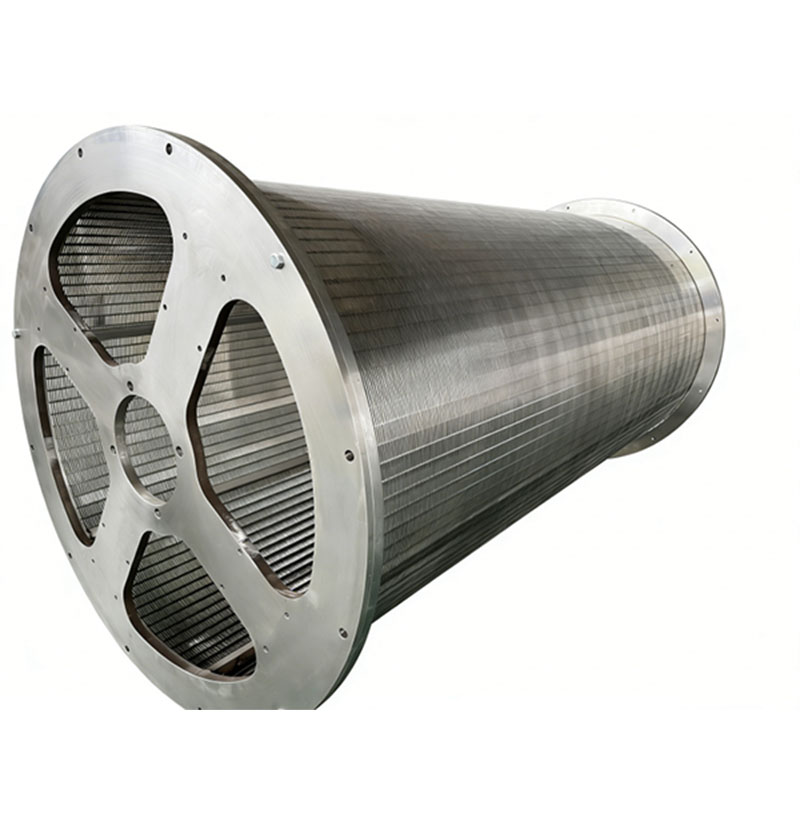
tambour rotatif
L'écran de tambour rotatif en acier inoxydable (également connu sous le nom de filtre de tambour rotatif ou micro-écran) est un dispositif de séparation solide-liquide frontal fonctionnant en continu et automatiquement. Son élément central est un grand tambour cylindrique installé horizontalement ou en légère inclinaison. Toute la surface circonférentielle du tambour est recouverte d'un écran en acier inoxydable (écran Johnson). Les eaux usées à traiter s'écoulent dans une extrémité du tambour. Sous la gravité, le filtrat passe à travers les fentes de fil de coin, tandis que la matière solide en suspension (telles que les fibres, les cheveux, les morceaux de plastique et les particules fines) est retenue sur la surface interne du tambour. Au fur et à mesure que le tambour tourne lentement, les débris retenus sont soulevés vers le haut, où ils sont rincés par l'eau pulvérisée dans un trou de collecte, permettant ainsi un processus continu de filtration automatique et d'élimination des résidus.
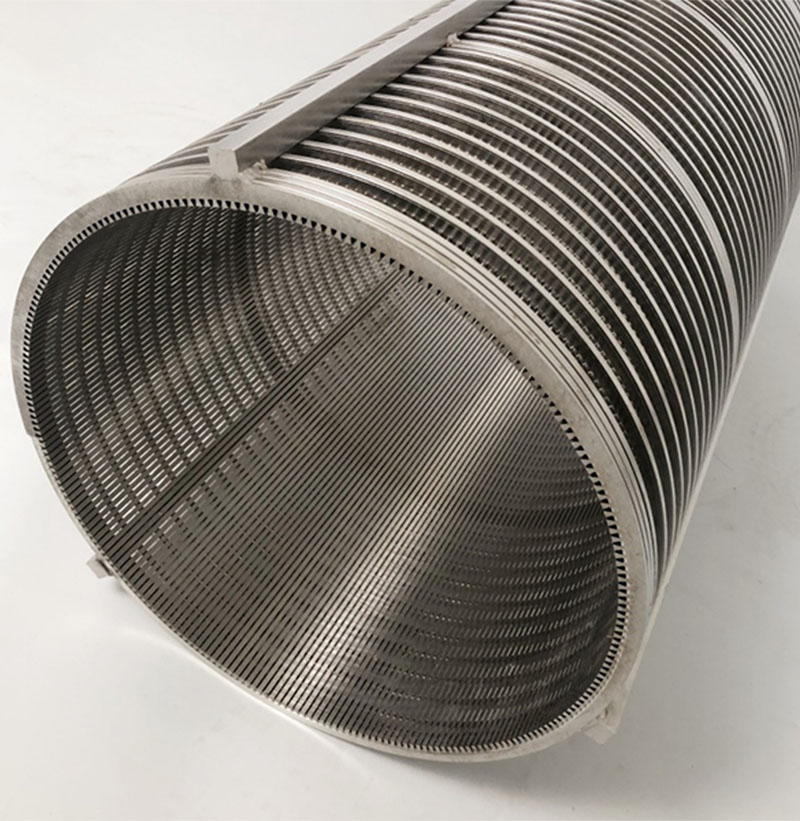
Panier d'écran pour séparateur de presse à vis
Le panier d'écran en fil de coin en acier inoxydable, communément connu sous le nom de "écran en V", "panier d'écran de presse" ou "cylindre d'écran", est un composant central des séparateurs solide-liquide de presse à vis. Il est installé à l'intérieur de la presse à spirale, encerclant l'arbre à vis rotatif. Le principe de fonctionnement est le suivant: la boue brute à forte teneur en humidité est poussée dans le panier d'écran par l'arbre à vis. Sous l'action de compression et de transport des vols en spirale, le liquide (filtrat) est forcé à travers les fentes précises et continues du panier d'écran, tandis que le matériau solide (gâteau de fumier) est retenu à l'intérieur et continue d'être comprimé et déshydraté au fur et à mesure qu'il avance. Enfin, les solides déshydratés sont déchargés de la sortie, permettant une séparation solide-liquide.
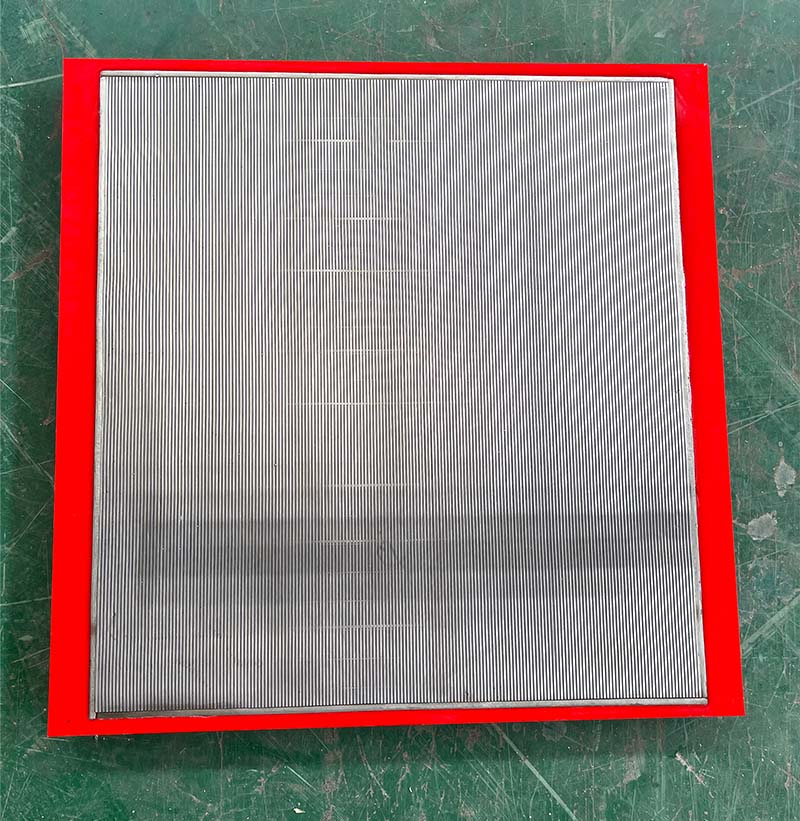
Ecran vibrant de fil de coin
Un écran vibrant en fil de coin en acier inoxydable est un dispositif de séparation solide-liquide comportant une surface d'écran réalisée par soudage précis de fils en acier inoxydable en forme de V, intégré à un système de vibration haute fréquence. Avec des fentes uniformes, une résistance à l'usure et une résistance à la corrosion, il convient aux opérations de filtrage humide et de déshydratation. Le mécanisme de vibration permet une dispersion rapide du matériau et un tamissage efficace tout en empêchant efficacement l'obstruction de l'écran. Largement utilisé dans des industries telles que l'exploitation minière, la métallurgie, la transformation des aliments et la protection de l'environnement, il est particulièrement adapté pour manipuler des particules fines, des matériaux à haute viscosité ou facilement agglomérables, offrant des avantages tels que la précision de criblage élevée, une grande capacité de traitement et une longue durée de vie.
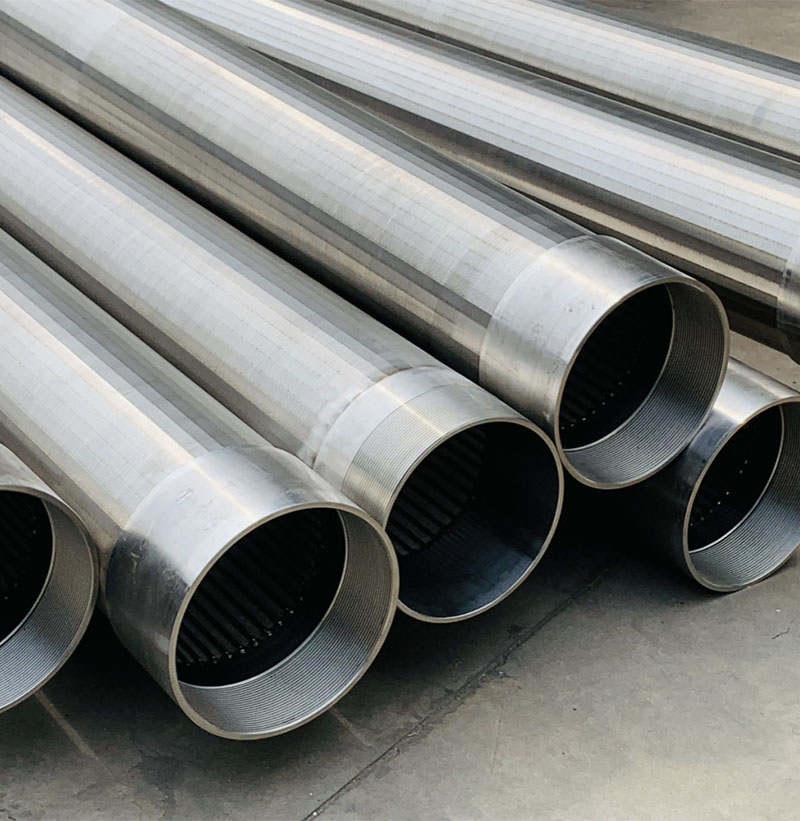
Écran de puits d'eau de fil de coin
Les écrans de puits d'eau profonde Johnson, également appelés écrans de fente continue ou écrans d'enveloppement de fil, ont été développés à l'origine pour résoudre les problèmes de contrôle du sable dans les formations de sable fine graine et uniforme. Ces conditions géologiques sont couramment rencontrées dans les aquifères souterrains profonds, où les tuyaux perforés conventionnels souffrent souvent d'obstruction, de production excessive de sable et de réduction de l'efficacité des puits.
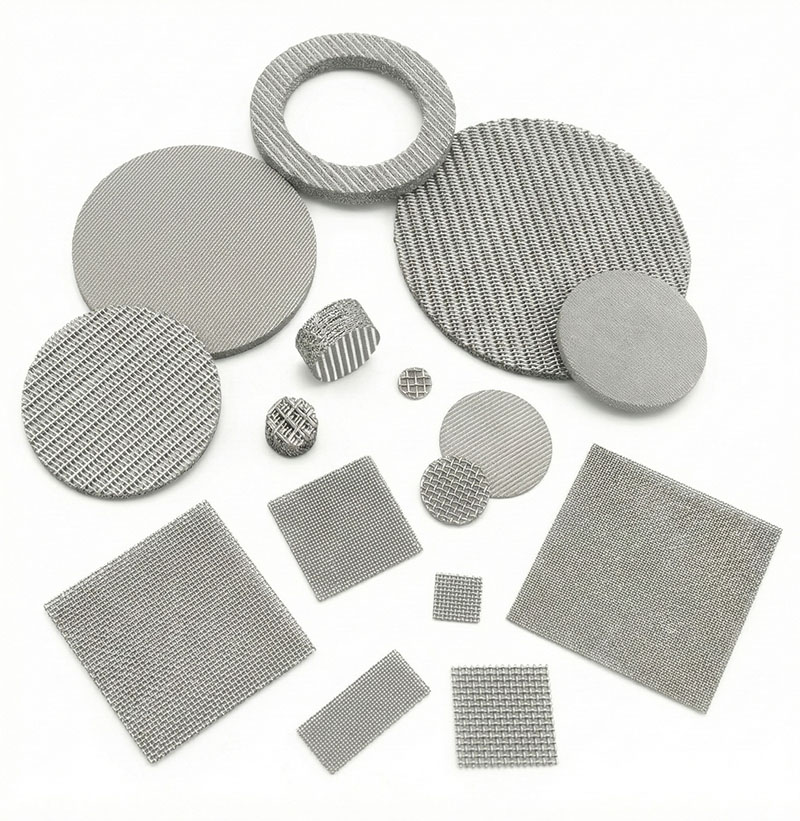
Plaque et disque en maille fritté
Les plaques et disques de maillage fritté sont des composants de filtration de haute précision fabriqués en liant plusieurs couches de maillage en acier inoxydable à travers un processus de frittage sous vide spécialisé. Contrairement au maillage traditionnel qui repose uniquement sur le tissage mécanique, ces plaques sont fusionnées à chaque point de contact, transformant des fils individuels en une tôle porouse rigide et intégrée.Ces plaques peuvent être personnalisées en différentes formes, le plus souvent des disques circulaires, pour s'adapter à des équipements industriels spécifiques. Ils offrent un équilibre idéal entre une perméabilité élevée, une intégrité structurelle extrême et des taux de filtration précis. Étant donné qu'ils sont entièrement en métal (généralement 304 ou 316L), ils fournissent une solution de filtration "permanente" qui peut résister aux températures élevées et aux produits chimiques corrosifs tout en restant entièrement nettoyables et réutilisables.