
Über uns
Ihr Experte Hersteller von Wedge Wire Screens;
Ihr zuverlässiger Partner und Innovationsquelle
Erhalten Sie ein kostenloses Angebot
-
Startseite

-
Blog
-
Branchenblog
- Wedge Wire Vibrating Screen Application in Slurry

Wedge Wire Vibrating Screen Application in Slurry
-
 Autor
Autor - 27,August
 Autor
Autor 
Mineral slurry combines fine solids, clay and water, yet the next process still needs a stable cut point. A vibrating wedge wire panel keeps slurry moving, limits blinding and supports repeatable dewatering. This article explains where it fits and which operating details should be confirmed before an upgrade.
Why slurry behaves differently on a vibrating screen
Slurry loading changes as ore hardness, water content and reagent conditions shift. A dry-sizing screen can lose capacity when wet fines form a film. Vibration repeatedly opens the bed, but the surface still determines whether particles release or lodge.
A wedge wire surface uses profile wires and support rods welded into a rigid panel. Continuous V-shaped slots present a narrow face opening and a wider channel behind it. Particles that pass the narrow point have room to move, so the path is less likely to trap them than a perforation or woven-wire intersection.
This is why a Johnson wedge wire screen remains useful in wet classification: it combines a stable frame with slot geometry that supports surface cleaning. Vibration supplies motion; the profile determines how solids and water respond.
Where the screen adds value in mineral processing
The most practical role for screening in mineral processing is fine-material dewatering after grinding, flotation or thickening. Vibration spreads the feed, while continuous slots give water a short route through the panel. The result is a drier underflow or concentrate stream without turning the screen into a pressure filter.
A second role is wet classification. When the circuit separates a target fraction from sub-millimetre to several-millimetre material, slot opening and vibration amplitude define the cut. The setting depends on particle-size distribution, slurry density and clay or fibrous content.
High-frequency dewatering screens are useful before transport, filtration or smelting. Higher open area can increase drainage, but the panel still needs support-rod strength for feed impact and machine acceleration. Specify a load-bearing assembly, not a loose mesh replacement.
A screening line usually gains the most from these four design choices:
*Continuous slots that match the required separation size and the actual particle-size distribution.
*A welded support pattern that resists vibration fatigue and keeps the panel flat under load.
*A material grade selected for abrasion, chloride exposure and any acidic or alkaline process liquor.
*Access for spray washing or backwashing so the operator can restore capacity without removing the panel.
How geometry affects slurry performance
The slot controls retention, throughput and near-size wedging. Choose it from the feed distribution and target product, then check real slurry behaviour. A pilot panel is often more reliable than a theoretical sieve curve when feed contains deformable clay or irregular particles.
Open area affects hydraulic loading. More area can lower resistance and improve water passage, but excessive opening or weak support spacing can reduce life. The useful design balances pressure drop with cut-point stability during vibration and wear.
Material selection follows chemistry and wear. 304 stainless steel suits general mineral slurry, while 316L or duplex grades fit chloride or acid-leach conditions. Abrasive ore may justify a stronger profile or wear-resistant treatment, provided it does not distort the slot.

A compact selection check for the slurry circuit
The following table ties specification to the operating problem. The same opening can behave differently under dense tailings and dilute classification feed.
| Operating concern | Screen response | Confirmation before order |
| Blinding by wet fines | V-shaped continuous slots plus vibration and wash access | Feed PSD, clay content and cleaning method |
| High impact and fatigue | Fully welded panel with adequate support-rod spacing | Acceleration, feed size and panel span |
| Moisture in concentrate | High effective open area and a thin vibrating bed | Target moisture, flow rate and solids density |
| Corrosion in process liquor | 304, 316L or duplex material selection | pH, chlorides, temperature and reagent exposure |
What a buyer should expect from a capable supplier
Ein zuverlässiger slurry screen manufacturer should translate process data into a drawing and a testable acceptance point. Cover slot opening, profile-wire size, support-rod layout, panel dimensions, edge sealing, material certificates and cleaning method. Ask how slot uniformity and weld integrity are verified.
BTOSLOT supports this kind of project with stainless wedge wire screens, mining screens and custom welded assemblies for wet screening and dewatering. Its product range includes the wedge wire vibrating screen format used on high-frequency equipment, while the broader mining screens range can be matched to panels, curved screens or other separation stages.
The supplier conversation should also separate product facts from process guarantees. A screen can be manufactured to a defined slot and material specification, but final throughput, moisture and wear life depend on the complete machine, feed and operating settings. A responsible quotation states what is controlled at manufacture and what must be validated in the plant.

Practical takeaway for a slurry upgrade
A wedge wire vibrating screen works best when the plant treats it as a process surface, not a generic replacement panel. Continuous V-shaped slots reduce lodging, vibration keeps the bed open, and a rigid welded structure preserves alignment under repeated loading. Together, these features support dewatering and wet classification when the opening, material and support layout match the actual slurry.
For a new or replacement panel, prepare the feed particle-size distribution, slurry density, target moisture or cut point, temperature, chemistry, machine acceleration and available cleaning method. Note whether spare mining screens must interchange with the existing frame. These inputs give the design team enough context to specify a panel that can be checked, installed and maintained with clear expectations.
Häufig gestellte Fragen
Can a vibrating wedge wire panel handle high-solids slurry?
Yes, when the support structure, open area and vibration settings are sized for the solids load. High-solids feed can still blind a screen if the slot is too small or the cleaning path is inadequate, so the feed distribution must be part of the design review.
Is wedge wire better than woven mesh for wet classification?
It can be more stable in wet service because the welded V-shaped slots avoid woven intersections and provide a wider internal channel. The best choice still depends on feed size, abrasion, required cut point and the machine frame.
How should slot size be selected for mineral slurry?
Start with the target retained fraction and the measured particle-size distribution. Then check near-size particles, clay content and the desired water flux. A pilot test or operating data from a comparable circuit is safer than relying on a nominal mesh number.
Letzter Beitrag
Verwandte Produkte
Bestverkaufte Produkte
Stärke Screen
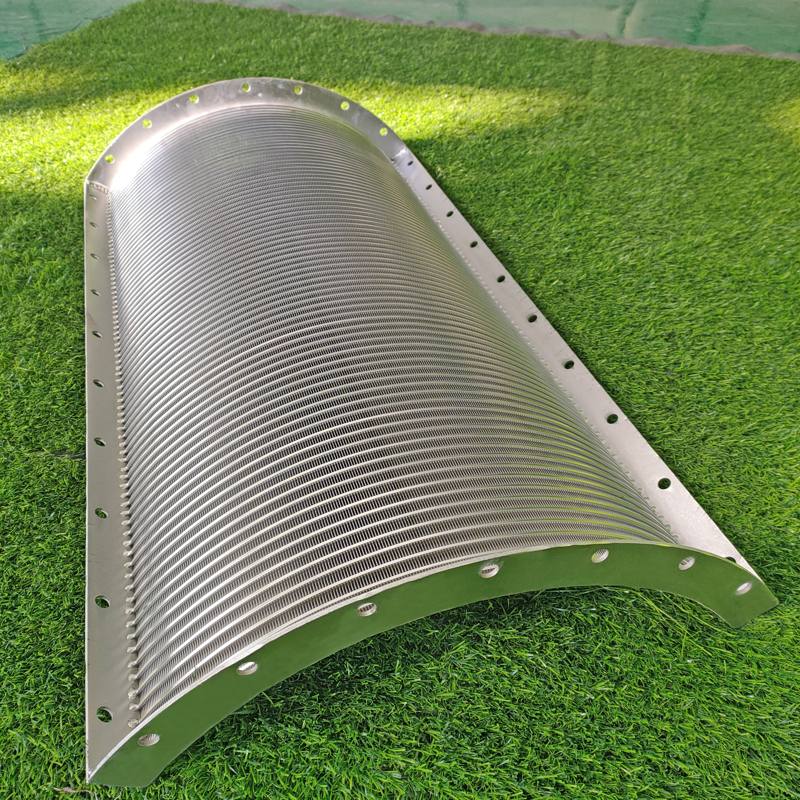
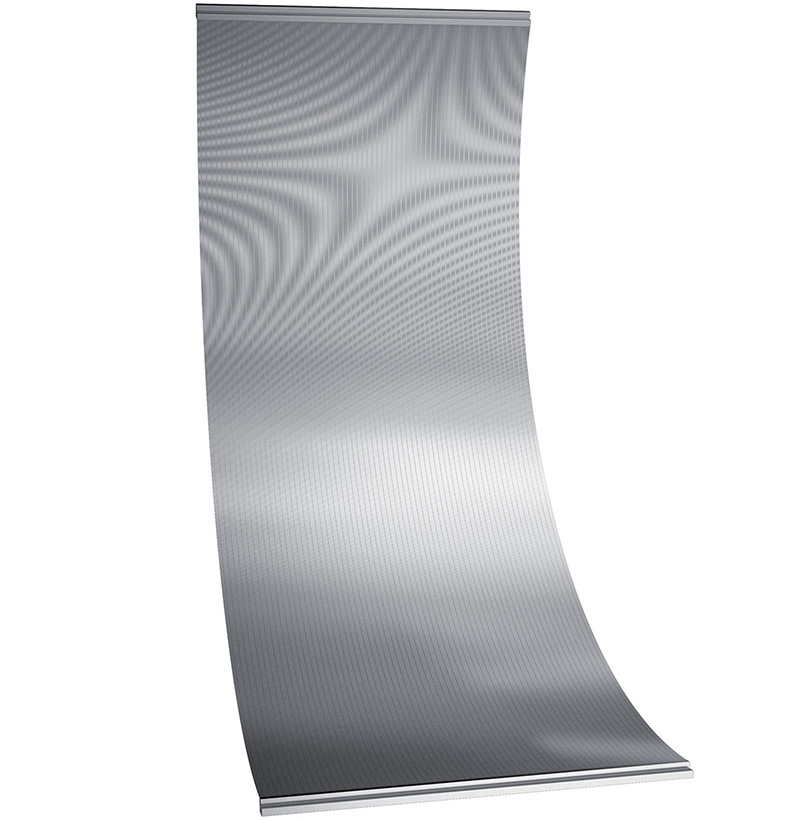
Der Wedge Wire Starch Curved Screen ist ein gekrümmtes Siebgerät, das speziell für die Stärkeindustrie entwickelt wurde. Es verfügt über eine bogenförmige Siebfläche aus präzise geschweißten V-Profil-Edelstahldrähten, die Zentrifugalkraft oder Schwerkraft nutzen, um eine schnelle Entwässerung und Klassifizierung von Stärkeslurry zu erreichen. Seine gekrümmte Struktur verlängert die Schlammretentionszeit und verbessert die Effizienz der Feststoff-Flüssigkeit-Trennung. Es eignet sich für Stärkeextraktion, Raffinierung und Nebenproduktrückgewinnungsprozesse für Stärke wie Kartoffel, Mais und Cassava. Diese Ausrüstung ist durch eine effiziente Siebung, Verschleiß- und Verstopfungsbeständigkeit und einfache Wartung gekennzeichnet und ist eine Schlüsselvorrichtung zur Feststoff-Flüssigkeit-Trennung in der modernen Stärkeverarbeitung.
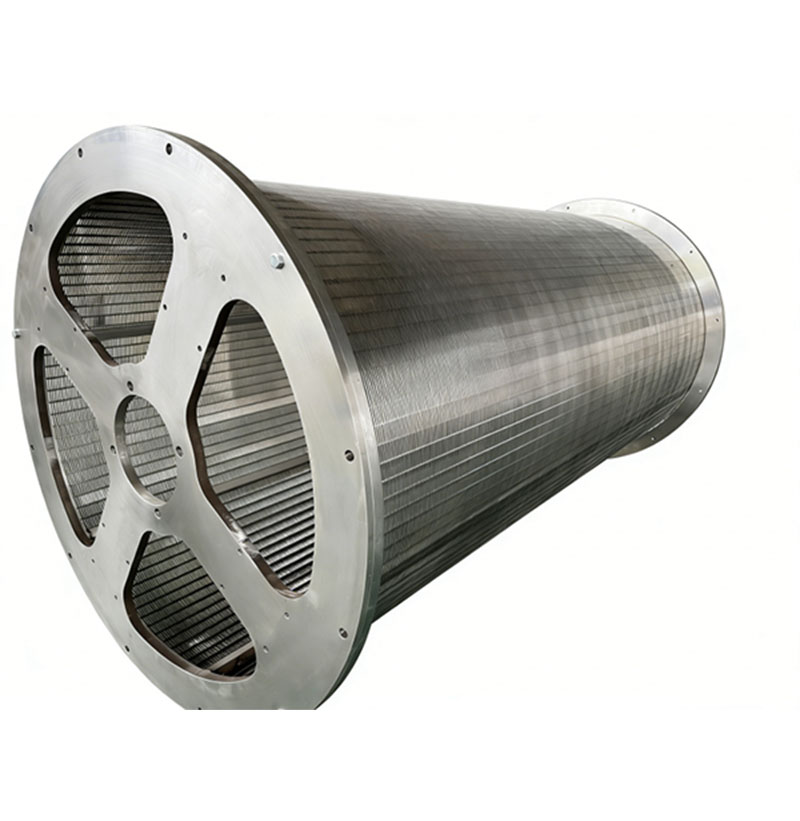
Rotierende Trommel
Der Edelstahl Keil Draht Rotary Drum Screen (auch bekannt als ein Rotary Drum Sieb oder Micro-Screen) ist eine kontinuierlich und automatisch arbeitende Front-End-Feststoff-Flüssigkeit-Trennvorrichtung. Sein Kernbauteil ist eine große zylindrische Trommel, die horizontal oder leicht geneigt installiert ist. Die gesamte Umfangsfläche der Trommel ist mit einem Edelstahlkeildrahtsieb (Johnson-Sieb) bedeckt. Das zu behandelnde Abwasser strömt in ein Ende der Trommel. Unter Schwerkraft passiert das Filtrat durch die Keildrahtschlitze, während feste Suspensionsstoffe (wie Fasern, Haare, Kunststoffstücke und feine Partikel) auf der Innenfläche der Trommel gehalten werden. Während sich die Trommel langsam dreht, wird der zurückgehaltene Trümmer nach oben angehoben, wo er durch Sprühwasser in eine Sammeltage gespült wird, wodurch ein kontinuierlicher Prozess der automatischen Siebung, Filtration und Rückstandsentfernung erreicht wird.
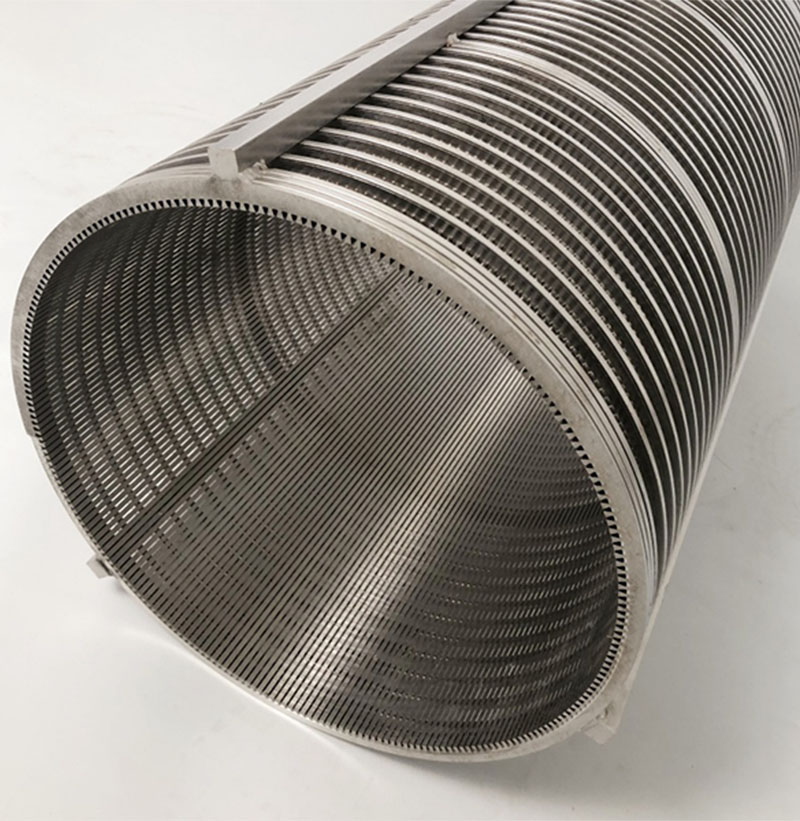
Siebkorb für Screw Press Separator
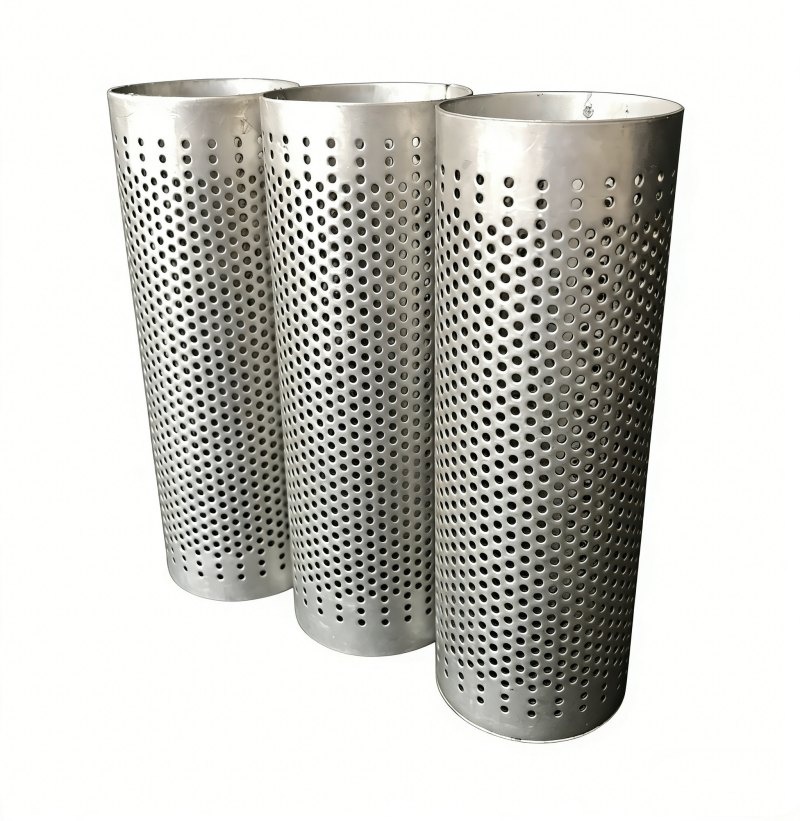
Der Edelstahl Keil Draht Sieb Korb, allgemein bekannt als der "V-Draht Sieb", "Presse Sieb Korb" oder "Sieb Zylinder", ist ein Kernkomponent der Schraubpresse Fest-Flüssigkeit-Separatoren. Es ist innerhalb der Spiralpresse installiert und umschließt die rotierende Schraubenwelle. Das Arbeitsprinzip lautet wie folgt: Rohslurry mit hohem Feuchtigkeitsgehalt wird durch die Schraubenwelle in den Siebkorb geschoben. Unter der Druck- und Förderwirkung der Spiralflüge wird die Flüssigkeit (Filtrat) durch die präzisen, kontinuierlichen Schlitze des Siebkorbs herausgedrückt, während das feste Material (Düngkuchen) im Inneren gehalten wird und weiterhin komprimiert und entwässert wird, während es sich nach vorne bewegt. Schließlich werden die entwässerten Feststoffe aus dem Auslass abgegeben, wodurch eine Feststoff-Flüssigkeit-Trennung erreicht wird.
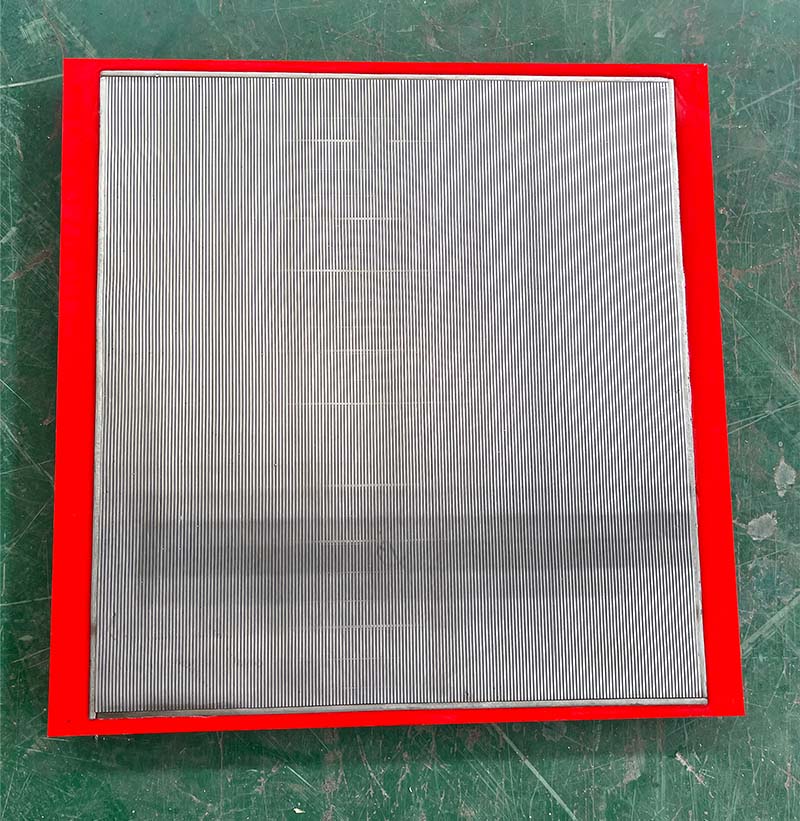
Keil Draht vibrierende Bildschirm
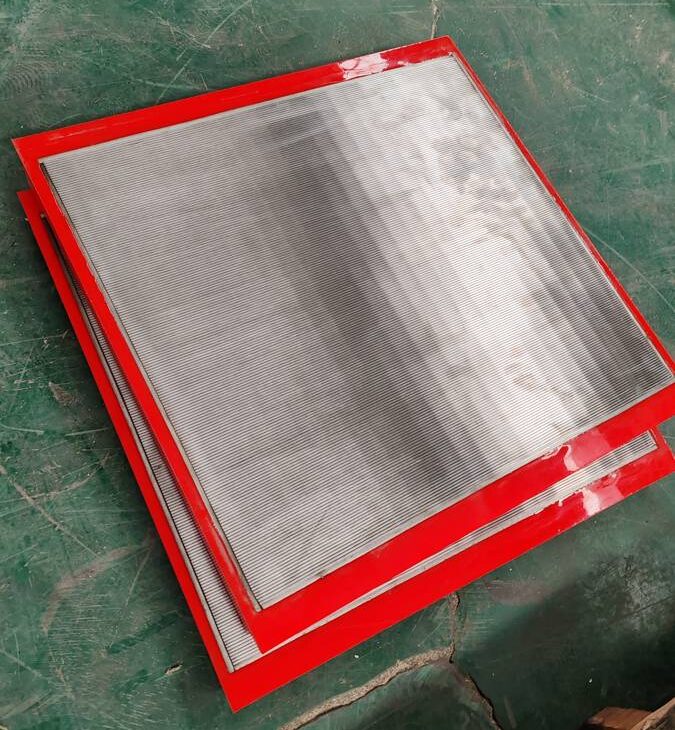
Ein Edelstahlkeildraht-Vibrationsschirm ist eine Fest-Flüssigkeit-Trennvorrichtung mit einer Siebfläche, die durch präzises Schweißen von V-förmigen Edelstahldrähten hergestellt wird, die in ein Hochfrequenzsvibrationssystem integriert ist. Mit einheitlichen Schlitzen, Verschleißbeständigkeit und Korrosionsbeständigkeit ist es für Nasssieb- und Entwässerungsvorgänge geeignet. Der Vibrationsmechanismus ermöglicht eine schnelle Materialverteilung und ein effizientes Sieben, während ein Verstopfen des Siebs effektiv verhindert wird. Weit in Industrien wie Bergbau, Metallurgie, Lebensmittelverarbeitung und Umweltschutz eingesetzt, ist es besonders geeignet für den Umgang mit feinen Partikeln, hochviskosen oder leicht agglomerierenden Materialien und bietet Vorteile wie hohe Siebgenauigkeit, große Verarbeitungskapazität und lange Lebensdauer.
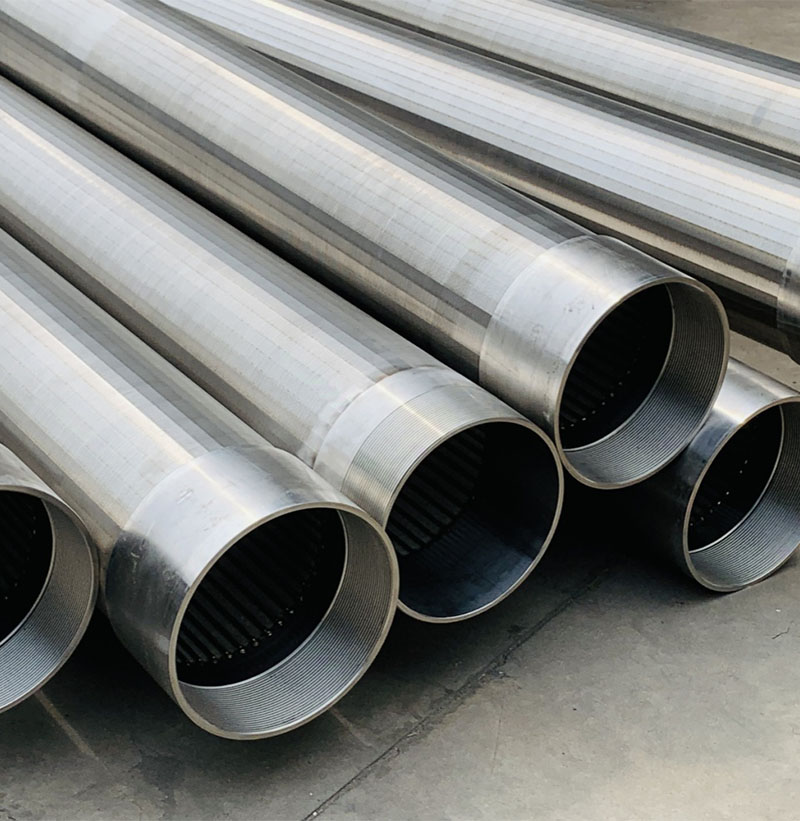
Keil Draht Wasser Brunnen Bildschirm
Johnson Deep Water Well Screens, auch als Continuous Slot Screens oder Wire Wrap Screens bezeichnet, wurden ursprünglich entwickelt, um Herausforderungen bei der Sandkontrolle in feinkörnigen und gleichmäßigen Sandformationen zu lösen. Diese geologischen Bedingungen sind häufig in tiefen Grundwasserwässern zu finden, wo herkömmliche Lochröhren oft unter Verstopfungen, übermäßiger Sandproduktion und reduzierter Brunneneffizienz leiden.
Sinterte Mesh Platte und Scheibe
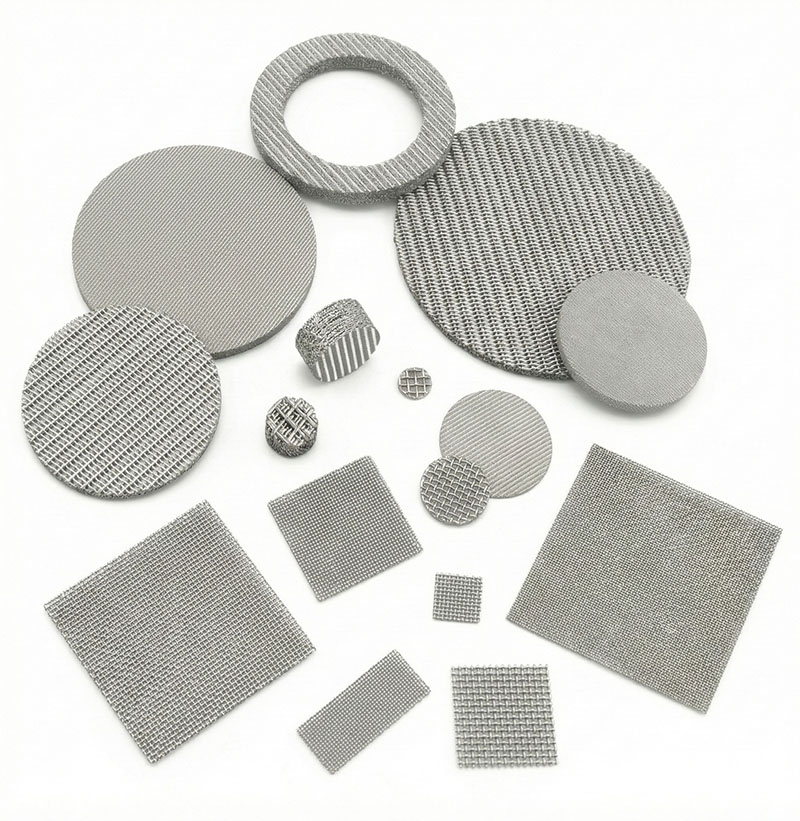
Sintermaschenplatten und -scheiben sind hochpräzise Filtrationskomponenten, die durch das Verbinden mehrerer Schichten Edelstahldrahtmaschen durch einen spezialisierten Vakuumsinterprozess hergestellt werden. Im Gegensatz zu herkömmlichen Netzen, die sich allein auf mechanisches Weben verlassen, werden diese Platten an jedem Kontaktpunkt geschmolzen und verwandeln einzelne Drähte in ein starres, integriertes poröses Blech.Diese Platten können in verschiedene Formen angepasst werden, am häufigsten kreisförmige Scheiben, um spezifische Industriegeräte anzupassen. Sie bieten eine ideale Balance aus hoher Durchlässigkeit, extremer struktureller Integrität und präzisen Filtrationswerten. Da sie ausschließlich aus Metall (typischerweise 304 oder 316L) hergestellt sind, bieten sie eine "permanente" Filtrationslösung, die hohen Temperaturen und korrosiven Chemikalien standhalten kann, während sie vollständig reinigbar und wiederverwendbar bleiben.