
Über uns
Ihr Experte Hersteller von Wedge Wire Screens;
Ihr zuverlässiger Partner und Innovationsquelle
Erhalten Sie ein kostenloses Angebot
-
Startseite

-
Blog
-
Branchenblog
- Why Use Sieve Bend Screens for Mineral Slurry Pre-Dewatering?

Why Use Sieve Bend Screens for Mineral Slurry Pre-Dewatering?
-
 Autor
Autor - 3,September
 Autor
Autor 
A dewatering circuit can lose stability before its main equipment fails. When mineral slurry carries more free water than the next stage can handle, the result is often a thin, uneven feed and a harder job downstream. A sieve bend gives that water an earlier path out, helping the circuit receive a more manageable stream.
The downstream problem begins with excess free water
Pre-dewatering matters because downstream equipment works best when the feed has a reasonably consistent solids loading. Excess free water occupies volume without contributing recoverable solids, so it can spread material across a larger area, reduce residence time, and make moisture control less predictable. The issue is not simply that the slurry is wet; it is that the water arrives in the wrong part of the circuit.
A sieve bend is useful when the process needs an early gravity-driven split rather than a final dry product. In mineral slurry dewatering, its role is to remove water and fine material before the stream reaches equipment designed for a more concentrated feed. The practical question is where a static screen can relieve the next stage without pretending to replace it.
How the curved screen removes the first water
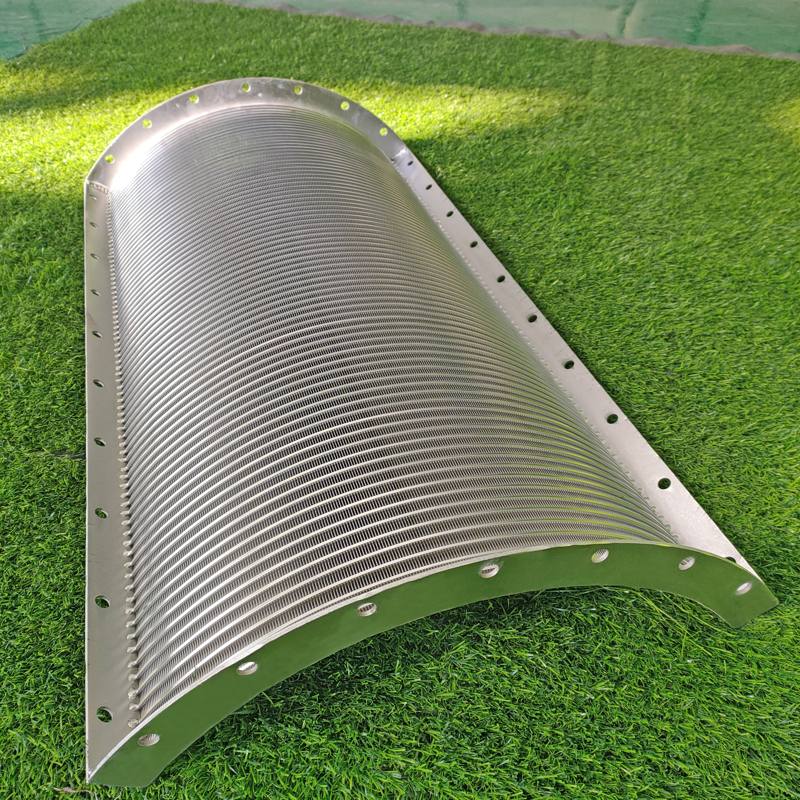
A sieve bend screen receives slurry tangentially across a concave surface. As the stream follows the curve, liquid and suitably small particles pass through continuous slots, while the coarser fraction continues to the discharge edge. The separation is driven by feed momentum, the screen geometry, and gravity, so the screen needs no powered vibration of its own.
The important effect is progressive drainage, not a single all-or-nothing cut. Each section of the curved face has another opportunity to peel away a thin liquid-rich layer. The remaining stream becomes less fluid as it travels, which is why a well-fed static arc wedge wire screen can reduce hydraulic load before a dewatering screen, cyclone, or other concentration step.

Why wedge-wire geometry suits a flowing slurry
The screen face must let liquid escape without turning every near-size particle into a blockage risk. A Keildrahtsieb uses V-profile wires with continuous openings rather than isolated punched holes. The widening space below the narrow slot helps particles that enter the opening avoid becoming tightly trapped, while the welded support structure keeps the slot pattern stable under normal service.
That geometry does not make blinding impossible. Sticky fines, clay, poor feed distribution, or a slot selected too close to the dominant particle size can still reduce drainage. Its value is that the screen surface is built around a flowing, self-releasing path, giving operators a more forgiving starting point than a surface full of discrete holes.
Feed conditions decide whether pre-dewatering pays off
Water split and solids loading
Feed consistency determines how much useful work the arc screen can do. A slurry with abundant free water and a controllable flow profile can shed liquid readily, whereas a very dense or highly viscous stream may ride the surface with less drainage. Mineral slurry dewatering therefore starts with actual solids concentration and flow behavior, not an assumed performance number.
Slot selection and the real cut point
Slot width is a control point, but it is not the same as the plant’s final separation size. Particle shape, near-size material, feed velocity, screen radius, and the amount of fine solids all affect what travels through the slots. For that reason, a sieve bend screen capacity discussion must include the slurry itself as well as the width and arc of the screen.
-Use representative particle-size data, including the near-size fraction rather than only a top-size figure.
-Check whether the feed box can distribute slurry evenly across the screen width.
-Set the pre-dewatering target: lower hydraulic load, more solids concentration, or a specific water split.
What the next dewatering stage receives
The gain from a sieve bend is easiest to judge at the handoff. A successful pre-dewatering step delivers less free water while preserving a feed character that the downstream machine can handle. It should not be assessed as a stand-alone screen, because the useful result is a calmer and more appropriate feed to the equipment that follows.
| Circuit condition | What the sieve bend changes | What to confirm downstream |
| High free-water load | Removes part of the liquid before the main dewatering duty | Feed depth and hydraulic capacity |
| Uneven slurry distribution | Exposes a feed-box problem rather than hiding it | Whether the screen width is used evenly |
| Large near-size fraction | Makes actual passage behavior more sensitive than slot size alone | Filtrate solids and recovery target |
| Abrasive service | Places wear attention on the curved face and slot stability | Inspection interval and change in process cut |
A static screen has a specific place in the circuit
A sieve bend is most useful when it is assigned a clear upstream task: reduce water early, make a preliminary classification, or prepare a feed for a more intensive dewatering machine. It is less useful when expected to deliver the final moisture result by itself. Keeping that division clear prevents a sound screening choice from being judged against the wrong duty.
Once the plant has defined its feed rate, solids behavior, desired split, and physical space, BTOSLOT, a slurry screen manufacturer, can relate those operating details to a curved wedge-wire configuration. That conversation is most productive when it begins with the process objective instead of a slot size alone.

The practical takeaway
Sieve bends earn their place ahead of dewatering equipment by making the first water split simple and purposeful. Their curved, static wedge-wire surface can reduce hydraulic load, while the final moisture and recovery target remain the responsibility of the full circuit. Treat the screen as a pre-dewatering stage, verify it against real slurry behavior, and it becomes a useful bridge between a wet feed and a more controllable downstream operation.
Häufig gestellte Fragen
Does a sieve bend replace a dewatering screen?
No. A sieve bend usually performs an early gravity-driven water split or classification step. It can make the feed easier for a dewatering screen to process, but the downstream machine remains responsible for the later-stage moisture target.
What mineral slurries are good candidates for pre-dewatering?
Slurries carrying appreciable free water and requiring a more concentrated feed for the next operation are common candidates. The practical fit depends on particle-size distribution, solids concentration, viscosity, and the value of solids that may report to the filtrate.
Is the slot opening the same as the separation size?
No. The observed cut is affected by particle shape, feed velocity, near-size material, and the curved screening path. Slot width is an essential design input, but plant testing or representative process data is needed to predict separation behavior.
Letzter Beitrag
Verwandte Produkte
Bestverkaufte Produkte
Stärke Screen
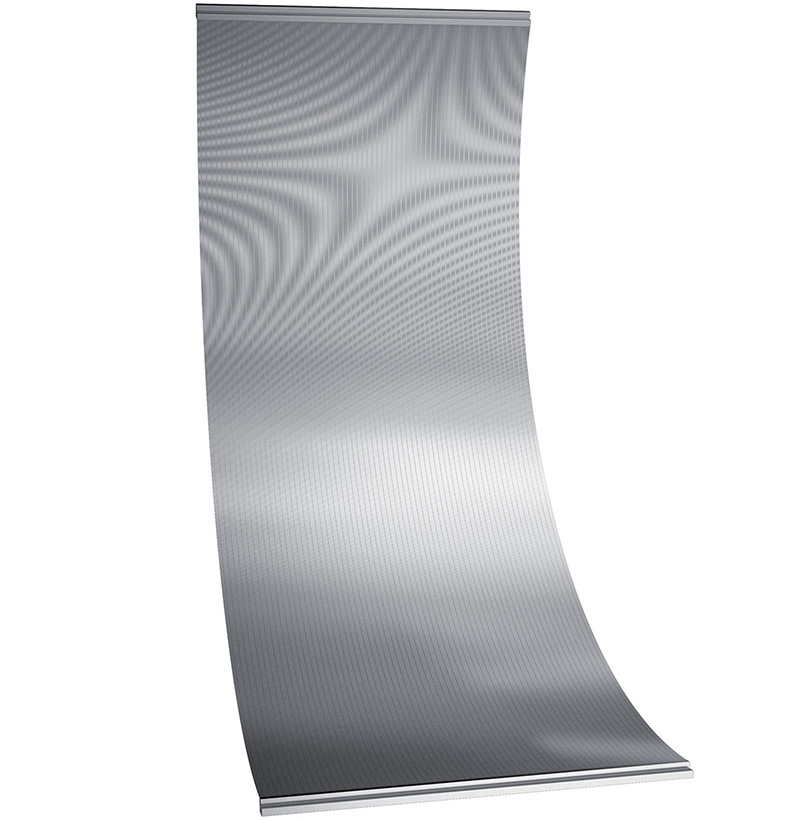
Der Wedge Wire Starch Curved Screen ist ein gekrümmtes Siebgerät, das speziell für die Stärkeindustrie entwickelt wurde. Es verfügt über eine bogenförmige Siebfläche aus präzise geschweißten V-Profil-Edelstahldrähten, die Zentrifugalkraft oder Schwerkraft nutzen, um eine schnelle Entwässerung und Klassifizierung von Stärkeslurry zu erreichen. Seine gekrümmte Struktur verlängert die Schlammretentionszeit und verbessert die Effizienz der Feststoff-Flüssigkeit-Trennung. Es eignet sich für Stärkeextraktion, Raffinierung und Nebenproduktrückgewinnungsprozesse für Stärke wie Kartoffel, Mais und Cassava. Diese Ausrüstung ist durch eine effiziente Siebung, Verschleiß- und Verstopfungsbeständigkeit und einfache Wartung gekennzeichnet und ist eine Schlüsselvorrichtung zur Feststoff-Flüssigkeit-Trennung in der modernen Stärkeverarbeitung.
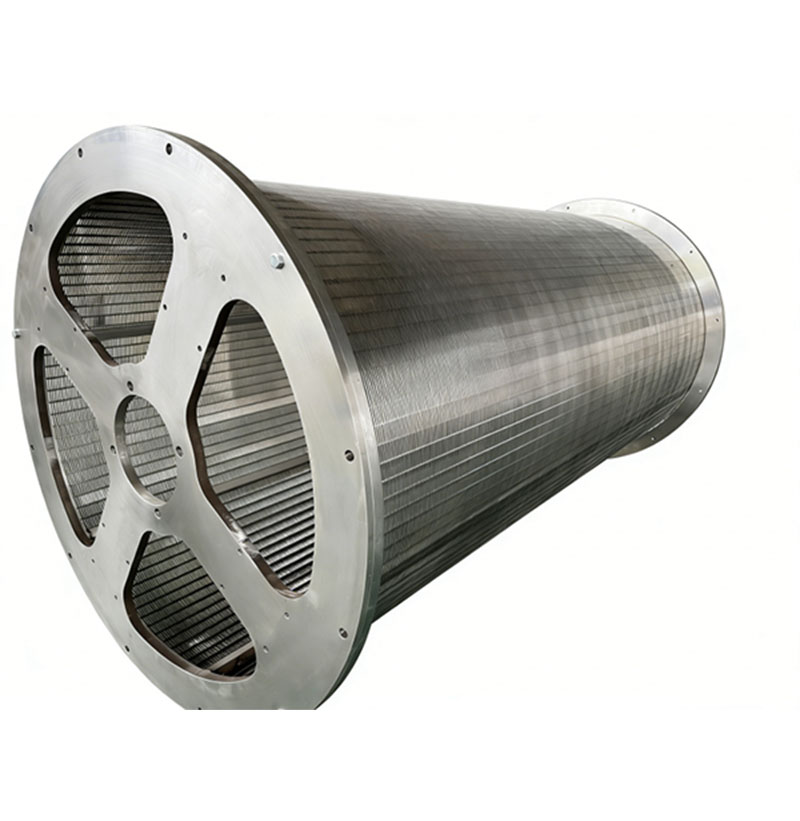
Rotierende Trommel
Der Edelstahl Keil Draht Rotary Drum Screen (auch bekannt als ein Rotary Drum Sieb oder Micro-Screen) ist eine kontinuierlich und automatisch arbeitende Front-End-Feststoff-Flüssigkeit-Trennvorrichtung. Sein Kernbauteil ist eine große zylindrische Trommel, die horizontal oder leicht geneigt installiert ist. Die gesamte Umfangsfläche der Trommel ist mit einem Edelstahlkeildrahtsieb (Johnson-Sieb) bedeckt. Das zu behandelnde Abwasser strömt in ein Ende der Trommel. Unter Schwerkraft passiert das Filtrat durch die Keildrahtschlitze, während feste Suspensionsstoffe (wie Fasern, Haare, Kunststoffstücke und feine Partikel) auf der Innenfläche der Trommel gehalten werden. Während sich die Trommel langsam dreht, wird der zurückgehaltene Trümmer nach oben angehoben, wo er durch Sprühwasser in eine Sammeltage gespült wird, wodurch ein kontinuierlicher Prozess der automatischen Siebung, Filtration und Rückstandsentfernung erreicht wird.
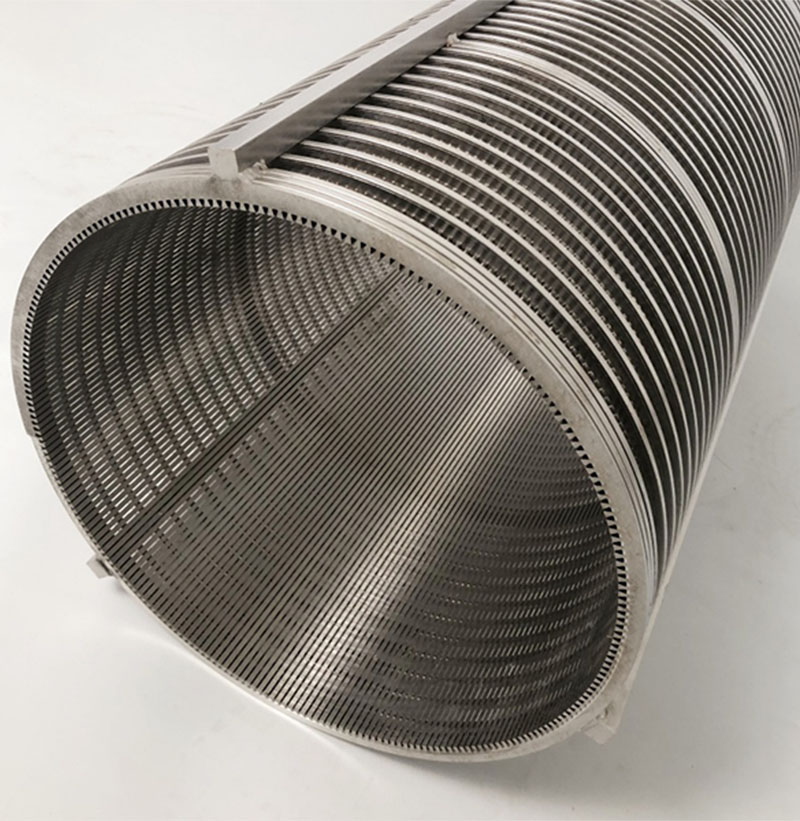
Siebkorb für Screw Press Separator
Der Edelstahl Keil Draht Sieb Korb, allgemein bekannt als der "V-Draht Sieb", "Presse Sieb Korb" oder "Sieb Zylinder", ist ein Kernkomponent der Schraubpresse Fest-Flüssigkeit-Separatoren. Es ist innerhalb der Spiralpresse installiert und umschließt die rotierende Schraubenwelle. Das Arbeitsprinzip lautet wie folgt: Rohslurry mit hohem Feuchtigkeitsgehalt wird durch die Schraubenwelle in den Siebkorb geschoben. Unter der Druck- und Förderwirkung der Spiralflüge wird die Flüssigkeit (Filtrat) durch die präzisen, kontinuierlichen Schlitze des Siebkorbs herausgedrückt, während das feste Material (Düngkuchen) im Inneren gehalten wird und weiterhin komprimiert und entwässert wird, während es sich nach vorne bewegt. Schließlich werden die entwässerten Feststoffe aus dem Auslass abgegeben, wodurch eine Feststoff-Flüssigkeit-Trennung erreicht wird.
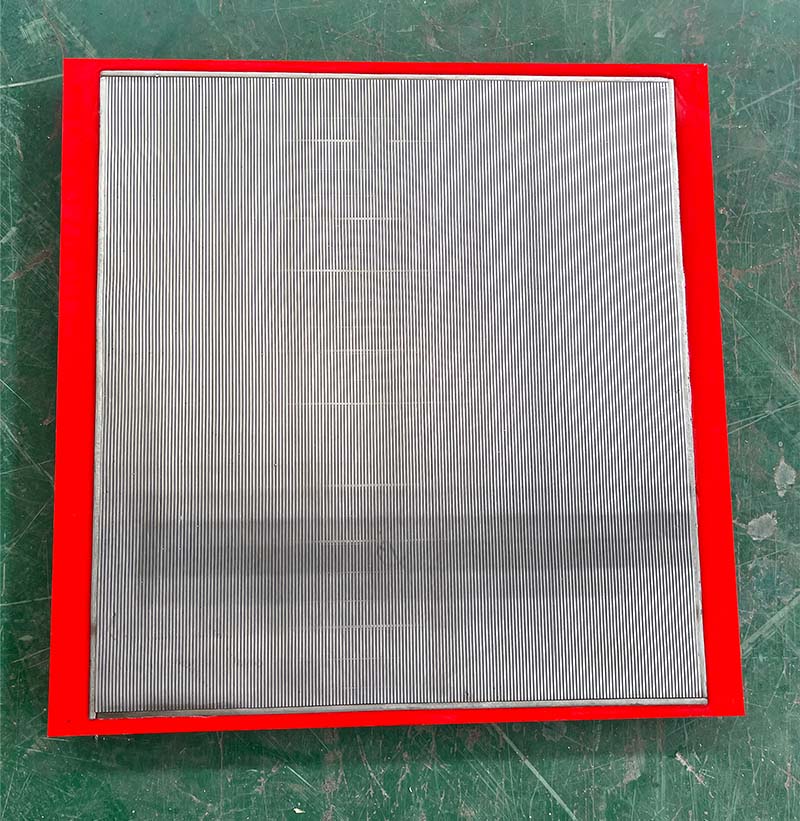
Keil Draht vibrierende Bildschirm
Ein Edelstahlkeildraht-Vibrationsschirm ist eine Fest-Flüssigkeit-Trennvorrichtung mit einer Siebfläche, die durch präzises Schweißen von V-förmigen Edelstahldrähten hergestellt wird, die in ein Hochfrequenzsvibrationssystem integriert ist. Mit einheitlichen Schlitzen, Verschleißbeständigkeit und Korrosionsbeständigkeit ist es für Nasssieb- und Entwässerungsvorgänge geeignet. Der Vibrationsmechanismus ermöglicht eine schnelle Materialverteilung und ein effizientes Sieben, während ein Verstopfen des Siebs effektiv verhindert wird. Weit in Industrien wie Bergbau, Metallurgie, Lebensmittelverarbeitung und Umweltschutz eingesetzt, ist es besonders geeignet für den Umgang mit feinen Partikeln, hochviskosen oder leicht agglomerierenden Materialien und bietet Vorteile wie hohe Siebgenauigkeit, große Verarbeitungskapazität und lange Lebensdauer.
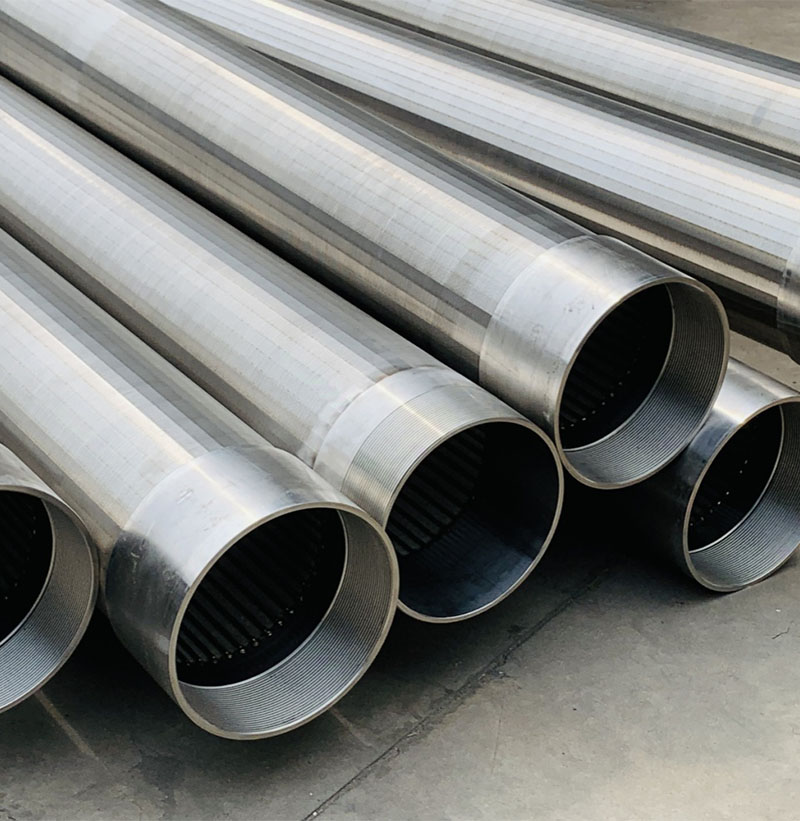
Keil Draht Wasser Brunnen Bildschirm
Johnson Deep Water Well Screens, auch als Continuous Slot Screens oder Wire Wrap Screens bezeichnet, wurden ursprünglich entwickelt, um Herausforderungen bei der Sandkontrolle in feinkörnigen und gleichmäßigen Sandformationen zu lösen. Diese geologischen Bedingungen sind häufig in tiefen Grundwasserwässern zu finden, wo herkömmliche Lochröhren oft unter Verstopfungen, übermäßiger Sandproduktion und reduzierter Brunneneffizienz leiden.
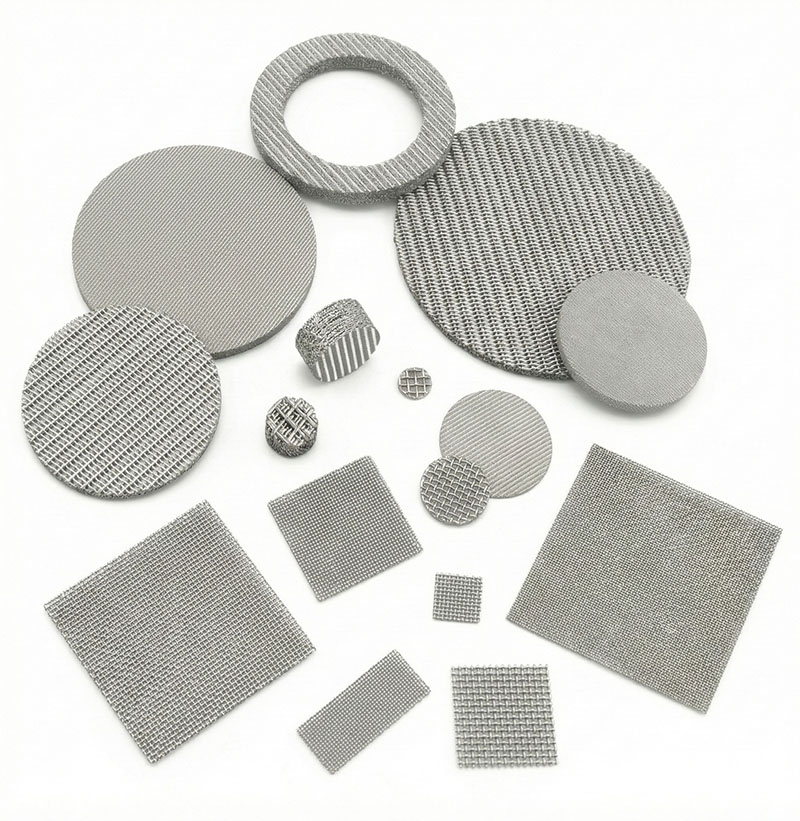
Sinterte Mesh Platte und Scheibe
Sintermaschenplatten und -scheiben sind hochpräzise Filtrationskomponenten, die durch das Verbinden mehrerer Schichten Edelstahldrahtmaschen durch einen spezialisierten Vakuumsinterprozess hergestellt werden. Im Gegensatz zu herkömmlichen Netzen, die sich allein auf mechanisches Weben verlassen, werden diese Platten an jedem Kontaktpunkt geschmolzen und verwandeln einzelne Drähte in ein starres, integriertes poröses Blech.Diese Platten können in verschiedene Formen angepasst werden, am häufigsten kreisförmige Scheiben, um spezifische Industriegeräte anzupassen. Sie bieten eine ideale Balance aus hoher Durchlässigkeit, extremer struktureller Integrität und präzisen Filtrationswerten. Da sie ausschließlich aus Metall (typischerweise 304 oder 316L) hergestellt sind, bieten sie eine "permanente" Filtrationslösung, die hohen Temperaturen und korrosiven Chemikalien standhalten kann, während sie vollständig reinigbar und wiederverwendbar bleiben.