
À propos de nous
Votre fabricant expert d'écrans de fil de coin;
Votre partenaire fiable et source d’innovation
Obtenez un devis gratuit
-
Accueil

-
Blog
-
Blog de l'industrie
- How Wedge Wire Trommel Screens Handle Wet Sticky Ore
How Wedge Wire Trommel Screens Handle Wet Sticky Ore
-
 auteur
 - 23,septembre
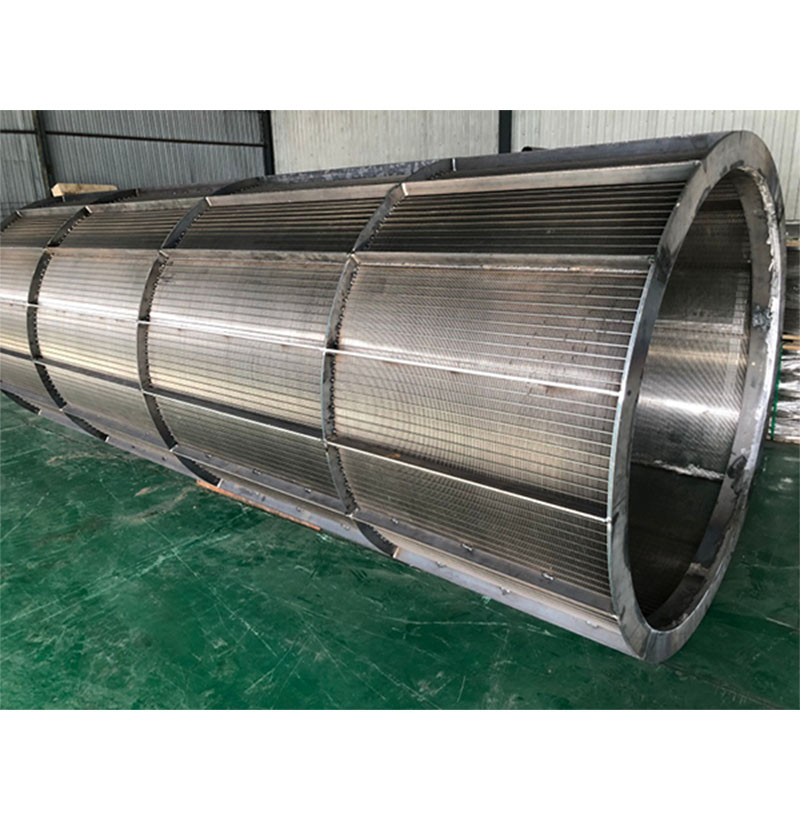
Wet, clay-rich ore can make a sound screening circuit look unpredictable. Feed that appears to be one size on the belt may enter a drum as sticky lumps, fines-coated pebbles, and free water, so the question is not simply whether a screen has enough area. The practical question is how the drum keeps material moving long enough for usable fines to find an opening without turning the surface into a mud-lined barrier.
Why wet clay changes the drum
Clay changes screening because it binds particles that would otherwise behave independently. Fine material can coat coarser fragments, bridge across openings, and travel as soft balls instead of presenting individual particles to the screen. Water may still drain, yet the desired size separation becomes unstable because the fines remain trapped inside the agglomerates.
That is why wet sticky ore screening should be judged by the moving bed on the drum, not by slot size alone. A screen that looks generous on a drawing can blind quickly if feed arrives in thick layers or if wash water turns the surface into a paste. Conversely, a moderate opening can work well when tumbling repeatedly exposes fresh particle surfaces.
The separation path inside the drum
A rotary drum creates a sequence of lifting, cascading, spreading, and forward travel. As feed enters, the drum carries part of the bed upward; gravity then lets it tumble back across the screening surface. Fines and water that reach an open slot pass through, while oversize material advances to the discharge end for further handling or removal.
Rotation keeps the feed from settling into one layer
Rotation matters because it repeatedly changes which particles face the aperture. In a wet ore circuit, this motion can break fragile clay-rich lumps and release fines that initially arrived hidden inside a coating. It does not replace scrubbing when lumps are strongly cemented, but it gives liberated particles multiple chances to meet the screen instead of leaving them packed against one static surface.
Continuous slots give fines a clearer exit path
The geometry of wedge wire trommel screens supports that motion with long, continuous openings rather than isolated round holes. A V-shaped slot is narrow at the working surface and widens behind it, so a particle that enters the slot is less likely to lodge at the same point. This does not make every sticky feed self-cleaning, but it reduces one common source of pegging while the drum and wash system keep the surface active.

Where wedge wire helps – and where preparation still matters
Wedge wire is most useful when the circuit needs a durable screening surface and a less trap-prone route for liberated fines. The fully welded screen construction also suits a rotating component that sees repeated abrasion and mechanical load. In a mineral circuit, however, the screen is only one part of the separation decision; feed conditioning determines whether its open area can be used.
The following conditions usually deserve attention before changing a drum surface:
- Clay content and plasticity, which determine whether lumps fall apart or smear across the slot.
- Feed rate and bed depth, which determine whether particles can contact the screening surface.
- Wash-water location and pressure, which should clear retained fines without carrying usable material past the cut.
For a plant reviewing a slurry screen manufacturer, the valuable discussion is therefore about feed behavior, target cut, drum motion, and cleaning access together. A promising screen surface cannot compensate for a circuit that sends compacted, unwashed clay directly into a short, overloaded drum.
Operating variables must move together
The variables below influence the same outcome from different directions: how often a particle reaches an opening, whether that opening remains available, and whether the material stays in the drum long enough to separate. Changing one variable in isolation can shift capacity while quietly weakening the cut point.
| Variable | What changes in wet ore | Useful operating question |
| Drum speed | Changes lift, cascade, and residence time. | Is the bed tumbling freely or being carried too far? |
| Feed rate | Controls bed depth and surface exposure. | Can fine particles reach the slots before discharge? |
| Slot opening | Sets the physical route for water and undersize. | Does it match the actual, conditioned particle-size distribution? |
| Wash water | Clears fines and controls surface paste. | Does it reopen slots without flooding the separation zone? |
In other words, rotary drum screening is a contact-and-release process, not a fixed capacity number. That is especially important in screening in mineral processing, where changes in ore moisture, clay fraction, and feed fragmentation can alter the result from shift to shift. Trial data should therefore record both throughput and the condition of the material leaving each side of the drum.

A practical takeaway for wet ore circuits
The best use of a rotary screen in wet, sticky ore is to give liberated fines a repeatable chance to leave while keeping the coarse fraction moving. A BTOSLOT wedge wire screen can support that purpose through continuous V-shaped slots and a rigid welded surface, but it works best when feed preparation, drum speed, wash water, and residence time are treated as one operating system.
The next sensible decision is not to select a slot from the desired product size alone. First observe whether the feed is tumbling, smearing, or riding through; then compare the undersize recovery and the oversize contamination at real moisture and clay levels. That evidence reveals whether the constraint is the screen, the drum setting, or upstream conditioning.
FAQ
Can a trommel screen handle wet clay-rich ore?
It can handle it when tumbling and wash action keep the bed mobile, but very plastic or cemented clay may need scrubbing or dilution upstream. The useful test is whether fines are released from lumps before the material reaches the discharge end.
Why do wet fines blind a rotary drum screen?
Wet fines can coat larger particles and form a paste across openings. Blinding worsens when feed depth is high, the drum lacks enough tumbling action, or wash water does not reach the retained layer.
Does a larger slot always improve trommel capacity?
A larger slot may pass more water and fines, but it can also send unwanted particles downstream. Capacity should be evaluated with the required cut, the actual particle-size distribution, and the behavior of sticky agglomerates.
When is wedge wire preferable to perforated plate in a drum?
Wedge wire is useful when continuous slots, a less trap-prone opening shape, and a welded screening surface fit the process. The choice still depends on abrasion, target separation, cleaning method, and the drum’s mechanical design.
Article récent

Produits connexes
Produits les plus vendus
écran amidon
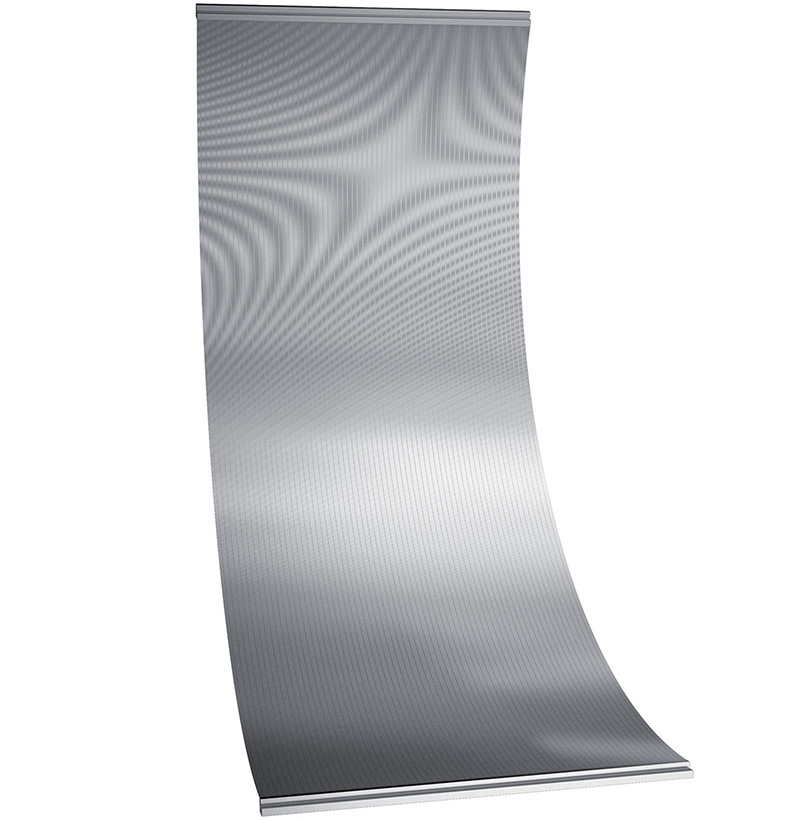
Le Wedge Wire Starch Curved Screen est un dispositif de criblage courbé spécialement conçu pour l'industrie de l'amidon. Il dispose d'une surface d'écran en forme d'arc faite de fils en acier inoxydable en profil V soudés avec précision, utilisant la force centrifuge ou la gravité pour réaliser une déshydratation rapide et la classification de la boue d'amidon. Sa structure courbe prolonge le temps de rétention des boues, améliorant l'efficacité de la séparation solide-liquide. Il convient pour l'extraction d'amidon, le raffinage et les processus de récupération de sous-produits pour les amidons tels que la pomme de terre, le maïs et le manioc. Caractérisé par un criblage efficace, une résistance à l'usure et à l'obstruction et une maintenance facile, cet équipement est un dispositif de séparation solide-liquide clé dans le traitement moderne de l'amidon.
tambour rotatif
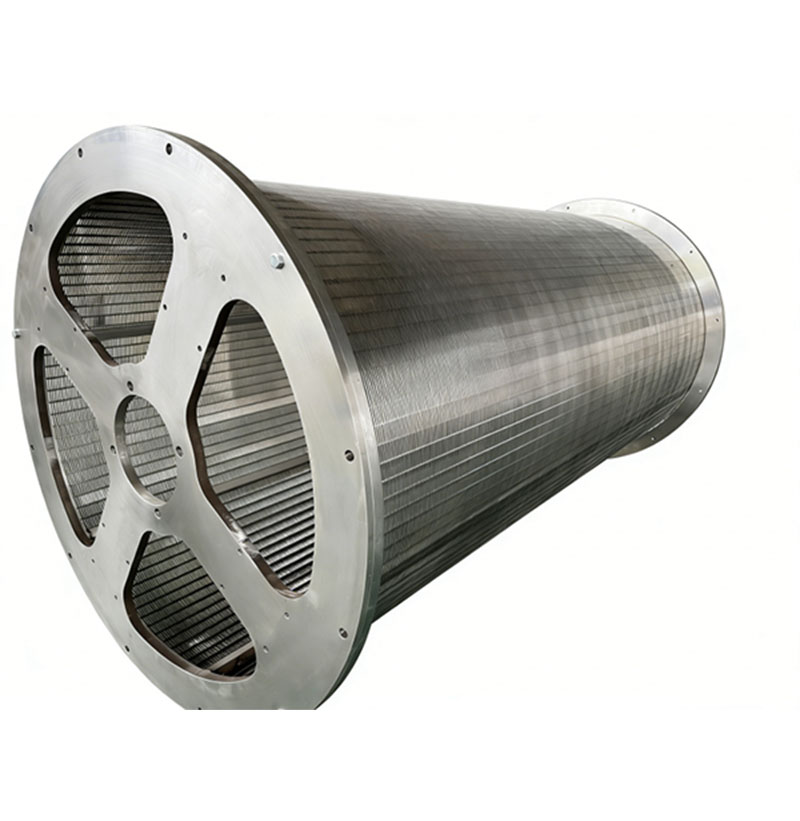
L'écran de tambour rotatif en acier inoxydable (également connu sous le nom de filtre de tambour rotatif ou micro-écran) est un dispositif de séparation solide-liquide frontal fonctionnant en continu et automatiquement. Son élément central est un grand tambour cylindrique installé horizontalement ou en légère inclinaison. Toute la surface circonférentielle du tambour est recouverte d'un écran en acier inoxydable (écran Johnson). Les eaux usées à traiter s'écoulent dans une extrémité du tambour. Sous la gravité, le filtrat passe à travers les fentes de fil de coin, tandis que la matière solide en suspension (telles que les fibres, les cheveux, les morceaux de plastique et les particules fines) est retenue sur la surface interne du tambour. Au fur et à mesure que le tambour tourne lentement, les débris retenus sont soulevés vers le haut, où ils sont rincés par l'eau pulvérisée dans un trou de collecte, permettant ainsi un processus continu de filtration automatique et d'élimination des résidus.
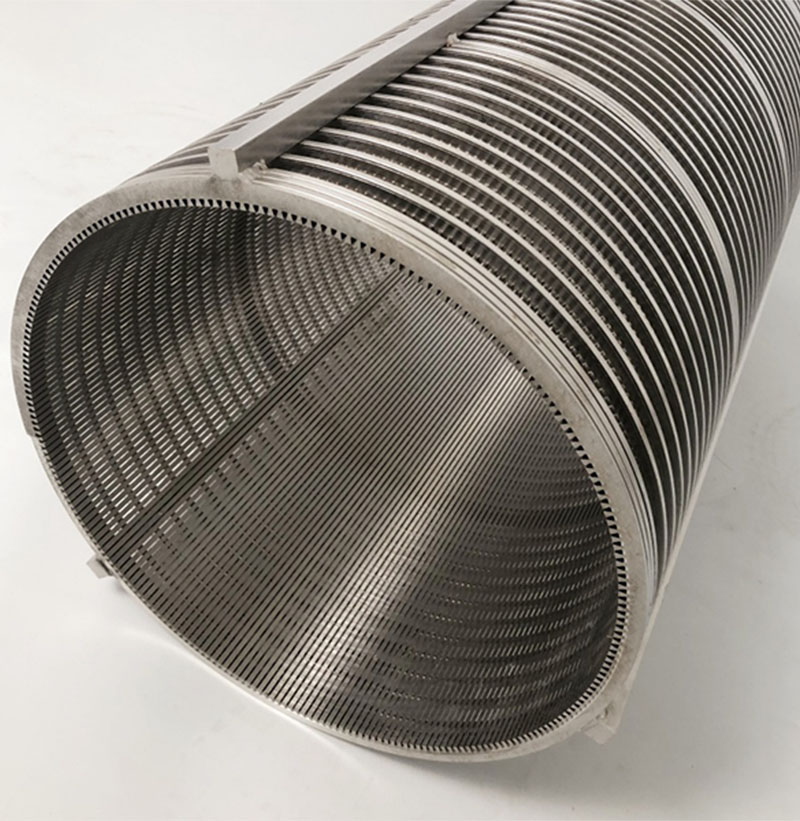
Panier d'écran pour séparateur de presse à vis
Le panier d'écran en fil de coin en acier inoxydable, communément connu sous le nom de "écran en V", "panier d'écran de presse" ou "cylindre d'écran", est un composant central des séparateurs solide-liquide de presse à vis. Il est installé à l'intérieur de la presse à spirale, encerclant l'arbre à vis rotatif. Le principe de fonctionnement est le suivant: la boue brute à forte teneur en humidité est poussée dans le panier d'écran par l'arbre à vis. Sous l'action de compression et de transport des vols en spirale, le liquide (filtrat) est forcé à travers les fentes précises et continues du panier d'écran, tandis que le matériau solide (gâteau de fumier) est retenu à l'intérieur et continue d'être comprimé et déshydraté au fur et à mesure qu'il avance. Enfin, les solides déshydratés sont déchargés de la sortie, permettant une séparation solide-liquide.
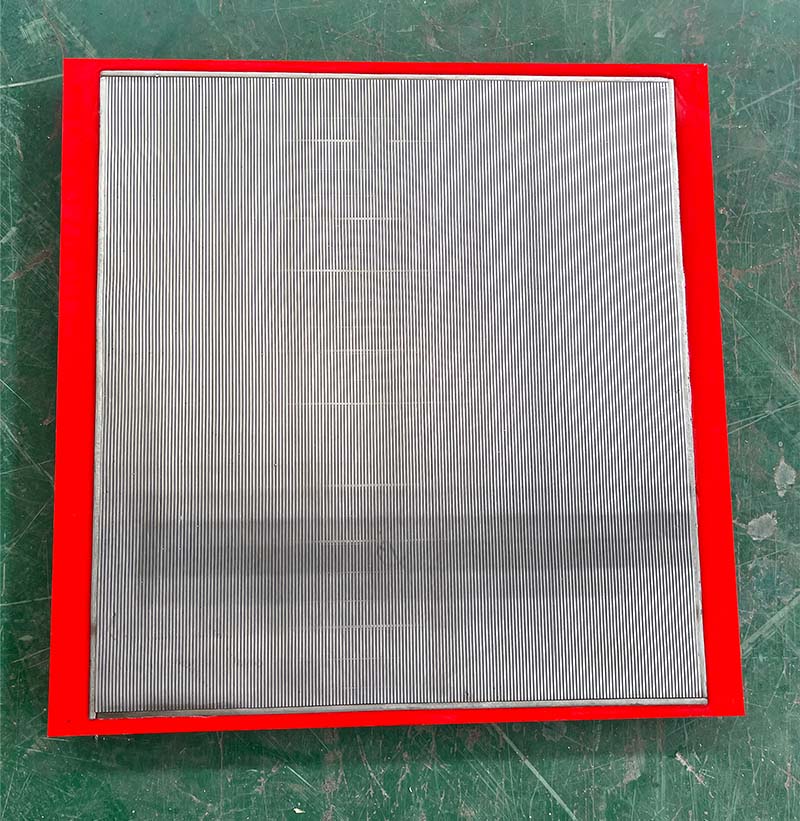
Ecran vibrant de fil de coin
Un écran vibrant en fil de coin en acier inoxydable est un dispositif de séparation solide-liquide comportant une surface d'écran réalisée par soudage précis de fils en acier inoxydable en forme de V, intégré à un système de vibration haute fréquence. Avec des fentes uniformes, une résistance à l'usure et une résistance à la corrosion, il convient aux opérations de filtrage humide et de déshydratation. Le mécanisme de vibration permet une dispersion rapide du matériau et un tamissage efficace tout en empêchant efficacement l'obstruction de l'écran. Largement utilisé dans des industries telles que l'exploitation minière, la métallurgie, la transformation des aliments et la protection de l'environnement, il est particulièrement adapté pour manipuler des particules fines, des matériaux à haute viscosité ou facilement agglomérables, offrant des avantages tels que la précision de criblage élevée, une grande capacité de traitement et une longue durée de vie.
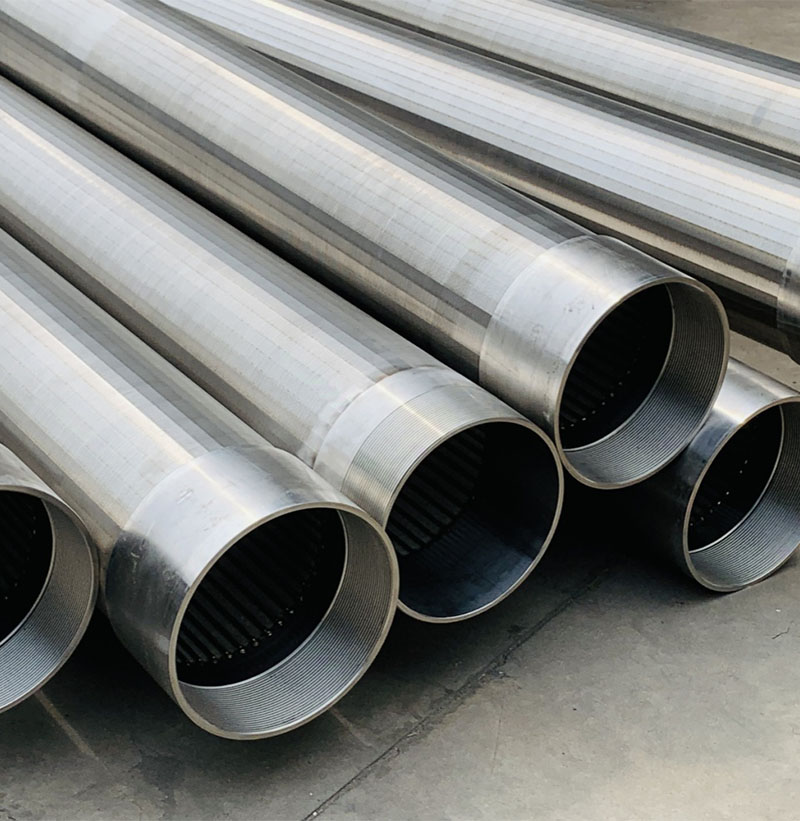
Écran de puits d'eau de fil de coin
Les écrans de puits d'eau profonde Johnson, également appelés écrans de fente continue ou écrans d'enveloppement de fil, ont été développés à l'origine pour résoudre les problèmes de contrôle du sable dans les formations de sable fine graine et uniforme. Ces conditions géologiques sont couramment rencontrées dans les aquifères souterrains profonds, où les tuyaux perforés conventionnels souffrent souvent d'obstruction, de production excessive de sable et de réduction de l'efficacité des puits.
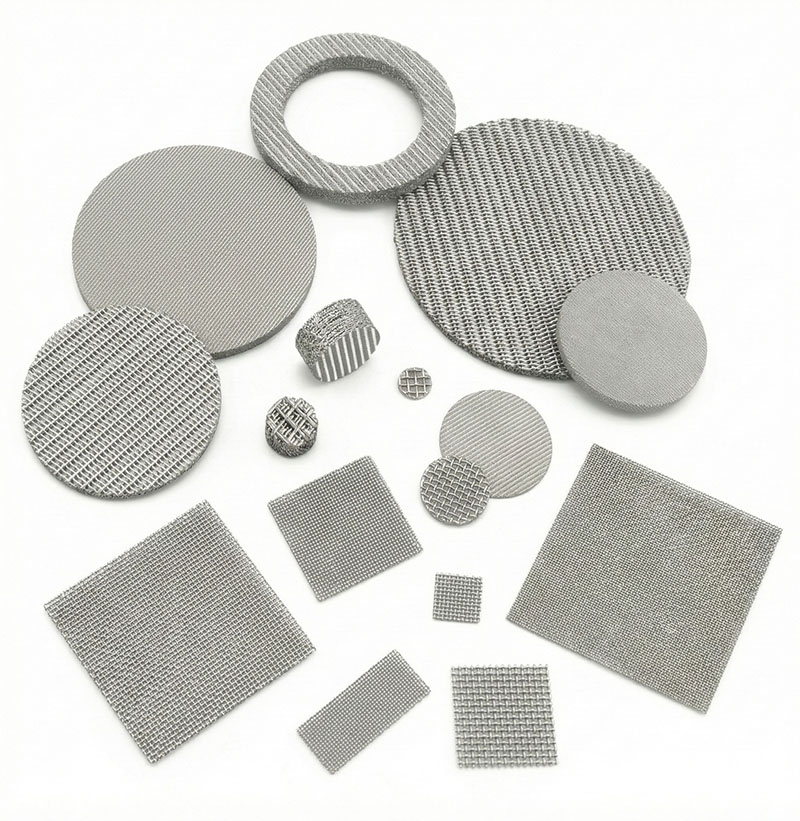
Plaque et disque en maille fritté
Les plaques et disques de maillage fritté sont des composants de filtration de haute précision fabriqués en liant plusieurs couches de maillage en acier inoxydable à travers un processus de frittage sous vide spécialisé. Contrairement au maillage traditionnel qui repose uniquement sur le tissage mécanique, ces plaques sont fusionnées à chaque point de contact, transformant des fils individuels en une tôle porouse rigide et intégrée.Ces plaques peuvent être personnalisées en différentes formes, le plus souvent des disques circulaires, pour s'adapter à des équipements industriels spécifiques. Ils offrent un équilibre idéal entre une perméabilité élevée, une intégrité structurelle extrême et des taux de filtration précis. Étant donné qu'ils sont entièrement en métal (généralement 304 ou 316L), ils fournissent une solution de filtration "permanente" qui peut résister aux températures élevées et aux produits chimiques corrosifs tout en restant entièrement nettoyables et réutilisables.